What to Expect During Foundation Excavation in Connecticut
Have you ever watched construction equipment tear into a yard and wondered how long the chaos lasts? If you’re planning a new home in Connecticut, you might be losing sleep over how many weeks your property will resemble a construction zone.
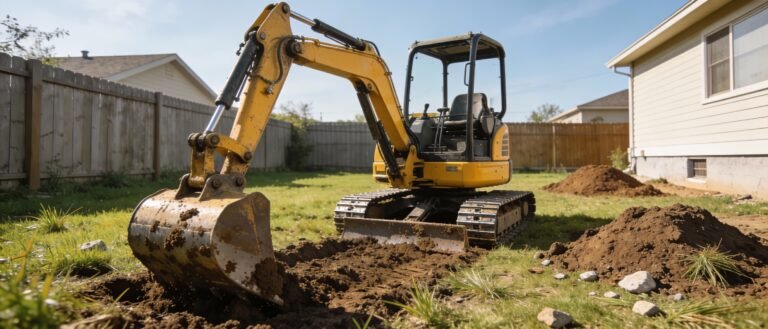
When you hire excavation contractors for house foundation work, you’re bringing heavy machinery, deep trenches, and temporary disruption to your doorstep. The good news: most residential foundation excavations wrap up active work in 7-14 days, though Connecticut’s 42-inch frost depth requirements and wetlands regulations can extend timelines. Between coordinating utility locates, managing erosion controls, and scheduling inspections, the process involves more planning than digging.
Your contractor will navigate zoning setbacks, slope challenges, and seasonal weather while keeping your yard contained and functional. Understanding each phase from site prep to final grading helps you prepare your property and family for what’s actually a short-term investment in your home’s long-term stability.
Key Takeaways
- Most excavation jobs finish in 1-3 weeks: Standard 2,000 square foot foundations complete active work in 7-14 days, though slopes, wetlands, or rocky soil can extend the timeline to 3-4 weeks depending on site conditions.
- Frost protection drives depth requirements: Connecticut building codes mandate footings extend at least 42 inches below grade to prevent freeze-thaw damage common in Northeast winters, with wider footings on softer soils.
- Pre-work preparation prevents delays: Calling 811 for utility locates, conducting soil tests, and securing permits upfront confirms proper setbacks and wetlands buffers before equipment arrives on your property.
- Backfill and grading restore yards quickly: Contractors compact soil in 12-inch layers and establish 5% drainage slopes away from foundations, then apply seed and straw to minimize the bare-dirt phase after concrete cures.
- Permit requirements vary by municipality: Zoning and wetlands approvals often take 2-4 weeks, while building inspectors verify excavation depth, footing placement, and backfill compaction at key milestones.
- Professional cleanup completes the job: Responsible contractors haul away excess soil, remove erosion controls after final inspection, and leave your yard graded for landscaping or lawn establishment.
Understanding the Foundation Excavation Process in Connecticut
Professional excavation contractors follow Connecticut’s residential building codes to create stable foundations on lots with variable soil types, slopes, and proximity to wetlands. The process prioritizes frost protection and structural integrity over speed, which may seem frustrating when your yard is torn up, but prevents costly foundation failures down the road. Connecticut’s spite laws protect property owners from neighbors who might try to block legitimate excavation work through malicious complaints, while inland wetlands regulations require 75-foot upland review buffers near watercourses to protect ecosystems.
Unlike regions with warmer climates or sandy soils, Connecticut excavation contractors deal with frost heaving, rocky glacial till, and seasonal weather that can pause work. Your contractor needs to account for these regional factors when estimating timelines and costs. They’ll conduct soil tests before digging to confirm bearing capacity and adjust footing widths accordingly. Sites with slopes exceeding 20% require geotechnical investigations to ensure proper drainage and prevent landslides, which adds planning time but protects your investment.
The sequenced approach starts with permits and utility coordination, moves through excavation and foundation installation, then concludes with backfilling and site restoration. Each phase depends on inspections and curing times that can’t be rushed without compromising quality. Understanding this progression helps you set realistic expectations for how long different areas of your yard will be inaccessible or visibly disrupted.
Local Site Environment and Process Needs
Connecticut’s frost-prone soils and municipal setback requirements demand careful pre-work before excavators can break ground. Your contractor will coordinate surveys to establish property lines and verify that the planned foundation meets zoning setbacks from lot boundaries, streets, and neighboring structures. Many towns require specific distances from wetlands and watercourses, sometimes 50 to 100 feet depending on local ordinances and resource sensitivity.
Site clearing removes vegetation and strips topsoil to expose subgrade soils suitable for bearing the foundation load. Contractors typically stockpile topsoil separately for later use in final grading and landscaping. Access routes for heavy equipment like excavators and dump trucks need planning to avoid damaging driveways, underground utilities, or sensitive areas. On tight lots, contractors may need temporary easements from neighbors to maneuver machinery or stage materials.
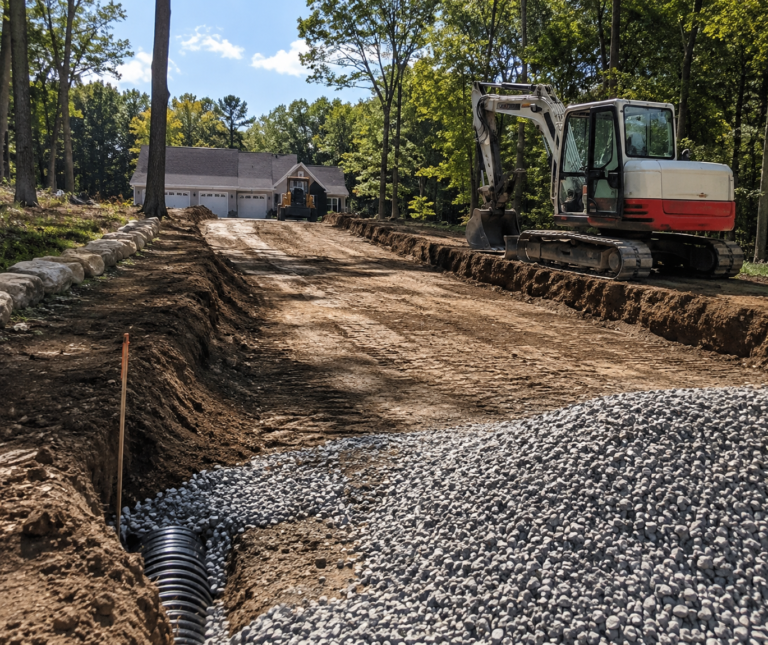
Drainage considerations start during planning, since Connecticut receives 45-50 inches of precipitation annually. Your contractor will identify where water currently flows across the lot and design excavation slopes and backfill grading to direct runoff away from the foundation. Installing silt fencing and other erosion controls before excavation begins prevents sediment from washing into storm drains or wetlands, which can trigger fines and work stoppages.
National vs. Connecticut Excavation Timelines
Baseline excavation timelines you might find for warmer states don’t account for Northeast-specific requirements like deeper frost protection, longer concrete curing in cool weather, and stricter environmental regulations. While a foundation in Georgia might go from excavation to backfill in 5-7 days, Connecticut projects often need additional time for inspections, weather delays, and mandated setback verifications.
Regional differences stem from both climate and geology. Connecticut’s glacially deposited soils include everything from fine clays to massive boulders, requiring adaptable excavation techniques. Contractors can’t always predict what they’ll encounter until digging starts, which sometimes extends timelines beyond initial estimates. Frost line requirements alone add 1-2 feet of depth compared to southern states, translating to more excavated material and longer trenching times.
Permit and inspection requirements also vary significantly. Some states allow contractors to proceed with minimal oversight, while Connecticut municipalities enforce regular inspections at excavation depth, footing placement, and backfill stages. These checkpoints protect homeowners by ensuring code compliance, but they can pause work if inspectors aren’t available immediately or if corrections are needed.
Typical Timeline Ranges by Foundation Size
For a standard 1,500 square foot home on relatively flat, accessible land, national averages suggest 5-10 days from excavation start to backfill completion. In Connecticut, that same foundation more realistically takes 7-21 days once you factor in frost depth requirements, inspection scheduling, and occasional weather interruptions. Larger homes around 2,500-3,000 square feet can extend to 2-3 weeks for the active excavation and foundation work, not including the preliminary permit phase.
Simple rectangular foundations on level lots with good soil bearing capacity fall on the shorter end of these ranges. If your lot includes slopes requiring stepped footings, poor soils needing over-excavation and engineered fill, or proximity to wetlands requiring special erosion controls, expect timelines toward the longer end. Rocky sites where contractors encounter ledge or large boulders can add several days for breaking rock or hauling it away.
Winter excavation presents additional challenges in Connecticut. When temperatures drop below 40°F, concrete requires protection during curing, often using insulated blankets or heated enclosures. This adds both time and cost compared to summer pours. Many contractors recommend scheduling foundation work between April and November when weather conditions offer more predictability.
Day-by-Day Breakdown Models
A typical Connecticut foundation excavation unfolds something like this, though your specific project may vary:
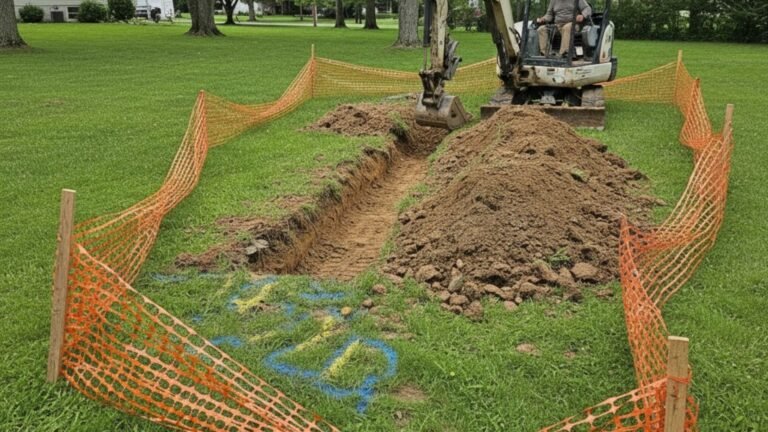
Days 1-2: Contractors mobilize equipment to the site, set up erosion controls like silt fencing around the work area, and mark utility locations based on 811 locates. They strip and stockpile topsoil from the foundation footprint and access routes. Layout stakes get placed to guide excavation boundaries and verify setbacks.
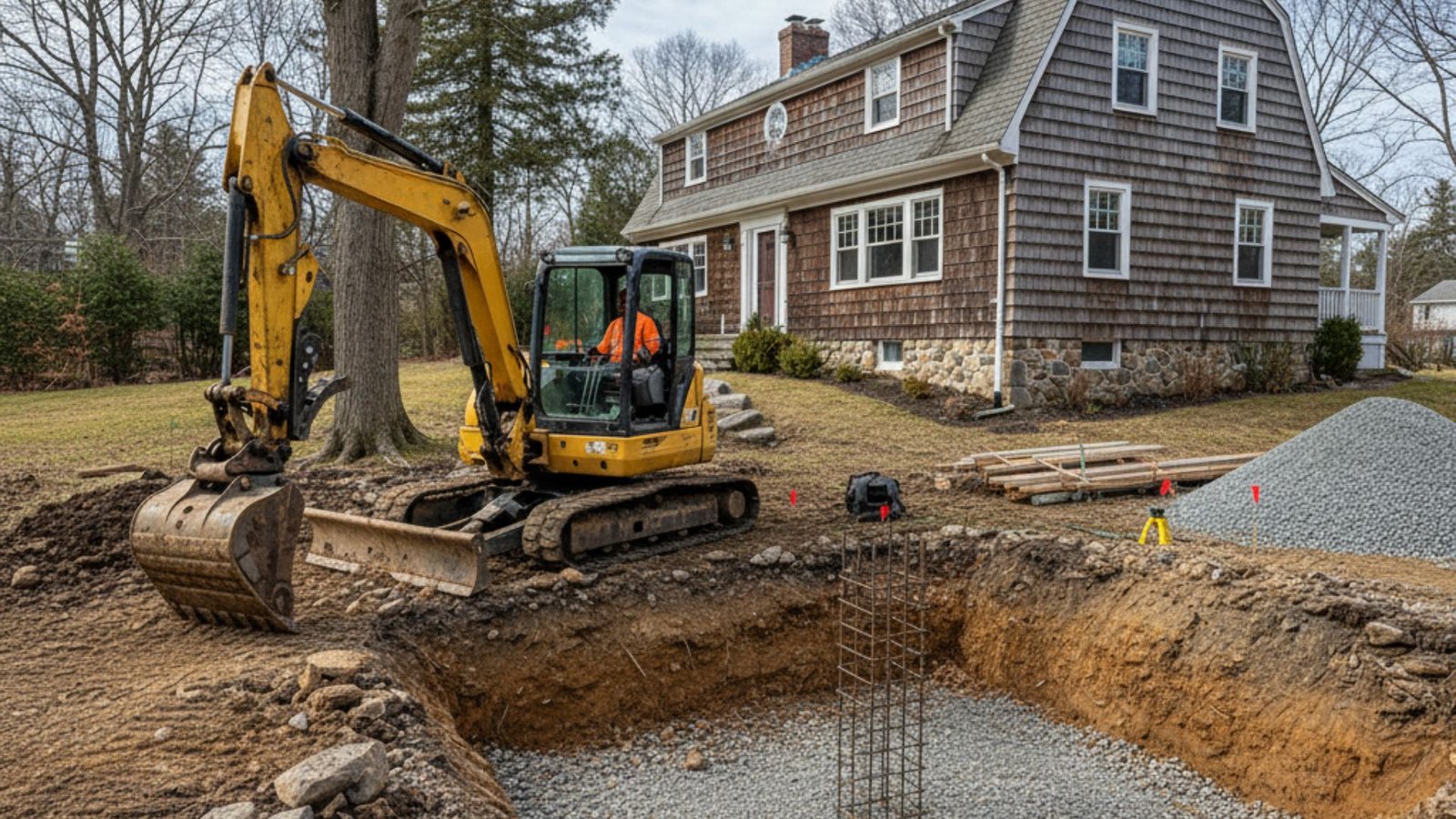
Days 3-5: Heavy excavation begins, with operators digging down to the required 42+ inch frost depth and creating trenches for footings. Soil gets benched or sloped at safe angles to prevent cave-ins. Excavated material either gets stockpiled on-site for later backfill or hauled away if unsuitable or excessive. Building inspectors verify excavation depth and soil conditions during this phase.
Days 6-10: Contractors install gravel bases in footing trenches for drainage and level bearing surfaces. They place rebar reinforcement and form boards, then pour concrete footings and foundation walls. Concrete needs 3-7 days to cure sufficiently before supporting backfill loads, though warmer weather accelerates this timeline while cool conditions extend it.
Days 11-14: After concrete reaches adequate strength, backfilling begins in controlled 12-inch lifts that get compacted to prevent future settlement. Contractors grade soil away from the foundation at the required slope for drainage, typically 5% over the first 10 feet. Final touches include removing forms, applying damp-proofing or waterproofing to foundation walls, and preparing for utility connections.
Days 15+: Site restoration concludes with finish grading, topsoil replacement, and seeding or straw application to stabilize soil and prevent erosion. Contractors remove temporary erosion controls after inspectors verify proper drainage and compaction. The lot remains somewhat rough until grass establishes, but active construction disruption ends.
Complex sites with challenging conditions can double these timeframes. Stepped foundations on slopes, engineered drainage systems, or extensive rock removal each add specific tasks that extend particular phases.
Key Steps in the Foundation Excavation Process
Each phase of foundation excavation builds on the previous one, creating a sequence that can’t be significantly accelerated without compromising quality or safety. Understanding what happens during each step helps you prepare for temporary inconveniences and recognize when work is progressing normally versus when delays might indicate problems.
Site Preparation and Layout
Before any digging begins, contractors coordinate with 811 services to locate underground utilities like electric, gas, water, sewer, phone, and cable lines. This free service marks approximate locations, though contractors often hand-dig test pits near marked utilities to verify exact positions before bringing in heavy equipment. Missing this step risks costly utility strikes that can pause your project for weeks while repairs happen.
Topsoil stripping removes the organic-rich upper 4-6 inches of soil that’s unsuitable for supporting foundations but valuable for final landscaping. Contractors stockpile this material in a designated area of your lot, often covering it to prevent erosion. They clear the building envelope of trees, stumps, and vegetation that would interfere with excavation or equipment access.
Layout stakes and string lines mark the exact foundation boundaries based on survey data and building plans. These guides ensure excavators dig in the right locations and maintain proper dimensions. Contractors verify setbacks from property lines and wetlands at this stage to catch any potential zoning violations before investing in excavation work. Installing silt fencing, construction entrances with stone to prevent mud tracking, and inlet protection keeps sediment on-site and demonstrates compliance with erosion control permits.
Excavation to Frost Depth
The main excavation phase removes soil to create a level base at the required depth for frost protection. Connecticut’s building code mandates minimum 42-inch depth below grade for footings, though this can increase to 48 inches or more in colder inland areas or on north-facing slopes where frost penetrates deeper. Excavators dig footings trenches typically 12-18 inches wide to accommodate concrete forms and working space.
Safety regulations require benching or sloping excavation walls at ratios like 1:2 (one foot horizontal for every two feet vertical) in typical soils to prevent cave-ins. Deeper excavations or unstable soils may need shoring or shielding systems to protect workers. These requirements add to the excavation footprint beyond just the foundation dimensions, expanding the initially disturbed area of your yard.
Boulder removal can significantly extend excavation time in Connecticut’s glacially deposited soils. Small rocks get loaded with excavated soil, while larger boulders may require hydraulic hammers to break them into manageable pieces or specialized equipment to extract them whole. Some contractors include rock removal allowances in their bids, while others charge additional fees based on actual quantities encountered.
Footing Pour and Backfill
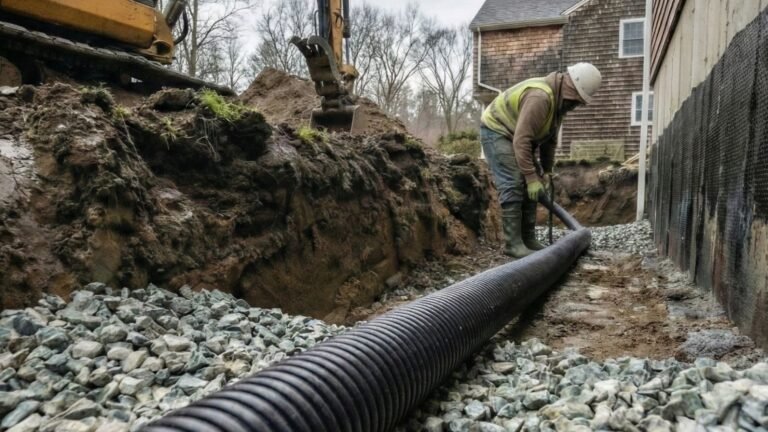
Once excavation reaches the proper depth and passes inspection, contractors prepare the base for concrete placement. A 4-6 inch gravel layer in footing trenches provides drainage and a level, stable surface. Rebar reinforcement gets positioned according to engineering plans, typically in a grid pattern that ties into vertical foundation wall reinforcement.
Concrete pouring follows specific procedures to ensure proper strength, including maintaining slump specifications, vibrating to remove air pockets, and protecting during curing. Footings typically pour separately from walls, with keyways formed into the top surface to lock walls in place. After footings cure sufficiently, usually 3-7 days depending on weather, contractors place forms and pour foundation walls.
Backfilling can begin once concrete reaches adequate strength to resist lateral pressure from soil. Contractors use clean fill material, often the excavated soil if suitable, placed in controlled lifts. Each 12-inch layer gets compacted to 95% of maximum density using plate compactors or jumping jacks before adding the next lift. This prevents settlement that could crack sidewalks, driveways, or basement floors later.
Final grading establishes drainage slopes away from the foundation, typically 5% grade (about 6 inches of drop over 10 feet) minimum. This critical step prevents water from pooling against foundation walls where it could leak into basements or crawl spaces. Contractors use laser levels or survey equipment to verify proper slopes before applying topsoil and seed.
Additional Steps for Complex Installs
Not all foundation excavations follow the straightforward timeline described above. Connecticut’s varied terrain and environmental regulations create situations where standard procedures need modification or additional work to meet code and ensure stability. These complications add time and cost but protect your home from preventable problems.
Managing Slopes, Wetlands, and Winter
Sites with slopes greater than 20% present significant challenges for foundation excavation. Contractors may need to create stepped or tiered footings that follow the natural grade while maintaining proper frost depth at each level. Retaining walls might be necessary to create level building pads or prevent soil erosion on cut slopes. These engineered solutions require additional planning, materials, and construction time compared to simple rectangular excavations on flat lots.
Wetlands regulations can require buffers of 75-100 feet from regulated watercourses depending on the resource type and local ordinances. If your lot includes wetlands or is near them, excavation contractors must work within approved disturbance areas and install enhanced erosion controls. Violations can result in stop-work orders and fines, so reputable contractors carefully follow permit conditions even though they may limit equipment access or staging areas.
Winter excavation remains possible in Connecticut with proper planning. When air temperatures drop below 40°F, concrete requires protection during curing to develop proper strength. Contractors use insulated blankets, temporary heated enclosures, or special admixtures to prevent freezing. Ground frost can make excavation difficult or impossible, requiring contractors to wait for thaws or use ground heaters. These measures add 3-7 days to typical timelines and increase costs, which is why many homeowners schedule foundation work during warmer months.
Finishing and Site Restoration
After backfilling completes and concrete cures fully, contractors perform finish grading to prepare your lot for landscaping. This includes spreading stockpiled topsoil over compacted subgrade, fine-grading to eliminate low spots where water might pond, and establishing proper drainage paths. Swales or grading may direct runoff to appropriate discharge points like streets or storm drains.
Erosion control transitions from temporary construction measures to permanent stabilization. Contractors apply grass seed or hydroseeding across disturbed areas, then cover with straw or erosion control blankets to protect soil until vegetation establishes. Some municipalities require specific seed mixes or mulching methods, particularly near wetlands or steep slopes.
Debris removal and cleanup mark the final phase. Contractors haul away excess excavated material unsuitable for backfill, remove construction fencing and erosion controls after final inspections, and restore temporary access routes. Your lot transitions from an active construction zone to a prepared building site ready for framing or, if this was an addition or garage foundation, back to your regular yard space.
Permits, Utilities, and Regulations in Connecticut
Connecticut’s regulatory framework for foundation excavation aims to protect homeowners, neighbors, utilities, and natural resources. While permits and inspections add time to your project, they provide verification that work meets minimum safety and quality standards. Understanding what’s required helps you budget appropriate timeline and cost allowances.
Zoning and Utility Coordination
Municipal zoning regulations establish setback requirements from property boundaries, streets, and sometimes between buildings on the same lot. These setbacks ensure adequate access for fire safety, prevent overcrowding, and maintain neighborhood character. Zoning permits verify that your planned foundation complies with these requirements before excavation begins. Application fees typically range from $100-500 depending on the municipality and project scope, with review periods of 2-4 weeks for straightforward applications.
Lots near wetlands or watercourses require additional permits from local inland wetlands agencies or Connecticut’s Department of Energy and Environmental Protection for larger projects. These permits evaluate whether excavation and construction will harm regulated resources and often impose conditions like buffer zones, erosion control measures, or mitigation plantings. The review process can extend 6-8 weeks for complex applications requiring detailed environmental assessments.
Calling 811 to request utility locates isn’t just recommended, it’s required by law before excavation. This free service coordinates with utility companies to mark underground lines within 2-3 business days of your request. While locates show approximate utility positions, Connecticut law protects contractors who hand-dig near marked utilities before using mechanical equipment. Failure to request locates can result in fines and liability for any utility damage.
Connecticut’s spite laws provide remedies if neighbors attempt to interfere with legitimate excavation through harassment or by erecting structures solely to cause annoyance. Courts can order removal of spite fences over 6-10 feet built without functional purpose, protecting homeowners who need reasonable access for construction equipment and materials.
What Homeowners Should Prepare For and Do
Your active participation can help foundation excavation proceed smoothly and minimize disruptions to your daily life. While contractors handle the technical work, several homeowner responsibilities and preparations make their job easier and protect your interests.
Daily Expectations During Excavation
The first days of excavation typically generate the most noise, dust, and visible disruption. Heavy equipment operating from early morning through afternoon creates noise levels similar to lawn mowers or chainsaws, though some municipalities restrict construction hours to protect neighbors. Dust control becomes important during dry weather, with contractors sometimes spraying water on haul roads and work areas.
Expect limited access to parts of your yard during active excavation. Contractors need clear paths for equipment and material deliveries, which may temporarily block driveways or require parking on the street. Moving vehicles and open excavations create safety hazards, so keeping children and pets away from work areas protects everyone. Most contractors can provide 24-hour notice before critical phases like concrete deliveries that require driveway access.
Inspection schedules drive some of the start-stop nature of excavation work. Contractors dig to required depths, then pause while building inspectors verify proper depth and soil conditions before proceeding to footing installation. Similarly, they’ll wait for approval after placing rebar and forms before pouring concrete. These pauses may seem inefficient but provide crucial verification that work meets code requirements.
Approving layouts and final grades yourself provides an opportunity to verify that the foundation will be positioned where you expect and that drainage slopes direct water appropriately. While contractors work from approved plans, catching any discrepancies early prevents costly changes after concrete is poured.
Tips to Minimize Yard Disruptions
Pre-marking any private utilities like irrigation systems, invisible dog fences, or landscape lighting gives contractors awareness beyond what 811 locates provide. Most utility locate services only mark public utilities up to your property line, leaving private systems vulnerable to accidental damage during excavation.
Clearing your yard of items like play equipment, patio furniture, or decorative elements before excavation begins prevents damage and gives contractors maximum working space. Stone borders, landscaping timbers, or plantings near the foundation area may need temporary removal and protection for later reinstallation.
Scheduling excavation during Connecticut’s drier seasons (late spring through early fall) when possible reduces mud and minimizes restoration time. Grass establishes more quickly from seeding during these periods, shortening the time your yard looks torn up. Winter excavation remains feasible but creates additional challenges with frozen ground, snow management, and extended concrete curing times.
Communicating with neighbors about the upcoming work and approximate timeline can prevent complaints and maintain good relationships. Most excavation projects generate some temporary inconvenience, but advance notice and respect for noise restrictions demonstrate consideration for those living nearby.
Process Comparison Table: Simple vs. Complex Foundation Excavation in CT
| Phase | Simple (Flat Lot) | Complex (Slope/Wetlands) |
|---|---|---|
| Prep & Layout | 1-2 days | 3-5 days with permits |
| Main Excavation | 2-3 days | 4-7 days for tiered footings |
| Pour/Backfill | 4-7 days including cure time | 7-10 days with shoring needs |
| Total Timeline | 7-14 days active work | 14-28 days total |
Common Mistakes Homeowners Make During Foundation Excavation
Skipping geotechnical soil testing before excavation can lead to costly surprises when contractors encounter poor bearing capacity soils that require over-excavation and engineered fill. Foundation failures from inadequate soil investigation cause settlement, cracking, and expensive repairs that far exceed the cost of upfront testing. A $500-1,000 soil investigation provides crucial information about bearing capacity, frost susceptibility, and drainage characteristics that inform proper foundation design.
Ignoring wetlands buffer requirements because they seem inconvenient or overly restrictive invites enforcement actions from environmental agencies. Violations can result in stop-work orders, fines up to $25,000 per day, and requirements to restore disturbed wetlands at significant expense. Working with environmental consultants during site planning identifies constraints before you invest in excavation contractors and concrete.
Providing poor equipment access forces contractors to use smaller, less efficient machinery or hand-dig portions of the excavation. This significantly increases labor costs and extends timelines compared to sites where excavators and dump trucks can maneuver freely. Temporary driveway improvements or easement agreements with neighbors often pay for themselves through reduced excavation costs on challenging lots.
Proceeding without required inspections at key stages like excavation depth verification or backfill compaction can result in orders to expose completed work for inspection or, worse, remove and redo non-compliant foundations. Building inspectors verify compliance at specific milestones, and their sign-offs protect both you and future buyers by documenting that work meets code requirements.
Preparing Your Property for Foundation Excavation in CT
Calling 811 at least 2-3 business days before scheduled excavation gives utility companies time to mark underground lines. Keep in mind that locates typically expire after 30 days, so if your project experiences delays, you may need to request remarking before excavation resumes. Document locate marks with photos in case they get disturbed during site clearing or equipment mobilization.
Hiring professional surveyors to establish property boundaries and verify setbacks prevents costly mistakes from excavating beyond your property or violating zoning requirements. Survey stakes provide contractors with accurate reference points for foundation layout and help resolve any boundary disputes with neighbors before work begins. The $800-1,500 investment in a survey protects against much larger problems later.
Stockpiling topsoil separately from subsoil preserves the organic-rich material for final grading and landscaping. Mixing these soil types dilutes topsoil quality and creates subgrade that’s difficult to compact properly. Contractors should clearly designate stockpile areas that won’t interfere with equipment access or drainage during the excavation phase.
Reviewing your homeowner’s insurance policy before excavation begins confirms coverage for potential issues like utility damage, adjacent property settlement, or weather-related foundation damage during construction. Some policies exclude coverage for construction-related incidents or require separate builder’s risk policies. Understanding your coverage prevents surprises if problems occur during excavation.
Frequently Asked Questions About excavation contractors for house foundation
Q: What is the typical foundation excavation process in Connecticut?
A: The process starts with site preparation including utility locates, permit verification, and erosion control installation. Contractors then excavate to Connecticut’s required 42-inch minimum frost depth, pour and cure concrete footings and walls, backfill in compacted layers, and complete final grading with drainage slopes. Most residential projects complete active excavation and foundation work in 1-3 weeks, depending on site complexity, weather conditions, and inspection schedules.
Q: How long does concrete curing take during excavation?
A: Concrete footings and walls need 3-7 days to cure sufficiently before contractors can safely proceed with backfilling. Warmer temperatures accelerate curing, while cool weather or winter conditions extend the timeline. During cold weather below 40°F, contractors use insulated blankets or heated enclosures to protect concrete and maintain proper curing conditions, which can add several days to the process.
Q: Are permits required for foundation excavation in Connecticut?
A: Yes, building permits verify compliance with Connecticut’s residential building code including frost depth and structural requirements. Sites near wetlands or watercourses require additional inland wetlands permits from local or state agencies. Zoning permits confirm setback compliance from property boundaries. Building inspectors verify excavation depth, footing placement, and backfill compaction at specific milestones before allowing work to proceed.
Q: What should I expect on excavation day one?
A: The first day typically involves equipment mobilization, final site clearing, installation of erosion controls like silt fencing, and foundation layout with stakes and string lines. Contractors verify utility locate marks and may hand-dig test pits near marked utilities. Heavy excavation usually doesn’t begin until day two, after all preparations are complete and any required pre-excavation inspections have occurred. Noise and equipment activity will be noticeable but major yard disruption remains limited.
Q: How can I prepare my yard for foundation excavation?
A: Remove yard furniture, play equipment, and decorative items from the work area. Mark private utilities like irrigation systems or landscape lighting that public utility locates won’t identify. Clear access routes for heavy equipment and material deliveries. Communicate with neighbors about the upcoming work and timeline. Consider temporary fencing if you have pets or young children to keep them away from the active work zone and open excavations.
Q: What happens if contractors encounter rock or boulders during excavation?
A: Connecticut’s glacially deposited soils commonly contain boulders that require removal for proper foundation installation. Contractors use hydraulic hammers to break larger rocks into manageable pieces or specialized equipment to extract them whole. Rock removal adds time and often cost to excavation, typically 1-3 days depending on the quantity and size encountered. Reputable contractors include rock removal allowances in their bids or clearly explain potential additional charges before work begins.
Q: How do slopes or wetlands affect foundation excavation timelines?
A: Sites with slopes greater than 20% may require stepped footings, retaining walls, or engineered drainage systems that add complexity and time to excavation. Proximity to wetlands requires special permits and enhanced erosion controls that can extend permitting by 4-6 weeks and limit equipment access during construction. These factors often push total project timelines to 3-4 weeks compared to 1-2 weeks for simple, flat sites with no environmental constraints.
Final Thoughts
Foundation excavation represents a critical phase in building your Connecticut home, where 42-inch frost protection requirements and careful site management come together to create lasting stability. Professional excavation contractors coordinate permits, navigate wetlands buffers, manage stormwater controls, and sequence work to deliver predictable 1-3 week yard disruptions followed by complete site restoration. Understanding the progression from utility locates through final seeding resolves those “how long will my yard stay torn up?” worries that keep homeowners awake at night.
When you’re ready to move forward with your foundation excavation project, partnering with experienced local contractors makes all the difference. Prestige CT Excavation & Drainage brings deep knowledge of Connecticut’s soil conditions, zoning requirements, and building codes to residential foundation projects throughout the region. Their team handles everything from initial permit coordination through final grading and restoration, keeping you informed at every phase while minimizing disruption to your property. Contact Prestige CT Excavation & Drainage today for a detailed consultation about your specific site conditions and a transparent timeline for your foundation excavation project.