

Land Development & Clearing
Stump Grinding in Oxford, CT and the Surrounding Area
Prestige Property Maintenance grinds stumps below grade so your yard is ready for seeding, grading, or new construction, without pulling root masses and tearing up the ground you want to keep.
What Is Stump Grinding and What Do You Get?
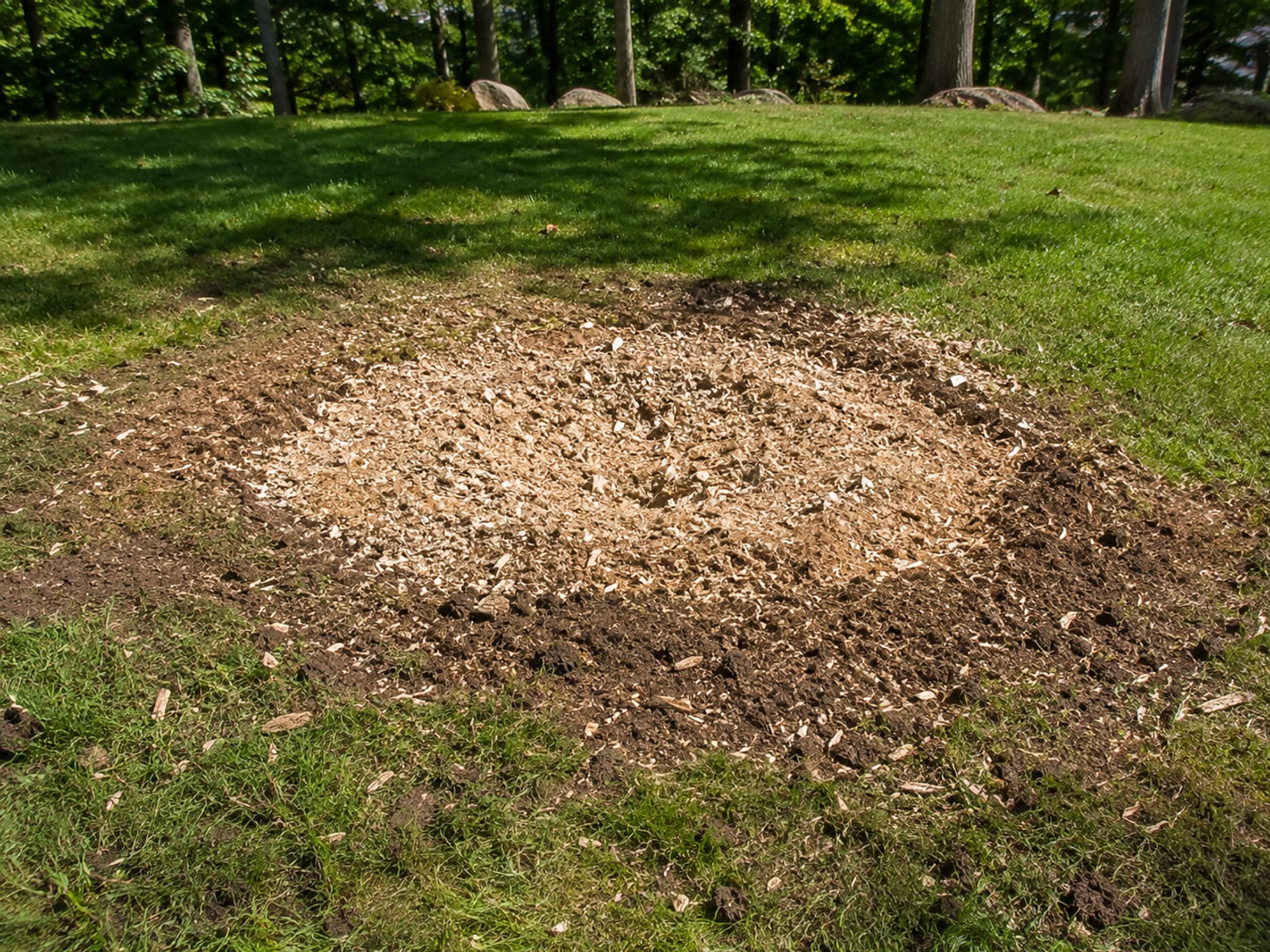
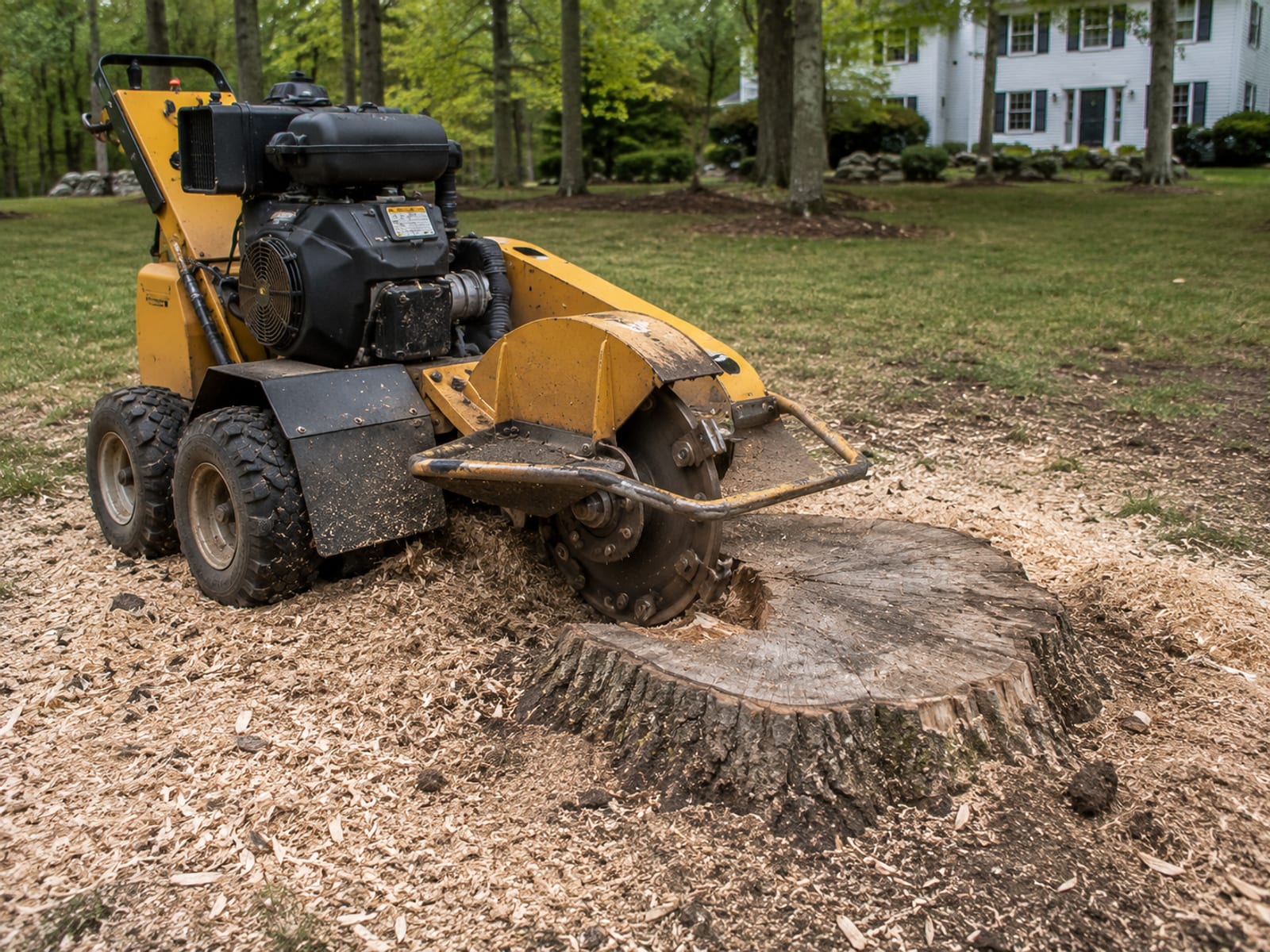
Stump grinding is the mechanical removal of a tree stump by cutting it down below the surrounding soil grade using a rotating cutter wheel. The process leaves the root system in the ground but eliminates the stump and reduces it to wood chips, so the area can be backfilled, seeded, graded, or built over without obstruction. Most residential stumps can be ground in a single visit, and the finished result is a flush or slightly below-grade surface that blends back into the yard far more cleanly than a stump pulled by excavator.
For most homeowners in Oxford, Seymour, Southbury, and across the Naugatuck Valley, this is the right call. Full stump extraction pulls the entire root ball, which means digging a crater several feet wide and deep, hauling material off the property, and regrading a much larger area. Grinding keeps soil disturbance small, speeds up the whole job, and gives you a workable surface faster. If your plan is to replant, reseed, grade, or build on the cleared area, stump grinding gets you there with less disruption and less mess.
Why Leaving Stumps in Place Causes More Problems Over Time
A stump sitting at or above grade does more than look unfinished. It becomes a tripping hazard, a mowing obstacle, and a magnet for decay organisms like carpenter ants, termites, and wood rot fungi. As the root system dies and decomposes, it can create soft spots and uneven ground in areas you plan to use. If you are replanting in the same space, the decaying root mass competes with new growth and can host disease that spreads to healthy trees nearby.
On properties with larger lots, stumps left from old clearing work or storm damage also complicate any future grading, drainage, or construction. A drainage contractor installing a French drain, for example, may not be able to run pipe where a buried stump and root mass are blocking the intended path. Addressing stumps before grading and drainage work begin avoids that kind of rework later.
Connecticut's rocky, glacial soil already makes site prep more complicated than most parts of the country. Buried root systems in clay-heavy or ledge-prone ground can create unpredictable soft zones as they break down over years. Getting stumps ground out and properly backfilled keeps the ground beneath your lawn, garden, or building pad stable and predictable.
How Stump Grinding Works at Prestige Property Maintenance
Every stump grinding job follows a consistent sequence designed to protect the property, keep the work area safe, and leave a clean finished surface.
Site Review and Access Planning
Before any cutting begins, the crew reviews the stump location, size, and species if identifiable, along with the surrounding property. That includes access paths, slope, proximity to structures, fencing, hardscape, overhead lines, and any soft or wet ground that could affect equipment movement. On Connecticut lots with stone walls, narrow side yards, or sloped lawns, this step is what prevents property damage.
Utility Marking
Connecticut's Call Before You Dig program (dial 811 or 1-800-922-4455) allows utility companies to mark buried lines before ground work starts. Because stumps can sit near buried irrigation, landscape lighting wire, septic components, or utility services, this step is part of the standard process. Work does not begin in areas with unmarked underground risk.
Work Area Preparation
Loose rocks, metal stakes, debris, and any objects that could become projectiles when the cutter wheel is running are cleared from the work area. Pets and people are kept well clear of the grinding zone. If existing lawn, hardscape, or plantings need protection from flying chips, that gets addressed before the machine starts.
Grinding to the Right Depth
The stump is ground in controlled passes. The target depth depends on what the area will be used for after the work is done. A surface that will be mulched or replanted with garden beds may need less depth than a surface being prepared for grading, lawn restoration, or light construction. The right depth is matched to the actual end use, so grinding does not disturb more soil than necessary.
Chip Management and Backfill
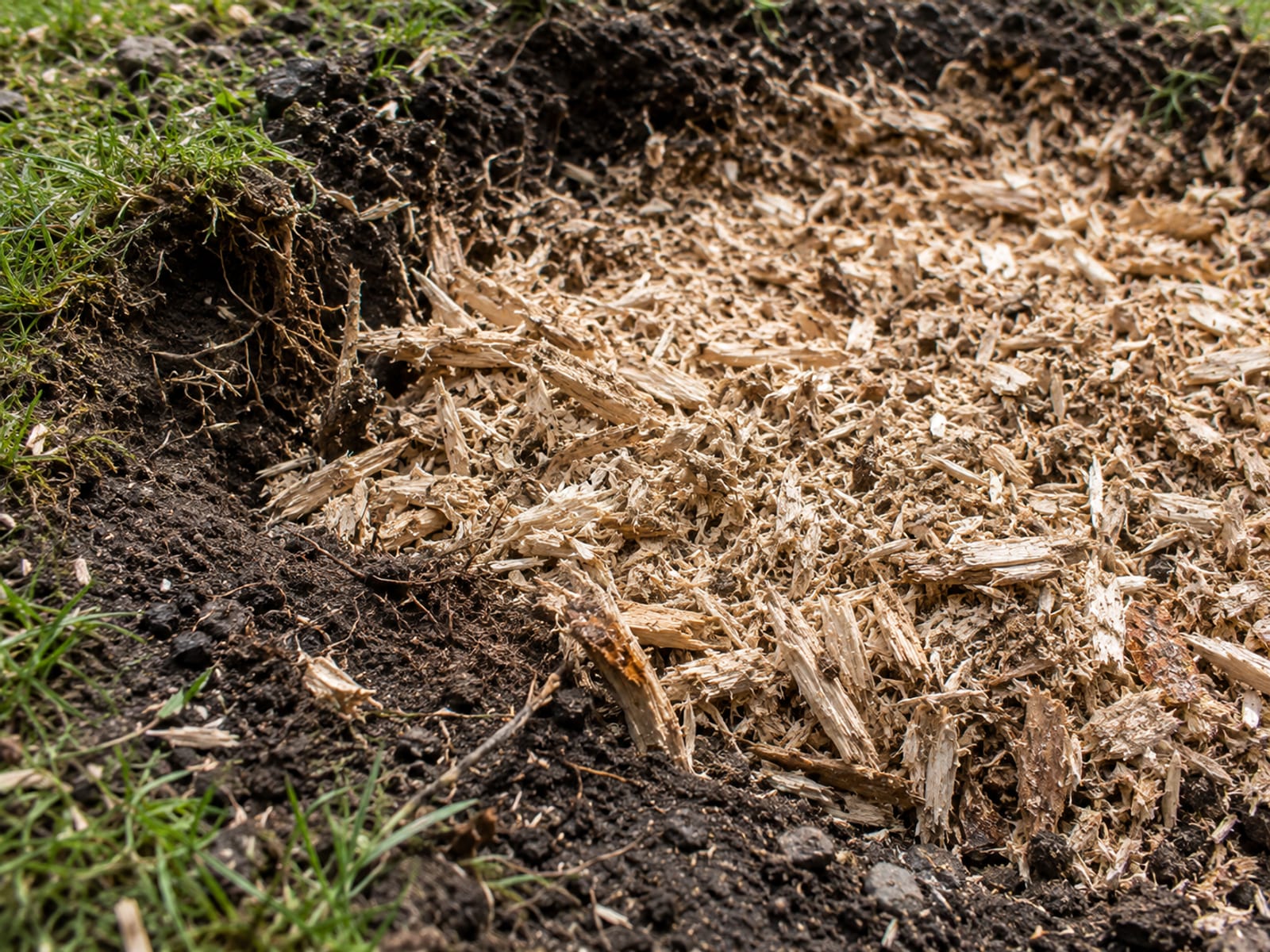
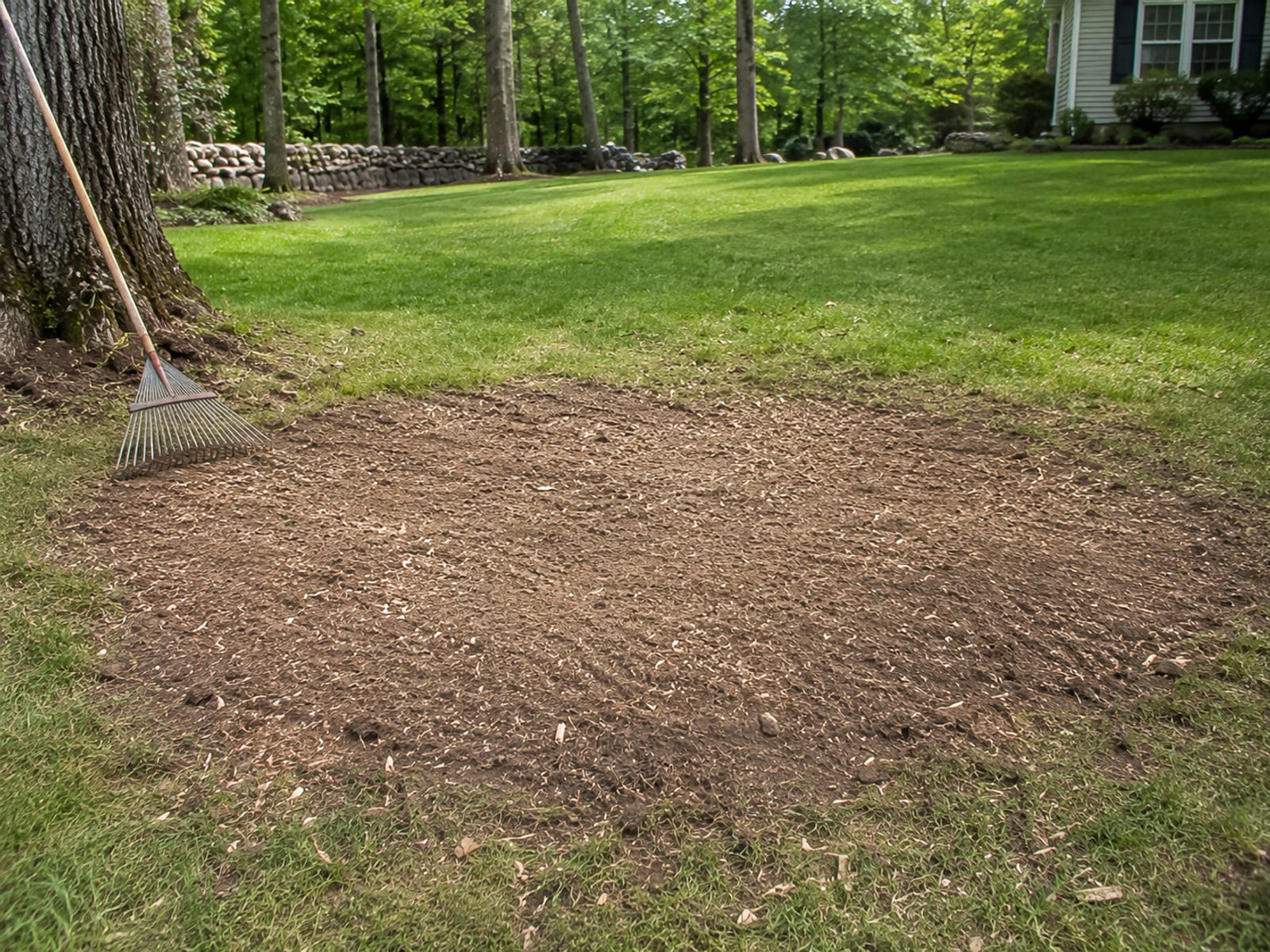
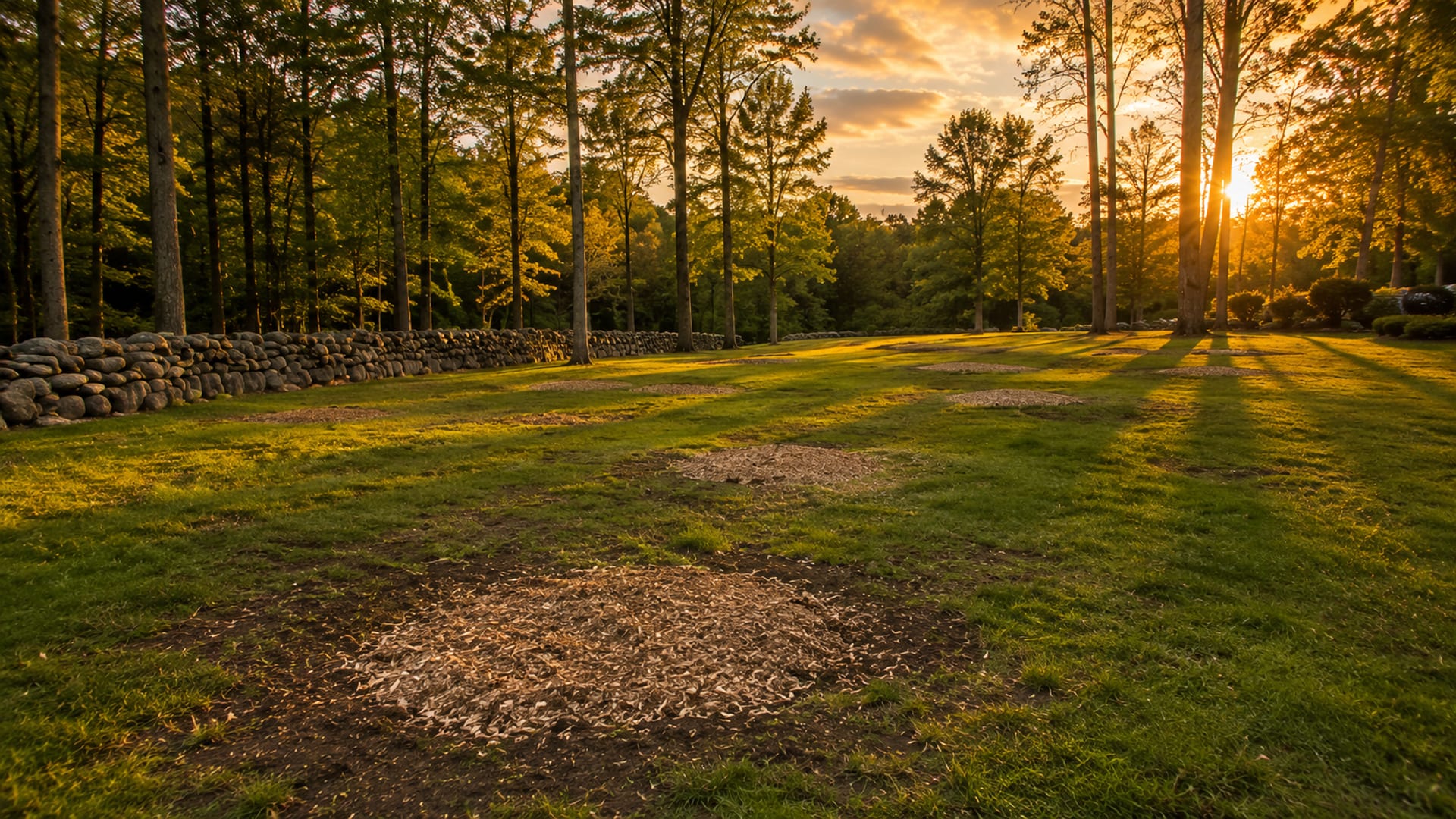
Grinding produces a pile of wood chips mixed with soil. Those chips can be used to loosely fill the void left by the stump, raked in, or removed depending on what you need. If the area is going to be seeded or graded to a finished surface, Prestige Property Maintenance can discuss backfill options that account for settling as the chips and remaining root material break down over the following months.
Coordination with Larger Site Work
When stump grinding is part of a bigger project, whether that is land clearing, grading, drainage installation, or landscape construction, the sequence matters. Grinding before grading means the grader is not working around stumps or risking equipment damage on buried wood. When Prestige Property Maintenance handles the full sequence, the schedule is built so each phase sets up the next one cleanly.
When Stump Grinding Is Part of a Bigger Project
Most stump grinding calls in the Naugatuck Valley are not standalone requests. A homeowner clears a few trees after a storm and now has stumps in the way of a lawn they want to restore. A developer needs to open a wooded parcel for construction and wants all stumps reduced before grading equipment comes in. A property owner is planning a new driveway and there is an old stump sitting right where the subbase needs to go.
Prestige Property Maintenance handles stump grinding as part of the full site sequence, not as an isolated service handed off to a separate crew. When tree removal, land clearing, grading, drainage, and landscape construction are all happening on the same property, coordinating the stump work within that sequence saves time and prevents rework that happens when different contractors are not communicating. The stump gets ground out before the grader moves through, the chips are dealt with before drainage pipe goes in, and the surface is left ready for the next phase.
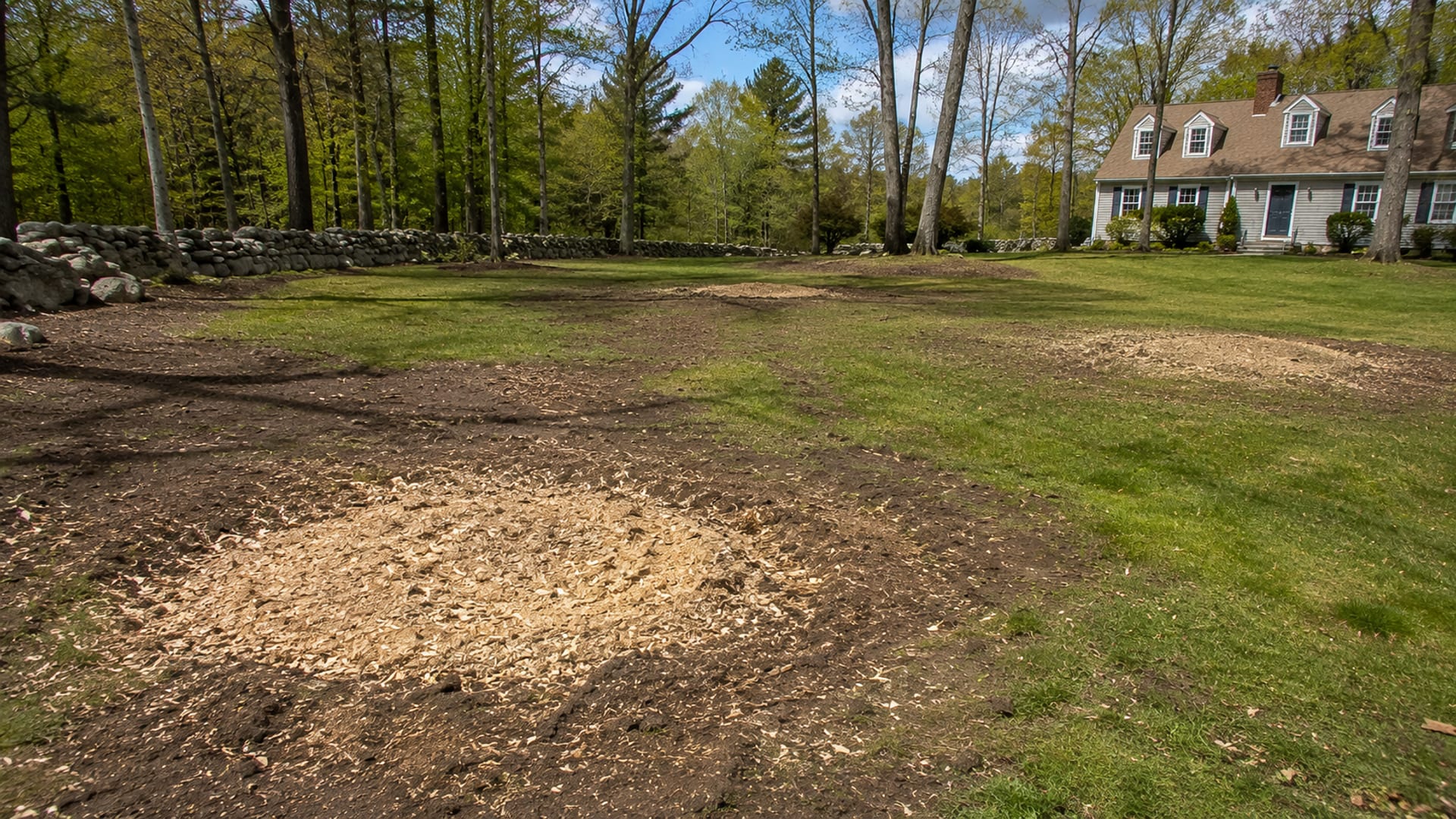
For properties where tree removal is also needed, combining that work with stump grinding under one crew eliminates the scheduling gap that typically comes up when a tree service and an excavating contractor have to hand off a job. Trees come down, stumps get ground, and the property moves to the next phase without a waiting period between contractors.
What to Know About Stump Grinding on Connecticut Properties
Connecticut soil conditions affect stump grinding work in ways worth knowing before you schedule the job. The glacial deposits that blanket much of the Naugatuck Valley mean buried boulders, ledge rock, and clay-heavy soil are common just below the surface. On properties with rocky ground, crews need equipment with replaceable cutting teeth and the experience to identify where rock is close to the stump base before grinding depth creates a conflict.
Properties near wetlands, watercourses, steep slopes, or areas with conservation restrictions may need local review before land disturbance work begins, even for stump grinding. Connecticut's inland wetlands regulations are administered at the municipal level, and the rules vary from town to town. If you are unsure whether your property has any wetlands setback requirements, a quick check with your town's inland wetlands agency before the crew shows up is worth the time. Prestige Property Maintenance works across 17 Connecticut towns and has familiarity with the general patterns, but a full regulatory determination is always the property owner's responsibility to confirm.
For larger clearing projects involving multiple stumps, steep slopes, or proximity to drainage paths, soil erosion and sediment control considerations may also come into play during the site disturbance phase. That is another reason to plan stump grinding, clearing, and grading together rather than separately, so the site management approach covers the whole project from the start.
Why Property Owners Across the Naugatuck Valley Choose Prestige Property Maintenance
Prestige Property Maintenance has been working in Oxford, Seymour, Southbury, Shelton, Naugatuck, Newtown, and the surrounding towns since 2015. Licensed and insured, with equipment operators who know how to work Connecticut terrain, the company brings site-specific planning to every job. The properties out here are not flat suburban lots with easy access. They have slopes, stone walls, wet corners, narrow gates, long driveways, and tree lines that have been there for decades. Operators unfamiliar with this kind of terrain make mistakes that damage property or leave a site in worse shape than before the job started.
Work does not start until utilities are marked, access is planned, and the crew has walked the site. That is not extra caution; it is how professional site work is supposed to run.
Prestige Property Maintenance also handles the services that typically need to follow stump grinding: grading, land clearing, drainage solutions, landscape construction, and retaining wall construction. If you are calling about a stump but the real goal is a restored lawn, a new driveway bed, or a cleared lot, the conversation can start with the stump and end with a plan that covers the whole project.
Stump Grinding Questions We Hear Often
Straight answers to the questions that come up most when homeowners are planning stump grinding work in Connecticut.
What is the difference between stump grinding and stump removal?
Stump grinding cuts the stump down below the soil surface with a mechanical cutter wheel, leaving the root system in the ground to decay naturally over time. Stump removal means excavating the entire root ball out of the ground, which creates a much larger hole, requires more equipment and labor, and leaves a bigger area to backfill and regrade. For most residential applications, grinding is the right choice because it is faster, less disruptive to the surrounding yard, and still allows the area to be seeded, graded, or built over.
How deep does stump grinding go?
Standard grinding depth typically runs from four to twelve inches below grade, depending on the stump size, species, and the planned use of the area after the work is done. A lawn area being restored with topsoil and seed may need less depth than a surface being prepared for a gravel driveway subbase or light site construction. The right depth gets matched to the actual end use rather than a fixed number, because grinding deeper than necessary creates more chips and more backfill work without additional benefit.
Do I need a permit to have a stump ground on my property in Connecticut?
A single stump in an open lawn area generally does not require a permit, but the answer changes if the work is near wetlands, watercourses, steep slopes, regulated setback zones, or right-of-way areas. Connecticut's inland wetlands rules are enforced at the municipal level, so requirements vary by town. If your property has any wetlands markers, if clearing or grading is also part of the project, or if you are unsure about your lot's restrictions, a quick call to your town's inland wetlands or land use office before work begins is the right move.
Does stump grinding kill the roots?
Grinding removes the stump and the surface wood but leaves the root system below grade to decay on its own. For most tree species, cutting off the stump this way does effectively stop regrowth because the tree can no longer produce new shoots from a ground-level point. Some species, including certain oaks and maples, can sometimes sprout from surface roots for a period after grinding, but this is not common. If regrowth is a concern for a specific tree species, that is worth discussing when you schedule the job.
What happens to the wood chips after the stump is ground?
The grinding process produces a mix of wood chips and soil that fills the void where the stump was. Those chips can be used as loose backfill in the hole, spread around nearby planting areas as mulch, or removed from the property depending on the property owner's preference and the planned finish for the area. If the area is going to be graded and seeded, the chip material will need to be supplemented with topsoil and allowed to settle, since chips decompose and can cause the surface to drop slightly over the first season.
Can a stump be ground if it is close to my house, driveway, or a stone wall?
Compact stump grinders can work in tight spaces that larger equipment cannot reach, including narrow side yards, areas near foundations, and spots close to hardscape or fencing. The key is proper site review before the job starts so the crew chooses the right machine for the access conditions and plans the grinding angle to direct chips away from structures. Stumps very close to foundations, buried utilities, or below-grade structures like septic tanks or dry wells require extra care and may affect how deep grinding can safely go.
Should I call 811 before stump grinding work starts?
Yes. Connecticut's Call Before You Dig program requires utility notification before any ground-disturbing work, and stump grinding qualifies because the cutter wheel can go a foot or more into the ground. Calling 811 or 1-800-922-4455 gets utility companies to mark the locations of buried lines, pipes, and cables at no charge. This step is especially important if the stump is near a property line, close to the house, or in an area where irrigation, landscape lighting, or other buried services may run.
Ready to Get Rid of That Stump? Call Prestige Property Maintenance
Phone: (203) 258-3395 Email: dig@prestigectexcavation.com Hours: Monday through Saturday, 7AM to 5PM