Drainage Excavation Services in Middlebury Connecticut
When you notice water pooling near your foundation after a storm or find yourself stepping into soggy patches every time you walk across the lawn, the mental image of drainage excavation CT contractors bringing in heavy equipment can feel overwhelming. Connecticut homeowners face a common concern: they picture weeks of trenches, mud tracked everywhere, and a yard that looks like a construction zone until the project wraps up. The reality of professional drainage work in Connecticut looks quite different from those worries, thanks to state stormwater guidelines and federal site preparation standards that shape how contractors plan, dig, and restore your property. Heavy rainfall events across the Northeast have increased by more than 70% since the mid-20th century, which means your drainage concerns are part of a larger climate pattern affecting Middlebury and surrounding towns. Understanding the actual timeline and process can help you feel confident about protecting your home from water damage, basement seepage, and soil erosion without the extended disruption you might fear.
Key Takeaways
- Most Yards Aren’t Torn Up for Weeks: The intensive digging and installation window typically lasts only the core excavation days, with longer timelines tied to planning, permitting, and lawn regrowth rather than open trenches sitting exposed.
- Drainage Fixes Protect Foundations and Lawns: Connecticut stormwater guidance and housing standards stress grading and drainage that move water away from the home to prevent flooding, erosion, and structural damage over time.
- Local Rules and Wetlands Can Add Steps: Middlebury and other CT towns apply state stormwater and inland wetlands rules, so projects near streams or wet areas may need municipal approval before digging starts.
- Careful Crews Minimize the Mess: Erosion controls, controlled access routes, and prompt backfilling are standard expectations under CT stormwater and construction guidance, helping keep mud and disturbance contained to the work zone.
- Restoration Takes Longer Than Excavation: The yard often looks “under construction” only for a short period; most of the visible recovery time is the lawn re-establishing after grading and seeding rather than active digging.
Understanding Drainage Excavation in Connecticut
Professional drainage excavation in CT focuses on reshaping how water moves across your property so it complies with modern stormwater expectations and protects your home from moisture damage. Connecticut’s stormwater manual emphasizes planning and design that limit runoff impacts through grading adjustments, infiltration practices, and structural drainage systems that handle heavy rainfall without overwhelming your yard or foundation. When contractors assess your site, they document slopes, existing drainage patterns, soil conditions, and any wet areas that might signal groundwater issues or nearby wetlands. This upfront work shapes the entire project and helps prevent surprises once digging begins.
The goal of any drainage project is to direct water away from structures and into appropriate discharge points like swales, drains, or infiltration areas. Federal housing guidance notes that poor grading and surface water control can cause flooding on the site and neighboring properties, which is why Connecticut stormwater standards require systems that control both runoff quantity and quality using best management practices. For homeowners in Middlebury, this means your drainage fix is designed not just to solve today’s puddle problem but to handle the heavier storms that climate trends suggest will become more common over your system’s lifespan.
Local Drainage Challenges in Middlebury and Surrounding CT Towns
Hilly lots, seasonal snowmelt, and heavier downpours can send stormwater toward foundations, driveways, and low lawn areas instead of safely off site. Properties with slopes that direct water toward the house, compacted soils that resist infiltration, or old drainage systems that no longer meet modern capacity needs often experience recurring wet basements, soggy turf, and ice buildup near walkways during winter. Federal climate information shows that the Northeast has already experienced a large increase in heavy precipitation events, which strains older residential drainage setups that were designed for less intense rainfall patterns.
Older properties may lack structured drainage that meets current CT stormwater and erosion guidance, leading to ponding in low spots, erosion channels cutting across lawns, and basement seepage that excavation-based solutions are designed to fix. Many homes in Connecticut were built before modern stormwater regulations took effect, so adding French drains, regrading yards, or installing new outlet systems often becomes a practical way to bring aging properties up to current performance expectations without major structural changes.
How Long Does Drainage Excavation Really Take?
The question “How long will my yard be torn up?” can be broken into phases that help you understand where time goes. The physical disruption—open trenches, equipment moving around, soil piles sitting on the lawn—typically lasts only a short window within the overall project timeline. Most of the extended time frame involves planning, any needed permit reviews, and then restoration work like seeding or sodding that lets the yard heal rather than keeping it torn up.
National vs. Connecticut Project Timelines
Across the country, small residential drainage corrections can often be installed over a handful of workdays once crews start digging. Connecticut jobs must also account for local stormwater criteria, soil limits, and wetland protections that can add steps to the process. In practice, the full project window includes an initial assessment and design phase, any needed municipal review (especially for work near wetlands or streams), the intensive excavation days when trenches are open and systems are installed, and then restoration and lawn recovery that may stretch over weeks or months as grass re-establishes.
Only a short slice of that period involves open trenches and heavy disturbance, with the rest of the time spent on tasks that happen on paper or involve light landscaping work rather than major earth moving. Understanding this phased timeline can help set realistic expectations about when your yard looks its worst versus when it is simply in a recovery period.
Phase-by-Phase “Yard Disruption” View
Planning and approvals: Site walks, drainage design, and potential wetlands review happen on paper and do not disturb the lawn. If your project is near a stream, pond, or mapped wetland area, Connecticut’s inland wetlands framework may require a municipal permit before any digging starts, but this review does not involve physical work on your property. Design activities include mapping drainage areas, selecting appropriate BMPs, and confirming hydraulic capacity, all of which lay the groundwork for efficient installation once crews arrive.
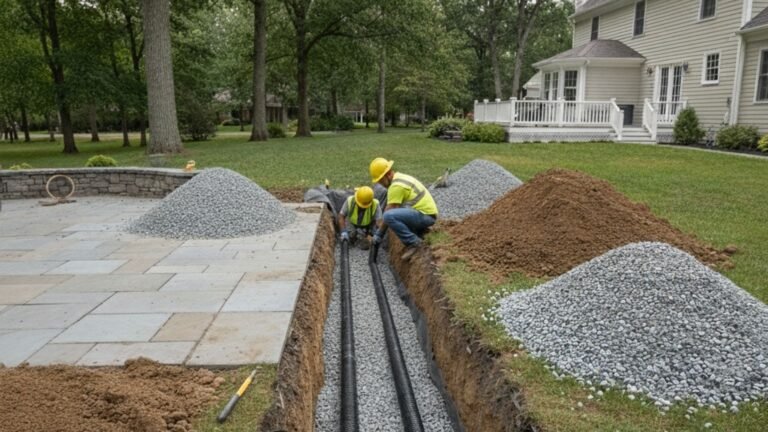
Active excavation and installation: This phase represents the highest impact days, when trenches are opened, drainage structures and piping are installed, and your yard looks most like a construction site. Contractors are expected to maintain safe trench walls, manage surface water to protect adjacent areas, and work efficiently to minimize how long excavations remain open in line with safety and construction standards. During this period, you will see equipment tracks, soil piles, and open trenches that can feel unsettling, but careful planning and coordination typically keep this window short relative to the overall project.
Backfill and rough grading: Trenches are closed with compacted fill, and the yard shifts from “construction site” to newly graded bare or lightly vegetated soil. Proper backfilling in layers protects adjacent property and prevents later settling, while rough grading restores the general slope and surface contours. At this stage, the yard no longer has open holes, but it will look freshly worked and unfinished until final landscaping steps are complete.
Restoration and regrowth: Seeding or sodding stabilizes soil per stormwater guidance that emphasizes vegetative cover, and turf fills in over a growing season for seeded lawns. Full lawn renovation typically takes a growing season under normal conditions, meaning that while the heavy construction phase may last only days, the visual recovery period can extend weeks or months as grass establishes and fills in bare spots. This is the longest-feeling part of the process for many homeowners, even though the yard is useable and stable during this time.
Key Steps in the Drainage Excavation Process
Walking through the process step by step can remove much of the uncertainty about what happens once your drainage contractor arrives. Each phase has a purpose tied to Connecticut stormwater planning standards and general construction safety expectations, which means the sequence follows a predictable pattern designed to protect your property and deliver a functional drainage system.
Site Assessment, Grading Review, and Utility Checks
A drainage assessment documents slopes, low spots, runoff paths, and any existing drains, which aligns with CT stormwater planning guidance for mapping drainage areas and site conditions. Contractors look at where water currently goes during storms, where it should go instead, and what physical changes (trenches, regrading, new outlets) are needed to redirect it safely. This assessment also identifies any sensitive areas like wetlands, steep slopes, or flood-prone zones that might trigger permit requirements or influence the choice of drainage solutions.
Underground utilities and sensitive areas are identified before digging, with standard practice requiring that contractors locate all buried lines (gas, electric, water, sewer, communication) to avoid damage and keep the project on schedule. Connecticut homeowners can typically have utilities marked by calling 811 before work begins, and contractors plan access routes and excavation paths to minimize disturbance beyond the work zone. This upfront coordination helps prevent mid-project surprises that could extend the time your yard is torn up.
Excavation, Pipe/Stone Installation, and Backfilling
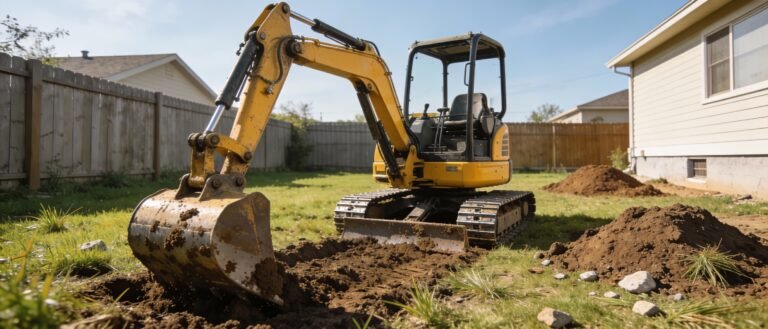
Crews open trenches to depth, keeping side slopes and water control consistent with OSHA trenching rules that require safe walls and diversion of surface water away from the excavation. During this phase, you will see the most dramatic change to your yard as earth is moved, trenches are dug, and drainage components are staged near the work area. Contractors use equipment like excavators, trenchers, or even hand tools in tight spaces to create the paths needed for perforated piping, aggregate, and other stormwater best management practices.
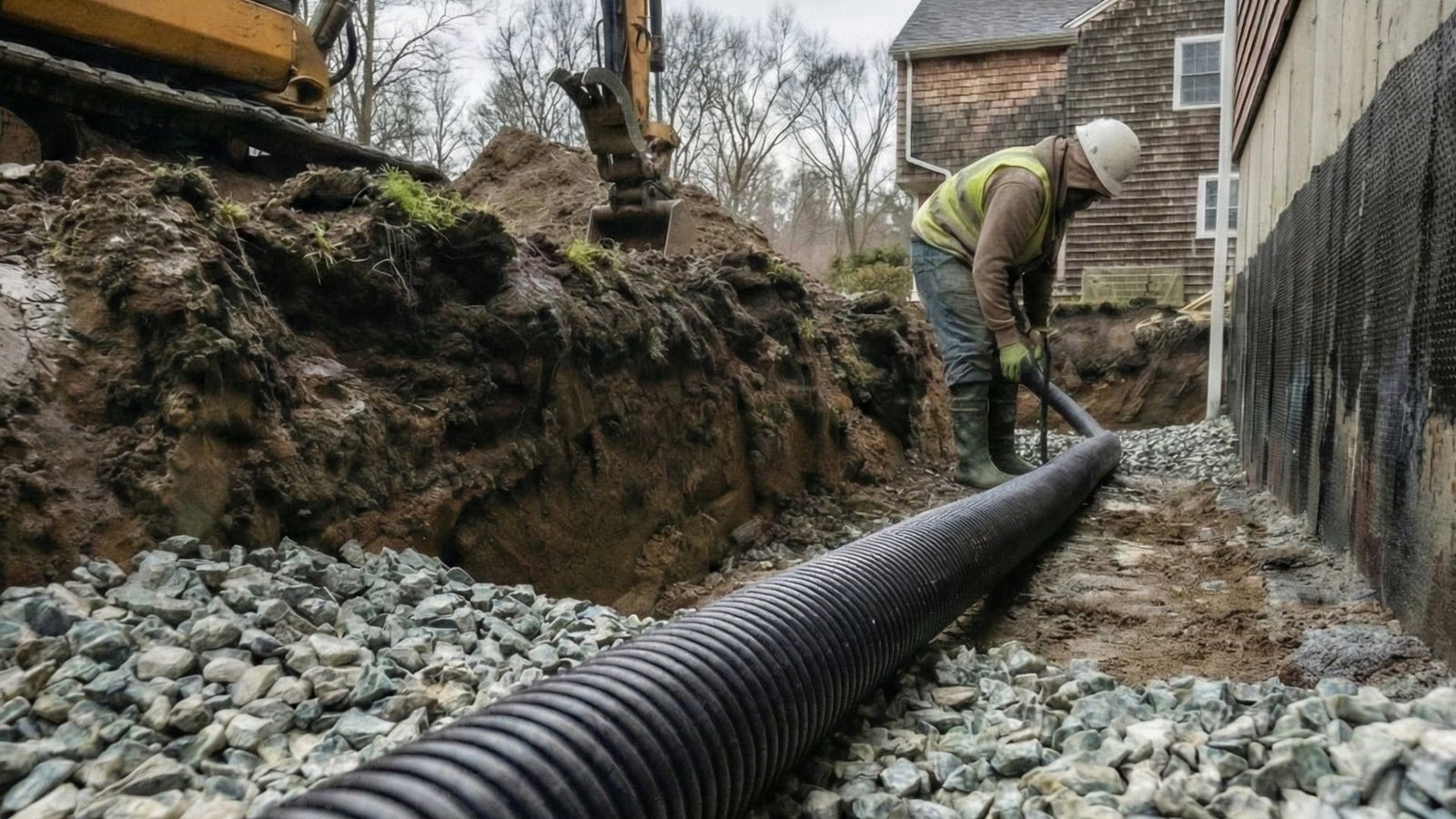
Perforated piping, stone, or other stormwater BMPs are installed and then backfilled in layers, mirroring utility trench standards for compaction and protection of adjacent property. Connecticut’s stormwater design standards specify that subsurface storm drainage systems follow hydraulic design methods to ensure pipes and structures can safely convey design-storm flows without failure. Once the drainage components are in place and inspected, backfilling proceeds in compacted layers to prevent settling and to restore the surface to a stable condition that supports final grading.
Final Grading and Drainage “Tuning”
Rough and final grading are set so surface water drains away from the house and toward appropriate discharge points, consistent with HUD and CT stormwater expectations that finished grades slope away from buildings. This step transforms the yard from a rough-graded construction site into a surface that looks intentional and ready for landscaping, even if grass has not yet grown back. Contractors adjust contours, smooth transitions, and confirm that new drainage features like swales or inlets function properly with the reshaped terrain.
Outlets, swales, or surface inlets are adjusted so they function with the new contours and meet design guidance for capacity, slope, and erosion resistance. This tuning phase can involve small adjustments to outlet elevations, adding stone or erosion-control fabric to protect discharge points, and confirming that the system handles test flows without backing up or eroding. Once final grading is complete and the system is tested, the yard is ready for seeding or sodding to complete the restoration process.
Extra Steps for Complex Yards (Slopes, Wet Areas, Tight Lots)
Not every drainage project follows the same straightforward path. Properties with steep slopes, proximity to wetlands or streams, or tight access between buildings may require additional planning steps, erosion controls, or permit reviews that extend the overall timeline, even if the core excavation window remains short. Understanding these factors helps explain why some projects take longer than others and what you can expect if your property has these characteristics.
Working Near Wetlands, Streams, and Steep Slopes
In CT, activities like grading, piping, culverting, and excavating in or near inland wetlands and watercourses are regulated and may require a permit from the town’s inland wetlands agency before work can begin. This permitting process does not physically disrupt your yard, but it does add time to the overall project schedule as applications are submitted, reviewed, and approved. Municipal wetlands agencies determine whether an activity is regulated based on its location relative to wetlands and watercourses, so projects near streams, ponds, or wet low spots often need extra review even if the work itself seems straightforward.
On steeper sites, CT stormwater guidance calls for stronger erosion and sediment controls and carefully placed BMPs, which can add installation steps but help prevent washouts and soil loss during construction. Contractors may need to install silt fences, stabilize access routes, and sequence work so disturbed soil is not left exposed during rainstorms. These measures protect your property and neighboring areas from sediment runoff, but they do require extra materials and labor compared to flat, simple sites.
Erosion Control, Access Management, and Weather Delays
Where more than minimal soil is disturbed, CT towns expect projects to follow the state’s stormwater quality manual and soil-erosion guidelines, using practices like stabilized construction access, silt controls, and timely stabilization of bare soil. These expectations shape how contractors set up the work zone, where equipment travels, and how quickly disturbed areas are seeded or covered to prevent erosion. While these controls add some work, they also help keep your yard from becoming a muddy mess that spreads beyond the intended work zone.
Rain events during excavation can trigger temporary pauses while crews maintain trench safety and erosion controls, as required by OSHA and local stormwater expectations. Weather delays are one of the few factors that can extend the “yard torn up” window beyond the contractor’s control, but experienced crews monitor forecasts and plan work sequences to minimize exposure to wet conditions. If rain does arrive mid-project, contractors typically secure the site, cover stockpiles, and ensure drainage features are functioning before resuming work once conditions improve.
Permits, Wetlands, and Stormwater Rules in CT
Connecticut’s regulatory framework for stormwater and wetlands shapes how drainage projects are planned and executed, often adding steps that homeowners might not expect based on experiences in other states. Understanding when permits are needed and how local stormwater standards influence design can help you anticipate the full project timeline and avoid delays caused by starting work without proper approvals.
When Drainage Work Triggers Permits
The Connecticut Inland Wetlands and Watercourses program requires municipal permits for regulated activities that alter wetlands or watercourses, which include grading, piping, culverting, and similar work in those areas or within designated upland review areas adjacent to them. If your property has a stream, pond, or wetland nearby, your contractor should advise you to check with the town’s inland wetlands agency before digging to determine whether a permit is required. This review process can take weeks or months depending on the complexity of the work and the town’s review schedule, but it does not involve physical work on your property during that time.
For projects that disturb larger areas of soil, CT’s construction stormwater general permit and local erosion-control regulations may apply, tying excavation work into formal stormwater pollution-prevention planning. Smaller residential projects may not reach the threshold that triggers this permit, but larger drainage installations or properties with steep slopes and significant grading may need to comply with state erosion and sediment control standards. These requirements push contractors to plan for soil stabilization, manage runoff during construction, and document compliance with stormwater best practices.
How Local Stormwater Standards Shape Design
CT stormwater standards specify that systems must manage both runoff quantity and quality, using BMPs such as infiltration practices, underground systems, or swales with defined performance criteria. This means your drainage system is not just about moving water away from the house but also about managing how much water leaves your property and how clean it is when it does. Contractors choose BMPs based on your site’s soils, slopes, and drainage needs, selecting solutions that meet state design standards for capacity, infiltration rates, and pollutant removal.
Updated design storm values in the CT stormwater manual mean modern systems are typically sized for more intense rainfall than older installations, helping reduce future flooding risk for homeowners as climate patterns shift. This forward-looking approach to design can mean slightly larger or more robust installations than might have been used in the past, but it also provides peace of mind that your system will handle the heavier storms that have become more common in the Northeast over recent decades.
What Homeowners Should Expect and Do
Knowing what to expect during each phase of the project can reduce stress and help you prepare your property and family for the work ahead. While contractors manage the technical side of drainage excavation, homeowners play an important role in coordinating access, communicating concerns, and cooperating with any needed permit reviews to keep the project on schedule.
Daily Expectations While the Yard Is “Open”
During excavation and installation, homeowners can expect equipment noise, temporary soil piles, and limited access to parts of the yard while trenches are open under trench-safety rules. Work typically happens during weekday business hours, though some contractors may start early or work slightly later to take advantage of good weather or longer daylight during spring and summer. You may also notice dust on dry days or muddy conditions if rain arrives mid-project, though contractors use erosion controls and access routes to minimize these impacts.
Once pipe and stone are in and trenches are backfilled, activity shifts to grading and stabilization, which is less intrusive but still involves crews and equipment shaping the yard. This phase generates less noise and disruption than active excavation, but you will still see workers, trucks, and landscaping equipment moving around the property. Final seeding or sodding stabilizes soil per stormwater guidance that emphasizes vegetative cover, completing the shift from construction site to restored landscape.
Steps Homeowners Can Take to Reduce Disruption
Clearing movable items, planning pet access, and discussing access routes and staging with the contractor helps keep the disturbed footprint small and focused. Before work begins, walk the property with your contractor to identify where equipment will travel, where soil will be stockpiled, and how the crew will access utilities or water. This coordination aligns with CT stormwater planning guidance that encourages documenting limits of disturbance and keeping work zones as compact as reasonably possible.
Cooperating with any needed wetlands or stormwater reviews up front helps avoid mid-project pauses that extend the overall schedule even when the yard work itself is nearly done. If your contractor advises that a permit may be required, starting that application process early can prevent frustrating delays once you are ready to begin digging. Open communication with your contractor about scheduling, weather concerns, and restoration goals also helps set realistic expectations and ensures everyone is working toward the same outcome.
Process Comparison Table: Simple vs. Complex Drainage Excavation in CT
| Phase | Simple Drainage Fix (No Wetlands, Gentle Slope) | Complex Drainage Fix (Near Wetlands / Steep Slope) |
|---|---|---|
| Assessment & Planning | One visit, desktop review | Multi-visit, wetlands/stormwater review |
| Permits / Approvals | Often none or simple local review | Inland wetlands and/or stormwater permits |
| Excavation & Installation | Short trench runs, limited access routes | Longer runs, tighter staging, more controls |
| Backfill & Grading | Basic reshaping away from house | Enhanced grading, slope stabilization |
| Erosion Control & Seeding | Standard seeding and stabilization | Robust erosion controls, staged stabilization |
Common Homeowner Missteps During Drainage Projects
Starting excavation near streams or wet low spots without checking whether the work is a regulated wetlands activity can cause costly delays at the municipal level if the town issues a stop-work order or requires retroactive permitting. Many homeowners assume that work on their own property does not need approval, but Connecticut’s wetlands framework applies to activities within defined buffer areas around regulated water features, which can extend well beyond the wetland itself. Checking with your town’s inland wetlands agency before starting work can prevent these issues and keep your project on schedule.
Overlooking erosion and stabilization needs after excavation like prompt seeding can leave disturbed soil vulnerable to washouts and clog newly installed drainage features with sediment. Even if your contractor handles final grading, failing to protect bare soil from rain can undo some of the benefits of the new drainage system and create additional cleanup work. Timely seeding or mulching stabilizes soil quickly and supports the long-term performance of your drainage improvements.
Preparing Your Property for Drainage Excavation in Middlebury CT
Reviewing your property for signs of wetlands or watercourses and consulting town resources helps clarify whether permits will be needed before work begins. Look for low wet areas, streams, ponds, or seasonal drainage features that might indicate the presence of regulated wetlands, and discuss these observations with your contractor during the initial assessment. Your town’s land use or conservation office can also provide guidance on whether your property is near mapped wetlands or within an upland review area that triggers permit requirements.
Discussing access routes, stockpile areas, and restoration goals with your contractor ahead of time aligns expectations about how much of the yard will be disturbed and how it will be put back together. Planning these details up front is consistent with CT stormwater planning guidance that encourages documenting construction access and limits of disturbance, and it helps you understand where equipment will travel, where materials will be staged, and what the yard will look like at each phase of the project. Clear communication at this stage prevents surprises later and helps you prepare your family, pets, and any seasonal activities around the construction schedule.
Frequently Asked Questions About Drainage Excavation CT
Q: Will my whole yard be torn up for this?
A: Most projects focus excavation on defined trench paths and work zones, with CT stormwater and erosion guidelines encouraging contractors to limit the disturbed area and stabilize it quickly. The extent of disturbance depends on your specific drainage needs, but experienced contractors plan access routes and staging areas to keep the work footprint as small as reasonably possible while still solving your water problems effectively.
Q: How long will open trenches and heavy equipment be in my yard?
A: The highest disruption usually occurs during the core excavation and installation days, when OSHA trench-safety rules and weather conditions dictate how quickly trenches are opened and closed. For many residential projects, this phase lasts only a few days to a week, depending on the size and complexity of the system being installed. Once trenches are backfilled and rough grading is complete, the yard no longer has open holes, though final restoration and grass regrowth take additional time.
Q: Do I need a permit for drainage excavation on my property?
A: Work in or near inland wetlands or watercourses can be a regulated activity requiring a municipal wetlands permit, and larger soil disturbances may also fall under CT’s construction stormwater general permit. Your contractor should assess your site for potential wetlands and advise you to check with the town if the work area is near streams, ponds, or wet low spots. Starting this conversation early prevents delays and ensures your project proceeds legally and smoothly.
Q: What happens to my lawn after the work?
A: Final grading and reseeding or sodding are used to stabilize disturbed soil, with full turf recovery typically taking a growing season for seeded areas. Contractors prepare a seedbed, add topsoil if needed, and install grass seed or sod to restore your lawn’s appearance and prevent erosion. While seeded lawns take longer to fill in than sod, both methods provide stable, vegetated cover that completes the restoration process and protects the drainage system beneath.
Q: Why is drainage excavation such a big deal in Connecticut?
A: State stormwater standards and increasing heavy rainfall events in the Northeast make reliable drainage around homes necessary to limit flooding, erosion, and moisture-related damage. Connecticut’s regulatory framework and climate trends both point toward the need for robust drainage systems that can handle more intense storms than older installations were designed for, protecting your foundation, basement, and landscaping over the long term.
Final Thoughts
Drainage excavation in Connecticut involves a clear sequence of planning, installation, and restoration phases that limit the time your yard spends in an active construction state. The core excavation window when trenches are open and equipment is moving typically lasts only days, with the longer recovery period tied to lawn regrowth and final landscaping rather than heavy disruption. Understanding this timeline, along with Connecticut’s stormwater design standards and wetlands permit requirements, helps set realistic expectations and reduces the anxiety that often comes with picturing weeks of torn-up lawn and muddy chaos.
The long-term value of proper drainage work extends well beyond the temporary inconvenience of installation. Protecting your foundation from water infiltration, preventing basement flooding, and maintaining stable yard grades all contribute to your home’s structural integrity and your family’s comfort during heavy storms. With Northeast rainfall patterns continuing to intensify, investing in drainage excavation now can prevent costly water damage and ongoing maintenance headaches in the years ahead, making the short-term disruption a worthwhile trade for long-term peace of mind.
If you’re ready to address drainage issues on your Middlebury property, Prestige CT Excavation & Drainage brings extensive experience in residential stormwater solutions and a commitment to minimizing disruption throughout the process. Our team understands Connecticut’s stormwater regulations and wetlands permit requirements, and we coordinate closely with homeowners to plan access routes, manage erosion controls, and restore your landscape promptly after installation. Contact Prestige CT Excavation & Drainage today to schedule a site assessment and learn how professional drainage excavation can protect your home from water damage while keeping the construction window as short and organized as possible. Your yard may look different for a few days, but the dry basement and stable lawn you gain will serve you well for decades.