How Long Will Your Yard Be Torn Up During Residential Excavation in Connecticut?
When you’re planning residential excavation services in CT for a foundation addition, new utility line, or drainage work, the question keeping you up at night probably isn’t about soil compaction ratios or equipment specs. You’re wondering how many days you’ll be staring at muddy ruts, open trenches, and piles of dirt where your lawn used to be.
Connecticut’s excavation regulations and erosion control standards actually work in your favor here, pushing contractors to compress the messy phase into focused work days rather than letting your property look like a construction site for weeks. The good news is that when excavators follow the state’s 811 utility notification rules, erosion guidelines, and grading requirements, most of the visible chaos happens during a short excavation and backfill window, with the rest of the timeline devoted to planning, inspections, and restoration.
Yes, there will be disruption, but understanding the phases and regulations helps you see that the “torn up” period is deliberately staged and controlled, not open-ended. What you need to know is how each step works and what you can ask for to keep the project moving efficiently through your property.
Key Takeaways
- Short Active Disruption, Longer Overall Timeline: The heavy excavation window that makes your yard look chaotic usually spans just a few active work days, wrapped inside a longer calendar for 811 tickets, permits, and inspections that happen with minimal disturbance.
- 811 Notifications Prevent Extended Problems: Connecticut law requires advance Call Before You Dig notification so utilities can be marked before excavation starts, protecting your safety and preventing surprise stoppages that would leave trenches open indefinitely.
- Erosion Controls Keep Mess Contained: State erosion guidelines push contractors to expose minimal soil, restore slopes quickly, and direct water away from your home, all of which shorten how long your yard stays muddy or unstable.
- Backfill Happens Fast After Inspections: Once utilities or footings pass inspection, trenches are typically backfilled and compacted promptly, shifting your yard from “construction zone” to “rough but usable” in short order.
- Complex Sites Need Extra Time: Steep slopes, high water tables, wetlands buffers, or tight access may require additional erosion controls and phased digging, extending active yard disturbance beyond simple flat-lot projects.
- State Rules Protect Homeowners: Connecticut’s excavation, utility damage prevention, and erosion control requirements define what responsible excavation looks like, giving you clear expectations about schedule, protection, and cleanup.
Excavation Considerations
Project timeline
Larger or more complex work (full foundations, long utility trenches, major drainage) keeps equipment and open ground in place longer than a small repair or short trench. Small residential digs can wrap in 1–3 days of excavation, while medium projects may stretch to 1–2 weeks before the site is fully backfilled and stable.
Yard and soil
Rocky ground, ledge, wet soils, tight access between houses, or tree/root conflicts slow excavation and restoration because crews must work more carefully and sometimes add equipment or steps. These conditions are common in many Connecticut neighborhoods and can easily add days of disruption versus an open, flat, dry lawn.
Paperwork delays
In Connecticut, “Call Before You Dig” utility marking, local permits, and any required inspections can pause work with open trenches or partial backfill if timing is tight. When approvals or inspections are delayed, the yard can stay open or rough-graded longer even if the digging itself is finished.
Yard repair
Heavy equipment and soil stockpiles routinely damage grass, compact soil, and leave ruts, so there is always a separate phase for backfilling, rough grading, and basic cleanup. Even with good restoration practices, lawns and planting beds typically need additional weeks for re-seeding, settling, and regrowth before the yard looks “normal” again.
Excavation Data Overview
Here’s where most people get blindsided. Those quick estimates you’ll hear? They rarely tell the whole story. We pulled data from actual excavation projects to show you what really matters. The numbers might surprise you, but understanding them now beats discovering them later.
| Phase | Simple Job (Short Trench/Flat Yard) | Complex Job (Slope/Wet Area/Tight Site) |
|---|---|---|
| Prep & Layout | 811 call, markings, basic erosion controls in 1 day | 811, markings, detailed erosion plan, wetlands/zoning coordination 1-3 days |
| Active Excavation | 1-2 days trenching or small pad cut, limited work zone | Several phased days with staged cuts, smaller equipment, enhanced controls masterworkconstruction |
| Backfill & Rough Grading | Backfill and compact soon after inspection; rough grade same or next day | Backfill in sections, extra grading for stable slopes and drainage; may span multiple visits |
| Stabilization & Restoration | Seed/mulch or basic stabilization quickly after grading | Extended stabilization (mats, additional seeding, drainage features) and longer visible recovery period |
| Project Type | Active Excavation Days | Total Torn-Up Period (incl. Backfill/Recovery) | Key Factors Affecting Duration |
|---|---|---|---|
| Small (Utility Trench) | 1-3 days | 1 week | Flat yard, dry soil, quick 811 |
| Medium (Foundation Addition) | 3-5 days | 1-2 weeks | Rocky soil, permits, inspections |
| Large/Complex (Major Drainage) | 1-2 weeks | 2-4 weeks | Slopes, wetlands, erosion controls |
| Factor | Impact on Timeline | Mitigation via CT Regulations |
|---|---|---|
| Rocky/Wet Soils | Adds 2-5 days to excavation | Phased digging, erosion controls |
| 811/Permit Delays | Pauses work 2-7 days | Advance notification required 2 days prior |
| Site Access/Slopes | Extends active phase 3-7 days | Stabilized entrances, silt fences |
| Inspections | Holds backfill 1-3 days | Prompt coordination post-utility marking |
Look, none of this is meant to scare you off. It’s meant to help you plan smart. When you understand these numbers upfront, you can make informed decisions with no surprises, no excuses.
Understanding Residential Excavation in Connecticut
Residential excavation covers the digging, trenching, grading, and soil handling needed for foundations, additions, septic or sewer lines, water services, drywells, and regrading around one to four family homes. For work on existing one to six unit homes in Connecticut, the state treats much of this as home improvement work, requiring registered contractors and written contracts that spell out scope, timing, and restoration responsibilities. These protections matter when you’re worried about a yard left torn up because they give you legal standing to hold contractors accountable for completing the job properly.
Connecticut’s mix of glacial soils, bedrock ledge, wooded lots, and older neighborhoods means excavation must adapt to tight access, slopes, and variable drainage. State erosion and sediment control guidelines stress limiting the area and duration of exposed soil, using stabilized construction entrances, and protecting downslope properties and storm drains. These requirements shape how excavators stage work so damage stays concentrated and gets repaired quickly rather than spreading across your entire property.
National vs. Connecticut Excavation Timelines
Nationally, small residential excavation jobs like short utility trenches, small additions, or driveway work often wrap active digging in one to several days, barring weather or permitting delays. In Connecticut, similar projects can see slightly longer overall timelines because of 811 notification windows, local permit reviews, and the need to schedule around wet seasons and frost. However, the period when your yard looks fully torn up is still dominated by a contained excavation and backfill phase rather than weeks of open ground.
For a straight utility trench or short service run, you’re often looking at one to two active excavation days, with advance 811 coordination and municipal permits handled earlier so the crew can work efficiently once they arrive. Foundation or major addition excavation typically involves several days of active digging and shaping, followed by inspections, then backfill and rough grading. The overall calendar can span one to multiple weeks, but the most disruptive days cluster around excavation and backfill rather than being spread evenly across the project.
A typical Connecticut residential excavation job moves through predictable phases. The pre-dig phase involves your CBYD ticket filed at least two working days ahead, layout, and erosion control setup, leaving your yard mostly intact but marked and staked. The active excavation phase is when machines open soil, stockpile spoils in designated areas, install utilities or structures, and coordinate inspections. This is when your yard looks most torn up. The backfill and rough grading phase involves closing and compacting trenches and pits, trimming high spots, filling low spots, and shifting your yard to rough but stable condition, with final restoration scheduled as the next step.
Key Steps in the Residential Excavation Process
Each major step ties to safety and environmental rules designed to prevent long-term hazards like utility strikes, erosion, or poor drainage, not just to move dirt efficiently. Understanding these steps helps you see why reputable contractors prefer to keep excavation windows tight and coordinated rather than leaving open cuts that create ongoing liability and mess.
Before digging starts, Connecticut requires notice to the state one-call system so underground facilities can be located and marked, with excavators responsible for preserving those markings and verifying unclear areas with the utility owner. At the same time, erosion and sediment control plans identify where to install silt fences, inlet protection, stockpile controls, and stabilized access points so soil stays on your property and doesn’t wash into streets or waterways.
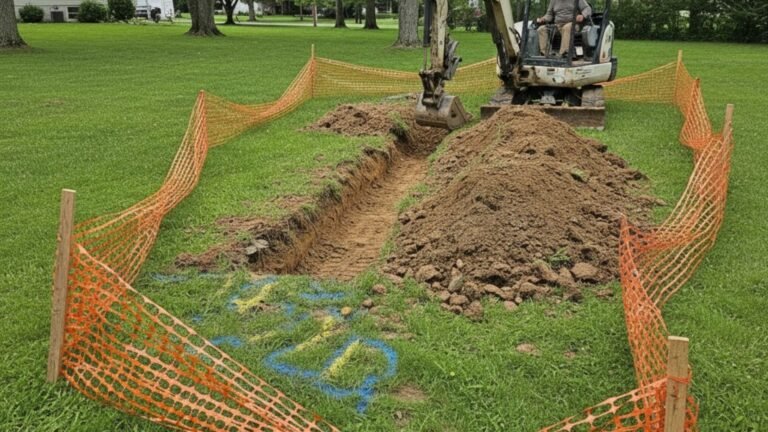
You’ll see paint and flags marking utilities, stakes outlining the work area, and possibly silt fence or other barriers at the downslope edge of the disturbed zone. A pre-start walkthrough decides which portion of your yard will handle equipment access and spoils, usually concentrating disturbance in one path or corner rather than across your whole lawn.
During excavation, Connecticut rules for work near underground facilities require careful digging around markings, immediate notice if contact occurs, and sometimes hand digging in sensitive zones. Erosion guidelines also recommend phasing work so only areas needed for immediate construction are opened, with rough grading or temporary stabilization provided if operations pause.
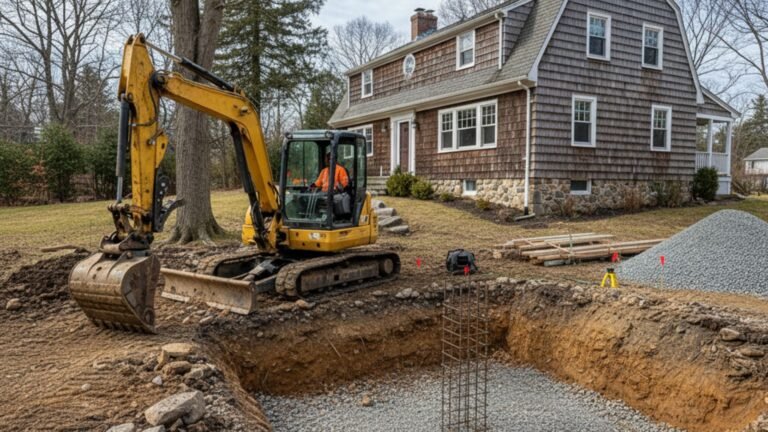
Typical disruptive actions include trenching to required depths for utilities or drainage, which in the Northeast may mean deeper cuts in areas where frost or water tables affect pipe placement. Excavating and shaping foundation footprints or slabs often involves on-site stockpiles for reuse in backfill, kept out of drainage swales or roadside ditches as required by excavation and highway rules.
Additional Steps for Complex Residential Sites
Some Connecticut properties involve extra steps that can extend how long parts of your yard look disturbed, especially where slopes, wetlands, or tight urban lots come into play. In these cases, erosion controls, drainage design, and grading inspections play a larger role in pacing the job.
Steep or long slopes require terracing, benches, or carefully aligned swales to prevent erosion and sliding, which Connecticut erosion guidance addresses through design of stable grades and concentrated flow paths. Work near wetlands or watercourses may be subject to local inland wetlands regulations and stormwater manuals that demand buffers, controlled discharge points, and limited disturbance, all of which can expand excavation sequencing and stabilization steps.
You may see extra time spent building or protecting swales and outlets so runoff from newly disturbed soil doesn’t impact neighboring properties or wetlands. Narrow urban or suburban lots may require smaller equipment, more hand work, or multiple mobilizations to protect structures, utilities, or shared access, stretching the days when a portion of your yard looks torn up.
After inspections, backfill must be placed and compacted to avoid future settlement, then graded to maintain positive drainage away from foundations and off the lot, in line with HUD and local grading standards. Connecticut erosion guidance calls for stabilizing disturbed soil as soon as possible after final grading, particularly near pavements and drainage features.
For homeowners, this means expecting a rough-graded yard that may look patchy but should shed water properly, with topsoil and plant restoration handled as a defined follow-up step rather than an indefinite later date. You’ll see short windows of visible seed, straw, or temporary stabilization before new grass or landscaping fully knits your yard back together.
The Excavation Process
Planning, Permits & Markouts
The contractor confirms the work scope, timeline, and access, then arranges any needed local permits and inspections. In Connecticut, Call Before You Dig (811/CBYD) must be contacted at least two full working days before mechanized excavation so utilities can be located and marked, which defines when digging can actually start.
Site Walkthrough & Protection
Before machines arrive, the crew walks the property with you to review boundaries, staging areas, and any features to protect, like driveways, walkways, or septic components. They may place plywood, mats, or fencing to limit tracking, protect roots, and manage where soil and stone piles will sit during the project.
Clearing, Access & Setup
The crew clears the work zone of small shrubs, loose rock, or obstacles and brings in excavation equipment, trucks, and materials. Establishing safe access routes for machines often causes the first visible damage to turf as tracks and tire paths cut through the lawn.
Active Excavation & Trenching
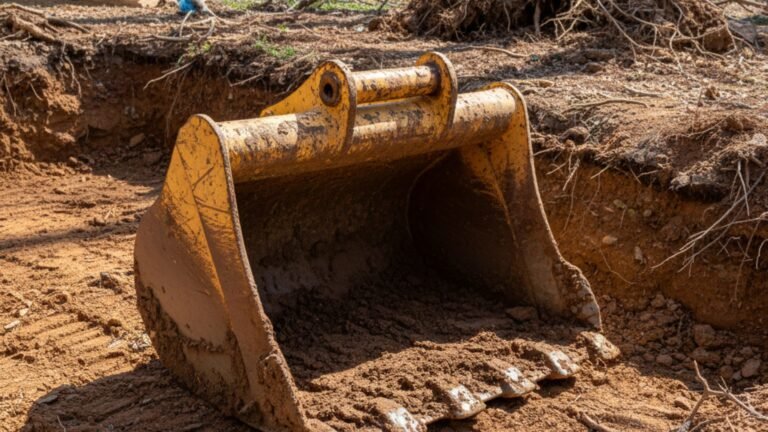
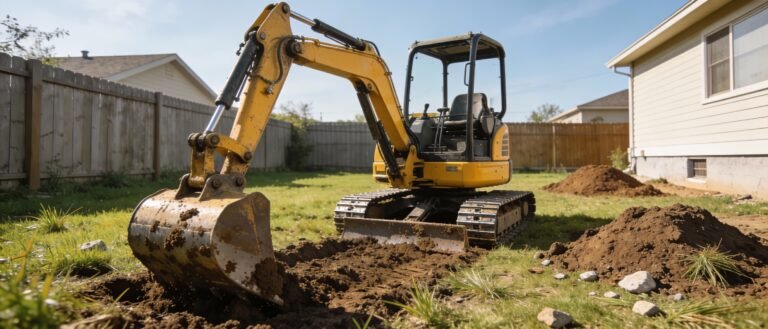
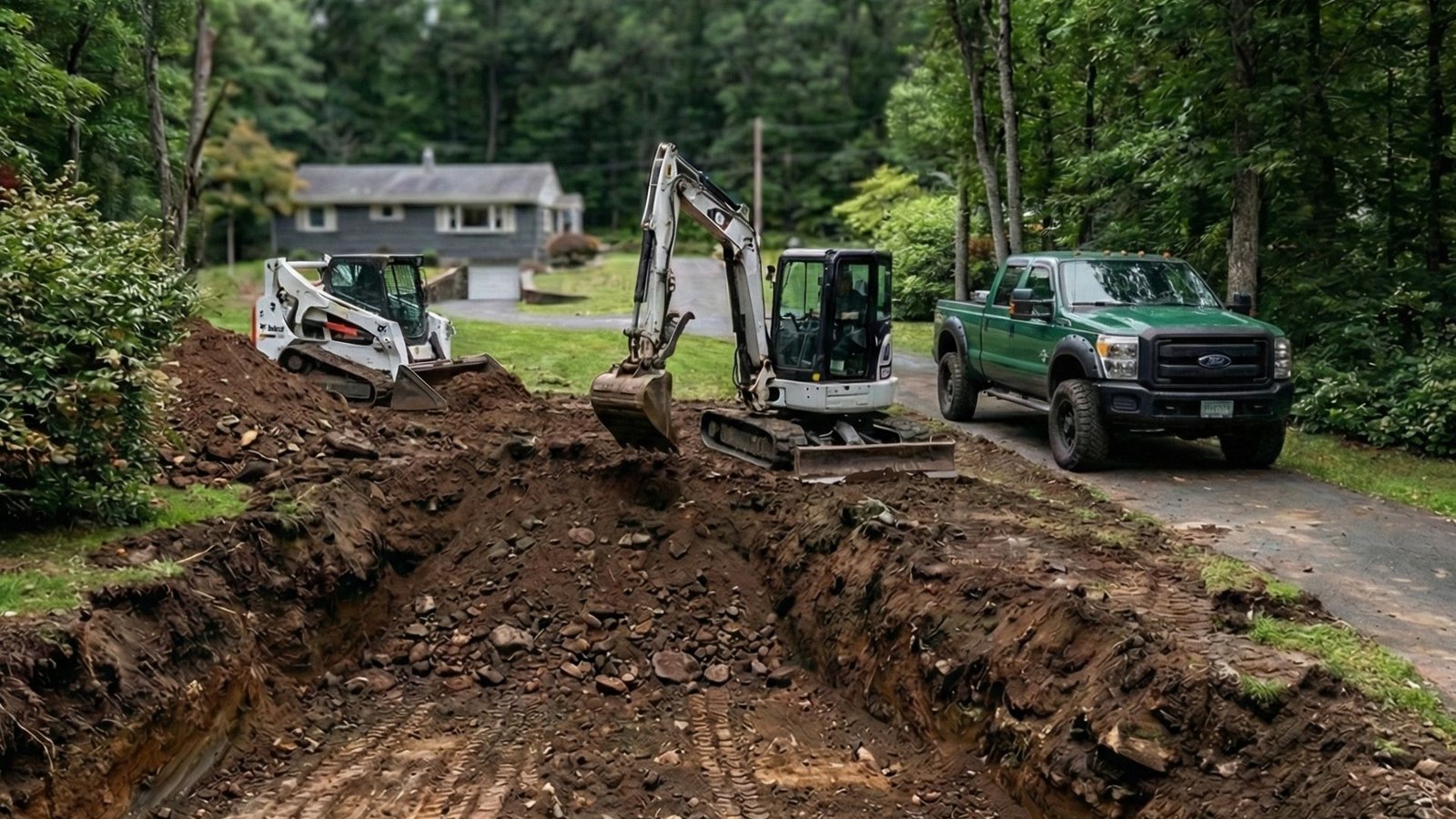
Excavators, loaders, or mini-excavators open up the ground for foundations, utilities, drainage, or other residential work, stockpiling soil and materials nearby. This is when your yard looks most torn up, with open trenches, piles, and ruts, and can last from a day to more than a week depending on scope and site conditions.
Installation, Backfilling & Rough Grading
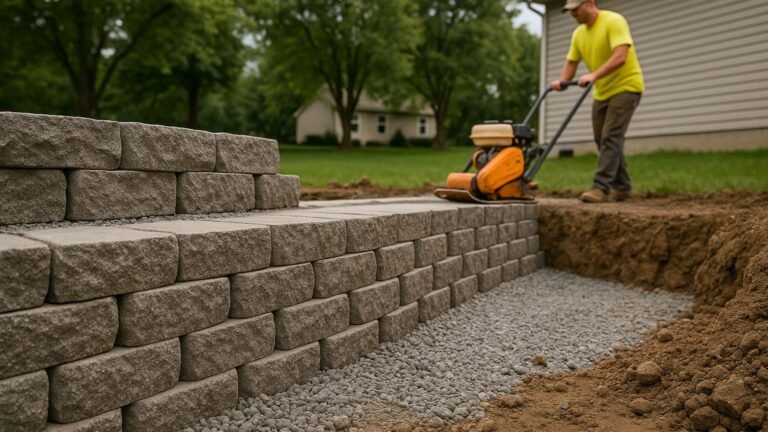
Once inspections or checks are done, the crew installs pipe, stone, tanks, or other structures, then backfills and compacts the soil in layers. They shape the ground to shed water away from the house and reduce future settling, but the yard will still look rough and uneven for a period after equipment leaves.
Cleanup & Basic Restoration
The contractor hauls away excess spoil and debris, rakes the surface, and may add topsoil, seed, and straw or erosion control where disturbed. At this stage the yard is no longer an active construction zone, but bare soil, straw, and visible seams where trenches were cut make the disruption obvious.
Lawn Recovery & Final Settling
Over the next several weeks, soil settles more, low spots may appear along trench lines, and new grass slowly fills in disturbed areas. Full visual recovery often requires top-up soil, additional seeding, and consistent watering, so your yard can look “in recovery” for a season even though excavation work is complete.
Permits, Utilities, and Regulations in Connecticut
Behind every excavation job are legal requirements that directly affect scheduling, safety, and cleanup expectations. Knowing these requirements gives homeowners a checklist for what reputable excavators should be doing before and during work on their property.
Many excavation projects for additions, driveways, or major grading changes require zoning or wetlands approvals that reference Connecticut erosion and stormwater guidelines, especially where disturbed area exceeds local thresholds. Connecticut’s stormwater guidance and related appendices list when state or local permits are needed for altering drainage patterns, discharging to wetlands, or disturbing larger areas, which can influence start dates and inspection timing.
Chapter 293 of the Connecticut General Statutes and associated regulations define excavation near underground utility facilities, requiring excavators to notify the one-call center, verify markings, and exercise reasonable care when working near facilities. Damage prevention program summaries from federal pipeline safety agencies highlight Connecticut’s enforcement mechanisms for utility damage laws, underscoring that ignoring 811 rules can lead not only to safety hazards but also to project shutdowns and fines.
What Homeowners Should Expect and Do
Homeowners can significantly influence how long the yard feels torn up by preparing in advance and staying engaged as each phase begins and ends. Clear access, realistic expectations about inspections, and written restoration details help crews work efficiently and close disturbed areas as soon as allowed.
During pre-dig days, flags, paint, stakes, and possible silt fence or stone tracking pads appear, but most of your lawn remains usable. Active excavation days bring heavy equipment, noise, open trenches or pits, and defined spoil piles, with portions of your yard off limits until backfill and compaction are complete. Post-backfill days see rough grading and stabilization, with temporary measures like straw, mulch, or matting and drainage features visible while your yard heals.
To minimize yard disruption, confirm in writing where access routes, spoil piles, and staging areas will be, and ask how quickly each area will be backfilled or stabilized. Coordinate with your contractor on timing of seed, sod, or hardscape restoration relative to typical Connecticut rainfall and runoff patterns to avoid immediate washouts.
Common Mistakes Homeowners Make During Excavation
Skipping or rushing the 811 process, or hiring contractors who ignore Call Before You Dig, risks utility strikes, emergencies, and forced work stoppages that leave your yard torn up longer than necessary. Allowing excavation without a clear erosion and restoration plan can lead to ongoing mud, rutting, and drainage issues that persist far beyond the active digging phase.
Other frequent missteps include underestimating inspection and permit timing, which leads to open trenches waiting on approvals, and not clarifying where spoils will go or whether they’ll be hauled off, which can leave unexpected mounds on site. Excavated material placement rules exist specifically to prevent these problems, but you need to ask about them upfront.
Preparing Your Property for Residential Excavation in Connecticut
Homeowners can align their preparation with Connecticut’s guidance on erosion, grading, and disturbance to reduce surprises and help contractors work efficiently. Simple steps make it easier for crews to keep excavation tight and restoration swift.
Verify that an 811 ticket has been requested and that markings are present and understood before equipment arrives. Remove movable obstacles, discuss tree and shrub protection, and confirm acceptable access paths and stockpile areas that keep disturbance away from the most visible or sensitive parts of your yard.
Frequently Asked Questions About Residential Excavation Services in CT
Q: How long will my yard actually look torn up?
A: On many Connecticut residential jobs, the worst disruption is confined to one to three days of active excavation and backfill, with the rest of the timeline devoted to markings, inspections, and stabilization while your yard transitions from rough to restored. The actual construction zone phase is deliberately compressed when contractors follow state standards.
Q: Why does excavation scheduling depend on 811 and inspections?
A: Connecticut law requires advance 811 notice and careful work near utilities, and many projects must pass inspections before backfill, so coordinating these steps keeps the job safe and prevents extended open trenches that create hazards and mess.
Q: How do Connecticut erosion rules protect my property and neighbors?
A: Connecticut’s Guidelines for Soil Erosion and Sediment Control require planning to limit disturbed area, control runoff, and stabilize soil quickly, which reduces mud tracking, washouts, and damage to adjacent properties during and after excavation.
Q: What should final grading and drainage look like when excavation is done?
A: HUD grading guidance and local codes expect slopes away from foundations, defined swales or drainage paths, and no long-term ponding against your house, with disturbed soils stabilized by vegetation or other cover as soon as practical.
Q: How can I check whether an excavator is following Connecticut standards?
A: You can ask for their Connecticut registration for home improvement work, confirm that an 811 ticket was opened, and look for basic erosion controls and orderly spoil management consistent with published state guidelines.
Q: What happens if my excavation project is delayed by weather or inspections?
A: Connecticut erosion guidance recommends temporary stabilization when operations pause, so contractors should protect exposed soil with mulch or seed and maintain erosion controls until work resumes, preventing your yard from becoming a muddy mess during delays.
Excavation Knowledge Quiz
Working with Prestige CT Excavation & Drainage
Residential excavation in Connecticut can be managed so the torn-up phase of your yard measures in focused days of digging and backfilling, not weeks of open trenches, when contractors follow state utility, erosion, and drainage standards. The bigger timeline around that disruption is driven by required 811 notifications, local permits, soil and weather conditions, and how carefully the site is stabilized and graded once the work is done.
At Prestige CT Excavation & Drainage, we understand that your yard is more than just dirt and grass. It’s where your kids play, where you relax after work, and a significant part of your home’s value. That’s why we follow Connecticut’s strict excavation regulations not as a formality, but as a commitment to getting you back to normal as quickly and safely as possible. Our crews coordinate 811 notifications, install proper erosion controls, stage work efficiently, and backfill promptly after inspections so the construction zone phase stays compact and controlled.
If you’re planning foundation work, utility installation, drainage improvements, or site grading in Connecticut, contact Prestige CT Excavation & Drainage for a consultation. We’ll walk you through the timeline, explain what to expect at each phase, and show you exactly how we’ll protect your property while getting the job done right. Your yard won’t be torn up any longer than necessary, and you’ll have the peace of mind that comes from working with excavators who respect both state standards and your quality of life.
Similar Posts
Residential Excavation Services in CT: Your Complete Guide to Choosing the Right Contractor
Have you ever stood in your yard after a heavy rainstorm, watching water pool around your foundation and wondering if you’ll ever find reliable excavation contractors who actually show up and do quality work? If you’re a homeowner dealing with drainage issues, foundation problems, or planning new construction, you’re not alone in feeling frustrated by…
What to Expect From an Excavation Company in Middlebury CT
When you watch heavy machinery roll onto your Middlebury property, that moment brings a mix of excitement and worry. You’re probably wondering how many weeks your lawn will look like a construction zone, whether the crew might accidentally slice through a gas line, and what happens if a thunderstorm hits while trenches sit wide open….
Residential Grading & Leveling: Fix Your Yard’s Slope
Have you ever watched rain turn your backyard into a swamp, leaving puddles that refuse to drain for days? Connecticut and New York homeowners dealing with soggy lawns often face a common concern: how long will contractors need to tear up the yard to fix the problem? Residential grading and leveling reshapes your property’s slopes and surfaces…
What to Expect During Residential Excavation for New Home Construction
When heavy machinery rolls onto your lot and operators start marking boundaries with spray paint and stakes, you’re watching the beginning of a transformation that temporarily tears up your property for about a month or two before it becomes a buildable foundation. Across Connecticut and New York, homeowners face excavation that digs 42 to 48…
What to Expect During Foundation Excavation in Connecticut
Have you ever watched construction equipment tear into a yard and wondered how long the chaos lasts? If you’re planning a new home in Connecticut, you might be losing sleep over how many weeks your property will resemble a construction zone. When you hire excavation contractors for house foundation work, you’re bringing heavy machinery, deep…
Retaining Wall Excavation: Get the Groundwork Right
Ever watched a crew show up in your backyard with excavators and wondered exactly what happens next? When you hire a contractor for a retaining wall project in Connecticut or New York, excavation for retaining walls becomes the foundation that determines whether your investment lasts decades or develops cracks after the first winter. Northeast homeowners face unique…