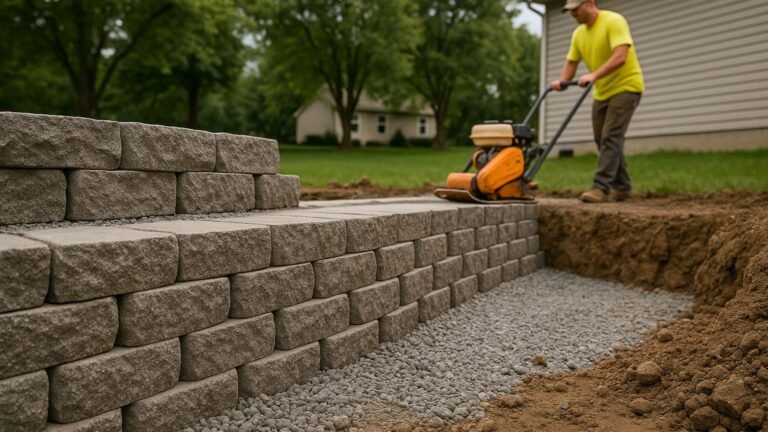
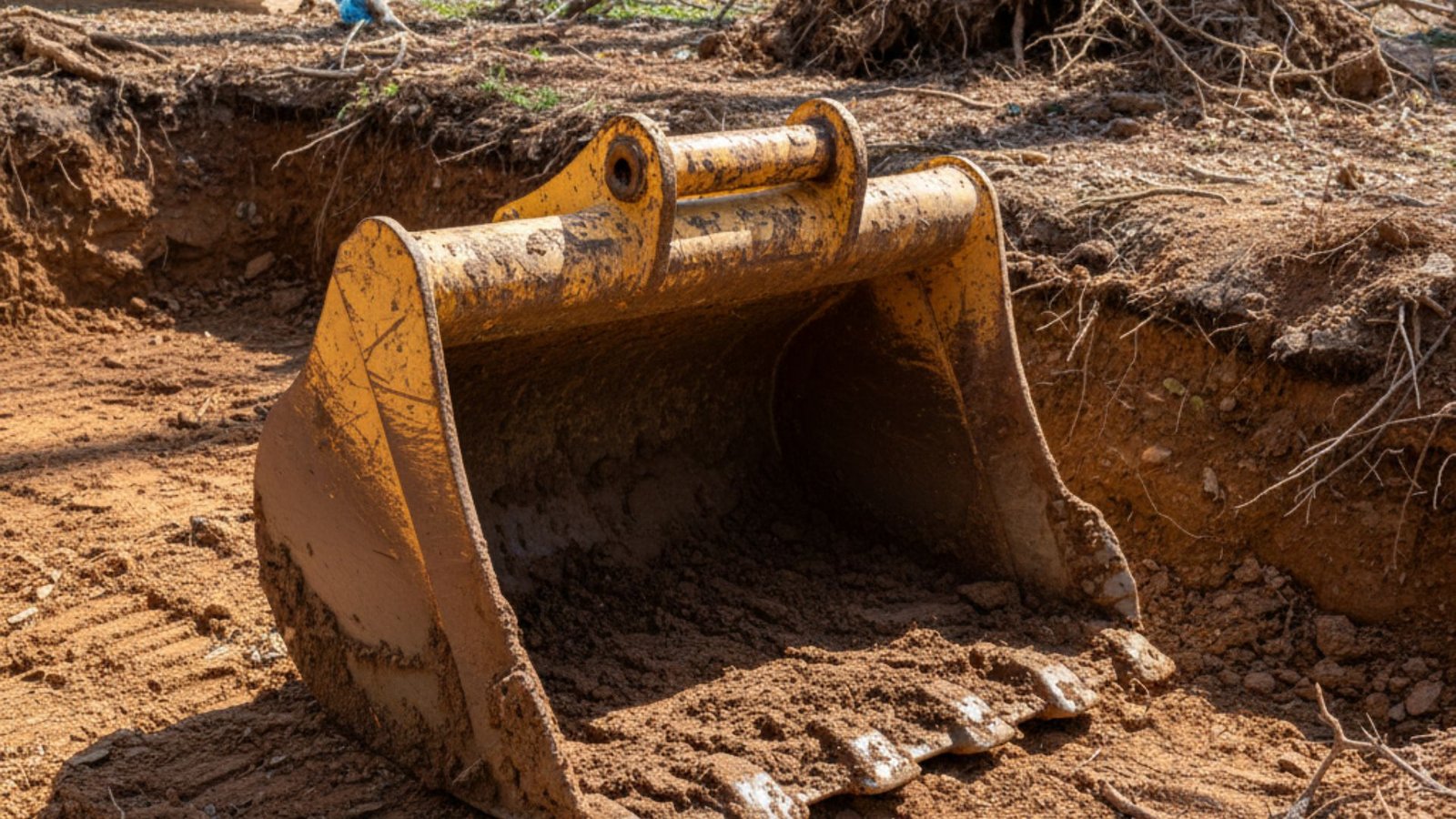
Residential Excavation Services in CT: Your Complete Guide to Choosing the Right Contractor
Have you ever stood in your yard after a heavy rainstorm, watching water pool around your foundation and wondering if you’ll ever find reliable excavation contractors who actually show up and do quality work?
If you’re a homeowner dealing with drainage issues, foundation problems, or planning new construction, you’re not alone in feeling frustrated by the challenge of finding trustworthy residential excavation services in CT.
Connecticut’s excavation industry contributes about 1.1% to the state’s GDP, making it a substantial sector, yet many homeowners struggle to find contractors who combine technical expertise with honest communication and fair pricing. Whether you’re in Fairfield County, dealing with challenging soil conditions, or in Litchfield County, preparing land for a new home, understanding what quality residential excavation involves can save you thousands of dollars and months of headaches.
The key to a successful project lies in choosing contractors who understand Connecticut’s unique terrain, comply with state regulations, and treat your property with the care it deserves.
Key Takeaways
- Licensing Requirements: Connecticut mandates Home Improvement Registration for excavation contractors working on residential properties with 1-6 units, ensuring basic qualifications and consumer protection
- Cost Range: Most residential excavation projects in Connecticut cost between $1,500 and $6,300, depending on project scope, soil conditions, and site complexity
- Safety Compliance: State law requires clear site marking, utility notification, and proper safety protocols, especially for trenching deeper than five feet
- Environmental Standards: Recent updates to Connecticut’s environmental cleanup rules emphasize contaminated soil management and immediate reporting requirements for discovered contamination
- Local Expertise: Understanding Connecticut’s diverse soil conditions, from clay-heavy areas to rocky terrain, significantly impacts project success and cost
Residential Excavation Services Overview
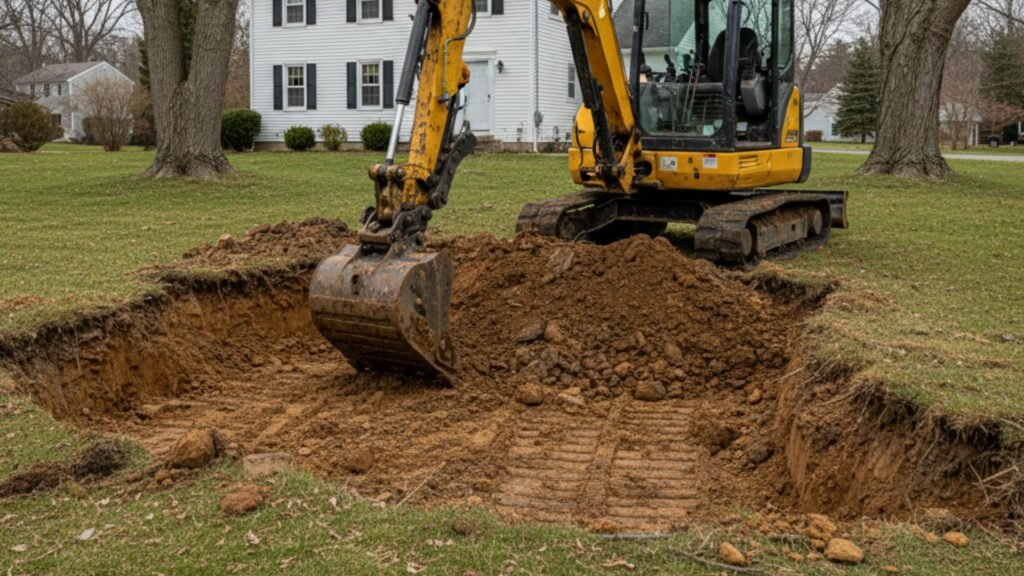
Connecticut homeowners have access to a comprehensive range of excavation services designed to handle everything from minor drainage corrections to major site preparation for new construction. The most common services include land clearing to remove trees, brush, and obstacles while preserving valuable vegetation where possible, and grading that ensures proper water flow away from structures while meeting local building codes. Site preparation and foundation excavation represent core services, requiring precision equipment and experienced operators who understand both soil conditions and structural requirements.
Utility trenching forms another essential service category, with contractors installing water, sewer, electrical, and gas lines according to strict safety standards and local codes. Drainage installation addresses one of Connecticut’s most common property challenges, with solutions ranging from French drains and catch basins to complete septic system replacement. Specialized services like pool excavation, stump removal, and driveway preparation round out typical offerings from full-service contractors.
The stages of a typical residential excavation project follow a logical progression that begins with site assessment and permit acquisition. Initial clearing removes vegetation and obstacles, followed by precise excavation using equipment sized appropriately for the project scope. Grading and trenching create the proper foundation for construction or utility installation, with final site restoration ensuring the property is ready for the next phase of development.
Modern excavation contractors use laser-guided equipment and GPS technology to achieve precise results while minimizing disruption to surrounding areas. This technology is particularly valuable in established neighborhoods where protecting existing utilities, landscaping, and neighboring properties requires careful planning and execution. Professional contractors maintain modern equipment fleets specifically chosen for Connecticut’s varied terrain and project requirements.
Process and Best Practices
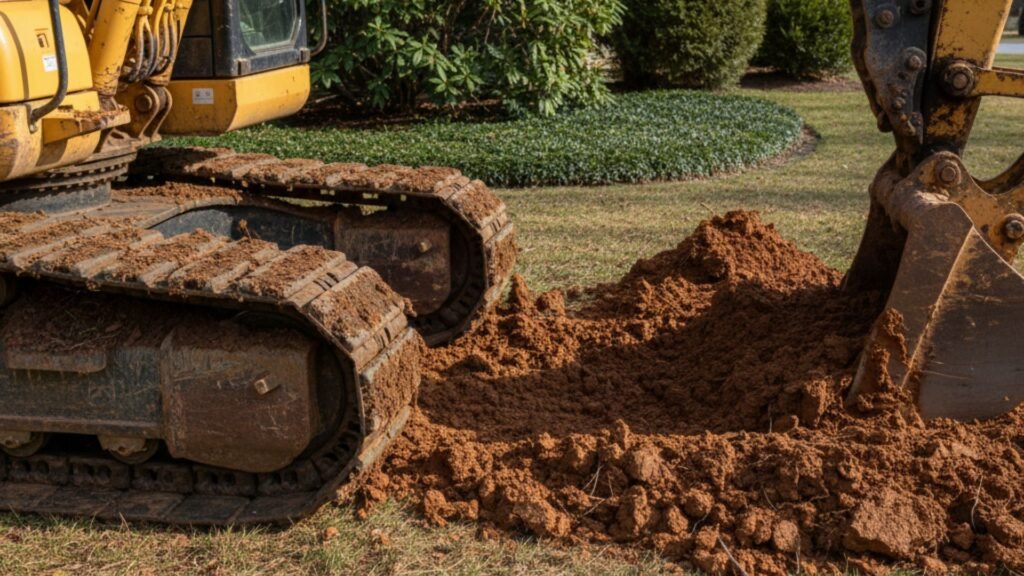
The excavation process begins with a comprehensive site assessment that evaluates soil conditions, drainage patterns, existing utilities, and potential environmental concerns. Professional contractors conduct soil testing to determine composition and stability, which directly affects equipment selection, excavation methods, and timeline estimates. Permit acquisition follows, with experienced contractors handling applications and coordinating with local building departments to avoid delays.
Land clearing requires careful planning to preserve valuable trees and vegetation while creating necessary access and work areas. Modern techniques like forestry mulching can clear undergrowth while leaving beneficial organic matter that improves soil health and reduces erosion. Site barriers and safety protocols protect workers and neighbors throughout the clearing process.
Excavation and grading demand precision to meet engineering specifications while accommodating site-specific challenges like varying soil types, water tables, and existing underground utilities. Professional operators use laser levels and GPS guidance to achieve accurate grades that ensure proper drainage and structural stability. Trenching for utilities follows specific depth and width requirements, with mandatory protective shoring for deeper excavations.
Collaboration between contractors, inspectors, and property owners ensures projects meet all regulatory requirements while addressing homeowner concerns. Regular communication prevents misunderstandings and allows for adjustments when site conditions differ from initial assessments. Quality contractors provide progress updates and explain any changes needed due to unexpected conditions.
Safety protocols extend beyond worker protection to include public safety measures like proper site barriers, dust control, and equipment operation standards. Environmental considerations include erosion control, stormwater management, and proper disposal of excess materials, with contractors following state guidelines for contaminated soil handling when necessary.
Regulations and Compliance
Connecticut requires excavation contractors to obtain Home Improvement Registration when working on residential properties containing one to six dwelling units, establishing baseline qualifications and providing consumer protection mechanisms. This registration process includes background checks, insurance verification, and compliance with state consumer protection laws.
State utility marking laws mandate that contractors contact utility companies before beginning excavation work, typically requiring 48-72 hours notice for utility location services. Failure to follow these procedures can result in significant fines and liability for utility damage, making compliance essential for legitimate contractors.
Local permitting requirements vary by municipality but generally include site plan reviews for larger projects, stormwater management plans, and coordination with local building inspectors. Some communities have specific requirements for tree removal, soil management, or work in environmentally sensitive areas like wetland buffers.
Recent changes in Connecticut’s environmental remediation rules emphasize immediate reporting of discovered contamination and stricter management requirements for contaminated soil. These regulations particularly affect urban areas where industrial history may have left soil contamination that must be properly handled and documented.
Insurance requirements include general liability coverage and workers’ compensation protection, with many municipalities requiring specific coverage amounts and certificate provisions. Bonding requirements may apply to larger projects or work in certain districts, providing additional financial protection for property owners.
Environmental compliance extends to erosion control measures, proper waste disposal, and protection of sensitive natural areas. Contractors must follow state guidelines for managing contaminated environmental media and coordinate with environmental agencies when contamination is discovered during excavation work.
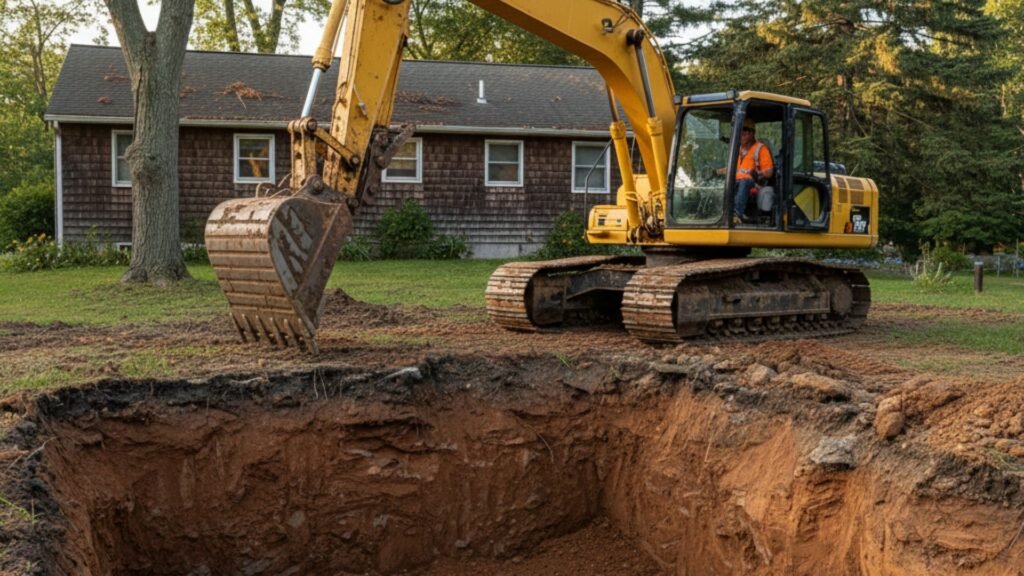
Environmental and Safety Considerations
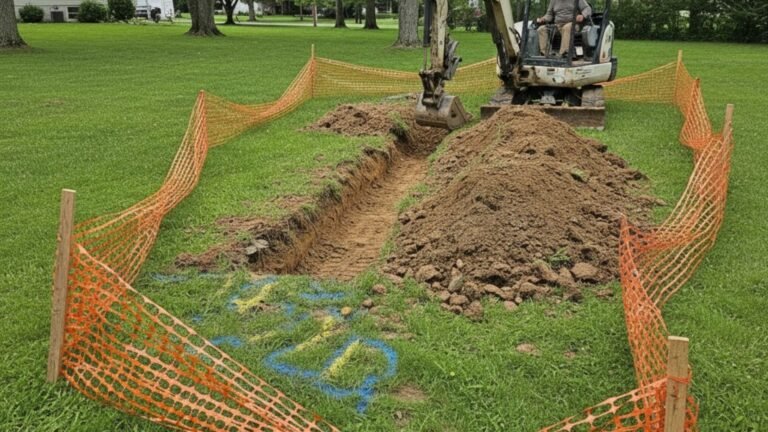
Environmental stewardship in Connecticut excavation projects centers on stormwater management, soil erosion control, and protection of wetland areas and water bodies. State regulations require contractors to implement erosion control measures like silt fencing, controlled drainage systems, and proper material storage to prevent contamination of nearby waterways.
Soil management becomes complex when contamination is discovered, requiring immediate notification of environmental authorities and proper handling procedures. Recent regulatory changes emphasize release-based cleanup requirements that may affect project timelines and costs, particularly in areas with known industrial history.
Safety practices focus heavily on trench safety, with Connecticut requiring protective shoring for excavations deeper than five feet and proper entry procedures for confined spaces. Recent legal cases involving trench collapses underscore the importance of following established safety protocols and using properly trained operators.
Equipment operation standards include requirements for operator certification, regular equipment inspection, and maintenance of safety features like backup alarms and rollover protection. Site barriers protect pedestrians and neighboring properties from construction hazards, while dust control measures maintain air quality in residential areas.
Hazardous material management procedures address potential encounters with underground storage tanks, contaminated soil, or asbestos-containing materials that may be present in older properties. Professional contractors maintain protocols for identifying and safely handling these materials in compliance with state and federal regulations.
Protection of existing utilities requires careful coordination with utility companies and the use of specialized detection equipment to locate buried lines. Damage to gas, electric, or telecommunications infrastructure can create serious safety hazards and result in significant repair costs and legal liability.
Leading Providers and Expertise
Local expertise proves particularly valuable when dealing with Connecticut’s diverse geological conditions, from the rocky terrain of Litchfield County to the clay-heavy soils found in parts of Hartford and New Haven counties. Experienced contractors understand how these conditions affect equipment selection, project timelines, and cost estimates.
Successful residential excavation projects often involve complex coordination between multiple trades and regulatory agencies. Contractors with strong local networks can facilitate smoother project execution and help resolve issues that arise during construction. This collaborative approach reduces delays and helps ensure projects meet both regulatory requirements and homeowner expectations.
Case studies from successful projects demonstrate the importance of thorough site assessment, appropriate equipment selection, and proactive problem-solving. Whether dealing with unexpected ledge rock, discovering underground utilities not shown on plans, or managing water infiltration during excavation, experienced contractors have developed solutions for common challenges.
Cost Factors and Project Planning
Residential excavation costs in Connecticut typically range from $1,500 to $6,300, with significant variation based on project scope, site conditions, and specific requirements. Foundation excavation for a typical house might cost $3,000 to $8,000, while smaller projects like utility trenching or drainage improvements often fall in the $2,000 to $4,000 range.
Soil conditions significantly impact both cost and timeline estimates. Rocky terrain requiring blasting or specialized equipment increases costs substantially, while clay soils may require dewatering systems or special handling during wet conditions. Properties with high water tables or springs may need ongoing water management throughout the excavation process.
Environmental factors add complexity and cost when contaminated soil is discovered or when work occurs near wetlands or protected areas. Proper soil management and disposal can add 20-30% to project costs in areas where contamination is present, making thorough site assessment crucial for accurate budgeting.
Project planning begins with obtaining multiple detailed estimates that specify exactly what work is included and what conditions might trigger additional costs. Quality contractors provide transparent pricing that accounts for likely site conditions and potential complications, rather than low-ball estimates that increase through change orders.
Cost-control strategies include bundling multiple services with a single contractor to reduce mobilization costs and scheduling flexibility to take advantage of contractor availability. Some contractors offer seasonal pricing adjustments or package deals for multiple property improvements completed simultaneously.
Timeline estimates should account for permit processing, weather delays, and utility coordination requirements. Spring and fall typically represent peak seasons for excavation work, potentially affecting scheduling and pricing. Winter work may be possible, but often involves additional costs for site preparation and weather protection.
Trends and Future Outlook
Connecticut’s excavation industry has experienced modest growth of approximately 0.1% annually from 2020 to 2025, reflecting steady demand driven by residential construction and property improvement projects. This stability provides homeowners with a mature, competitive market offering diverse service options.
Technological developments continue to improve excavation precision and efficiency, with GPS-guided equipment and laser leveling systems becoming standard tools for quality contractors. These technologies reduce errors, improve project timelines, and minimize disruption to surrounding areas, particularly valuable in established residential neighborhoods.
Environmental considerations increasingly influence project planning and execution, with emphasis on sustainable practices like soil recycling, native vegetation preservation, and integrated stormwater management systems. Green building trends affect excavation requirements as homeowners seek environmentally responsible construction methods.
Storm resilience has become a growing concern for Connecticut homeowners, driving demand for improved drainage systems and flood-resistant construction techniques. Recent severe weather events have highlighted the importance of proper site grading and stormwater management in protecting property investments.
Regulatory trends point toward stricter environmental compliance requirements and enhanced safety standards, particularly regarding contaminated soil management and worker protection. These changes may increase project costs but also improve long-term outcomes for both environmental protection and public safety.
The competitive landscape continues to favor contractors who combine technical expertise with strong communication skills and a customer service focus. As homeowners become more informed consumers, contractors who provide detailed explanations, transparent pricing, and reliable project management gain competitive advantages.
Frequently Asked Questions About Residential Excavation Services in CT
Q: What licensing is required for residential excavation in Connecticut?
A: Connecticut requires excavation contractors to obtain Home Improvement Registration when working on residential properties with 1-6 units. This registration includes background checks, insurance verification, and compliance with consumer protection laws. Contractors must also carry general liability insurance and workers’ compensation coverage.
Q: How long does a typical excavation project take?
A: Project duration varies significantly based on scope and conditions. Simple utility trenching might take 1-2 days, while foundation excavation for a new home typically requires 3-7 days. Complex projects involving environmental remediation or challenging soil conditions can extend several weeks, with weather and permit approvals also affecting timelines.
Q: What safety measures protect my property and workers?
A: Professional contractors follow OSHA guidelines including proper trench shoring for excavations deeper than five feet, mandatory utility marking, and site barriers. Equipment operators must be properly trained and certified, with regular safety inspections and comprehensive insurance coverage protecting both workers and property owners.
Q: Are environmentally sensitive practices standard among Connecticut contractors?
A: State regulations require erosion control measures, proper waste disposal, and immediate reporting of discovered contamination. Reputable contractors implement these practices as standard procedure, though homeowners should verify environmental compliance during the contractor selection process.
Q: How do I choose the right contractor for my project?
A: Verify licensing and insurance status, request detailed written estimates from multiple contractors, and check references from recent projects. Look for contractors with specific experience in your area who understand local soil conditions and regulatory requirements. Avoid contractors who request large upfront payments or provide vague estimates without site visits.
Final Thoughts
Quality residential excavation forms the foundation of successful construction projects and long-term property value protection throughout Connecticut. From the initial site assessment through final restoration, professional excavation work requires technical expertise, regulatory compliance, and careful attention to environmental stewardship. The investment in experienced contractors pays dividends through proper drainage that prevents water damage, precise foundation preparation that ensures structural integrity, and site work that enhances rather than compromises your property’s long-term value.
Safety and compliance cannot be optional considerations in excavation work, as the consequences of poor practices extend far beyond immediate project concerns to create lasting liability and property risks. Connecticut’s regulatory framework exists to protect both workers and property owners, making contractor selection a decision that affects not just project outcomes but legal and financial security.
Whether you’re planning new construction, addressing drainage problems, or preparing land for development, your choice of excavation contractor will influence project success, timeline, and total cost. Take time to research contractors thoroughly, request detailed estimates, and verify licensing and insurance status before making commitments. Professional guidance from experienced, properly licensed contractors represents the best protection for your property investment and peace of mind throughout the excavation process.
Ready to move forward with your residential excavation project?
Contact Prestige Excavation & Drainage of CT at (203) 258-3395 for a comprehensive consultation and detailed project estimate. Our experienced team serves Connecticut homeowners with professional excavation, drainage solutions, and site preparation services backed by proper licensing, comprehensive insurance, and a commitment to quality workmanship that protects your property investment.