What to Expect During Residential Excavation for New Home Construction
When heavy machinery rolls onto your lot and operators start marking boundaries with spray paint and stakes, you’re watching the beginning of a transformation that temporarily tears up your property for about a month or two before it becomes a buildable foundation. Across Connecticut and New York, homeowners face excavation that digs 42 to 48 inches deep to meet frost codes, navigates slopes and wetland buffers that often require setbacks of 75 to 100 feet, and follows stormwater rules that mandate erosion controls from day one.
The disruption feels intense while excavators move soil, but state regulations require temporary stabilization within 14 days of disturbance, keeping the worst mess contained to a defined window. Planning around zoning approvals, utility locates, and sequenced inspections means the yard moves through predictable phases rather than endless chaos. Each step, from marking underground lines before any digging to backfilling trenches and seeding bare soil, follows a rhythm that keeps your project on track.
If you know what comes when and why your property looks torn apart for weeks, you’ll handle the temporary disruption with realistic expectations and confidence that restoration is part of the plan.
Key Takeaways
- Excavation disrupts your yard for 4 to 8 weeks in Connecticut and New York: Simple, flat sites with straightforward foundations can wrap up core digging in 1 to 2 weeks, but slopes, wetlands, or multiple inspections extend the timeline to full stabilization.
- Foundations must reach frost depth first: Excavators dig 42 to 48 inches below grade to place footings below the frost line, preventing winter heaving that cracks walls and floors.
- Pre-excavation prep flags issues early: Calling 811 for utility marks, verifying zoning setbacks, and filing Stormwater Pollution Prevention Plans address drainage and buffer requirements before machinery turns the first shovel of soil.
- Utilities and drainage follow foundation work: Separate trenches for sewer, water, and gas lines, plus swales or drywells for runoff management, keep stormwater on site and meet erosion control mandates that require silt fences from day one.
- Connecticut and New York permits are non-negotiable: Zoning and stormwater approvals can take 10 to 60 days depending on municipality, and frost-compliant building codes are enforced statewide, so skipping permits invites stop-work orders.
- Restoration seals the project: Backfilling trenches, regrading surfaces, and seeding bare areas must happen within 14 days of disturbance per erosion standards, preventing long-term mud and satisfying final inspections.
Understanding the Residential Excavation Process in Connecticut and New York
Professional excavation crews follow a sequence designed for Northeast lots with rocky soil, hillsides, and building codes that prioritize frost protection and environmental buffers over speed. Connecticut zoning rules control where homes sit on lots, protecting streams and wetlands with setbacks that can reach 100 feet, while New York stormwater regulations require plans that show how contractors will manage runoff and stabilize disturbed areas. These local requirements mean excavation isn’t just about moving dirt; it’s about timing each phase to meet inspections, protect neighboring properties, and prevent erosion violations that halt work. The process builds a foundation system that withstands freeze-thaw cycles, channels water away from basements, and supports utility connections without compromising structural integrity. Contractors who understand state-specific frost depths and buffer rules can estimate realistic timelines and avoid rework that extends the disruption to your yard.
Local Excavation Environment and Process Needs
Wooded, sloped yards near streams need pre-clearing to remove trees and brush, zoning verification to confirm setbacks from property lines (often 10 to 50 feet depending on municipality), and erosion control setups before heavy equipment arrives. Connecticut wetland regulations can require additional buffers and enhanced sediment barriers if the site sits within regulated areas, adding complexity to the layout phase. Contractors stake foundation corners, mark utility paths, and position silt fences along the downhill edge to catch any soil that washing rain might carry off the site. This prep work prevents last-minute surprises like discovering a setback violation or hitting an unmarked gas line, which could extend timelines by weeks while permits or repairs get sorted out. Sites with good access, clear boundaries, and dry soil move through prep faster, but even challenging lots follow a predictable order when crews plan for local conditions.
National vs. Connecticut and New York Excavation Timelines
Standard excavation timelines for residential construction in warmer, flatter regions typically run 2 to 4 weeks from site prep to backfill, but Northeast projects stretch to 4 to 8 weeks or longer when accounting for deeper frost requirements, wet soils, and regulatory checkpoints. Connecticut building codes enforce frost depths around 42 inches, while New York City and upstate areas often require 48 inches, meaning excavators dig significantly deeper than southern counterparts. Deeper digs demand more shoring, hauling, and time, and state stormwater standards layer on erosion controls, inspections, and stabilization deadlines that extend the overall schedule. Winter work adds another complication, as frozen ground slows digging and concrete pours need heated enclosures or delays until spring, which can push timelines by weeks or months. Understanding these regional factors helps homeowners set realistic expectations instead of comparing their project to faster builds in climates without frost concerns or mandatory stormwater plans.
Typical Timeline Ranges by Site Size
A straightforward single-family home on a level, dry lot with minimal utility complexity can complete excavation in 4 to 6 weeks, covering prep, foundation work, utility trenches, and initial stabilization. Sites with slopes, wetlands, or extensive drainage systems stretch that timeline to 6 to 8 weeks or more, as contractors spend extra days on shoring, grading, and enhanced erosion controls. Stormwater permits for projects disturbing more than an acre add inspection checkpoints that can pause work for a day or two while officials verify silt fences and stabilization measures are in place. Winter projects face the longest timelines, with frozen soil and limited concrete-pouring windows sometimes doubling the schedule compared to summer builds. Contractors who price and schedule based on these realities avoid promising completion dates they can’t meet, and homeowners who understand the drivers of timeline variation can plan their temporary housing or construction financing accordingly.
Day-by-Day Breakdown Models
Week one typically covers site prep and utility locates: clearing vegetation, stripping and stockpiling topsoil, staking the foundation outline, and confirming 811 utility marks are accurate. Week two focuses on foundation excavation and pouring: digging to frost depth, installing shoring if trenches exceed 5 feet, laying gravel bases, and pouring footings with inspections to verify depth and reinforcement. Weeks three and four handle utility trenches for sewer, water, and gas, plus drainage features like swales or drywells, followed by backfilling in compacted lifts to prevent settling. Weeks five and six address stabilization and final grading: reapplying topsoil, seeding or mulching bare areas within the required 14-day window, and scheduling final inspections to release permits. Complex sites with slopes or wetlands can stretch each phase by days or a full week, but the sequence remains consistent, giving homeowners a roadmap to track progress and spot delays early.
Key Steps in the Residential Excavation Process
Breaking excavation into phases reveals how each step builds on the previous one to create a stable, code-compliant foundation system. The process ties together physical work like digging and pouring with regulatory checkpoints like inspections and permit sign-offs, ensuring the final structure meets Connecticut and New York frost and stormwater codes. Missing a phase or rushing through it can create problems that cost weeks to fix, such as improperly compacted backfill that causes foundation settling or skipped erosion controls that trigger stop-work orders. Contractors who follow the established sequence protect both the project timeline and the homeowner’s investment by avoiding rework and violations. Understanding these steps also helps homeowners communicate with their builder, recognize when progress stalls, and ask informed questions about why certain activities happen in a specific order.
Site Preparation and Layout
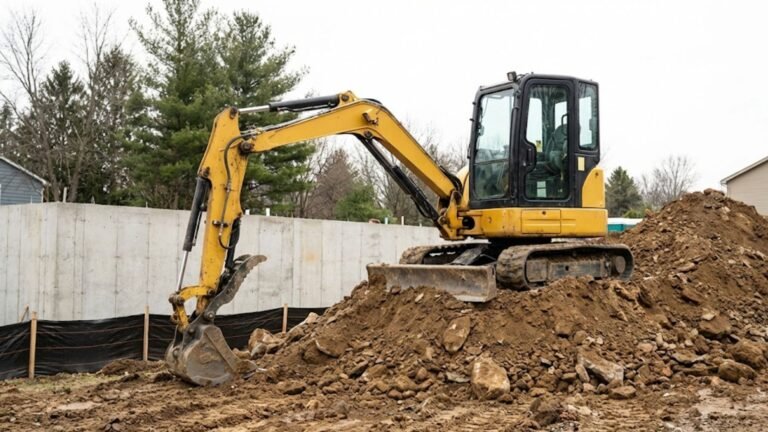
Preparation starts with calling 811 to mark underground utilities, preventing dangerous and expensive line strikes that can halt work for days while repairs happen. Contractors then clear the site, removing trees, brush, and debris, and strip the topsoil layer to stockpile for later reuse in final grading. Staking the foundation outline with string lines or spray paint ensures the dig matches architectural plans and zoning setbacks from property lines and wetland buffers, which can range from 10 to 100 feet depending on the municipality and environmental sensitivity of the area. Erosion controls go up during this phase too, with silt fences and stabilized entrances positioned to catch sediment before machinery churns the soil. This prep work takes 3 to 5 days on simple sites but can stretch to a week or two if clearing is heavy, surveys reveal boundary disputes, or wetland approvals require additional documentation. Skipping thorough prep to save a few days almost always backfires when problems surface mid-dig.
Foundation Digging and Pour
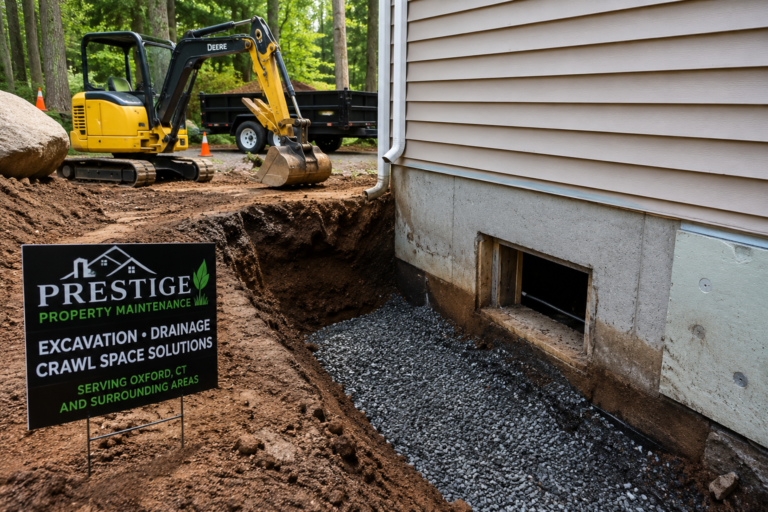
Foundation excavation starts with machinery cutting to the required frost depth of 42 to 48 inches, measured from final grade rather than existing ground level to account for backfill and landscaping. Trenches deeper than 5 feet require shoring or sloping per safety codes to prevent collapses that can injure workers and delay the project. Once the excavation reaches the correct depth, contractors lay a gravel base for drainage, install footing forms, and place steel reinforcement before pouring concrete. Building inspectors verify the depth, reinforcement, and footing dimensions before allowing the pour to proceed, ensuring the foundation can handle structural loads and resist frost heaving. After the footings cure for a day or two, crews pour foundation walls, which may happen in one continuous pour or in stages depending on the design and weather. The entire foundation phase typically takes 1 to 2 weeks for straightforward designs but can stretch longer if inspections get delayed, concrete suppliers have scheduling conflicts, or cold weather requires heated enclosures for curing.
Utility Trenches, Drainage, and Backfill
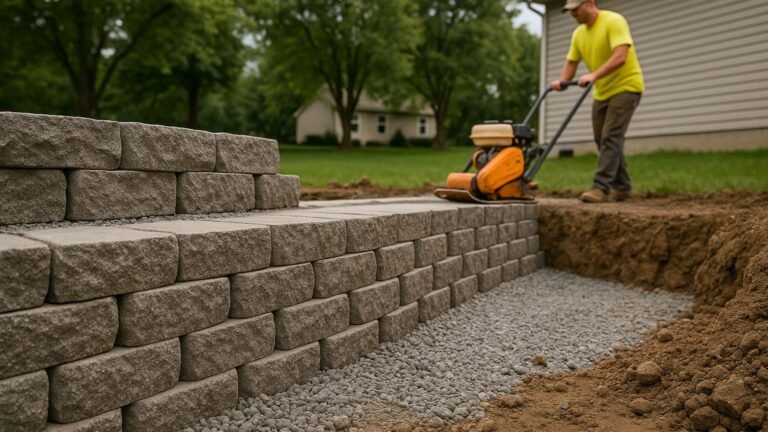
Once foundation walls stand, utility trenches branch out to connect sewer, water, gas, and electric lines to the house, with each utility buried at code-specified depths to prevent freezing or damage. Stormwater management features like swales, drywells, or perimeter drains get installed during this phase to handle runoff and keep water away from the foundation, meeting permit requirements for on-site infiltration. Contractors backfill utility trenches and foundation perimeters in compacted lifts rather than dumping soil all at once, preventing voids that cause settling and cracks later. Silt fences remain in place throughout this work, catching any sediment that rain might wash off the disturbed areas, and erosion standards require exposed soil to be stabilized within 14 days by mulching, seeding, or covering with mats. This phase typically takes 1 to 2 weeks on simple sites but can stretch longer if multiple utilities require coordination, drainage systems are complex, or wet weather slows compaction efforts. Proper backfilling and drainage installation during this phase prevent long-term basement flooding and structural issues that can cost thousands to fix after the house is built.
Additional Steps for Complex Excavation Sites
Complex sites with steep slopes, nearby wetlands, or challenging soil conditions add steps and time to the excavation process, but regional regulations and experienced contractors turn potential problems into manageable tasks with the right planning. Slopes may require stepped cuts or retaining walls to prevent erosion and create stable building platforms, while wetland buffers demand enhanced sediment controls and sometimes alternate access routes to avoid disturbing regulated areas. Rocky soil common across Connecticut and New York can slow digging and require rock hammers or blasting, extending the excavation timeline by days or weeks. Cold weather complicates nearly every phase, freezing the ground so machinery struggles to break through and preventing concrete pours unless contractors use heated enclosures or wait for spring. These challenges don’t make projects impossible, but they do demand realistic scheduling and budgets that account for the extra work and time needed to meet state building codes and environmental standards.
Handling Slopes, Wetlands, and Frost Challenges
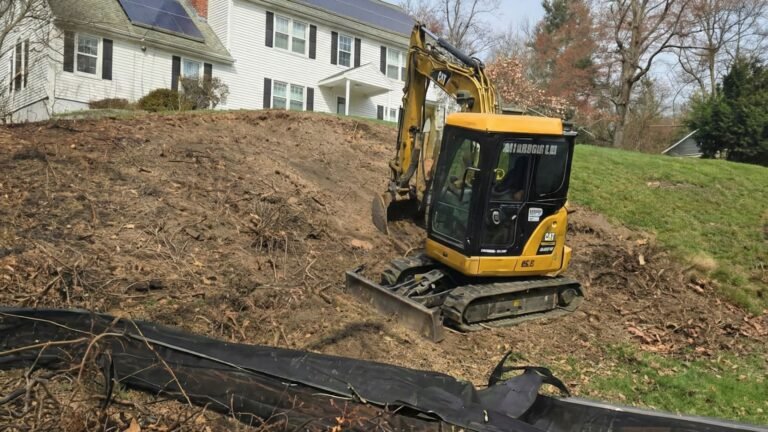
Steep slopes force contractors to cut stepped terraces or install retaining walls to create level areas for foundations, adding a week or two to the timeline while grading and wall construction happen. Wetland buffers in Connecticut can reach 100 feet from water bodies, requiring excavation plans that concentrate disturbance in approved areas and use reinforced silt barriers to catch sediment before it reaches sensitive habitats. Frost-protected shallow foundations offer an alternative to deep digs in some cases, using insulation and controlled drainage to prevent heaving, but these systems require engineering approval and careful installation. Rocky ledge or boulders may need removal with hydraulic hammers or controlled blasting, which adds costs and time while also triggering additional permitting and neighbor notifications. Wet, clayey soils common in low-lying areas slow compaction and may require soil stabilization additives or extra drying time before backfilling can proceed. Contractors experienced with these conditions build extra days into their schedules and communicate clearly with homeowners about delays, avoiding surprises that derail budgets or timelines.
Finishing Touches and Site Stabilization
Finishing work transforms a torn-up construction site back into a yard by addressing grading, drainage, and vegetation according to erosion and stormwater standards that mandate permanent stabilization before permits close. Contractors reapply stockpiled topsoil, grade surfaces to direct water away from the foundation, and seed or sod bare areas to prevent erosion and meet the 14-day stabilization deadline for exposed soil. Temporary seeding with fast-growing grasses like annual rye can hold soil while permanent landscaping gets planned, and mulch or erosion blankets protect steeper slopes until vegetation establishes. Debris removal, including excess soil, broken forms, and construction waste, happens during this phase to leave the site clean and ready for the next construction stage or move-in. Final inspections verify that erosion controls functioned as planned, stormwater features are operational, and the site matches approved grading plans, allowing permit sign-offs that release contractors from ongoing maintenance obligations. This finishing phase typically takes 1 to 2 weeks for straightforward sites but can stretch longer if weather disrupts seeding, grading reveals drainage issues, or inspectors require corrections to meet permit conditions.
Permits, Utilities, and Regulations in Connecticut and New York
Legal and regulatory prep often takes longer than the physical digging, but skipping these steps invites stop-work orders, fines, and project delays that can stretch timelines by months. Connecticut zoning permits control where buildings sit on lots, enforcing setbacks from property lines and sensitive features like wetlands or steep slopes, with application reviews taking anywhere from 2 to 8 weeks depending on municipal workload and project complexity. Stormwater permits from state environmental agencies apply to projects disturbing more than an acre, requiring detailed pollution prevention plans that show how contractors will manage sediment and runoff during construction. Building permits verify that foundation designs meet frost depth requirements and structural codes, with inspections at key stages like footing pour and backfill to confirm compliance. Utility coordination through 811 mark-out services is mandatory before any digging starts, protecting underground lines and preventing dangerous strikes that can injure workers and disrupt service to neighboring properties. Homeowners who understand these requirements can push contractors to start permit applications early, avoiding delays that compress the already tight construction season in the Northeast.
Zoning, Stormwater, and Utility Coordination
Zoning permit applications require site plans showing the proposed house location, driveway, and utilities, with review boards checking compliance with setback rules that can range from 10 feet for side yards to 50 feet or more for front yards depending on the municipality and lot size. Fees for zoning permits typically run $100 to $500, and approvals can take 2 to 8 weeks unless the project requires variances or public hearings, which extend timelines by months. Stormwater Pollution Prevention Plans for larger sites detail erosion controls, sediment barriers, and stabilization schedules, with state agencies reviewing these before issuing permits that authorize earth disturbance. The 811 call-before-you-dig service marks underground utilities within a few days, but contractors must maintain these marks and avoid working in frozen ground or wet conditions that obscure the markings. Spite laws in Connecticut and similar protections in New York prevent neighbors from blocking projects with malicious actions like building fences over 6 feet solely to annoy or interfere, ensuring excavation proceeds without legal harassment. Coordinating these requirements takes effort but prevents mid-project halts that cost far more in lost time and contractor standby fees than the upfront work to get permits right.
What Homeowners Should Prepare For and Do
Homeowners who actively manage their role during excavation keep projects moving smoothly and avoid misunderstandings that sour contractor relationships or delay work. Clear communication about access, timing, and expectations helps contractors plan equipment deliveries, schedule inspections, and coordinate utility connections without waiting for decisions or approvals. Being available for quick questions about layout adjustments or drainage preferences prevents contractors from making assumptions that might not match your vision, and walking the site regularly lets you spot potential issues like missed erosion controls or improper grading before they become expensive fixes. Securing pets and removing obstacles like swing sets or sheds from the work area prevents accidents and keeps machinery operating efficiently, while tracking weather forecasts helps you anticipate delays and adjust your schedule accordingly. Homeowners who treat excavation as a partnership with their contractor rather than a hands-off transaction get better results and fewer surprises.
Daily Expectations During Excavation
Noise from excavators, trucks, and compaction equipment dominates the site during active digging, typically running from 7 or 8 a.m. to 4 or 5 p.m. on weekdays, with mud and dust spreading beyond the immediate work area despite erosion controls. Access to your driveway or yard may be limited during heavy equipment movements, and contractors may ask you to park on the street or avoid certain areas while machinery operates. Foundation pours require concrete trucks and pump operators, creating short periods of intense activity followed by quieter curing times when little appears to happen but the project is actually progressing. Inspections bring building officials to the site for 15 to 30 minutes, and contractors need you available by phone to approve any layout adjustments or answer questions about utility locations and drainage preferences. The most disruptive period typically lasts 1 to 3 weeks during foundation digging and pouring, with activity tapering off during utility work and backfilling. Homeowners who accept this temporary disruption as part of the process handle the stress better than those expecting a quiet, clean job site.
Tips to Minimize Yard Disruptions
Scheduling excavation during dry weather in late spring or early fall avoids the worst mud and frozen ground issues, keeping the project moving faster and limiting how long your yard stays torn up. Securing pets indoors or in areas away from the work zone prevents accidents and keeps them safe from heavy machinery, and removing valuable landscaping or decorations before work starts avoids damage that contractors won’t always cover. Communicating clearly with neighbors about the timeline and noise expectations can prevent complaints that delay work, and spite laws offer legal protection if disputes arise over temporary fencing or equipment staging. Monitoring erosion controls like silt fences and asking contractors to repair them immediately if they fail keeps your project compliant and avoids fines or stop-work orders. Planning to be available during key milestones like layout staking, footing inspections, and final grading lets you sign off on work quickly and keeps the schedule on track. Homeowners who take these proactive steps shorten the overall disruption and improve the quality of the finished foundation.
Process Comparison Table: Simple vs. Complex Residential Excavation in Connecticut and New York
| Phase | Simple Site (Flat, Dry) | Complex Site (Slope/Wetlands) |
|---|---|---|
| Prep & Layout | 3 to 5 days with basic clearing and staking | 1 to 2 weeks accounting for wetland buffers and enhanced erosion setups |
| Foundation Dig | 1 week to reach frost depth and pour footings | 2 weeks with deeper frost requirements, stepped cuts, or shoring |
| Utilities/Drainage | 1 week for standard connections and basic grading | 2 weeks adding swales, drywells, and reinforced sediment controls |
| Backfill/Stabilization | 1 to 2 weeks to backfill trenches and apply temporary seeding per erosion standards | 2 to 3 weeks with extra compaction, grading, and vegetation on slopes |
| Total Timeline | 4 to 6 weeks from mobilization to site stabilization | 6 to 8 weeks or more with weather delays and complex terrain |
This comparison shows how site conditions directly affect excavation duration, helping homeowners set realistic timelines based on their specific property rather than generic estimates.
Common Mistakes Homeowners Make During Residential Excavation
Skipping the 811 utility locate call to save a day or two risks hitting gas, electric, or water lines that can cause injuries, service disruptions, and repair costs far exceeding any time savings, and most states make this call legally mandatory before digging. Failing to file required stormwater permits for projects disturbing more than an acre invites stop-work orders and fines that can halt construction for weeks while paperwork gets sorted out. Choosing contractors solely on the lowest bid without verifying licenses, insurance, and references often leads to corner-cutting on erosion controls, improper backfilling, or missed inspections that create long-term problems. Ignoring access planning leaves contractors waiting while you move vehicles or clear paths, adding delays that compound across the project timeline. Failing to walk the site during inspections means you miss opportunities to catch grading issues or drainage problems before they’re buried under backfill. Homeowners who avoid these mistakes keep excavation moving smoothly and protect their investment in a solid, code-compliant foundation.
Preparing Your Property for Residential Excavation in Connecticut and New York
Preparation starts weeks before machinery arrives, with 811 calls to mark utilities, vegetation clearing to expose the work area, and boundary surveys to verify setback compliance with zoning rules before any digging starts. Removing obstacles like sheds, swing sets, or firewood piles from the excavation zone prevents damage and keeps equipment operating efficiently without interruptions to move things mid-project. Coordinating with contractors on staging areas for equipment and soil stockpiles concentrates disturbance in planned locations rather than spreading mud and debris across your entire property. Notifying neighbors about the project timeline and expected noise shows consideration and can prevent complaints that delay work, while spite laws offer legal protections if disputes arise. Securing permits and approvals before mobilization avoids mid-project stops that waste contractor time and add costs. Homeowners who handle these preparation tasks create conditions for smooth, predictable excavation that minimizes stress and surprises.
Frequently Asked Questions About Excavation for New Home Construction
Q: What is the typical residential excavation process?
A: The process starts with site prep and utility locates, moves to foundation digging and pouring to frost depth requirements of 42 to 48 inches, continues with utility trenches and drainage installation, and finishes with backfilling and stabilization. Total timelines run 4 to 8 weeks for most new home sites, with variations based on complexity.
Q: How long does excavation disruption last on a typical residential lot?
A: Core digging and foundation work disrupt your yard for 1 to 3 weeks, but full recovery including backfill, grading, and seeding stretches to 4 to 8 weeks as contractors meet mandatory stabilization deadlines and complete final inspections.
Q: Are permits required for residential excavation in Connecticut and New York?
A: Yes, zoning permits verify setback compliance, building permits confirm foundation designs meet frost codes, and stormwater permits apply to projects disturbing more than an acre. Skipping permits invites stop-work orders and fines.
Q: What should I expect on excavation day one?
A: Contractors mobilize equipment, set up erosion controls like silt fences, strip topsoil for stockpiling, and stake the foundation outline. No deep digging happens yet as crews verify layouts and prepare the site for heavy work.
Q: How can I prepare my yard for excavation?
A: Call 811 to mark utilities, clear obstacles from the work area, notify neighbors about timelines, and plan pet and vehicle access around contractor schedules. Early preparation prevents delays and keeps the project moving smoothly.
Q: What happens if I skip required permits?
A: Building departments can issue stop-work orders that halt excavation until permits are filed and approved, adding weeks or months to your timeline and potentially requiring expensive corrective work if digging didn’t meet codes.
Q: How do slopes and wetlands affect excavation timelines?
A: Wetland buffers require setbacks and enhanced erosion controls, while slopes demand stepped cuts or retaining walls, adding 1 to 2 weeks or more to standard timelines for the extra grading and protection measures.
Q: Can excavation happen in winter?
A: Frozen ground slows digging, and concrete pours need heated enclosures or delays until spring, often doubling timelines compared to summer work. Most contractors recommend scheduling excavation during milder months when possible.
Final Thoughts
Residential excavation for new home construction in Connecticut and New York transforms your lot over 4 to 8 weeks, with deeper frost-compliant digs, mandatory erosion controls, and sequenced inspections creating a predictable path from bare ground to stable foundation. Understanding each phase from site prep through stormwater management and stabilization helps you anticipate the temporary disruption and recognize when progress matches expectations. Slopes, wetlands, and zoning buffers add complexity but don’t prevent success when experienced contractors plan for regional challenges.
If you’re starting a new home project in Connecticut and need excavation work that respects local codes, protects your property, and delivers on promised timelines, Prestige CT Excavation & Drainage brings the expertise and equipment to handle everything from simple foundations to complex sites with slopes and drainage challenges. Our team coordinates permits, manages erosion controls, and communicates clearly so you know what’s happening at every stage. Reach out today to discuss your project and get a timeline and quote that reflects the realities of Northeast construction, setting you up for a smooth build from the first dig to the final seeding.