Excavation for Patios Near Me in Oxford CT
When Oxford CT homeowners imagine adding a patio, many picture the finished product but worry about the in-between chaos. How long will the yard be torn up? Will machines damage plantings or nick underground lines? What happens if the base isn’t deep enough for Connecticut’s harsh freeze-thaw cycles? These questions multiply when excavation crews arrive, stakes go in, and the first shovel breaks ground for hardscaping projects that touch frost depth rules, impervious coverage limits, and stormwater drainage requirements. Local contractors follow a structured sequence from 811 utility locates through base compaction to final restoration, typically completing residential patio excavation in two to five days with contained disruption on standard lots. Understanding each phase helps anxious homeowners anticipate noise, access paths, spoil piles, and the timeline from trenches back to usable outdoor space.
Key Takeaways
- Patio Excavations Span 2-5 Days in Oxford CT: Flat 300-400 sq ft jobs often finish in two to three days, while projects on slopes or requiring deeper frost bases and advanced drainage extend to five days based on industry standards.
- Base Depth Prevents Frost Heave: Contractors excavate eight to twelve inches below Connecticut’s 42-inch frost line for proper gravel compaction that resists winter heaving.
- Preparation Prevents Surprises: Calling 811 for utility marks, staking setback boundaries, and checking zoning for impervious limits (often 20-75% depending on zone) happen upfront to avoid mid-project halts.
- Gravel Layers and Drainage Are Key: Compacted four to six inch base layers sloped for runoff tie into stormwater regulations that govern how hard surfaces shed water.
- Oxford CT Permits Vary: Zoning review for coverage and setbacks is common, and Home Improvement Registration is required for contractors doing residential work at one to six family homes.
- Restoration and Walkthrough Are Standard: Turf reinstall, sediment cleanup, and final grading complete the job, returning the yard to normal faster than most homeowners expect.
Understanding the Patio Excavation Process in Oxford CT
Professional excavation for hardscaping projects follows predictable steps on Northeast residential lots where trees, clay soils, and codes mandate frost protection, setbacks, and erosion controls. Contractors can’t simply dig anywhere and hope for the best, rushing through basements or shallow slabs that heave the first winter. Connecticut spite laws block malicious structures harming neighbors, and raised or walled patios often count as impervious surface under zoning regulations, adding compliance layers before machines roll.
Oxford’s wooded yards and tight setbacks require initial clearing, utility flags, and zoning verification for typical 10-20 foot side and rear yard minimums before excavation begins, adapting site preparation for slope access and existing landscape features. Contractors experienced with local conditions understand that Oxford zoning regulations vary by district, making upfront consultation necessary to confirm impervious coverage limits and avoid neighbor disputes over property line excavation that crosses boundaries. This structured approach transforms anxious “what happens next?” questions into clear phases with defined timelines and outcomes.
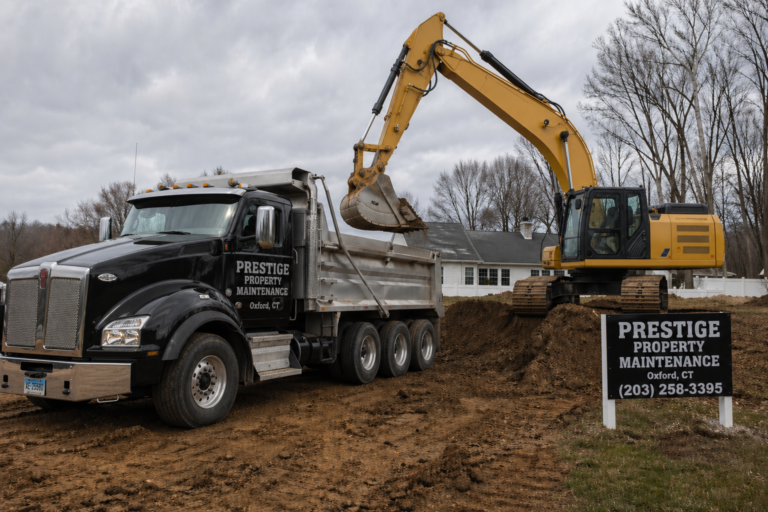
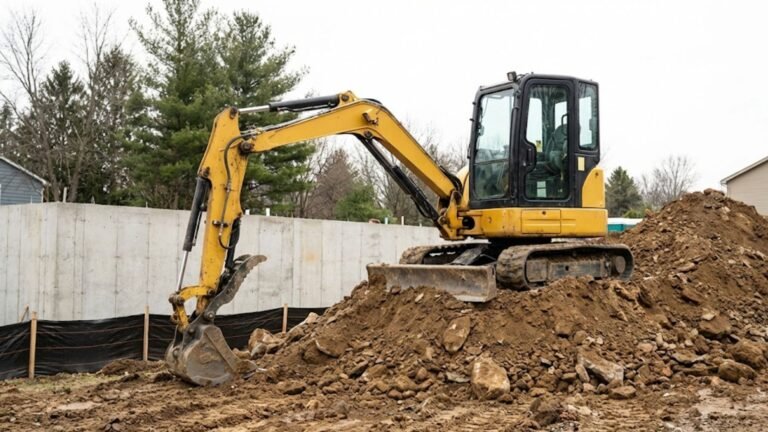
The excavation equipment access path gets planned early, protecting turf outside the work zone and minimizing compaction from repeated machine passes. Spoil pile management follows safety standards that keep excavated soil at least two feet back from trench edges, preventing collapse hazards while the base gets built. Daily cleanup controls sediment and mud, addressing stormwater drainage concerns and keeping neighbors happy during the hardscape project phases.
Local Patio Environment and Process Needs
Oxford homeowners live on lots that often feature mature trees, sloping terrain, and soil conditions ranging from sandy loam to dense clay, all of which affect yard excavation process details. Contractors must work around tree roots without damaging them, grade for proper drainage on hillsides, and adjust compaction techniques for clay that holds water differently than gravel. Connecticut’s frost line depth of 42 inches means patio base preparation must reach well below that threshold, typically eight to twelve inches of compacted gravel below the frost zone, to prevent heaving when groundwater freezes and expands.
Local zoning codes in Oxford regulate setbacks from property lines and limit total impervious surface to percentages that vary by residential zone, often ranging from 20% in low-density areas to 75% in village districts. These rules mean contractors verify lot coverage before digging, confirming the new patio won’t push the property over its allowed limit and trigger zoning enforcement or require variance applications. State regulations treat solid patios as impervious in stormwater calculations, so planning includes slope and drainage details that prevent water from pooling or running toward foundations and neighboring lots.
National vs. CT Installation Timelines
Standard residential patio excavation timelines stretch in Connecticut due to frost depth digging, compaction testing, and stormwater regulations that demand more than quick surface grading. Where a flat Sunbelt patio might finish in one to three days from dig to usable surface, Oxford CT averages two to five days for comparable square footage because of the deeper base requirements and regulatory alignment with local zoning and state environmental rules. Industry standards for patio base preparation typically call for multiple compacted lifts of gravel or crushed stone, each requiring time to settle and test before the next layer or final surface goes down.
Typical Timeline Ranges by Patio Size
A straightforward 300 square foot patio on flat, accessible ground with no utility conflicts may complete excavation and base work in two to three days, allowing for 811 utility locate time before digging and one to two days of machine work and compaction. Larger patios approaching 400-600 square feet, or projects on sloped sites requiring retaining walls or stepped grading, extend to four to five days or more as contractors manage additional soil removal, drainage installation, and base layer grading. Connecticut excavation regulations emphasize safety and proper notification, adding administrative steps that responsible contractors build into their schedules rather than rushing through.
Oxford CT zoning setback verification and impervious coverage checks add a pre-dig phase that doesn’t physically disturb the yard but prevents costly rework if the project violates local codes. Contractors may spend a day or more marking boundaries, confirming utility locations, and obtaining any required permits or zoning approvals before equipment arrives, compressing the “yard torn up” window into the actual excavation and base building days rather than spreading disruption across an uncertain timeline.
Day-by-Day Breakdown Models
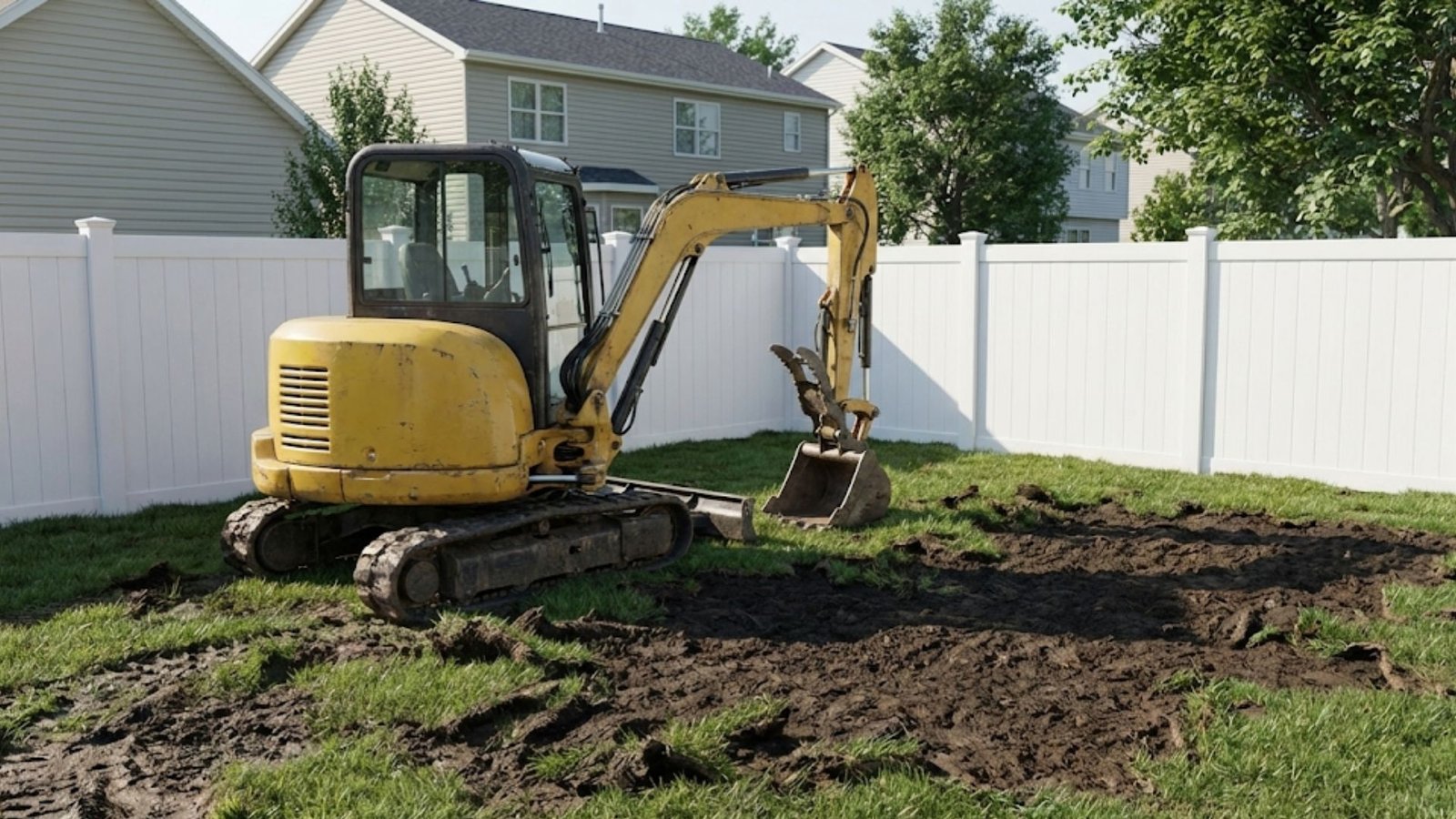
A typical patio excavation timeline in Oxford CT unfolds as follows, though specific conditions vary by site. Day one focuses on site preparation and layout, consuming four to eight hours for final utility confirmation, sod stripping along marked boundaries, and setting up equipment staging areas with spoil pile locations that keep excavated soil safely back from trench edges. No full trenches appear yet, so the yard looks orderly but clearly marked for the next phase.
Day two brings excavation and base layer installation, with machines digging to the planned depth (often ten to twelve inches total below finished grade), removing soil, and beginning the first lift of compacted gravel. This is the peak disruption day when noise, dust, and open trenches dominate, but professional crews contain the work zone and manage access so homeowners and neighbors can navigate their properties safely. Days three and four involve additional base compaction in lifts, installation of any drainage features or edge restraints, and grading the base to proper slope for runoff, with each layer tested for density before the next goes down.
Day five, when required, handles final restoration including excess soil hauling, turf regrading or reinstallation, surface cleaning, and a walkthrough inspection with the homeowner to confirm proper drainage slope and finish quality. Simple projects may skip this full day, folding cleanup into day three or four, while complex installs with retaining walls or extensive slope work extend the schedule but still follow the same logical sequence from preparation through base building to restoration.
Key Steps in the Patio Excavation Process
Professional excavation for hardscaping projects breaks into distinct phases that build reliable bases for pavers, stone, or concrete slabs while aligning with regional safety and drainage codes. Each step addresses specific technical requirements and homeowner concerns, from avoiding underground utility strikes to controlling stormwater runoff and meeting zoning setbacks. Contractors coordinate these phases to minimize yard disruption and deliver finished patios that perform well through Connecticut’s freeze-thaw cycles without heaving, settling, or shedding water toward foundations.
Site Preparation and Layout
Before any soil moves, contractors dial 811 to initiate Connecticut’s Call Before You Dig system, which notifies utilities to mark gas, electric, water, sewer, cable, and phone lines with color-coded flags and paint. This process typically requires three business days, during which utility companies send locators to the property to identify underground infrastructure and prevent dangerous or costly strikes during excavation. Homeowners see a rainbow of flags appear in the work zone, each color representing a different utility type and defining where machines can and cannot operate.
Once utilities are marked, crews strip sod and topsoil from the patio footprint, stockpiling usable material for later reinstallation or hauling away excess depending on project needs and grading plans. Stakes and string lines outline the exact boundaries, verifying the layout matches design plans and complies with zoning setbacks that typically range from five to fifteen feet from side and rear property lines in Oxford residential zones. Contractors confirm impervious coverage caps by calculating existing hard surfaces (driveway, walkways, existing patios) plus the new patio area, ensuring the total stays within allowed percentages to avoid zoning violations.
Site preparation for patios also includes marking access routes for excavation equipment and identifying spoil pile locations that keep excavated soil at least two feet back from trench edges per OSHA excavation safety standards, preventing soil from tumbling back into the dig or creating collapse hazards. This phase sets the stage for controlled, efficient excavation with minimal surprises and clear communication about what the yard will look like each day.
Excavation and Base Compaction
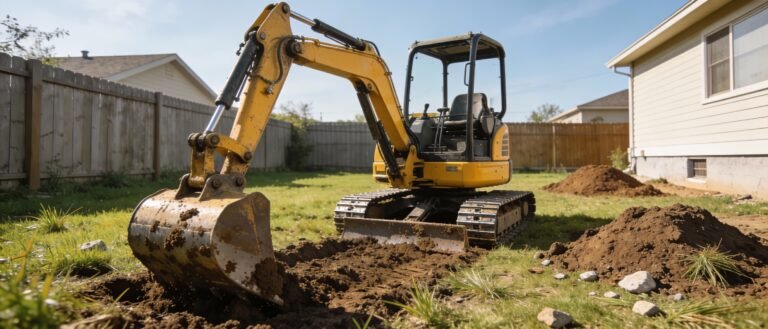
Excavation begins with machines removing soil to the planned depth, typically eight to twelve inches below the final patio surface to accommodate gravel base layers that extend well below Connecticut’s 42-inch frost line when combined with underlying undisturbed soil. Frost line requirements ensure bases reach depths where freeze-thaw action won’t lift or crack the hardscape, protecting the homeowner’s investment against seasonal ground movement. Contractors adjust excavation depth based on soil type, with clay often requiring slightly deeper or more extensive gravel bases to manage drainage and prevent heaving.
Spoil piles grow as excavated material gets temporarily stockpiled in designated areas, with crews monitoring trench stability and ensuring safe access for workers through ramps, ladders, or stepped sides depending on depth and duration of the open excavation. OSHA trench safety rules apply protective system requirements for trenches deeper than five feet and general safe practices for all depths, including keeping heavy equipment and spoil piles back from edges to prevent collapse. Residential patio digs rarely exceed the five-foot threshold, but contractors still follow best practices that keep the site safe for workers and passersby.
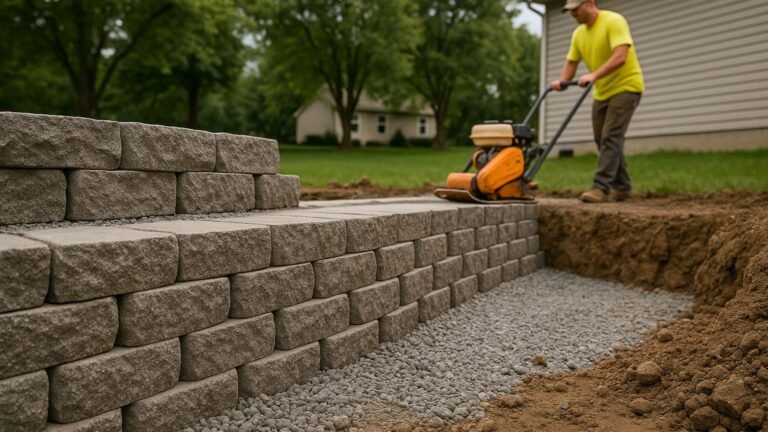
Base compaction happens in lifts, with gravel or crushed stone placed in four to six inch layers and mechanically compacted using plate compactors or rollers to achieve density that won’t settle or shift under the patio surface. Each lift gets tested or visually confirmed for proper compaction before the next layer goes down, building a stable foundation that distributes loads evenly and resists frost heave. This staged process takes time but delivers long-term performance, especially in Northeast freeze-thaw cycles that punish shallow or poorly compacted bases with cracking and uneven settling.
Drainage, Surfacing, and Edges
Proper drainage slope gets built into the base layers, with contractors grading surfaces to shed water at one-eighth to one-quarter inch per foot away from the house and toward lawn, drainage swales, or stormwater management features. This slope prevents water from pooling on the patio or running back against foundations, addressing both homeowner comfort and Connecticut stormwater regulations that treat solid patios as impervious surfaces requiring managed runoff. Geotextile fabric often goes between soil and gravel to stabilize the base and prevent mixing that reduces drainage efficiency over time.
Edge restraints get installed last to hold pavers or stones in place, creating crisp boundaries and preventing lateral creep that can throw off level and alignment over years of use. These restraints vary from plastic or aluminum edging to concrete curbs, chosen based on patio design and budget. Final grading brings the base to exact elevation for the chosen surface material, whether pavers, flagstone, or poured concrete, with careful attention to maintaining drainage slope and creating smooth transitions to surrounding lawn or walkways.
Contractors coordinate base preparation with surface installation schedules, ensuring each phase flows logically without delays that leave open trenches or unprotected bases exposed to rain or foot traffic. This sequencing keeps the yard disruption window tight and delivers a finished patio ready for furniture and use as soon as the surface cures or settles into place.
Additional Steps for Complex Installs
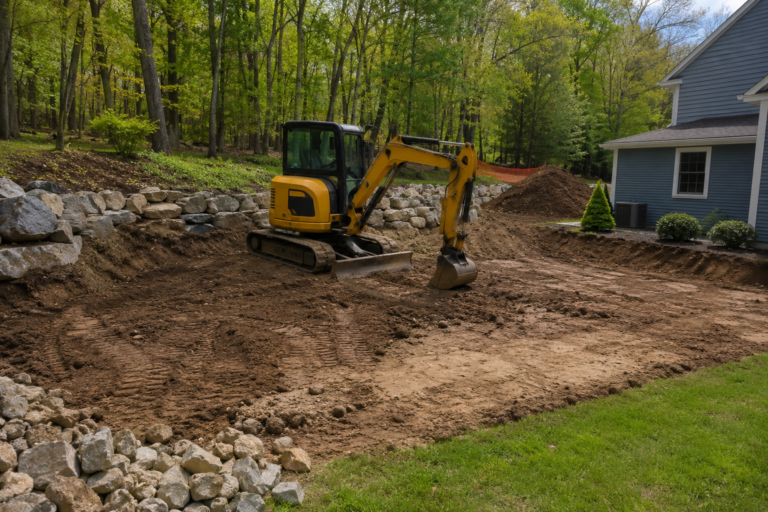
Full-scope patio excavation projects tackle Connecticut challenges like significant slopes, poor drainage, proximity to wetlands or streams, and tight access that requires smaller equipment or hand digging in constrained areas. These factors add phases to the standard dig and base sequence, extending timelines but addressing site conditions that would otherwise compromise long-term performance or violate environmental and zoning rules. Homeowners with challenging lots can expect contractors to propose solutions like retaining walls, French drains, or staged grading that handle complexity without cutting corners.
Handling Slopes, Drainage, and Wetlands
Sloped sites often require retaining walls or terraced grading to create level patio surfaces, adding excavation depth on the uphill side and potentially requiring structural engineering or building permits depending on wall height. These walls stabilize soil, prevent erosion, and define outdoor living spaces on hillside properties common in Oxford’s varied terrain. Excavation for hardscaping projects on slopes also involves more extensive drainage installation, such as perforated pipe wrapped in gravel to intercept groundwater before it saturates the patio base.
Properties near wetlands, streams, or regulated watercourses face additional permitting and erosion control requirements, with contractors installing silt fences, sediment barriers, or temporary vegetation to prevent soil from washing into protected areas during excavation. Connecticut construction stormwater permits apply when projects disturb more than one acre or meet other thresholds, mandating erosion and sediment control plans that professional contractors build into their work practices even on smaller residential jobs. These measures extend project timelines by one to two days but protect water quality and avoid enforcement actions or fines.
Extended base preparation on complex sites may involve soil amendments, deeper gravel layers, or engineered drainage systems that go beyond standard four to six inch compacted stone. Contractors assess soil bearing capacity and adjust designs to prevent settling or failure, particularly in areas with expansive clay or loose fill that won’t support hardscape loads without reinforcement. This thorough approach costs more upfront but eliminates callbacks and ensures patios perform as expected through decades of use.
Finishing Touches and Yard Restoration
Once the patio base and surface are complete, restoration brings the surrounding yard back to normal or better condition than before excavation began. Contractors haul excess spoil offsite or redistribute it to low spots and grade transitions, avoiding piles that sit for weeks and kill turf or create eyesores. Disturbed lawn areas get regraded to proper slope, then reseeded or sodded depending on season, budget, and homeowner preference for immediate versus gradual green-up.
Surface cleaning removes construction dust and debris from patios and walkways, with crews sweeping and washing hard surfaces to reveal finished colors and textures. Final walkthroughs with homeowners confirm drainage slope works as designed, edges are secure, and any temporary damage to plantings or existing hardscape gets addressed before the contractor demobilizes. Debris removal avoids neighbor disputes and leaves the property ready for outdoor furniture and enjoyment without additional cleanup tasks for the homeowner.
Sediment control measures stay in place until disturbed areas stabilize, typically a few days to a week depending on weather and whether sod or seed was used. Contractors inspect and maintain these controls to prevent mud from washing into streets or storm drains, fulfilling environmental compliance responsibilities and maintaining professional standards that build community trust and referrals.
Permits, Utilities, and Regulations in Oxford CT
Legal preparation prevents project halts mid-dig, when rework or permit applications would extend timelines and frustrate everyone involved. Oxford CT homeowners benefit from contractors who understand local zoning codes, state utility notification rules, and stormwater requirements, building compliance into project planning rather than treating it as an afterthought. This upfront diligence separates professional excavation for hardscaping projects from DIY efforts that trigger stop-work orders or code violations.
Zoning and Utility Coordination
Oxford zoning regulations govern impervious surface coverage as a percentage of lot area, with limits varying by residential zone from 20% in low-density districts to higher percentages in village or commercial areas. Contractors calculate existing coverage from driveways, walkways, sheds, and any prior patios, then add the proposed patio square footage to verify the total stays within allowed limits. Exceeding these caps may require zoning variance applications with public hearings and neighbor notification, adding weeks or months to the project timeline and uncertain approval outcomes.
Setback requirements typically mandate five to fifteen feet from side and rear property lines for accessory structures and hardscaping, though specific distances vary by zone and property configuration. Contractors stake the patio layout to confirm it respects these setbacks before excavation begins, avoiding encroachment disputes that force partial or complete removal of finished work. Front yard setbacks are often more restrictive, sometimes prohibiting patios entirely in areas visible from the street to maintain neighborhood character and conformity with architectural guidelines.
Connecticut’s 811 Call Before You Dig law makes utility notification mandatory before any excavation, with contractors required to provide notice at least three business days in advance and to identify the boundaries and expected depth of the dig area. Utility companies respond by marking underground lines with color-coded flags and paint, creating a map of what lies beneath that guides safe digging. Contractors who skip this step risk gas explosions, electric shocks, water main breaks, and fiber optic cable cuts that endanger lives, disrupt service to entire neighborhoods, and trigger steep fines plus repair costs.
Home Improvement Registration requirements apply to contractors performing excavation or related hardscaping work at one to six family residential properties, mandating state registration that confirms basic business legitimacy and consumer protections. Homeowners can verify contractor registration online before signing contracts, ensuring the company operates legally and carries required insurance. Stormwater permits become relevant when projects disturb more than one acre or meet other thresholds, though most residential patios fall below these limits and instead follow general erosion and sediment control best practices without formal permitting.
What Homeowners Should Prepare For and Do
Understanding daily expectations during patio excavation reduces anxiety and helps homeowners support smooth project completion. Contractors appreciate clients who ask informed questions, provide site access as planned, and respond promptly when decisions or approvals are needed. This collaboration keeps timelines on track and ensures the finished patio matches the homeowner’s vision for outdoor living space.
Daily Expectations During Excavation
Noise and dust peak on excavation days one and two when machines dig trenches and move soil, with activity typically running seven to nine hours during daylight to respect neighborhood quiet hours. Homeowners should plan for vibration from compaction equipment and periodic backup alarms as machinery maneuvers in tight spaces. Contractors mark access paths for workers and equipment, asking that cars, toys, and obstacles stay clear to avoid delays and safety hazards.
Layout and final grade approvals happen on-site, with contractors seeking homeowner sign-off before irreversible steps like pouring concrete or cutting pavers to fit. These walkthroughs take fifteen to thirty minutes and catch misunderstandings early, when adjustments cost far less than post-completion changes. Homeowners who review plans carefully and communicate preferences upfront minimize change orders and keep projects flowing smoothly.
Spoil pile locations and temporary staging areas occupy yard space outside the patio footprint, with contractors typically restoring these areas during final grading and cleanup. Homeowners should expect some temporary mess but can verify restoration timelines and methods upfront to avoid surprises. Professional crews contain disruption and clean daily, keeping mud off sidewalks and driveways to maintain good neighbor relations.
Tips to Minimize Disruptions
Clearing yard items like furniture, planters, grills, and play equipment from the work zone and access paths before crews arrive saves time and prevents damage to belongings. Homeowners should secure pets indoors or in fenced areas away from excavation, as open trenches and machinery pose serious hazards to curious animals. Scheduling excavation during dry weather windows reduces mud and delays, with contractors often checking forecasts and adjusting start dates if heavy rain threatens to waterlog soil or wash out fresh base layers.
Communicating with neighbors about project timelines and expected noise helps maintain goodwill, especially in tight suburban settings where property lines sit close together. Homeowners can offer brief courtesy notifications a day or two before excavation begins, setting realistic expectations for temporary disruption and providing contractor contact information if issues arise. This proactive approach prevents complaints and fosters understanding that supports smooth project completion.
Process Comparison Table: Simple vs. Complex Patio Excavation in Oxford CT
| Phase | Simple Install (Flat 300 sq ft) | Complex Install (Slope/Drainage) |
|---|---|---|
| Prep & Layout | 4-8 hours, 811 locates, sod strip | 1 day with buffers, stormwater planning, retaining layout |
| Excavation/Base | 1 day dig and first gravel lift | 2 days deeper frost base, slope grading |
| Compaction/Surfacing | 1 day multi-lift compaction, edge install | 1-2 days sloped base, drainage tie-ins |
| Restoration | Half day soil haul, grade, seed | 1 day terracing, extensive turf repair |
| Total Timeline | 2-3 days on-site | 4-5+ days on-site |
This comparison shows how site conditions and regulatory requirements extend timelines, but both project types follow the same core sequence of preparation, excavation, base building, and restoration. Homeowners can use these benchmarks to evaluate contractor estimates and understand whether their property presents simple or complex challenges for excavation for hardscaping projects.
Common Mistakes Homeowners Make During Patio Excavation
Bypassing the 811 utility locate process risks gas explosions, electric shocks, and service disruptions that endanger lives and trigger legal liability, yet some homeowners attempt DIY digs or hire unlicensed contractors who skip this mandatory step. Connecticut law requires notification before any excavation, with no exceptions for small jobs or backyard projects. Homeowners who ignore this rule face fines and full responsibility for damage and injuries.
Shallow patio bases invite frost heave when winter freezing lifts and cracks surfaces, creating trip hazards and drainage failures that require expensive tear-out and reinstallation. Connecticut’s 42-inch frost line means bases must extend well below this depth through proper excavation and gravel compaction, a requirement some budget-focused homeowners try to shortcut by accepting minimal digging and thin stone layers. These shortcuts fail within a few freeze-thaw cycles, costing far more than doing the job right initially.
Ignoring zoning setbacks and impervious coverage limits triggers enforcement actions, fines, and mandatory removal of non-compliant hardscaping that encroaches on required side yards or exceeds allowed coverage percentages. Homeowners who assume “it’s my property, I can do what I want” discover too late that local codes govern structure placement and lot coverage to protect property values, drainage patterns, and neighborhood character. Checking regulations before excavation prevents these costly mistakes.
Skipping final walkthroughs and drainage testing leaves homeowners uncertain whether slopes shed water properly or bases were compacted to specification, with problems only becoming apparent months later when settling or puddling appears. Professional contractors welcome inspection and testing, using walkthroughs to confirm quality and educate homeowners about proper patio maintenance and seasonal care.
Preparing Your Property for Patio Excavation in Oxford CT
Calling 811 at least three business days before planned excavation gives utility companies time to send locators who mark underground lines and prevent dangerous strikes during digging. Homeowners or contractors initiate this free service by phone or online, providing property address and dig area details that guide the locate crew. Marked utilities appear as color-coded flags and spray paint, with each color representing a different service type that machines and hand tools must avoid.
Trimming overgrown vegetation and removing obstacles from the work zone and equipment access paths speeds project setup and reduces damage to plantings the homeowner wants to keep. Contractors appreciate clear communication about which trees, shrubs, and landscape features are priorities for protection, allowing them to route machine paths and spoil piles accordingly. This collaboration minimizes restoration work and preserves mature plantings that add value and beauty to the property.
Confirming property boundaries through surveys or existing markers prevents encroachment on neighbor land and ensures setbacks get measured from accurate lines rather than assumptions. Oxford CT lots with old surveys or unclear boundaries benefit from professional survey updates before excavation, avoiding disputes that halt work and require legal resolution. Zoning setback rules measure from true property lines, making accurate boundaries essential for compliant patio placement.
Frequently Asked Questions About Patio Excavation Process Near Me in Oxford CT
Q: What is the typical patio excavation process?
A: The typical process starts with utility locating via 811, followed by site preparation and sod stripping, then excavation to depth, gravel base installation in compacted lifts, drainage grading, edge restraint installation, surface laying, and final yard restoration. Residential projects in Oxford CT generally complete in two to five days depending on size and complexity, with each phase building on the previous to create stable, code-compliant hardscaping.
Q: How deep do you excavate for patios in CT?
A: Contractors excavate eight to twelve inches below the finished patio surface to accommodate compacted gravel base layers, with total depth extending well below Connecticut’s 42-inch frost line when combined with underlying undisturbed soil. This depth prevents frost heave during winter freeze-thaw cycles that would otherwise lift and crack shallow bases, protecting the investment and ensuring long-term performance.
Q: Are permits required for patio excavation in Oxford CT?
A: Zoning review for impervious coverage and setback compliance is common, though formal building permits for simple patios may not be required depending on size and construction method. Homeowners should check Oxford zoning regulations and verify contractor Home Improvement Registration status before work begins. Stormwater permits apply to larger projects disturbing more than one acre, while 811 utility notification is mandatory for all excavations.
Q: What should I expect on excavation day 1?
A: Day one focuses on final utility review, boundary staking, sod and topsoil stripping, and equipment staging setup, with no full trenches yet. Contractors confirm access paths, spoil pile locations, and layout details with the homeowner, taking four to eight hours to complete preparation phases that set up efficient excavation on day two. Expect marked flags, stripped turf in the patio footprint, and organized staging areas but minimal noise or deep digging.
Q: How can I prepare my yard for patio excavation?
A: Remove furniture, grills, planters, toys, and other obstacles from the work zone and access paths, secure pets away from excavation areas, and trim back vegetation that might interfere with equipment. Confirm utility marking is complete via 811, verify property boundaries if uncertain, and communicate with neighbors about project timelines. Clear access and good preparation allow contractors to work efficiently and minimize disruption.
Q: How long will my yard be torn up during patio excavation?
A: Typical residential patio excavation in Oxford CT disturbs the yard for two to five days on-site, with the “worst” torn-up appearance lasting one to two days during peak excavation and base installation. Contractors contain work zones, manage spoil piles, and begin restoration as soon as base and surface work finishes, bringing visible order back quickly. Lawn areas regrade and reseed or sod during final restoration, with full recovery taking one to two weeks for grass to establish depending on season and method.
Q: What drainage considerations apply to patio excavation in Connecticut?
A: Patio bases must slope one-eighth to one-quarter inch per foot away from the house to shed water toward lawn, swales, or stormwater management features, preventing pooling and foundation damage. Connecticut stormwater regulations treat solid patios as impervious surfaces that increase runoff, making proper grading and drainage planning essential for code compliance and long-term performance. Contractors install geotextile fabric and compacted gravel bases that drain freely while supporting surface loads through freeze-thaw cycles.
Final Thoughts
Patio excavation in Oxford CT follows a clear sequence from 811 utility locates through base compaction to final yard restoration, typically completing in two to five days on residential properties. Homeowners who understand each phase, from pre-dig zoning checks and setback verification to frost-depth excavation and stormwater-compliant drainage grading, can anticipate timelines and minimize disruption while contractors deliver stable hardscaping. Connecticut’s 42-inch frost line, impervious coverage limits, and mandatory utility notification add regulatory layers that responsible contractors navigate smoothly, preventing callbacks and ensuring patios perform well through decades of Northeast freeze-thaw cycles. Professional excavation for hardscaping projects transforms anxious “how long will my yard be torn up?” questions into transparent timelines with contained mess and quick recovery.
Investing in proper excavation and base preparation pays long-term dividends through patios that resist heaving, settling, and drainage problems, maintaining beauty and function season after season. Skipping frost-depth digging or ignoring zoning setbacks creates expensive headaches when winter damage or enforcement actions force rework, while thorough planning and execution deliver outdoor living spaces that enhance property value and enjoyment for years. Homeowners who partner with registered contractors, verify permits and coverage upfront, and support efficient site access set their projects up for success.
When you’re ready to start your patio project in Oxford CT, Prestige Excavation & Drainage of CT brings specialized experience in residential site work, drainage solutions, and hardscape base preparation that handles local soil conditions, zoning requirements, and stormwater compliance. Their team coordinates utility locates, manages excavation with minimal yard disruption, and delivers properly graded, compacted bases that stand up to Connecticut winters. Contact Prestige Excavation & Drainage of CT to discuss your patio vision, verify zoning requirements, and receive a detailed estimate that outlines timelines, restoration plans, and the professional approach that transforms outdoor spaces throughout Oxford and surrounding communities.