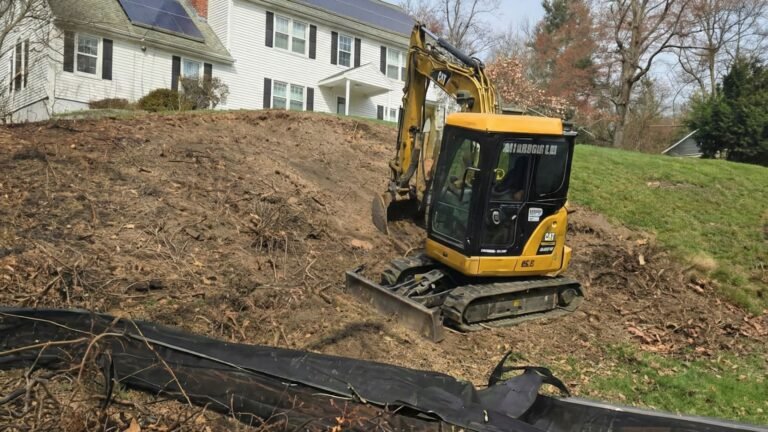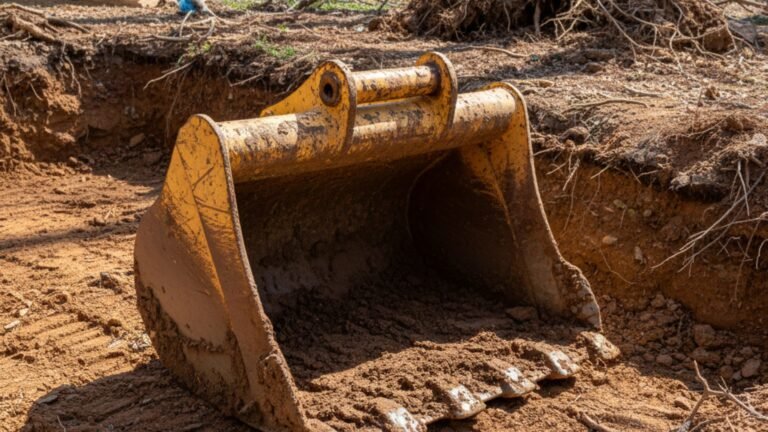
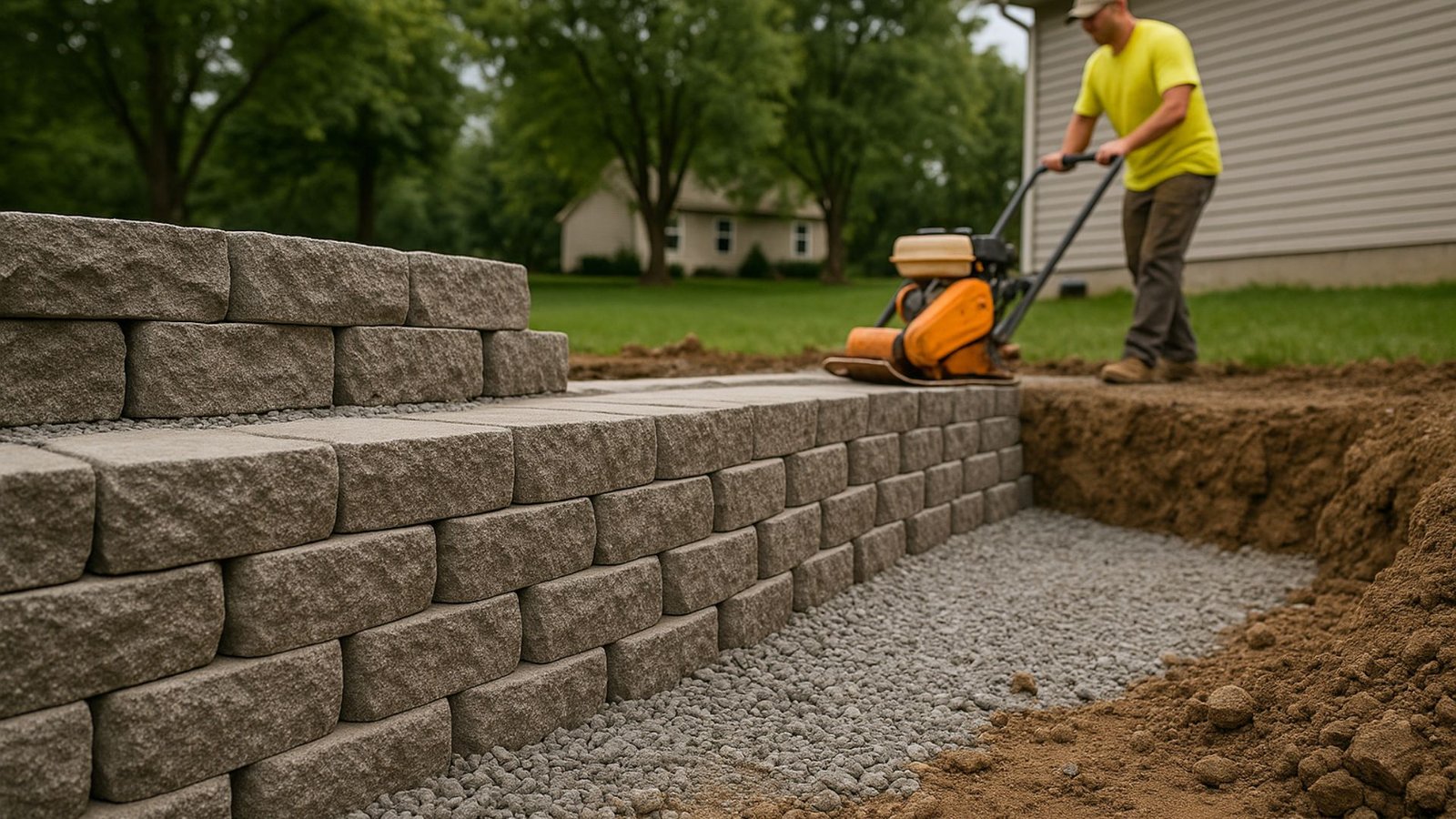
Retaining Wall Excavation: Get the Groundwork Right
Ever watched a crew show up in your backyard with excavators and wondered exactly what happens next? When you hire a contractor for a retaining wall project in Connecticut or New York, excavation for retaining walls becomes the foundation that determines whether your investment lasts decades or develops cracks after the first winter.
Northeast homeowners face unique challenges: frost lines that plunge 42 inches deep, sloped wooded lots that complicate access, and wetland buffers that add regulatory steps most online guides never mention. Local contractors follow a sequenced process from permits through final backfill, typically disrupting your yard for 2-6 weeks depending on wall height, site conditions, and seasonal weather. Understanding what professional crews do during each phase helps you prepare your property, manage expectations during noisy excavation days, and recognize quality work that protects your landscape investment for years ahead.
Key Takeaways
- Excavation Projects Span 2-6 Weeks in CT and NY: Simple 50-foot walls under 4 feet often wrap up in 1-3 weeks, while slopes, wetlands, or engineering requirements can extend timelines to 6 weeks for complete installation.
- Footings Below Frost Line Anchor Stability: Trenches dug 42+ inches deep with compacted gravel base and drainage systems combat heaving during freeze-thaw cycles common in the Northeast.
- Prep Phase Flags Site Challenges Early: Utility locates through 811, soil bearing tests, and zoning checks for setbacks address potential obstacles before excavators arrive.
- Drainage and Backfill Systems Seal Long-Term Performance: Perforated pipes with gravel envelopes, compacted backfill in 12-inch lifts, and geogrid reinforcement for tall or sloped walls prevent water damage and settling.
- CT and NY Permits Vary by Wall Height: Walls under 3 feet typically need no permits, while taller structures require zoning or building approvals, with wetland locations adding extra review steps.
- Cleanup Restores Your Yard Post-Construction: Professional contractors include debris removal, topsoil replacement, seeding, and final grading in their scope to return your property to usable condition.
Understanding the Retaining Wall Excavation Process in CT and NY
Professional excavation follows a reliable sequence on Northeast sites where rocky soils, sloped terrain, and building codes mandate specific frost protection, drainage measures, and environmental buffers. Unlike quick DIY trench digs, licensed contractors address local regulations that protect both your investment and neighboring properties. Connecticut spite laws prohibit malicious walls designed to harm neighbors, while wetland regulations require review for projects within 100-200 foot buffer zones where erosion controls become mandatory.
Regional conditions shape how crews approach each job. Your sloped, wooded backyard may need initial clearing to create equipment access, while corner lot installations require verification of zoning setbacks that often equal wall height from property lines. Heavy equipment operators adapt techniques for tight residential spaces, sometimes using smaller excavators that fit through standard gates but extend project timelines compared to larger machinery on open sites.
Local Site Environment and Process Needs
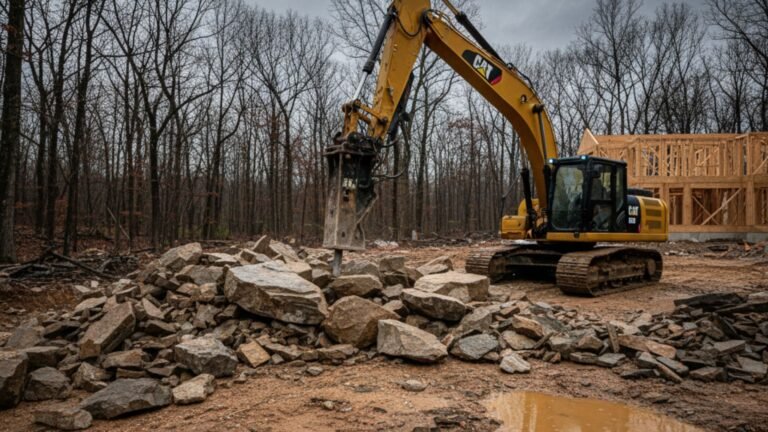
Connecticut and New York properties present distinct challenges compared to warmer climates or flat Midwest lots. Glacial till soils contain rocks and boulders that slow digging, sometimes requiring jackhammers or rock saws to reach proper footing depth. Mature tree roots near excavation zones need careful removal to prevent regrowth that could eventually compromise wall stability. Seasonal timing matters as well since frozen ground from December through March can delay starts, while spring mud seasons create access issues for heavy trucks carrying gravel and block materials.
Water management becomes paramount on sloped sites. Natural springs or high groundwater tables discovered during digging may require additional perforated drainage runs beyond standard designs. Some contractors encounter ledge rock before reaching frost line depth at 36-48 inches, necessitating either deeper excavation into the ledge or engineered solutions like helical piers that your initial quote may not have anticipated.
National vs. CT and NY Excavation Timelines
Standard retaining wall timelines published in national guides often underestimate Northeast project durations. While some resources suggest 1-4 weeks for typical 50-foot walls under 4 feet on flat sites, Connecticut and New York homeowners should expect 2-6 weeks accounting for deeper frost protection requirements, concrete curing periods in cooler temperatures, and regulatory review processes that vary by municipality.
Weather adds unpredictability. Summer thunderstorms can halt work for days when trenches fill with water, requiring pumping before crews resume. Fall projects race against first frost deadlines since concrete footings need adequate cure time before ground freezes. Spring installations often start later than scheduled when winter frost hasn’t fully left the ground by typical March or April start dates contractors initially propose.
Typical Timeline Ranges by Wall Length and Height
Project scope determines duration more than any single factor. A simple 50-foot segmental block wall standing 3 feet tall on level ground with good drainage may finish excavation through backfill in 2-3 weeks once permits clear. That same wall on a 15-degree slope requiring geogrid reinforcement and engineered drainage extends to 4-5 weeks. Add wetland buffer requirements or walls exceeding 6 feet, and timelines stretch to 6-8 weeks total including regulatory reviews and specialized foundation work.
Equipment access significantly affects schedules. Backyard locations requiring hand digging or mini excavators that work slower than full-size machines add days to excavation phases. Hauling excavated soil off-site versus spreading it on your property changes timing as well, since dump truck trips consume labor hours that could otherwise advance construction.
Day-by-Day Breakdown Models
Understanding typical work sequences helps you plan around disruptions. Week one often involves permit finalization, utility marking confirmation, site clearing, and material deliveries. Days 1-3 of active excavation include trench digging, initial drainage pipe installation, and gravel base compaction. Days 4-7 cover footing placement, initial backfill layers, and beginning wall courses for block systems.
Weeks 2-4 focus on wall construction, ongoing backfill compaction, and inspection scheduling. Complex projects requiring professional engineer oversight may pause for mid-construction inspections before crews can proceed with upper wall courses. Final weeks address finish grading, topsoil replacement, and seeding or landscaping restoration. Sites with slopes or wetland conditions can extend these phases by 1-2 weeks for additional erosion control measures and environmental monitoring.
Key Steps in the Retaining Wall Excavation Process
Every retaining wall excavation follows core phases that build structural integrity regardless of whether you’re installing segmental block, poured concrete, or timber walls. These steps align with regional building codes while adapting to specific site conditions.
Site Preparation and Layout
Before excavators arrive, contractors complete critical groundwork. Calling 811 for utility locates marks underground gas, electric, water, and telecommunications lines that digging could damage. Professional crews clear vegetation, remove tree roots in the work zone, and strip sod that will later be replaced or composted. String lines and stakes establish batter boards showing exact wall alignment, while surveyors may verify property corners if setback requirements from property lines apply to your wall height.
Soil testing occurs during this phase for walls over 4-6 feet. Engineers need to confirm bearing capacity exceeds 2,000 pounds per square foot to support wall loads without excessive settling. Sites with questionable soils may require additional testing or foundation modifications before excavation proceeds.
Trench Excavation and Base Prep
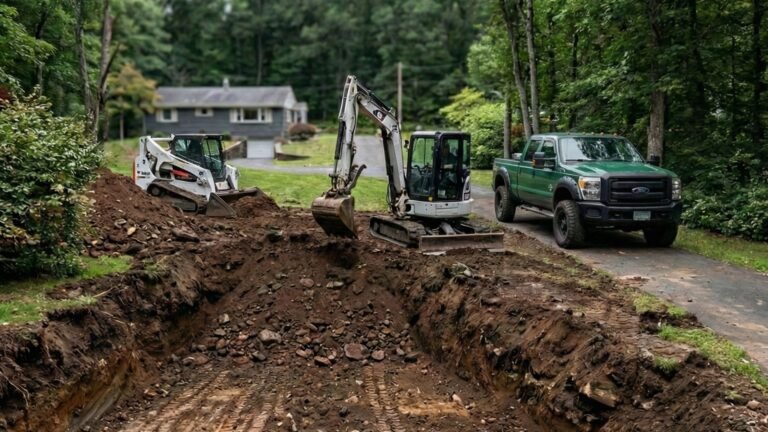
Excavating to proper frost depth of 42 inches plus an additional 6-12 inches for gravel base creates trenches typically 8-24 inches wide depending on wall design. Operators slope trench sides slightly to prevent cave-ins during the multi-day process, especially in sandy or loose soils. Excavated material gets stockpiled on-site for backfill or hauled away if unsuitable for reuse.
The gravel base forms your wall’s foundation. Contractors spread and compact crushed stone in 6-inch lifts, using plate compactors or jumping jack tampers to achieve 95% density. This compacted base prevents settling that causes walls to lean or crack over time. Some crews screen gravel to remove fines that could retain water and reduce drainage effectiveness.
Drainage and Initial Backfill
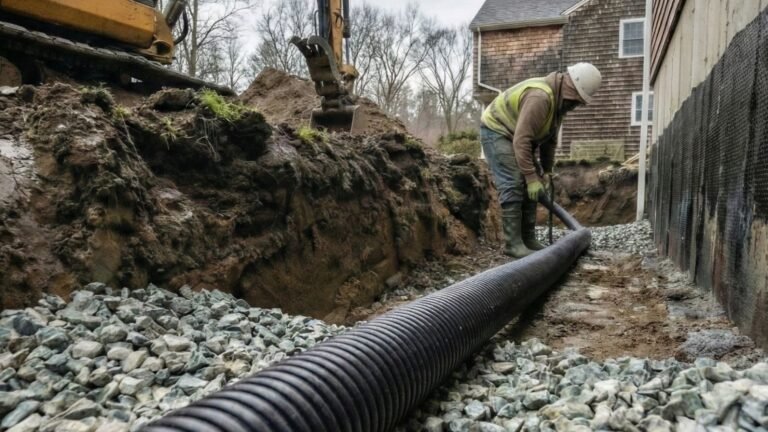
Water management makes or breaks retaining wall longevity. Installing 4-inch perforated drain pipe behind the wall, wrapped in filter fabric and surrounded by gravel, directs groundwater away before it builds pressure against the structure. Pipes slope at least 1% toward daylight outlets or connection points to storm drains. On sloped sites, contractors may install multiple drainage runs at different elevations.
Backfill happens in controlled 12-inch layers using angular gravel rather than round river rock. Each lift gets compacted before adding the next, preventing future settling behind finished walls. Walls exceeding 4 feet often incorporate geogrid reinforcement layers every 16-24 inches, extending back into the soil mass to tie the wall and retained earth together structurally.
Additional Steps for Complex Installations
Northeast sites frequently present conditions beyond standard residential wall installations. Experienced contractors adjust methods and timelines when encountering slopes, wetlands, or design requirements for taller structures.
Managing Slopes, Wetlands, and Tall Walls
Hillside installations require batter or lean-back angles of approximately 1 inch per 6 inches of height to resist soil pressure on steep grades. Terraced wall systems may make more sense than single tall walls on severe slopes, breaking a 12-foot grade change into two 6-foot walls with level ground between them. This approach reduces engineering complexity and hydrostatic pressure while improving aesthetics.
Wetland buffer work requires silt fences, erosion control blankets, and sometimes daily inspection logs submitted to environmental officials. Rain events can halt work until crews install additional stabilization measures, extending timelines by 1-2 weeks on properties within regulated buffer zones. Projects affecting wetlands directly need state Department of Energy and Environmental Protection general permits that add review time before excavation begins.
Walls over 4-6 feet typically need professional engineer stamped plans showing structural calculations, geogrid specifications, and drainage details. These engineered designs account for soil bearing capacity, surcharge loads from driveways or structures above walls, and seismic considerations. Engineering adds 2-4 weeks to pre-construction timelines but prevents costly failures that plague under-designed tall walls.
Finishing Touches and Site Restoration
Final compaction tests verify backfill density meets specifications before contractors remove equipment. Topsoil replacement of 4-6 inches over compacted backfill areas allows grass or plantings to establish. Some contractors include hydroseed applications with mulch and fertilizer, while others leave final landscaping to homeowners or separate landscape companies.
Erosion control remains important even after construction ends. Sloped sites may need erosion control matting on disturbed areas until vegetation establishes. Contractors clean debris, remove excess materials, and restore property access areas damaged by heavy equipment traffic. Quality crews conduct final walk-throughs to address any settlement in backfill zones or drainage outlet issues before closing out permits.
Permits, Utilities, and Regulations in CT and NY
Navigating local regulations before excavation prevents project delays, fines, or orders to remove non-compliant walls. Connecticut State Building Code provisions establish minimum standards, but municipalities layer additional zoning and wetland requirements that contractors must satisfy.
Zoning, Building, and Wetland Coordination
Retaining walls under 3 feet measured from bottom of footing to top of finished grade typically need no permits in Connecticut, though zoning setback rules still apply. Walls 3-6 feet usually require building permits with plan submissions, application fees ranging from $50-200, and inspector approvals during construction. Expect 10-30 day review periods for standard applications, longer if plans need revisions.
Taller walls over 6 feet often trigger special permit or variance processes through planning and zoning commissions, extending approval timelines to 2-3 months. These hearings consider neighbor impacts, site drainage effects, and conformance with local development standards. Spite fence laws prohibit structures built maliciously to harm neighbor property enjoyment, so legitimate functional needs should drive design decisions.
Calling 811 at least three business days before digging remains legally required for all excavation projects. Utility companies mark underground lines at no cost to homeowners, preventing dangerous strikes that cause service outages, injuries, or repair costs reaching thousands of dollars. Contractors who skip this step expose themselves and homeowners to liability.
Wetland projects within regulated buffer zones need inland wetland commission applications 65 days before starting work. Commissions review erosion control plans, evaluate alternative designs with less wetland impact, and may impose monitoring requirements throughout construction. Some projects qualify for general permits with faster approval, while others need individual permits after public hearings.
What Homeowners Should Prepare For and Do
Your role before and during excavation can help contractors work efficiently while protecting your property interests. Understanding daily expectations and communicating clearly prevents misunderstandings that delay projects.
Daily Expectations During Excavation
Heavy equipment operation during weeks 1-2 creates noise levels similar to lawn mowers or chainsaws, typically between 85-95 decibels. Most municipalities restrict construction hours to 7 AM through 6 PM on weekdays, sometimes with weekend limitations. Dust control may involve water trucks spraying work areas, though some dust reaching nearby homes remains unavoidable on dry, windy days.
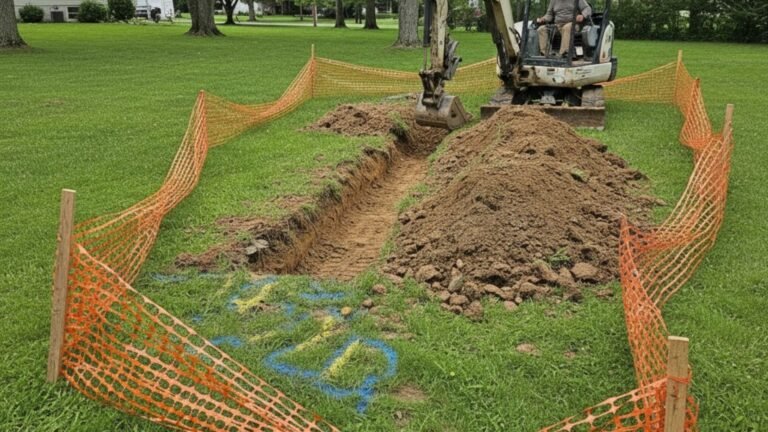
Contractors typically fence or tape active excavation zones to prevent children or pets from accessing dangerous trenches. Expect your yard to look torn up during active phases, with equipment ruts, soil piles, and material staging areas occupying significant space. Most residential projects need you home or available by phone during initial layout staking and any engineering inspection visits, but daily excavation work proceeds without homeowner presence.
Mud tracking onto streets happens despite contractors’ best efforts during wet conditions. Some neighborhoods require street sweeping or cleaning provisions in contracts. Delivery trucks for block, gravel, and other materials arrive throughout projects, temporarily blocking street access or requiring neighbor coordination for large vehicles.
Tips to Minimize Yard Disruptions
Pre-relocate valuable plants, lawn furniture, or pet enclosures from work zones before crews arrive. Contractors appreciate clear access paths and typically work faster when not navigating obstacles. Some homeowners request phased scheduling that completes excavation and rough construction before family events or seasonal outdoor use periods.
Stockpiling topsoil on-site rather than hauling it away saves costs and ensures matching soil for final grading. Designate a storage area away from daily work zones where contractors can pile this material without repeatedly moving it. Clear communication about any underground irrigation, landscape lighting, or drainage systems prevents accidental damage that creates additional repair costs.
Maintaining open communication channels with project managers helps address concerns early. Take photos documenting pre-construction conditions to resolve any disputes about property damage. Understanding that weather delays or unexpected site conditions may adjust timelines prevents frustration when completion dates shift by a week or two from original estimates.
Process Comparison Table: Simple vs. Complex Retaining Wall Excavation in CT and NY
| Phase | Simple Install (Flat, <4 ft) | Complex Install (Slope/Wetlands) |
|---|---|---|
| Permits & Prep | 1-2 weeks | 3-4 weeks with DEEP review |
| Excavation/Base | 2-3 days | 4-7 days on steep slopes |
| Drainage/Backfill | 2-4 days | 5-10 days with geogrid |
| Total Disruption | 1-3 weeks | 4-6+ weeks |
Common Mistakes Homeowners Make During Retaining Wall Excavation
Skipping the 811 utility locate process risks striking underground lines that cause service disruptions, dangerous gas leaks, or repair bills exceeding thousands of dollars. Even if you think you know where utilities run, depths and exact locations vary, making professional marking essential before any digging.
Shallow excavation that fails to reach proper frost depth of 42+ inches causes heaving during freeze-thaw cycles. Walls lift unevenly each winter, creating cracks and instability that require complete rebuilding within a few years. Some homeowners see contractors digging deep and question the expense, not realizing this depth prevents expensive future failures.
Ignoring drainage installation behind walls invites hydrostatic pressure buildup that can collapse even well-built structures. Water-saturated soil weighs significantly more than dry material, creating forces walls weren’t designed to resist. Proper perforated pipe and gravel drainage systems cost a fraction of wall replacement expenses.
Proceeding without required permits leads to stop-work orders, fines up to $500 per day in some Connecticut municipalities, and potential requirements to remove completed work. Selling homes with unpermitted retaining walls creates title issues that complicate closings or reduce sale prices when discovered during inspections.
Skipping proper backfill compaction to save time allows settling that causes walls to lean backward or develop voids behind blocks. Compacting gravel in 12-inch lifts takes extra labor but prevents these problems. Some contractors cut corners here since settlement issues may not appear for months or years after they’ve collected final payment.
Preparing Your Property for Retaining Wall Excavation in CT and NY
Call 811 at least three business days before your contractor’s planned start date, even if they handle this step themselves. Utility marking requirements protect everyone on site and ensure legal compliance. Confirm marks remain visible throughout excavation since some fade in weather or get disturbed by site work.
Soil testing before finalizing designs helps avoid surprises during excavation. Simple bearing capacity tests cost $200-400 but identify poor soils needing special foundation treatment. Sites with organic topsoil layers over clay or areas with previous fill may need deeper excavation to reach stable bearing material, changing project costs and timelines.
Mark property boundaries clearly if setback requirements apply to your wall height. Recent surveys provide legal documentation preventing neighbor disputes about encroachment. Zoning setbacks often equal wall height from property lines, so a 4-foot wall needs at least 4 feet of clearance in many municipalities.
Clear equipment access paths before contractor arrival. Remove low-hanging branches, relocate vehicles from driveways, and unlock any gates providing backyard access. Discuss material delivery locations and equipment staging areas so contractors can plan efficient site logistics that minimize lawn damage and project duration.
Frequently Asked Questions About excavation for retaining walls
Q: What is the typical retaining wall excavation process?
A: The process starts with site preparation including utility locates and clearing, followed by trench excavation to frost depth, gravel base installation, drainage pipe placement, and controlled backfill compaction. Residential groundwork typically takes 1-3 weeks depending on wall size and site conditions.
Q: How deep must excavation go for frost protection in Connecticut?
A: Connecticut requires footings at least 36-48 inches below finished grade to prevent frost heaving during freeze-thaw cycles. Most contractors excavate to 42 inches plus an additional 6-8 inches for compacted gravel base, creating trenches around 48-50 inches deep total.
Q: Are permits required for retaining wall excavation in CT?
A: Walls under 3 feet typically need no building permits, though zoning setback rules still apply. Walls 3-6 feet usually require building permits, while taller structures over 6 feet often need special permits or variances. Projects in wetland buffer zones need additional environmental permits regardless of height.
Q: What should I expect on excavation day 1?
A: First day activities typically include final site clearing, staking exact wall alignment with string lines, confirming utility marks remain visible, and potentially beginning trench excavation if all prep work finishes early. Major digging usually starts on day 2 after crews establish staging areas and access routes.
Q: How can I minimize yard tear-up during excavation?
A: Fence or restrict active work zones, relocate landscape features before crews arrive, request contractors stockpile topsoil on-site for reuse, and schedule work phases around family outdoor use periods when possible. Communicate clearly about underground systems like irrigation to prevent accidental damage requiring additional restoration work.
Q: Do I need to be home during retaining wall excavation?
A: You should be available during initial layout staking and any required inspection visits, but daily excavation work typically proceeds without homeowner presence. Providing contractor phone access for questions about unexpected site conditions helps projects progress smoothly when issues arise.
Q: How long will my yard be disrupted during a retaining wall project?
A: Total yard disruption typically lasts 2-6 weeks from excavation start through final backfill and restoration, varying by wall height, site access, weather delays, and regulatory requirements. Simple projects under 4 feet on flat ground may finish in 2-3 weeks, while slopes or wetland sites can extend to 6-8 weeks.
Final Thoughts
Connecticut and New York contractors execute retaining wall excavation by addressing regional frost depths, regulatory requirements, and site-specific terrain challenges through systematic processes that typically disrupt yards for 2-6 weeks. Professional crews navigate everything from deep frost line protection at 42+ inches to wetland buffer permits while installing drainage systems and compacted backfill that prevent the failures plaguing rushed or under-designed walls. Understanding each phase from permit applications through final site restoration helps you prepare your property, manage expectations during noisy excavation days, and recognize quality work that protects your landscape investment.
At Prestige CT Excavation & Drainage, we’ve spent years perfecting retaining wall excavation techniques that account for Connecticut’s unique soil conditions, strict frost protection requirements, and complex local regulations. Our crews complete thorough site assessments before providing detailed timelines and cost estimates, so you’ll know exactly what to expect throughout your project. We handle all permit coordination, utility locates, and wetland compliance while keeping your property disruption to the minimum necessary for quality results. Contact Prestige CT Excavation & Drainage today for a consultation that addresses your specific site challenges and provides a clear roadmap from initial excavation through your finished, stable retaining wall.