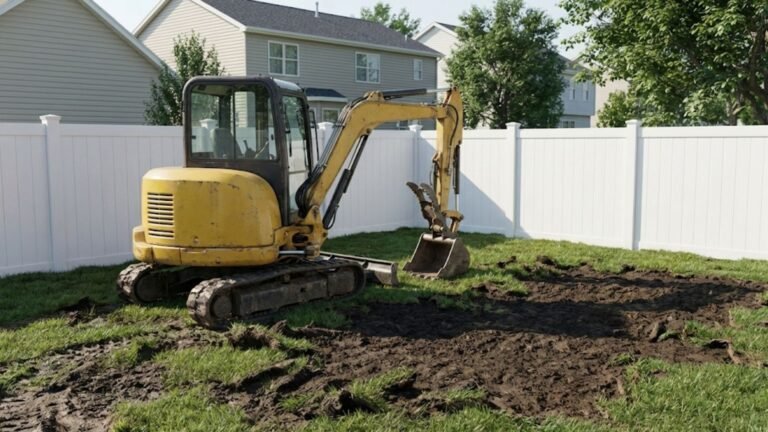
Excavating Rocky Terrain Near Me in Oxford CT
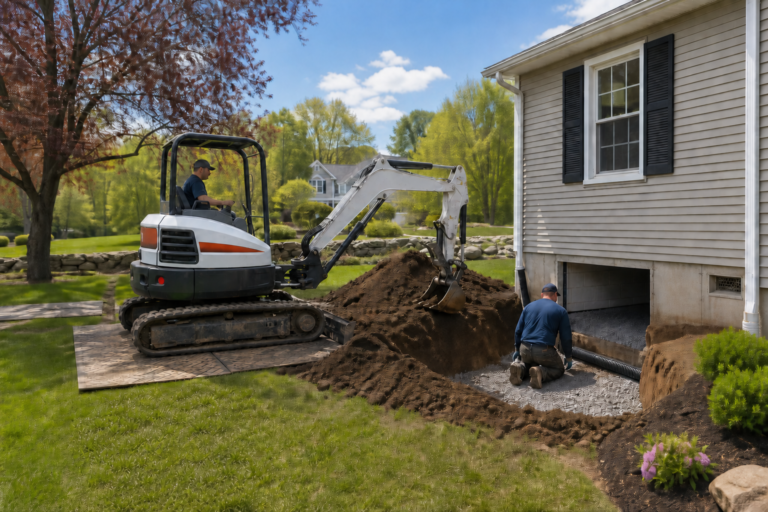
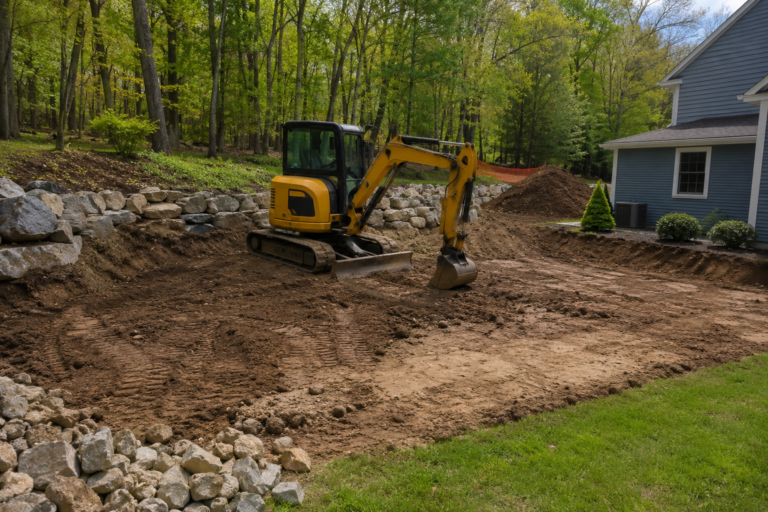
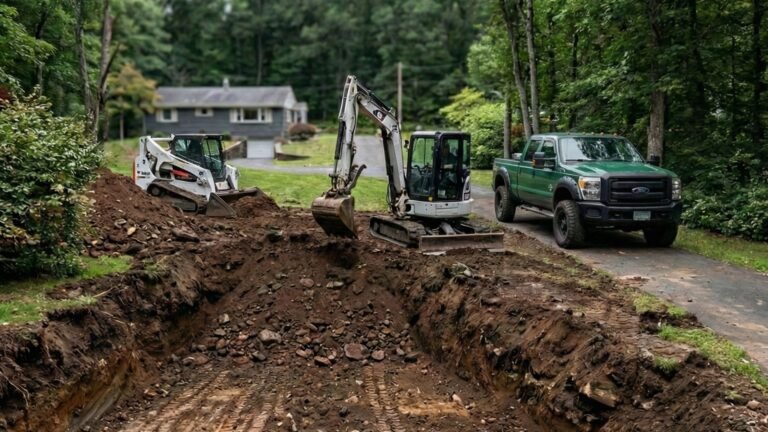
When you’re planning a home addition and excavation near me in Oxford, CT, and your contractor mentions rocky soil, the first question that comes to mind is usually “How long will my yard be torn up?” It’s a valid concern, especially when you’re imagining heavy equipment, dust clouds, and restricted access to your property for days or weeks on end. Oxford homeowners frequently encounter glacial boulders and ledge formations that turn what seems like a straightforward dig into a multi-phase operation involving hydraulic hammers, erosion controls, and careful coordination with local zoning officials. The good news is that professional excavation teams in Connecticut have refined their approach to rocky terrain, typically completing residential projects in 5-10 days while keeping the disrupted area to a manageable portion of your lot. Understanding the sequence from site surveys through ledge breaking to final restoration helps set realistic expectations and reduces the anxiety of watching your yard transform into a temporary construction zone. Northeast factors like wetlands buffers, frost heave concerns, and spite grading laws add layers to the process, but experienced contractors navigate these requirements systematically to minimize both timeline extensions and neighborhood disruptions.
Key Takeaways
- Rocky Jobs Span 5-10 Days in Oxford CT: Basic foundation excavation timeline projects wrap in 3-5 days, while sites with extensive ledges, wetlands proximity, or controlled blasting extend to 7-14 days depending on rock volume and regulatory reviews.
- Ledge Breaking is Core: Hydraulic hammer excavation or approved controlled blasting ledges fracture bedrock below grade, creating stable foundations that resist Connecticut’s seasonal frost heave cycles.
- Prep Prevents Chaos: Pre-dig utility locates, zoning regulations excavation verification, and erosion control measures flag wetlands buffers and setback requirements early, avoiding mid-project delays and compliance violations.
- Backfill and Restore Quickly: Phased excavation backfilling process and slope stabilization Oxford standards enable contractors to reseed disturbed areas within days of completing each section, limiting long-term yard disruption duration.
- Oxford Permits Essential: Inland wetlands permit review and Planning & Zoning approvals typically require 2-4 weeks, with mandatory soil erosion sediment control plans and neighbor setback buffers built into project designs.
- Yard Minimized Tear-Up: Contained work zones, construction site tracking pads, and daily cleanup protocols limit active mess to 20-30% of your lot at any given time, preserving usable outdoor space throughout the project.
Understanding the Rocky Soil Excavation Process in Oxford CT
Professional excavating rocky terrain operations follow a reliable sequence when confronting Northeast ledgy lots, where mature trees, natural slopes, and stringent codes emphasize erosion control, property line setbacks, and wetlands buffers over hasty cuts. Connecticut’s spite fence laws CT regulations curb malicious grading practices that could damage neighboring properties, while inland wetlands agencies enforce silt fence installation within 75-foot buffer zones surrounding streams, vernal pools, and regulated watercourses. This regulatory framework means Oxford contractors must integrate environmental protection into every phase, from initial site preparation rocky soil assessments through final restoration inspections.
The physical challenge stems from glacial till digging conditions left behind 12,000 years ago when retreating ice sheets deposited dense mixtures of clay, sand, gravel, and boulders across the region. These deposits often conceal solid bedrock ledges just 2-4 feet below the surface, invisible during initial surveys but capable of halting standard excavators within minutes of breaking ground. Understanding this geology helps homeowners grasp why rocky soil excavation demands specialized equipment and why timelines stretch beyond simple earthmoving jobs in loamy soils.
Local Rocky Terrain and Process Needs
Oxford’s geological profile demands pre-dig test pits and geotechnical surveys that identify ledge depth, fracture patterns, and groundwater levels before committing to equipment mobilization. Oxford Zoning Regulations Article 14 mandate verification of slopes exceeding 3:1 ratios and approval for earth removal projects, ensuring contractors adapt excavation approaches for safe equipment access on hillsides common throughout town. These preliminary steps add 1-2 days to project prep but prevent costly surprises like encountering unexpected ledges that require hydraulic breaker rentals or controlled blasting permits not originally budgeted.
Boulder removal Connecticut specialists often discover that what appears as isolated rocks during initial clearing represents the tip of massive glacial erratics weighing several tons each. Extracting these requires coordinated lifting with excavator thumbs or splitting techniques that fragment the boulders into manageable pieces, adding incremental time to the excavation phase. Homeowners should expect contractors to phase this work carefully, exposing and removing obstacles in sections rather than attempting to clear the entire site simultaneously, which keeps the residential excavation timeline predictable and the yard disruption contained.
National vs. CT/Oxford Excavation Timelines
Baseline commercial site grading timelines referenced in industry guides assume moderate soil conditions with minimal rock, adequate drainage, and straightforward permit requirements. These references provide useful benchmarks but require adjustment for Northeast excavation challenges like frozen ground in winter, spring dewatering rocky sites needs, and regulatory reviews that protect sensitive environmental features. Understanding how Connecticut rock breaking realities modify national averages helps homeowners evaluate contractor estimates and avoid unrealistic expectations based on projects in sandy or clay-based regions.
Weather plays an outsized role in Oxford CT excavation scheduling compared to milder climates. Late fall through early spring freeze-thaw cycles can render certain excavation techniques impractical, while spring snowmelt and heavy rains raise water tables that require pumping and dewatering systems before digging can proceed safely. Summer and early fall generally offer the most favorable windows, though July and August thunderstorms can still introduce delays when erosion controls fail or trenches flood overnight.
Typical Timeline Ranges by Project Size
National averages suggest 2-5 days for excavating and hauling 500 cubic yards of accessible soil, but Oxford rocky averages extend to 5-10 days when rocky ledge removal requires hydraulic breakers and synchronized excavation permits Oxford approvals. Foundation excavations for single-family homes typically measure 100-200 cubic yards including overdig for drainage systems, completing in 3-5 days under favorable conditions. Larger projects like full basement excavations in ledge areas or pool installations requiring extensive rock breaking can extend to 7-14 days depending on the volume of material requiring fracturing and removal.
These timelines assume normal working conditions with 8-10 hour days and consistent crew availability. Projects requiring specialized subcontractors for blasting, environmental monitoring during wetlands work, or coordination with utility companies for line relocations may experience gaps between phases that extend the calendar duration even if actual work hours remain within estimates. Clear communication with your contractor about these potential pauses helps distinguish between active delays and necessary sequencing breaks.
Day-by-Day Breakdown Models
A typical foundation excavation timeline for rocky Oxford sites follows this pattern: Day 1 involves survey staking, utility marking through CT One Call, and mobilizing erosion controls including silt fencing and construction site tracking pads at site entrances. Days 2-4 focus on ledge breaking with hydraulic hammers, excavating to design grades, and phased removal of fractured rock and overburden materials. Days 5-6 handle the excavation backfilling process with specified gravel and compacted fill, installing foundation drainage systems, and rough grading to direct water away from structures. Days 7 and beyond address final slope stabilization Oxford requirements, topsoil replacement, seeding or mulching, and removal of temporary erosion barriers after vegetation establishes.
Projects requiring controlled blasting add 2-4 days for permitting, neighbor notifications, drilling shot patterns, and executing blasts under state-licensed blasters. Wetlands-adjacent work inserts additional time for Conservation Commission inspections at critical phases and installation of enhanced erosion controls that exceed standard requirements. Each of these extensions is predictable and manageable when identified during planning rather than discovered mid-project.
Key Steps in the Rocky Excavation Process
Core excavation phases ensure structural stability for foundations, proper grading for drainage, and compliance with OSHA trenching requirements that protect workers in deep cuts. Oxford codes layer additional specifications for neighbor setback buffers, maximum slope angles, and erosion control measures that integrate seamlessly when contractors follow established protocols. Understanding each phase helps homeowners recognize progress and identify when projects deviate from planned sequences.
Professional site preparation rocky soil work begins weeks before equipment arrives, with desktop reviews of property surveys, wetlands maps, and zoning atlas overlays that flag constraints. This advance planning identifies whether your project falls within regulated buffers, requires special permits for earth removal beyond routine maintenance thresholds, or needs geotechnical testing to characterize subsurface conditions. Skipping these steps invites stop-work orders and costly redesigns after trenches are already open.
Site Preparation and Layout
Connecticut One Call utility locates must occur at least 72 hours before digging, marking underground electric, gas, water, sewer, telecommunications, and cable lines with color-coded flags and paint. Contractors then clear surface vegetation and organic topsoil, stockpiling this material separately for later replacement to preserve valuable planting medium. Staking excavation depths with grade stakes and string lines establishes reference points that guide operators to precise subgrade elevations, particularly critical when foundations require specific bearing depths below frost lines typically 42-48 inches in Connecticut.
Zoning regulations excavation enforcement includes verification that excavations maintain required setbacks, often 25 feet from property lines for major grading operations and increased distances from wetlands boundaries. Erosion control measures installation happens before any earth disturbance, with silt fencing along downslope perimeters, inlet protection over storm drains, and stabilized construction entrances preventing mud tracking onto public roads. These controls remain in place throughout the project and receive daily inspections to ensure functionality, particularly after rain events.
Ledge Breaking and Digging
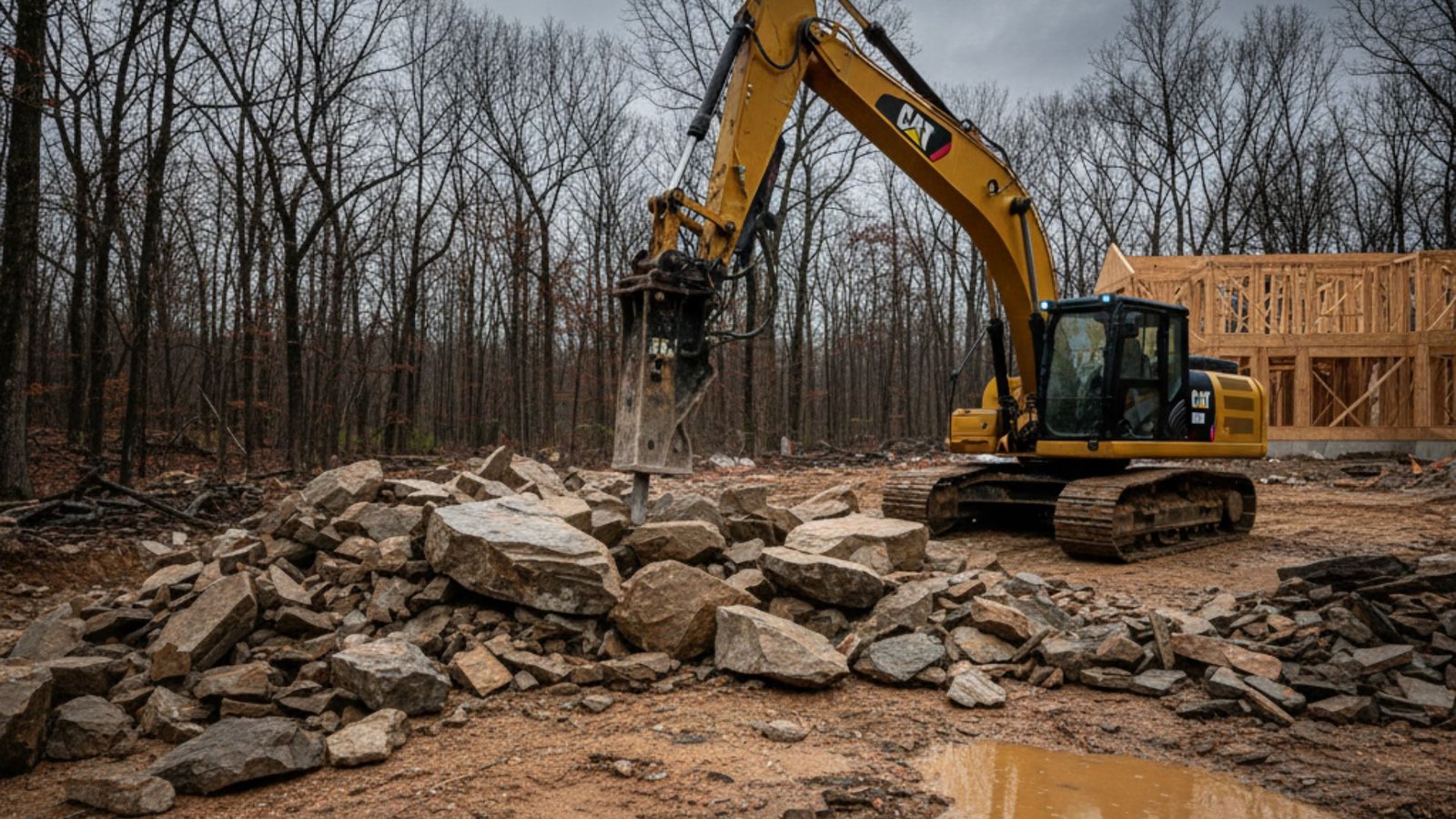
Hydraulic hammer excavation employs specialized breaker attachments mounted on excavators, delivering 1,000-2,000 blows per minute to fracture solid ledge into liftable pieces. Operators systematically work across the excavation area, breaking rock to design subgrade depths and using excavator thumbs or grapples to extract fractured material for hauling to approved disposal sites or stockpiling for later use as fill. This phase generates the most noise and vibration, typically concentrated in 2-4 day windows for residential projects, though neighbors should expect intermittent impacts as operators reposition equipment and adjust techniques based on rock characteristics.
Dewatering rocky sites becomes necessary when excavations intersect groundwater tables or when fractures in bedrock channel subsurface water into trenches. Contractors install sump pits at low points and operate submersible pumps continuously, discharging water through sediment filter bags to trap suspended particles before release to vegetated areas or storm systems. Maintaining dry working conditions prevents soil instability, protects worker safety in compliance with trenching safety standards, and allows proper compaction of backfill materials without trapped water pockets that could settle later.
Backfilling, Grading, and Stabilization
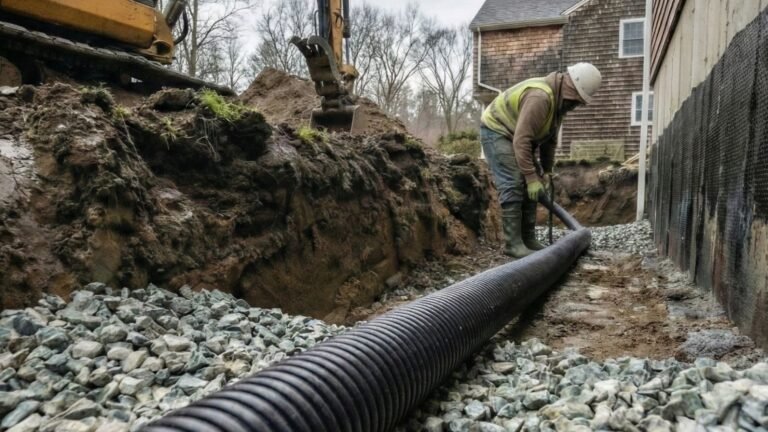
The excavation backfilling process uses clean gravel or crushed stone in 8-12 inch lifts around foundations, with each layer compacted using plate tampers or vibratory rollers to achieve 95% standard proctor density. This engineered fill provides stable support and drainage, preventing settlement-related foundation cracks and directing water away from structures toward designated drainage paths. Above the structural backfill zone, contractors replace native soils and topsoil stockpiles, grading surfaces to 2-3% slopes that shed water without causing erosion.
Slope stabilization Oxford standards limit final grades to maximum 3:1 ratios, steeper slopes requiring retaining walls or specialized erosion control blankets. Seeding happens immediately after final grading using erosion control seed mixes suitable for Connecticut’s climate, often supplemented with straw mulch anchored with biodegradable netting. Silt fencing remains in place until vegetation establishes sufficient root mass to hold soil naturally, typically 6-8 weeks after seeding, though contractors often maintain barriers through the first growing season on sensitive sites.
Additional Steps for Complex Excavation
Full-service Oxford excavation operations handle challenging site conditions that extend timelines predictably when identified during planning. Rocky ledge removal requiring blasting, hillside excavations on steep slopes, and work within wetlands buffers each introduce specialized requirements and coordination steps that add 2-7 days to standard schedules. Contractors experienced in these techniques integrate them seamlessly, maintaining project momentum while satisfying regulatory and safety obligations.
Complex sites benefit from phased approaches that complete excavation in sections, allowing portions of the yard to move into restoration while other areas remain active work zones. This sequencing reduces the peak yard disruption duration and provides homeowners with usable outdoor space throughout the project, particularly valuable during summer months when families rely on yards for recreation.
Managing Blasting, Slopes, and Wetlands
Controlled blasting ledges requires state-licensed blasters who drill precise patterns of holes, load measured explosive charges, and execute blasts under strict timing and safety protocols. Oxford and neighboring municipalities typically restrict blasting hours to mid-day weekdays, require advance notification to all properties within 500 feet, and mandate pre- and post-blast structure surveys to document any impacts. This adds 2-4 days to excavation schedules but often proves more economical and faster than extended hydraulic hammer work on massive ledge formations.
Hillside excavation involves creating temporary benches or stepped grading that provides stable platforms for equipment operation and reduces erosion risk during construction. Contractors install perimeter berms and slope drains that intercept runoff before it gains velocity, directing flows to sediment basins or stabilized outlets. These measures protect downhill properties and water bodies from sediment-laden runoff, satisfying soil erosion sediment control requirements enforced through periodic inspections.
Working within the 75-foot inland wetlands buffer zone triggers Conservation Commission jurisdiction, requiring detailed plans showing how construction will avoid wetlands impacts through silt fencing placement, equipment exclusion zones marked with high-visibility barriers, and daily monitoring logs. Inspectors may visit sites during and after rain events to verify erosion controls function properly, with authority to issue stop-work orders if sediment escapes barriers or equipment encroaches into protected areas.
Finishing Touches and Site Restoration
Final site cleanup includes removing construction site tracking pads and associated gravel, hauling excess excavated materials to approved facilities, and spreading topsoil stockpiles across disturbed areas. Contractors fine-grade surfaces with hand tools around plantings and structures, ensuring positive drainage without creating ponding areas or erosion channels. Seeding or sodding happens based on season and homeowner preference, with sodding providing instant stabilization and erosion control at higher cost, while seeding offers economical coverage that establishes within 2-3 weeks under good conditions.
Debris management throughout the project prevents neighbor complaints and maintains site professionalism. Daily sweeping of tracked mud from public roads, containing dust with water trucks during dry conditions, and prompt removal of fractured rock stockpiles demonstrate contractor commitment to minimizing community impacts. These practices often distinguish professional operations from lower-tier competitors who view cleanup as an afterthought rather than an integral project component.
Permits, Utilities, and Regulations in Oxford CT
Pre-work compliance steps safeguard projects from mid-construction delays and post-completion enforcement actions. Oxford Planning & Zoning departments administer multiple permit categories based on project scope, earth volume, and proximity to sensitive features. Starting permit applications 4-6 weeks before desired construction dates provides adequate review time and opportunity to address any technical comments or modifications requested by reviewing agencies.
Understanding which permits apply to your specific project requires careful review of property characteristics and project scope. Simple projects like installing small retaining walls or minor regrading may qualify for staff-level approvals, while major excavations exceeding 100 cubic yards or involving wetlands triggers formal application processes with public hearings and multi-week review timelines.
Zoning and Utility Coordination
Oxford Zoning Article 14 site plan requirements govern earth removal, excavation, and grading projects, establishing application procedures, required plan details including existing and proposed contours, erosion control measures, and processing fees based on disturbed area. Projects must demonstrate compliance with dimensional requirements including setbacks from property lines, maximum slope ratios, and preservation of required vegetation buffers. Application review timelines average 2-4 weeks for complete submissions, longer if technical deficiencies require resubmission.
Conservation Commission inland wetlands jurisdiction extends to any regulated activities within 100 feet of watercourses, wetlands, or vernal pools, with strict standards applied to the inner 75-foot upland review area. Applications require detailed site plans, soil scientist wetlands delineations, and engineering calculations showing how proposed work avoids or minimizes wetlands impacts. Public hearings occur within 65 days of complete applications, with decisions issued shortly thereafter subject to appeal periods before work may commence.
Connecticut OSHA trenching safety regulations require protective systems including shoring, sloping, or shielding for excavations deeper than 5 feet, with competent person inspections daily before workers enter trenches. These requirements protect workers but also impact project logistics, as installation and removal of safety systems adds time to each phase. Homeowners should verify contractors maintain current safety certifications and worker compensation coverage that demonstrates commitment to proper procedures.
Spite grading and fence laws prevent property owners from malicious alterations intended to harm neighbors, with Connecticut statutes allowing affected parties to seek injunctions and damages for violations. Maintaining respectful communication with adjacent property owners and providing advance notice of construction schedules helps prevent disputes that could delay or halt work pending resolution.
What Homeowners Should Prepare For and Do
Proactive preparation aids efficient execution across all excavation phases, reducing delays and protecting your property investment. Understanding daily activities, noise patterns, and access requirements allows you to adjust household routines and protect vulnerable features before heavy equipment arrives. Most contractors appreciate homeowners who ask informed questions and actively participate in layout approvals and progress inspections.
Your role extends beyond signing contracts and writing checks. Active engagement during planning ensures your preferences for final grades, drainage patterns, and landscape restoration are documented and communicated to field crews who execute the work. Periodic site visits to review progress provide opportunities to address concerns early, while excessive micromanagement can distract crews and slow productivity.
Daily Expectations During Excavation
Expect peak noise and vibration during Days 2-4 when hydraulic hammer excavation fractures ledge, with sound levels comparable to jackhammers audible several hundred feet from the site. Most Oxford neighbors tolerate construction noise during normal business hours, but courtesy suggests limiting loudest operations to mid-morning through mid-afternoon windows. Dust generation occurs during dry conditions as equipment travels over exposed soils, controlled through periodic water spraying and maintained tracking pads that scrape mud from tires before vehicles exit to public roads.
Equipment access requires clear pathways from street to work areas, often 12-14 feet wide to accommodate excavators, dump trucks, and delivery vehicles. Contractors install temporary driveway protection using steel plates or thick plywood over asphalt to prevent rutting and cracking, removing these after final equipment demobilization. Restricted access may prevent normal driveway use during active work hours, requiring household vehicles to park on street temporarily or coordinating entry/exit windows with construction crews.
Approving excavation layout before digging begins prevents costly changes once work starts. Walking the site with your contractor’s foreman to review stake locations, verify depths, and confirm drainage directions takes 30-60 minutes but ensures alignment between design plans and field execution. Similarly, final grade approval before equipment demobilizes allows corrections using on-site machinery rather than expensive hand work or remobilization later.
Tips to Minimize Yard Disruptions
Relocating valuable plantings, outdoor furniture, and pet enclosures before equipment arrives protects these items and expands contractors’ working room. Temporary fencing around vegetable gardens or specimen trees prevents accidental damage during equipment maneuvering. Mark irrigation system components including valve boxes and sprinkler head locations so operators can avoid these, though assume some repairs will be necessary and budget accordingly.
Scheduling excavation during dry weather windows reduces mud generation and equipment rutting. Late spring through early fall offers the most favorable conditions in Connecticut, avoiding frozen ground that prevents proper compaction and wet seasons when erosion controls struggle to contain runoff. Your contractor can monitor extended forecasts and suggest slight schedule adjustments to avoid predicted heavy rain periods.
Clearing equipment access routes before mobilization prevents delays on Day 1 when crews arrive ready to work. Trimming overhanging branches, removing yard decorations, and relocating parked vehicles streamlines the startup process. Designating a single household point of contact for field questions prevents conflicting instructions and maintains clear communication chains between homeowner, contractor, and subcontractors.
Process Comparison Table: Simple vs. Complex Rocky Excavation in Oxford CT
| Phase | Simple Dig (Foundation, Minimal Rock) | Complex Dig (Ledges/Wetlands) |
|---|---|---|
| Prep & Layout | 1 day for basic stakes, erosion controls | 2 days including enhanced wetlands buffers, detailed survey work |
| Breaking/Digging | 2 days with standard excavator, limited hammer use | 4-6 days with extensive hydraulic breaking or controlled blasting schedules |
| Backfill/Grading | 1-2 days for straightforward fills, simple slopes | 2-3 days for engineered fills on slopes requiring stepped terraces |
| Restoration | 1 day topsoil and seed application | 2-3 days with specialized erosion blankets, inspection holds |
| Total Timeline | 5-7 days typical for uncomplicated sites | 10-14 days accounting for regulatory reviews and complex techniques |
This comparison highlights how site-specific factors multiply baseline timelines, with wetlands proximity, extensive ledge, or steep slopes each contributing incremental days. Contractors experienced in Oxford conditions build these extensions into estimates rather than discovering them mid-project, a key distinction when evaluating competing bids.
Common Mistakes Homeowners Make During Rocky Excavation
Bypassing excavation permits Oxford requirements risks stop-work orders that halt progress indefinitely and potential fines that exceed permit costs several-fold. Some homeowners assume minor projects escape regulation, but Oxford’s thresholds for earth removal and grading permits are relatively low to protect environmental quality. Checking requirements before starting prevents expensive corrections and legal complications.
Ignoring preliminary geological surveys leads to budget-blowing surprises when contractors encounter unexpected ledge requiring expensive hydraulic breaking or blasting not included in original estimates. Modest investment in test pits or geotechnical borings during planning provides accurate subsurface information that supports realistic budgeting and appropriate technique selection.
Inadequate erosion control planning invites enforcement actions from Conservation Commissions and potential liability for sediment damage to neighboring properties or waterways. Soil erosion sediment control measures cost a small fraction of project budgets but deliver enormous value preventing regulatory problems and environmental damage. Professional contractors include these as standard practice, while cut-rate operators may view them as optional until inspectors force compliance.
Skipping final walkthrough inspections before contractor demobilization leaves homeowners discovering settling, drainage problems, or incomplete restoration after equipment has left the site. Addressing these issues requires expensive remobilization or hand correction rather than quick fixes using machinery already on-site. Taking time for thorough final review protects your investment and ensures contracted work is fully complete.
Preparing Your Property for Rocky Excavation in Oxford CT
Early Connecticut One Call utility locates initiated at least 72 hours before planned excavation protects underground infrastructure and prevents service interruptions. Mark above-ground utility features including meter boxes, cleanouts, and valve covers so contractors can reference these when interpreting underground utility locations. Private utilities like irrigation, outdoor lighting, and invisible dog fences require separate locating since One Call covers only public utility mains.
Marking property boundaries with visible stakes or flagging prevents encroachment onto neighboring lots during grading operations. Survey plans show theoretical boundary locations, but physical markers help equipment operators maintain proper setbacks in real-time field conditions. Discussing your project with adjacent property owners maintains good relations and provides opportunities to address their concerns about noise, access, or drainage before construction begins.
Trimming vegetation along equipment access routes prevents damage to trees and shrubs while providing clearance for tall loads and wide equipment. Focus on low-hanging branches and brush encroaching into pathways rather than wholesale tree removal, preserving screening and landscape value wherever possible. Contractors appreciate homeowners who proactively clear access, as it demonstrates engagement and allows crews to focus on core excavation tasks.
Frequently Asked Questions About Rocky Soil Excavation near me in Oxford CT
Q: What is the typical rocky soil excavation process?
A: The standard rocky soil excavation sequence starts with utility locates and site survey, progresses through ledge breaking with hydraulic hammers, continues with excavating to design grades and hauling debris, then concludes with backfilling, compaction, and restoration including seeding or sodding. Residential projects typically complete in 5-10 days depending on rock volume and site complexity.
Q: How long does rocky ledge removal take?
A: Rocky ledge removal timelines depend on rock volume and hardness, averaging 2-5 days for typical residential foundation excavations using hydraulic breakers. Extensive ledge requiring controlled blasting can extend to 4-7 days including permitting, drilling, blasting execution, and debris removal, though blasting often proves faster than prolonged hammer work on massive formations.
Q: Are permits required for excavation in Oxford CT?
A: Yes, Oxford Planning & Zoning requires permits for significant earth removal and grading projects, while the Conservation Commission regulates work within 100 feet of wetlands or watercourses. Application review typically requires 2-4 weeks, so initiate permit processes well before desired construction dates to avoid delays.
Q: What should I expect on excavation day 1?
A: Day 1 focuses on site preparation activities including final utility verification, installing erosion controls and silt fencing, establishing construction site tracking pads at entrances, and mobilizing equipment to the site. Heavy excavation and ledge breaking typically begin Day 2 after all preparatory measures are in place and confirmed functional.
Q: How can I minimize yard tear-up during excavation?
A: Minimizing yard disruption requires phased work that completes and restores sections sequentially rather than opening the entire site simultaneously, using designated equipment routes with tracking pads to prevent widespread rutting, and scheduling restoration activities promptly as each excavation phase concludes. Professional contractors also employ daily cleanup removing debris and excess materials that would otherwise occupy yard space unnecessarily.
Q: Do I need special insurance during rocky excavation?
A: Verify your contractor carries adequate liability insurance and workers compensation coverage that protects you from claims arising during construction. Your homeowner’s policy typically covers the property but may exclude active construction operations, so review coverage with your insurance agent and consider requesting certificates of insurance from contractors before work begins.
Q: What’s the difference between hydraulic breaking and blasting for ledge?
A: Hydraulic hammer excavation uses mechanical impact force delivered through excavator-mounted breakers, suitable for moderate ledge volumes and working near structures where vibration must be controlled. Controlled blasting employs explosive charges in drilled holes, efficient for large rock volumes but requiring specialized permitting, neighbor notifications, and licensed blaster oversight, generally adding 2-4 days to schedules but reducing overall costs on extensive ledge projects.
Q: How do erosion controls work during excavation?
A: Erosion control measures including silt fence installation create physical barriers that trap sediment-laden runoff before it leaves the construction site, protecting neighboring properties and water bodies. Construction site tracking pads remove mud from equipment tires, while daily inspections and maintenance ensure controls function properly throughout the project, particularly critical during and after rain events when erosion risk peaks.
Final Thoughts
Oxford CT professionals manage rocky soil excavation projects predictably by confronting challenges like glacial ledge, zoning requirements, and seasonal weather patterns through systematic planning and proven techniques. Typical residential excavation timelines span 5-10 days from initial site preparation through final restoration, with extensions to 10-14 days on complex sites involving wetlands, steep slopes, or extensive controlled blasting. Understanding the process sequence from permits through ledge breaking to backfilling and grading gives homeowners realistic expectations about yard disruption duration and helps identify which contractors possess the specialized equipment and regulatory knowledge that Northeast excavation challenges demand.
The long-term value of professional rocky terrain work shows in foundations that remain stable through decades of Connecticut freeze-thaw cycles, drainage systems that prevent basement flooding, and restored landscapes that reestablish quickly without lingering erosion or settling problems. Investing in proper techniques including engineered backfill, adequate erosion controls, and phased restoration protects your property value and prevents expensive corrections that result from shortcuts or inexperienced execution. Projects completed right the first time deliver peace of mind and functional outdoor spaces that serve your family’s needs for years ahead.
While understanding rocky soil excavation processes helps you navigate your upcoming project, you need a contractor with hands-on experience in Connecticut’s challenging conditions and commitment to minimizing disruption to your property. Prestige Excavation & Drainage of CT brings specialized expertise in ledge removal, wetlands compliance, and erosion control to Oxford area projects, handling everything from initial permits through final restoration with attention to timelines and quality that keeps your yard torn up for the shortest duration possible. Their team manages the complete sequence including hydraulic breaking, proper backfilling, and slope stabilization that meets local regulations while protecting your landscape investment. Contact Prestige Excavation & Drainage of CT today to schedule a site evaluation and receive a detailed estimate that accounts for your property’s specific rocky terrain challenges and regulatory requirements.