Level Uneven Yards with Expert Excavation Near Me in Oxford CT
When you watch excavation equipment roll up to fix your uneven yard in Oxford, CT, the immediate worry is usually the same: how long will my property look like a construction zone? Homeowners across Connecticut and New York often delay needed yard leveling because they picture weeks of exposed mud, torn turf, and equipment tracks cutting across the lawn. The reality, though, is that professional residential excavation follows a planned sequence, from initial assessment and grading through drainage fixes and restoration, so the visible disruption happens in clearly defined phases rather than dragging on indefinitely. Local conditions like wet spots, steep slopes, and varying municipal rules add steps, but experienced crews structure the work to keep your yard torn up for days, not months. Understanding what actually happens during each phase, how regional drainage standards shape the process, and what you can do to speed recovery helps turn an intimidating project into a controlled improvement with a clear finish line.
Key Takeaways
- Most Residential Yard Leveling Takes Days, Not Months: Typical projects run one to three days of heavy equipment for small trouble spots near the house and three to seven days for full backyard regrading, with longer timelines reserved for complex drainage or permit-heavy sites.
- The “Worst-Looking” Phase Is the Shortest: Stripping turf, moving soil, and reshaping grades looks dramatic but usually wraps quickly, while stabilization and regrowth take longer on the calendar but appear far less chaotic.
- Planning and Permits Prevent Open-Ended Disruption: Site assessments, drainage checks, and local zoning or stormwater reviews happen before the first shovelful of dirt is moved, eliminating mid-project surprises that leave your yard torn up.
- Drainage and Erosion Controls Define the Process: Swales, corrected slopes, and soil stabilization are built in to handle Northeast storms, preventing soil from washing away and keeping runoff from flooding neighbors.
- Connecticut and New York Rules Push Fast Stabilization: Local grading codes and state stormwater expectations encourage contractors to stabilize disturbed soil and restore damaged areas instead of leaving the site exposed.
- Homeowner Preparation Shortens the Disruption Window: Clearing access routes, choosing seed versus sod early, and agreeing on equipment paths keeps the torn-up period contained and speeds the shift from construction zone to new lawn.
Understanding Yard Leveling and Excavation in CT/NY
Professional uneven yard leveling in the Northeast concentrates on fixing slopes, filling low spots, and correcting drainage so water moves away from your foundation and doesn’t pool in neighboring yards. Excavation teams bring compact machines sized for residential lots, balancing efficient soil movement with protection of mature trees, patios, and other existing features. The goal is to create gentle, stable grades that handle the region’s heavy rain and freeze-thaw cycles without turning your property into a muddy mess or sending runoff cascading onto adjacent land.
Why Uneven Yards Become a Problem Over Time
Ignoring bumpy lawns and poor slopes might seem easier than enduring excavation, but the risks compound every season. Standing water near foundations, patios, or walkways can seep into basements, rot deck posts, and create ice patches that turn steps into hazards. Ruts and dips collect mud during spring thaws and after summer storms, making mowing dangerous and leaving dead zones where grass drowns in puddles. When your yard slopes toward a neighbor’s property, you risk disputes over water damage and erosion, especially as the Northeast experiences increasing heavy precipitation events that turn minor drainage problems into major conflicts. Freeze-thaw cycles worsen existing depressions, heaving soil and roots until what started as a few low spots becomes a patchwork of trip hazards and soggy zones. Correcting these issues with yard grading and drainage correction means enduring short-term disruption to prevent years of muddy backyard solutions, foundation drainage problems, and escalating repair costs.
National vs. Northeast Yard Leveling Timelines
Yard renovation timelines vary widely across the country, shaped by soil type, weather patterns, and local regulations. In drier regions with sandy or loamy soils, small leveling jobs often wrap within one to three days of active work on simple, flat lots where drainage is straightforward. Connecticut and New York homeowners, however, face clay soils that compact easily, steep slopes that require careful cutting and filling, and wet pockets that slow equipment and demand extra drainage features. These conditions stretch jobs to three to seven days of on-site work for a typical backyard regrade, with additional days possible for inspections, weather rescheduling, or tying into existing stormwater systems on complex projects.
What “How Long Will My Yard Be Torn Up?” Really Means
The fear behind that question usually revolves around how long your property looks and feels like a construction site. Breaking the timeline into phases helps clarify what to expect. Disturbance days are when machines are actively on site, turf is stripped, and the lawn looks rough and exposed, soil piles sit in the yard, and normal use is impossible. Stabilization days follow immediately after rough grading, when crews spread topsoil, install erosion controls, and seed or sod the disturbed areas so the yard transitions from raw dirt to a protected new lawn surface. Recovery weeks come next, when grass is establishing and the yard may be delicate or off-limits for heavy traffic, but it no longer looks torn up in the construction sense. Understanding this sequence helps you plan around the project, knowing that the truly messy phase is measured in days while the healing phase happens on a slower, natural timeline that doesn’t require constant excavation equipment presence.
Key Steps in the Yard Leveling Process
A professional yard leveling contractor follows a structured approach that turns an uneven, poorly drained yard into a smooth, functional outdoor space. Each step builds on the last, and skipping or rushing any phase can leave you with recurring problems or a yard that takes longer to stabilize. Reputable excavation teams walk you through this sequence up front so you know what’s happening each day and when the disruption will end.
Site Assessment, Planning, and Layout
Before any equipment arrives, the crew walks your property to identify low spots, soggy zones, and slopes that drain toward the house or neighboring lots. This assessment also flags trees, gardens, play sets, and other features that need protection or temporary relocation. The contractor discusses your goals, whether that’s a smoother surface for safe mowing, a drier basement, better play space, or fixing standing water in yard areas that turn into mud pits after rain. Utility lines are marked, access routes are planned to minimize damage to undisturbed sections, and any local permit requirements are checked. If your project moves significant volumes of soil or disturbs a large area, Connecticut grading and earthwork regulations can require zoning permits or erosion control plans, which add a few days to the front end but prevent mid-project delays and ensure the work meets town standards.
Rough Grading and Soil Movement
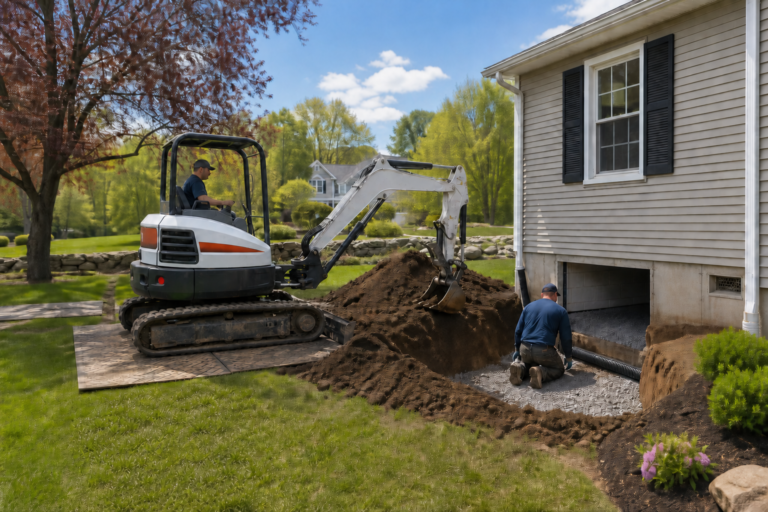
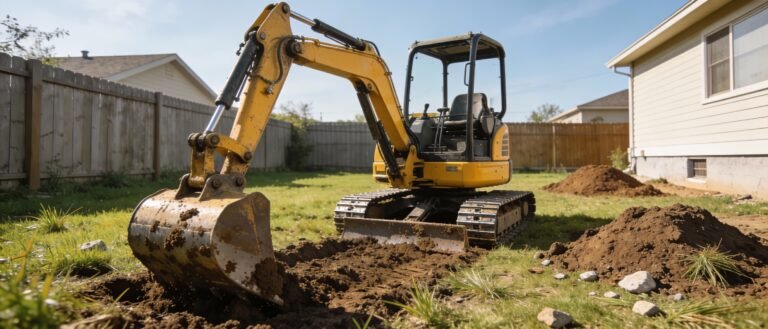
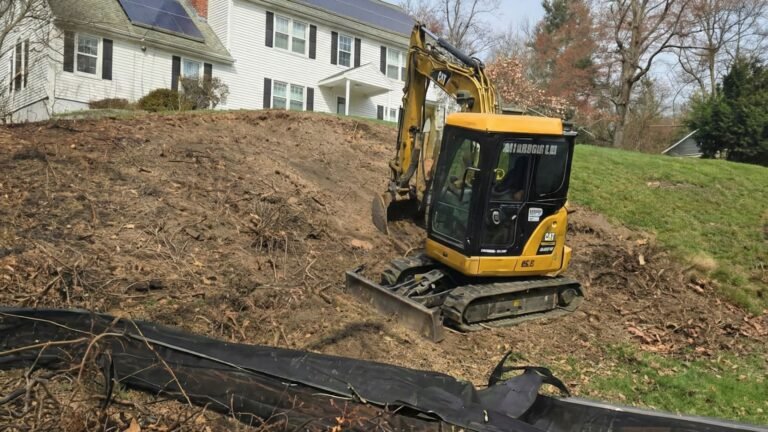
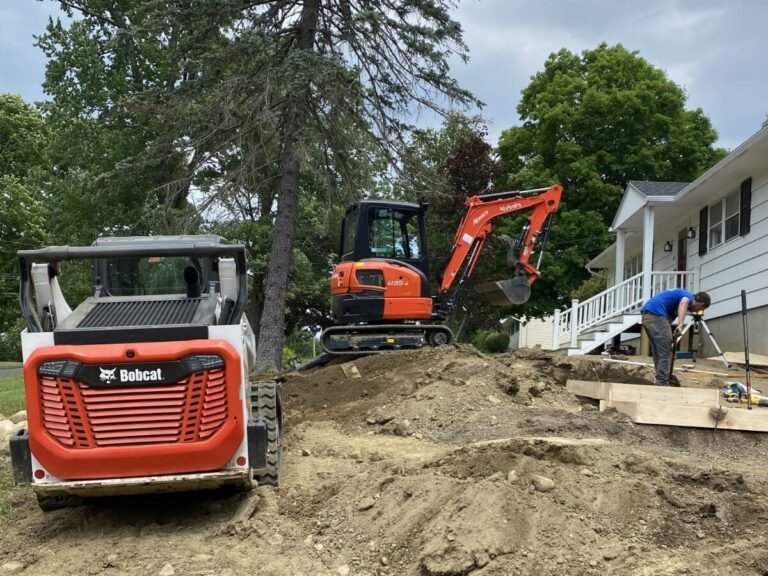
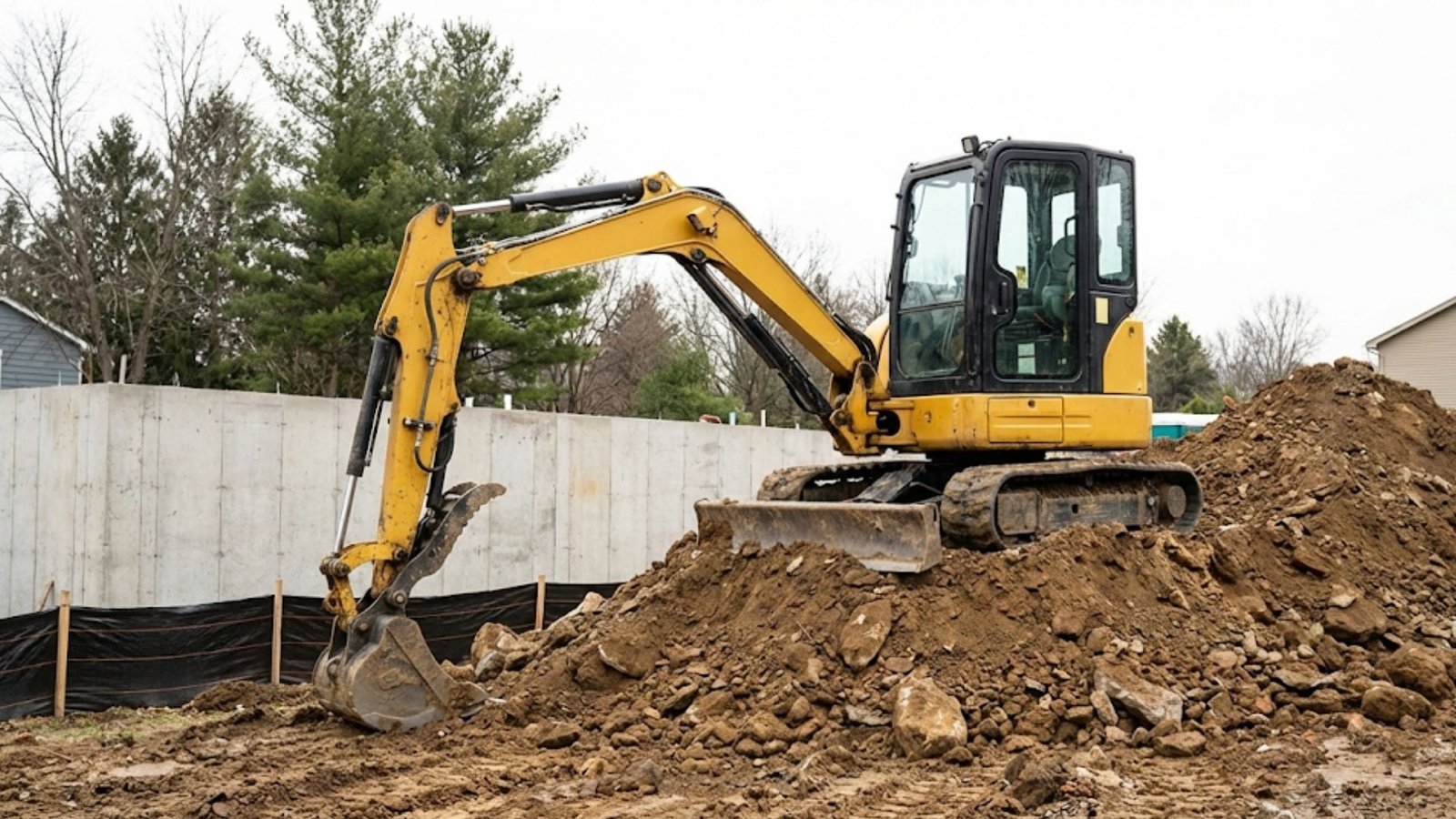
This is the phase that looks the most dramatic and triggers the “torn up” worry. Crews strip turf where work will happen, stockpiling reusable topsoil for later respreading or hauling away unsuitable clay and fill. Excavators and graders cut down high areas and fill low spots, shaping the yard to create gentle slopes that direct water away from the house and avoid concentrating runoff at property lines. Federal housing guidance on site grading calls for positive drainage away from foundations, a standard that shapes how final contours are laid out. On compact residential lots, operators work carefully around existing features, sometimes leaving temporary berms or swales to manage water flow during the work. The rough grade establishes the overall framework, where high points, low points, and drainage paths will be, setting the stage for finer adjustments and restoration.
Drainage and Water Management Fixes
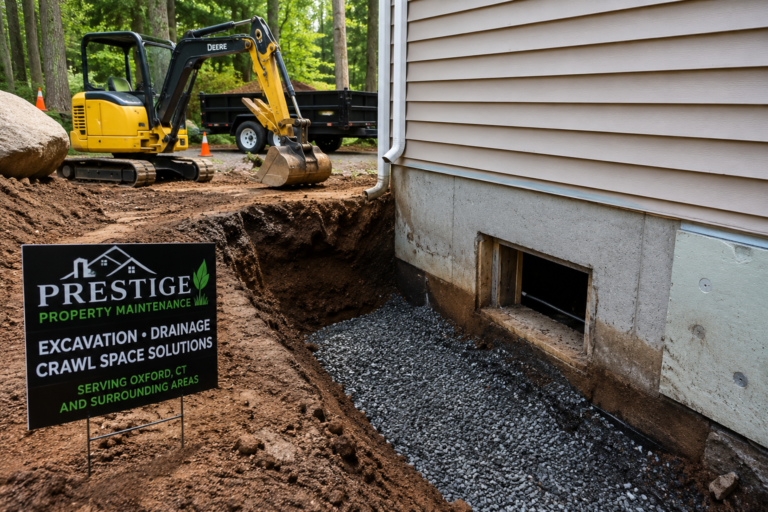
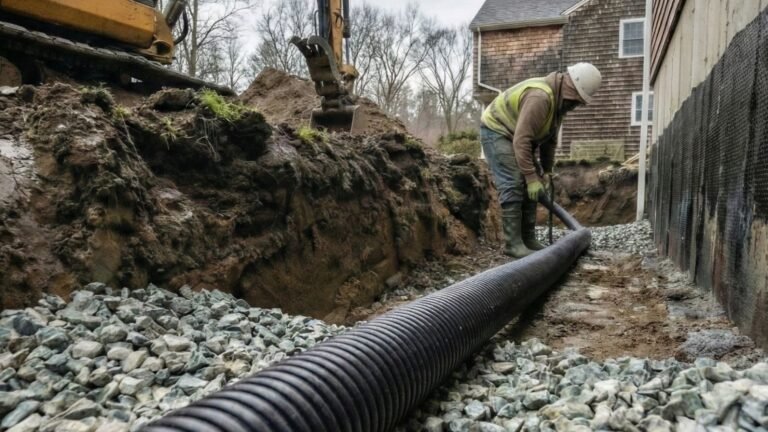
Fixing uneven yards in the Northeast almost always involves addressing drainage issues alongside grading. Crews carve shallow swales or channels to guide stormwater toward safe outlets, away from the house and neighboring properties. When surface grading alone can’t handle heavy rain or seasonal runoff, buried drain lines or connections to existing systems may be installed, often incorporating a French drain with grading to intercept subsurface water before it reaches foundations or wet spots. Connecticut stormwater runoff guidance and local stormwater management expectations discourage directing concentrated flows onto adjacent lots, so drainage features are designed to disperse runoff or tie into approved discharge points. This phase adds a day or more to the timeline but prevents recurring water pooling and erosion, making the torn-up period worth it for long-term yard performance.
Fine Grading and Lawn Restoration
Once rough slopes and drainage are in place, the crew fine-tunes the surface for mowing, walking, and aesthetics. Fine grading smooths transitions, removes bumps and divots, and blends the work area into undisturbed sections so the yard doesn’t look patched. Quality topsoil is spread back over the finished grade, providing a healthy rooting zone for new grass and reducing erosion risk. Seed vs sod after excavation is a key decision at this stage. Seeding costs less and works well if you can wait several weeks for germination and establishment, especially when paired with erosion control blankets or mulch that protect the soil. Sod delivers instant coverage and faster usability, shortening the visible recovery window at a higher price. Either way, erosion control measures go down immediately, consistent with state guidelines on soil stabilization, so your yard transitions from construction site to new lawn quickly and stays stable during the next heavy rain.
Additional Steps for Complex Yards
Not all residential excavation projects follow the simple sequence. Certain site conditions add phases or extend timelines, but understanding what triggers these extra steps helps you set realistic expectations and avoid the fear that your yard will be torn up indefinitely.
Steep Slopes, Wet Areas, and Tight Lots
Properties with significant elevation changes require more careful cutting and filling to create slopes that are safe to mow and stable over time. Steep backyard grading often involves building terraces or gentle benches rather than one long, steep plane, which takes additional machine hours and planning. Wet areas or seasonal springs may need subsurface drainage installed before the final grade is set, slowing equipment and requiring test pits or percolation checks to understand how water moves through the soil. Tight side yards or limited machine access force crews to use smaller excavators or even hand tools in spots, increasing labor time and the number of trips to move soil in and out. Property line drainage issues can complicate planning when the best grade for your yard conflicts with protecting a neighbor’s land, requiring swales and yard slopes that balance both properties.
Obstacles, Trees, and Shared Property Lines
Mature trees add value but also constraints. Heavy excavation near roots can damage or kill trees, so crews may limit how much soil is cut or filled in root protection zones, adjusting grades to work around these areas. Features like sheds, patios, play structures, or underground utilities may need temporary relocation or careful work to avoid damage, adding coordination time. When work approaches shared fences or walls, local grading standards often require maintaining existing drainage patterns or ensuring new slopes don’t direct water onto neighboring land. This can mean reshaping the yard in phases, building low berms or swales along boundaries, or coordinating with neighbors to agree on final elevations. These steps extend the calendar but prevent legal disputes and protect your investment in landscaping and structures.
Permits, Utilities, and Local Regulations in CT and NY
Connecticut and New York homeowners benefit from a regulatory framework that, while it may add paperwork, prevents contractors from leaving yards torn up or creating drainage problems that affect entire neighborhoods. Understanding when permits and inspections come into play helps demystify the process and reassures you that there are defined endpoints.
When Grading and Excavation May Trigger Local Review
Many towns regulate grading based on the volume of soil moved, the area disturbed, or proximity to wetlands and watercourses. Local earthwork and grading codes can require zoning permits or special permits once you exceed thresholds, often around a few hundred cubic yards of cut or fill or disturbed areas above a certain square footage. Projects tied to new construction, major landscaping, or changes that affect stormwater flow may be reviewed for compliance with Connecticut’s stormwater management framework, which applies to larger disturbances and requires erosion and sediment control plans. While permits add days or weeks to the planning phase, they don’t extend the time your yard is actively torn up. Instead, they ensure the work is designed correctly up front, reducing the chance of mid-project changes that leave soil exposed longer than necessary.
Utilities, Property Lines, and Neighbor Considerations
Before breaking ground, crews mark underground utilities to avoid damaging electric, gas, water, and communication lines that can shut down the project and leave your yard open for emergency repairs. Clarifying property boundaries prevents grading that crosses the line and triggers disputes or legal action. Guidance on site drainage and grading warns against concentrating runoff onto neighboring properties, so responsible contractors design grades and drainage features with adjacent lots in mind. Discussing your plans with neighbors, especially if the work affects shared fences or drainage paths, can prevent complaints and ensure everyone understands the timeline and final result. These steps may seem administrative, but they protect you from conflicts that can stop work and leave your yard torn up far longer than the original estimate.
What Homeowners Should Prepare For and Do
The single best way to shorten the torn-up window is to prepare thoroughly and stay engaged with the crew. Passive homeowners who leave everything to the contractor often face longer disruption because questions arise mid-project, forcing delays while decisions are made. Active preparation keeps the process moving.
Daily Expectations During Yard Leveling
On day one or two, expect the most visible change. Equipment arrives, turf is stripped in work areas, and soil piles appear where high spots are cut or imported fill is staged. The yard looks rough and will be off-limits except for necessary access. By mid-project, rough grades take shape, drainage features like swales or buried lines are installed, and some areas may already look smoother even as others are still being worked. Final days shift to fine grading, topsoil spreading, and seeding or sodding, with erosion controls like mulch or blankets going down immediately. At the end of the project, the crew walks you through what was done, where new grades are, and how to care for the new lawn. The yard no longer looks like a construction impact on yard site, it looks like a carefully restored landscape that needs gentle treatment while it heals.
Tips to Minimize Disruption and Speed Recovery
Clear toys, furniture, grills, and temporary structures from the work area before crews arrive so they don’t waste time moving obstacles or expanding the disturbed zone. Agree on machine access paths and staging areas, often a driveway or designated corner, to limit how much of the yard gets compacted by equipment. Decide early between seed and sod, factoring cost, timeline, and your willingness to water and protect new grass. Plan pet access and kid play zones around the schedule, perhaps using a side yard or front area while the backyard is being graded. If you have irrigation, outdoor lighting, or other systems in the work area, discuss how they’ll be protected or relocated temporarily. These small steps keep the project on schedule, reducing the number of days your yard is torn up and helping crews work efficiently without interruptions.
Process Comparison Table: Simple vs. Complex Yard Leveling in CT/NY
| Phase | Small Trouble Spots (Near House) | Full Backyard Regrade |
|---|---|---|
| Prep & Assessment | Half day on site | 1 day with drainage planning |
| Rough Grading & Soil Move | 1-2 days | 3-5 days active equipment |
| Drainage Upgrades | Often same day as grading | 1-2 additional days possible |
| Fine Grade & Restoration | 1 day seed/sod | 1-2 days across full yard |
| Visible “Torn-Up” Window | 1-3 days | 3-7 days typical |
This comparison shows that even full backyard regrading services keep the construction zone phase to about a week, with smaller jobs wrapping in just a few days. The key difference is planning, where complex sites spend more time on drainage and permits before breaking ground but maintain the same tight timeline once work starts.
Common Mistakes Homeowners Make During Yard Leveling
Avoiding these pitfalls keeps your project on track and prevents the yard from being torn up longer than necessary. Starting work without a clear scope or written timeline leaves you guessing how long disruption will last, creating stress and confusion when weather or soil conditions change the schedule. Focusing only on flattening the yard without addressing drainage means water will pool in new low spots, forcing repeat excavation and more disruption within a season or two. Failing to clarify machine access paths leads to unnecessary damage across the lawn, widening the disturbed area and extending restoration time. Walking, driving, or allowing pets on soft, freshly graded soil creates ruts and compaction that undo the leveling work, requiring crews to return and re-smooth the surface.
Other common mistakes include not protecting sprinkler heads, landscape lighting, or shallow utility lines before work starts, which can lead to costly repairs and project delays. Homeowners sometimes choose the cheapest bid without checking if the contractor includes proper erosion control and lawn restoration, leaving them with a finished grade but no grass or stabilization, so the yard looks torn up for months. Waiting too late in the season to start, especially in fall when grass establishment is limited before winter, can mean a bare, muddy yard until spring. Being clear about expectations, insisting on a detailed plan, and staying involved through each phase prevents these issues and keeps the timeline predictable.
Preparing Your Property for Yard Leveling in CT/NY
Proper preparation before the first machine arrives can cut days off the project and reduce how much of your yard is disturbed. Walk the site with your contractor and mark must-protect areas like flower beds, young trees, or underground systems, using stakes or flags so operators know where to avoid. Confirm exactly how long equipment will be on site, what the daily schedule looks like, and what the yard will look like at each milestone so you can plan family activities, deliveries, and events around the work. Arrange vehicle parking, pet containment, and temporary play spaces away from the excavation zone, especially during the heaviest soil movement days. If your driveway or access points are narrow, discuss whether temporary gravel or mats are needed to protect pavement and turf from machine traffic.
Move portable items like patio furniture, grills, planters, and yard decorations to a safe spot, ideally inside a garage or shed, so they don’t get buried in soil piles or damaged by equipment. Trim back overhanging branches or shrubs that might interfere with machine movement, and notify your neighbors about the timeline and any potential noise or temporary inconvenience. If your yard has irrigation, outdoor lighting, or shallow drainage lines, make sure the contractor has accurate maps or marks so these features can be protected or temporarily relocated. Taking these steps shows the crew you’re invested in a smooth process, and they’ll reward that cooperation with efficient work and minimal extra disturbance.
Frequently Asked Questions About Uneven Yard Leveling Near Me in Oxford CT
Q: How long will my yard actually look torn up?
A: For most residential projects in Oxford and surrounding Connecticut towns, expect a few days of heavy disturbance when equipment is actively moving soil and turf is stripped, followed by a week or two where the yard looks like a new, carefully graded landscape rather than a construction site. The rough, muddy phase is the shortest part, while stabilization with seed or sod and erosion controls transitions the site quickly to a healing lawn.
Q: Can you level my yard without ruining everything I’ve planted?
A: Professional crews protect key trees, shrubs, and garden beds by working in defined zones, using hand tools near sensitive roots, and re-blending edges so the entire yard isn’t disturbed at once. Clear communication about what features you want preserved, combined with careful equipment operation, keeps disruption focused on problem areas.
Q: Will water start draining onto my neighbor’s property?
A: Reputable excavation contractors design final grades to direct water away from your home and avoid concentrating runoff at property lines, consistent with stormwater management guidance that discourages pushing water onto adjacent land. Swales, drainage channels, and gentle slopes disperse flow and protect both your yard and your neighbors.
Q: When can my kids and pets use the yard again?
A: Once soil is stabilized and seed or sod is installed, light, careful use in designated areas is usually safe, though you’ll want to avoid heavy traffic that damages new grass or creates ruts in soft soil. Full, unrestricted use typically waits until the lawn is established, which can take a few weeks for sod and several weeks for seed.
Q: What if it rains during or after the project?
A: Responsible crews install erosion controls like mulch, blankets, or temporary berms before they leave each day, so normal Northeast rain events won’t wash out the work. Extreme storms may require minor touch-ups or reseeding in small areas, but properly designed grades and stabilization measures handle typical weather without major setbacks.
Q: Do I need a permit to level my backyard in Connecticut?
A: It depends on how much soil you’re moving and the size of the disturbed area. Many Connecticut towns regulate grading once you exceed certain thresholds, and larger projects can fall under state stormwater permitting. A local excavation contractor familiar with Oxford-area rules can tell you quickly whether your project needs formal approval.
Q: How much does yard leveling cost in Oxford, CT?
A: Costs vary widely based on yard size, soil conditions, drainage complexity, and whether you choose seed or sod. Small trouble spots near the house may run a few thousand dollars, while full backyard regrading with drainage upgrades can reach mid-five figures. The best approach is to get detailed estimates that break down grading, drainage, restoration, and any permit or inspection fees.
Q: Can I do yard leveling myself to save money?
A: Homeowners with small, simple low spots and access to rental equipment sometimes tackle minor leveling, but larger projects involving significant soil movement, drainage corrections, or steep slopes benefit from professional equipment and experience. Poor grading can create new water problems, damage foundations, or violate local codes, turning a cost-saving effort into expensive repairs.
Final Thoughts
Professional yard leveling in Oxford, CT follows a structured sequence, from site assessment and rough grading through drainage installation and lawn restoration, designed to keep the visible “torn up” period measured in days rather than weeks. Understanding the phases, the role of local permits and erosion controls, and what you can do to prepare helps transform an intimidating excavation project into a controlled improvement with a predictable finish line. When you know what to expect each day and how regulations push contractors to stabilize soil quickly, the fear of an endless construction zone gives way to confidence that the work will be completed on schedule and your yard will be usable again soon.
The long-term value of correcting uneven slopes, fixing drainage, and creating a safe, functional outdoor space far outweighs the short disruption. A properly graded yard reduces basement water problems, eliminates muddy low spots that turn into ice hazards, and prevents disputes with neighbors over runoff, protecting your property investment and improving daily quality of life. New grass establishes, soil settles into stable contours, and within a season or two, the yard looks like it was always meant to be smooth and well-drained.
When you’re ready to fix your uneven yard and want a contractor who explains the timeline, handles permits and drainage correctly, and finishes projects without leaving your property torn up indefinitely, Prestige Excavation & Drainage of CT brings the excavation expertise, local knowledge, and commitment to customer communication that turns a stressful project into a smooth process. Serving Oxford and the surrounding Connecticut area, Prestige Excavation & Drainage of CT handles residential grading, drainage correction, and site work with the equipment and experience to deliver results on schedule. Reach out to Prestige Excavation & Drainage of CT to discuss your yard leveling needs, get a clear project timeline, and take the first step toward a safer, drier, better-looking outdoor space.