Crawl Space Excavation for Home Access & Airflow Near Me in Oxford, CT
When Oxford, CT homeowners hear crawl space excavation CT, many immediately picture heavy equipment tearing up their carefully landscaped yards for weeks while neighbors watch with concern. The reality of professional crawl space excavation differs significantly from these worries, especially when contractors follow proper safety standards and Connecticut building code requirements designed to protect both workers and properties. Most residential projects in the Oxford area follow a predictable sequence that balances OSHA trench safety protocols, state ventilation regulations, and local zoning expectations, with the most visible yard disruption typically lasting just a few focused working days rather than the prolonged construction zone many people fear. Reputable crawl space contractors understand that your lawn, plantings, and driveway matter just as much as the work under your house, which is why they plan equipment paths, soil stockpiles, and restoration steps before the first shovel breaks ground. Connecticut’s humid summers and cool, shaded crawl spaces create real moisture and airflow problems that can compromise structural integrity, indoor air quality, and long-term home value if left unaddressed. Understanding what actually happens during a properly managed crawl space excavation project, from utility marking through final lawn restoration, can help you approach this necessary work with realistic expectations instead of unnecessary anxiety.
Key Takeaways
- Most Crawl Space Excavations Are Days, Not Months: Typical single-family projects in Oxford see the yard visibly “torn up” for 2 to 4 working days, with lawn recovery continuing over the next few weeks and through the next growing season, rather than the prolonged construction zones homeowners often fear.
- Safety Rules Make Holes Look Bigger (On Purpose): OSHA trench and excavation standards require sloped or protected sides, safe entry points, and spoil setbacks, so the disturbed area temporarily looks wider than the crawl space itself to prevent cave-ins and worker injuries.
- Connecticut Codes Drive Airflow and Moisture Fixes: State building and mechanical codes require proper ventilation for uninhabited spaces like crawl spaces, pushing contractors to excavate only enough to install effective airflow and moisture control rather than moving dirt aimlessly.
- New England Climate Makes Access Critical: Humid Connecticut summers and cool, shaded crawl spaces create condensation, mold, and wood decay risks unless contractors can get under the house to shape drainage, add vapor barriers, and manage ventilation properly.
- Local Zoning Limits Nuisance Digging: Oxford-area zoning rules around earth excavation and filling focus on health, safety, and property values, so legitimate crawl space work is planned within clear limits rather than leaving open pits or long-term soil piles that affect neighbors.
- Cleanup and Yard Restoration Are Part of the Job: Backfilling, grading away from the foundation, replacing topsoil, and prepping for seed are standard end steps rather than optional extras, so the yard transitions from “construction zone” back to “normal yard” on a predictable schedule.
Understanding Crawl Space Excavation for Oxford, CT Homes
Professional crawl space excavation in Oxford sits at the intersection of excavation safety requirements, Connecticut building codes, and the realities of older New England homes with shallow crawl spaces and mixed soils. Instead of a vague “we’ll dig and see what happens” approach, the process sequences from planning and utility checks to excavation, interior crawl space shaping, and full restoration, all while keeping the disruption window as short as site conditions allow. Contractors who follow industry best practices understand that homeowners care deeply about minimizing visible yard damage, protecting landscaping investments, and returning the property to normal appearance as quickly as possible. This understanding drives every decision from equipment selection to soil stockpiling locations, ensuring the work meets structural and safety goals without creating unnecessary chaos in your outdoor spaces.
In Oxford and surrounding Connecticut towns, many homes sit over low, damp crawl spaces with limited headroom, rocky or ledge soils, and seasonal humidity swings that push moisture into wood framing and insulation. These conditions make safe excavation, reliable drainage, and code-aligned ventilation strategies necessary rather than optional, even if that means the surface work zone looks somewhat larger for a few days to protect workers and the structure. The shallow bedrock and boulders common in this area can require slightly larger work areas for safe equipment maneuvering and proper sloping, but experienced excavation contractors plan these realities into the project timeline rather than treating them as surprises that extend disruption indefinitely.
Local Crawl Space Environment and Process Needs
Connecticut’s combination of humid summer air and cool crawl space temperatures creates ideal conditions for condensation and moisture accumulation that can damage structural wood, promote mold growth, and compromise indoor air quality over time. Without adequate headroom for inspection and maintenance, these problems often go unnoticed until significant damage has occurred, making access improvements through carefully planned excavation a practical investment in long-term home health. The process must balance removing enough soil to create safe working clearance with maintaining foundation stability and following safety regulations that protect excavation workers from cave-ins and soil collapse.
Oxford-area soil conditions add another layer of complexity, with many properties featuring dense hardpan, scattered boulders, or shallow ledge that requires careful excavation techniques rather than simple digging. Contractors experienced in New England residential excavation account for these factors when estimating timelines and planning work zones, setting realistic expectations for homeowners about how long equipment will be on site and how much surface area will be temporarily disturbed during the active work phase.
National vs. CT Excavation Timelines (And Why Yards Aren’t Torn Up for Months)
Across the country, small residential excavations for access and repair often run on the scale of a few working days, but Northeast factors like frost depth, rock, and tight lot lines can stretch planning and execution slightly beyond baseline national averages. Oxford-area projects still typically fall within compact timelines when crews plan around safety requirements, building codes, and restoration steps from the start rather than treating cleanup as an afterthought or optional service. The key difference between projects that wrap up quickly and those that drag on for weeks often comes down to upfront planning, proper equipment selection, and commitment to daily progress rather than the scope of work itself.
Professional excavation contractors understand that every day your yard looks torn up creates stress and inconvenience, which is why they sequence work to move from planning through active excavation to restoration as efficiently as site conditions and safety allow. Weather delays, unexpected rock or utility conflicts, and coordination with other trades can extend timelines, but these factors are usually measured in additional days rather than weeks when contractors maintain focus on completing each phase before moving to the next.
Typical Timeline Ranges by Project Size
Small access improvements or localized crawl space deepening often require just 1 to 2 active digging days with another day for shaping, backfilling, and restoration when weather permits and soil conditions cooperate. These projects might involve creating better access to one section of the crawl space, enlarging an existing hatch, or addressing a specific moisture problem in a confined area, allowing contractors to keep the work zone compact and complete restoration quickly.
Larger under-house excavation projects or work requiring multiple access points typically need 3 to 5 active days of visible disruption, especially when rock, high water tables, or complex utility corridors are present. These timelines reflect industry norms for residential excavation in challenging conditions, where safety requirements and proper technique take priority over speed alone. Even these more complex projects rarely stretch beyond a single week of active excavation work when contractors maintain consistent daily progress and avoid leaving equipment idle on site for extended periods.
Day-by-Day Breakdown Models
Understanding what happens each day helps homeowners manage expectations and plan around the disruption rather than feeling overwhelmed by uncertainty. On Day 1, contractors typically handle utility confirmation, lay protective ground mats on driveways and lawns where equipment will travel, complete initial trenching near the foundation, and establish stockpile areas for excavated soil, with all topsoil separated and saved for later restoration use. This first day sets up the work zone and establishes safe access to the excavation area while minimizing unnecessary damage to surrounding landscaping.
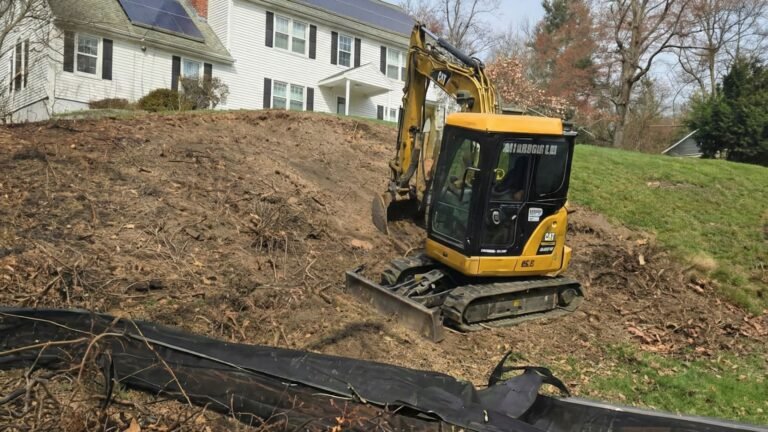
Days 2 and 3 usually involve full-depth excavation to reach the target depth under the house, interior soil removal to create adequate headroom for workers and future maintenance, and crawl space drainage and airflow shaping that addresses the moisture and ventilation problems driving the project. These middle days represent the “peak ugly” phase when the yard looks most disrupted, with open excavations, visible soil piles, and active equipment creating the construction-zone appearance homeowners worry about. Contractors working efficiently can often compress these phases, especially on smaller projects with cooperative soil conditions and straightforward access.
The final day shifts focus to backfilling with proper compaction to prevent future settling, grading to direct water away from the foundation, topsoil replacement over the disturbed areas, and seeding preparation so grass can begin recovering immediately. This rapid transition from “torn up” to “patched and healing” often surprises homeowners who expected a longer restoration phase, but professional excavation contractors understand that quick, quality restoration protects both the property and their reputation.
Key Steps in the Crawl Space Excavation Process
Core phases protect workers, the structure, and neighboring properties while limiting how long the yard looks torn up and ensuring the finished work meets both safety standards and functional goals. Each step builds on the previous one, creating a logical sequence that moves from planning through execution to restoration without unnecessary backtracking or repeated disruption to the same areas.
Site Preparation, Utilities, and Layout
Before any digging begins, contractors review site access routes, mark equipment travel paths, and coordinate underground utility locations through professional locating services to avoid disturbing gas, electric, water, or communications lines that could create safety hazards and project delays. They also consider local zoning regulations or earth removal thresholds, especially where moving larger soil volumes could trigger review under town regulations designed to protect health, safety, and property values in residential neighborhoods. This planning phase may seem like it delays the “real work,” but it actually prevents problems that could extend the project timeline significantly or create conflicts with neighbors and local authorities.
Contractors map out where excavated soil will be stockpiled, ensuring piles are set back from excavation edges as required by OSHA excavation safety standards and positioned to minimize impact on driveways, walkways, and landscaped areas that homeowners want to protect. They identify which trees, shrubs, or other features require special protection and plan equipment paths that avoid unnecessary damage to lawns, plantings, and hardscaping that would require extensive restoration work after the excavation is complete.
Excavation, Shoring, and Safe Access
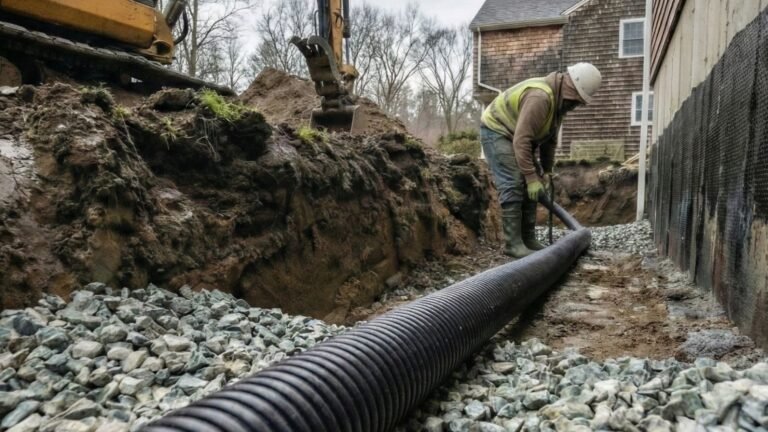
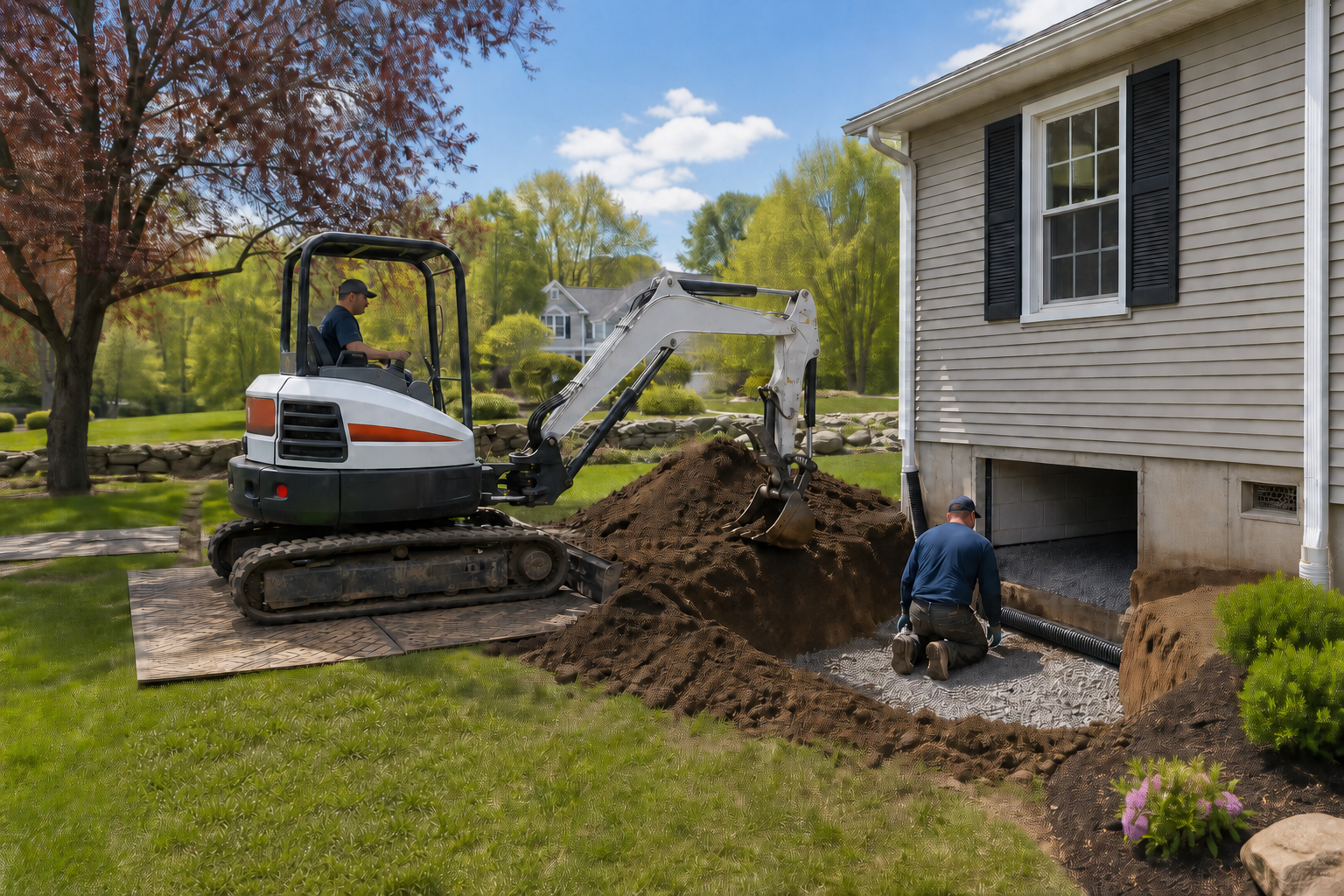
Crews strip and separate topsoil for later reuse, recognizing that this darker, nutrient-rich layer is critical for successful grass regrowth and lawn restoration after backfilling is complete. They then excavate near the foundation with sloped or otherwise protected sides that meet OSHA excavation and trenching expectations, maintaining safe entry and exit points and setting spoil piles back from edges to prevent soil from sliding back into the excavation or creating unstable conditions.
For many soil types in Connecticut, safe slopes run approximately 1.5 horizontal feet for every 1 vertical foot, which explains why the disturbed surface area often looks wider than homeowners expect when they picture a narrow trench directly against the foundation. These safety slopes are not optional or negotiable, they represent the minimum protection required to prevent cave-ins that could injure or kill workers in the excavation. Contractors may work in phases under the house to maintain stability while gaining enough clearance for workers and future inspections, removing soil in sections rather than creating one large open void that could compromise foundation support.
Interior Crawl Space Shaping, Drainage, and Airflow
Once access is opened and excavation reaches the target depth, workers remove soil inside the crawl space to create adequate headroom for safe movement and future maintenance access, typically aiming for at least 18 to 24 inches of clearance in most areas. They slope the interior grade to direct water toward drainage points or low areas where sump systems can be installed, reducing standing moisture risks that contribute to crawl space water damage and structural problems common in Connecticut’s humid climate.
This stage sets the foundation for future vapor barriers, sump and drainage systems, and controlled ventilation or dehumidification strategies that align with modern crawl space moisture management practices. Without proper excavation and grading, these moisture control measures cannot function effectively, which is why the temporary yard disruption creates long-term value that far exceeds the inconvenience of a few days of construction activity.
Additional Steps for Complex Crawl Spaces
Some Oxford crawl spaces require extra phases that can extend the “torn up” window slightly but significantly improve long-term performance, structural safety, and moisture control effectiveness. Contractors should identify these needs during the planning and assessment phase rather than discovering them mid-project, allowing homeowners to understand realistic timelines before work begins.
Handling Rock, High Water, and Tight Lots
Homes built over ledge, high water tables, or dense utility corridors may need slower excavation, more careful shoring techniques, or revised access paths that add time to the project but follow the same OSHA planning principles and safety requirements. Rock excavation often requires specialized equipment or techniques that work more slowly than digging in soft soil, and high water tables may demand dewatering systems or phased excavation that allows soil to drain between digging sessions. On tight lots with limited space between the house and property lines, contractors work around zoning-driven constraints for earth disturbance and restoration, similar to earth removal bylaws that emphasize safe slopes, proper phasing, and final grading that protects neighboring properties.
These complications are common enough in Connecticut that experienced local excavation contractors plan for them rather than treating them as unexpected delays. Homeowners can help by sharing any known information about their property’s soil conditions, water table history, or previous excavation experiences during the initial consultation, allowing contractors to factor these realities into timeline and cost estimates from the beginning.
Finishing Touches Inside the Crawl Space
With the soil shaped to proper grades and adequate headroom established, crews or partner trades may install vapor barriers over exposed soil and partially up foundation walls, seal gaps and penetrations, and prepare for ventilation or dehumidification systems in line with Connecticut’s approach to ventilating uninhabited spaces. Proper access doors or hatches are finalized with weatherstripping and secure latching so future inspections, repairs, or HVAC service work do not require re-excavating the yard for routine maintenance tasks.
These finishing steps transform the crawl space from a dark, damp void that no one wants to enter into a serviceable space where plumbers, electricians, and HVAC technicians can work safely and efficiently when needed. The upfront investment in proper excavation and access improvement pays dividends every time future work under the house can be completed quickly without the expense and disruption of creating new access or working in dangerously confined conditions.
Codes, Ventilation, and Moisture: Why Access Matters in CT
This connection between crawl space excavation and code-backed health and structural benefits helps homeowners understand why the work matters beyond just creating more space under the house. Connecticut’s regulatory environment recognizes the relationship between crawl space conditions and overall home performance, driving requirements that make proper access and moisture control practical necessities rather than optional upgrades.
Crawl Space Ventilation and Uninhabited Space Rules
Connecticut’s adoption of mechanical and building codes requires uninhabited spaces like crawl spaces and attics to be ventilated properly, either through natural openings that meet minimum size and spacing requirements or through mechanical systems that deliver code-specified airflow rates. Excavation that improves under-house access allows these openings, ducts, or mechanical systems to be installed and maintained correctly rather than leaving a damp, stagnant void that cannot be serviced without major disruption. State ventilation guidance prohibits discharging bathroom exhaust or other contaminated air into crawl spaces, recognizing that these spaces connect to the rest of the home’s air system and can affect indoor air quality throughout the house.
Modern approaches to crawl space moisture control often combine vapor barriers that prevent ground moisture from entering the space with controlled ventilation or dehumidification that manages air moisture levels regardless of outdoor humidity. These strategies work best when contractors can access the entire crawl space to install continuous vapor barriers, seal foundation vents, and position dehumidification equipment effectively, all of which require the headroom and access that proper excavation provides.
Moisture, Humidity, and New England Climate
In Connecticut’s climate, moist outdoor summer air hitting cooler crawl space surfaces can drive condensation that leads to mold growth, wood rot, and structural damage over time, especially where drainage and airflow are poor or nonexistent. With proper excavation and grading complete, crews can implement continuous vapor barriers over exposed soil, improve drainage away from foundation walls, and install controlled ventilation or dehumidification systems that reduce these risks and support healthier indoor air quality throughout the home.
The connection between crawl space conditions and whole-house air quality surprises many homeowners, but studies consistently show that air from crawl spaces migrates into living areas through gaps, penetrations, and natural convection patterns. When that crawl space air carries moisture, mold spores, or musty odors, the entire home’s indoor environment suffers, which is why addressing crawl space moisture and ventilation through proper access improvement delivers benefits far beyond the space itself.
Zoning, Nuisance Concerns, and Neighbor-Friendly Excavation
Many homeowners quietly worry about long-term soil piles, open pits, or neighbor disputes when they hear “excavation,” especially in established neighborhoods where properties sit close together and visible construction activity draws attention. Understanding how local regulations and professional practices protect against these concerns can reduce anxiety and help homeowners feel confident moving forward with necessary work.
Earth Removal, Filling, and Local Oversight
Earth removal and filling bylaws in New England towns, including Oxford-area regulations, are designed to leave land in safe, reusable condition and to control the volume, phasing, and restoration of excavation activities that could affect neighboring properties or community appearance. While focused crawl space excavation usually falls well below major earth-removal thresholds that trigger formal permitting, reputable contractors still plan phasing and restoration to match the spirit of these protections and demonstrate respect for community standards.
Local zoning rules typically allow excavation clearly tied to construction or maintenance on your own property while giving planning authorities power to add reasonable conditions when work could affect neighbors, property values, or public safety. Contractors who understand these regulations can explain how their work plans comply with local expectations, giving homeowners confidence that the project will not create conflicts or violations that could lead to stop-work orders or neighbor complaints.
Avoiding Nuisance-Style Disturbance
By tying excavation directly to crawl space access improvement, ventilation enhancement, and code-driven structural needs, the work is clearly distinguished from any form of nuisance digging or earth removal without legitimate construction purpose. Fast backfilling with proper compaction, final grading that improves drainage away from the foundation, and prompt reseeding backed by clear estimates of how long equipment and open trenches will be present help keep both homeowners and neighbors comfortable with the project footprint and timeline.
Contractors can further minimize neighbor concerns by maintaining reasonable work hours, controlling dust and noise where possible, keeping equipment and materials within the property boundaries, and communicating directly with adjacent property owners when work will affect shared driveways, property lines, or other areas of potential interaction. These professional courtesies cost little but prevent misunderstandings that could sour neighborhood relationships or create opposition to necessary home maintenance work.
What Oxford Homeowners Should Expect and Do During the Process
Turning the process into daily expectations and simple action steps helps homeowners feel prepared and in control rather than anxious and uncertain as work progresses. Clear communication between contractors and homeowners throughout each phase prevents surprises and allows quick resolution of any issues that arise.
Daily Expectations While the Yard Is “Torn Up”
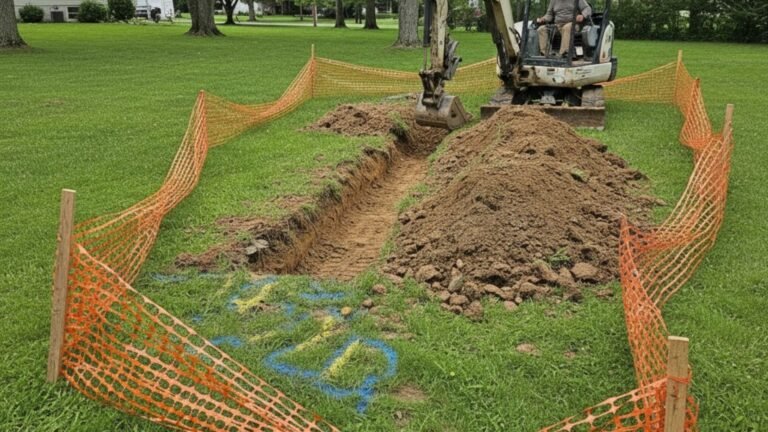
Before digging begins, homeowners see utility marking flags or paint, equipment path planning, and a detailed walkthrough where they can point out features they want protected, with little physical disruption beyond stakes, markers, and initial staging of equipment or materials. During active excavation days, visible equipment, defined work zones, and soil piles near the foundation create the construction appearance that worries many homeowners, but these conditions are generally confined to a planned footprint for 2 to 4 days on typical projects when contractors maintain consistent daily progress.
The final day brings a rapid shift to backfilling, final grading, topsoil replacement, and seeding preparation, with the yard appearing “patched and healing” instead of “demolished by construction” once equipment is removed and materials are cleared. This visual transformation often happens faster than homeowners expect, especially when contractors treat restoration as an integral part of the job rather than an afterthought to be completed “when we get around to it.”
Tips to Minimize Disruption and Speed Restoration
Homeowners can help by clearing access paths of stored items, outdoor furniture, or other obstacles before work begins, planning parking and pet arrangements away from the work zone, and clarifying which landscaping features matter most so contractors can route equipment and stockpiles accordingly. After excavation, following contractor guidance on seeding, watering schedules, and traffic restrictions helps regrow grass over disturbed areas so the visual signs of digging fade within a growing season rather than lingering as bare patches or thin spots.
Maintaining communication with the crew throughout the project allows quick adjustments if unexpected conditions arise or if initial plans need modification to protect specific features or address concerns that become apparent once work begins. Most professional excavation contractors appreciate homeowners who stay engaged without micromanaging, ask questions when confused, and provide feedback on concerns before they become serious problems.
Process Comparison Table: Simple vs. Complex Crawl Space Excavation in Oxford, CT
| Phase | Simple Crawl Space Access (Soft Soil, Easy Entry) | Complex Crawl Space Excavation (Rock/High Water/Tight Lot) |
|---|---|---|
| Planning & Utility Marking | Half-day walkthrough and utility marking | 1 day with added access planning, zoning review, and soil assessment |
| Exterior Excavation | 1 day sloped dig and soil stockpiling | 2 days with rock work, dewatering, or staged digging |
| Interior Soil Removal/Shaping | 0.5 to 1 day for headroom and basic drainage | 1 to 2 days for deeper work or phased interior excavation |
| Backfill & Yard Restoration | 1 day compaction, grading, topsoil replacement, and seeding prep | 1 to 2 days with extra compaction cycles and detailed restoration |
| Visible “Torn Up” Duration | Approximately 2 to 3 active work days | Approximately 4 to 5 or more active work days |
Common Mistakes Homeowners Make Around Crawl Space Excavation
Homeowners sometimes push contractors to dig the smallest possible opening without considering OSHA safety requirements, which can increase worker risk and actually slow the project instead of shortening the disruption period by creating unsafe conditions that require additional protective measures or repeated repositioning of equipment. This penny-wise, pound-foolish approach often backfires when contractors must spend extra time installing shoring, working in cramped conditions, or dealing with cave-ins that would not have occurred with properly sized excavations from the start.
Others underestimate how humidity and poor airflow in Connecticut crawl spaces drive recurring moisture problems, missing the opportunity to add comprehensive drainage and ventilation improvements while the area is open and accessible. Focusing solely on minimizing current disruption instead of maximizing long-term solutions can lead to needing additional excavation work in a few years when moisture problems resurface, multiplying the total yard disruption over time rather than solving problems completely in one well-planned project.
Some homeowners fail to communicate clearly about landscaping priorities or special features they want protected, assuming contractors will automatically know which trees, plantings, or yard areas matter most. Without this information, crews make reasonable assumptions that may not match homeowner expectations, creating disappointment or conflict that could have been avoided with a simple conversation during the planning walkthrough.
Preparing Your Oxford Property for Crawl Space Excavation
Before work starts, homeowners should confirm that utility locating has been completed and review access paths with the contractor, discussing any local zoning or earth disturbance concerns the contractor is managing under town regulations. This conversation should cover where equipment will travel, where soil will be stockpiled, how long these temporary conditions will last, and what protection measures will be used for driveways, walkways, and landscaping that could be damaged by heavy equipment or soil movement.
Clearing storage sheds, outdoor furniture, grills, toys, and other obstacles from the work area and access paths helps crews move efficiently without constant interruptions to relocate items, potentially cutting a day off the active work timeline simply by eliminating these small delays. Planning temporary adjustments to parking arrangements so vehicles are not blocked by equipment or soil piles, and managing pet and child access to keep them safely away from excavations and machinery, prevents safety incidents and allows contractors to focus on completing work rather than managing property access conflicts.
Homeowners should also take photos of the yard, landscaping, and any features near the work zone before excavation begins, creating a visual record that can help resolve any disputes about pre-existing conditions or restoration quality once work is complete. This documentation protects both parties and sets clear expectations for what “restored” should look like when the project wraps up.
Frequently Asked Questions About Crawl Space Excavation Near Me in Oxford CT
Q: How long will my Oxford yard actually look torn up during crawl space excavation?
A: On many Oxford-area projects, the yard looks like a construction site for about 2 to 4 active work days, with soil piles, open excavations, and visible equipment creating the peak disruption during this focused window. The soil and grass appearance steadily improve over the next several weeks as backfilled areas settle and reseeded sections begin growing, with most yards returning to near-normal appearance within one growing season when proper restoration techniques are followed.
Q: Why does the excavation look wider than my crawl space when contractors dig?
A: OSHA excavation standards require sloped or otherwise protected sides to prevent cave-ins, safe entry points so workers can get in and out of deeper excavations, and set-back spoil piles to prevent soil from sliding back into the hole. These safety measures inevitably widen the disturbed surface area beyond the crawl space footprint, but they are not optional and they protect workers from serious injury or death from soil collapse.
Q: How does crawl space excavation help with airflow and moisture problems under my Connecticut house?
A: By creating enough headroom for workers to move safely and sloping interior grades to direct water toward drainage points, contractors can install vapor barriers that block ground moisture, establish proper drainage systems, and implement code-aligned ventilation or dehumidification so humid Connecticut air does not continue feeding mold growth and wood rot in a damp crawl space. Without adequate access, these moisture control measures cannot be installed or maintained effectively.
Q: Could local zoning or earth removal rules delay or block my crawl space project in Oxford?
A: Most focused crawl space excavations for access improvement and moisture control stay well under major earth-removal thresholds that trigger formal permitting, but your contractor should still respect local rules about soil volumes, phasing, restoration timelines, and neighbor protections designed to maintain property values and community standards. Legitimate construction-related excavation on your own property is generally allowed, but contractors who understand local expectations can navigate any special conditions or notifications required in your specific area.
Q: What can I do to help my yard recover faster after crawl space excavation work is finished?
A: Follow your contractor’s reseeding and watering recommendations carefully, avoid heavy foot or vehicle traffic over restored areas until soil has settled and grass is established, and schedule any follow-up touch-up of minor low spots or thin patches so final grading continues to direct water away from the foundation. Most lawns in Connecticut recover well within one growing season when homeowners support the restoration process with appropriate watering and temporary use restrictions.
Q: How can I tell if a crawl space contractor will respect my yard and minimize disruption?
A: Look for contractors who walk you through equipment paths and soil stockpile locations during initial consultations, mention calling for utility markings before any digging, explain their safety practices in plain language without dismissing OSHA requirements, and discuss yard restoration including topsoil replacement and reseeding as standard parts of the project rather than optional extras. Professional excavation contractors treat your property with care because they understand that your satisfaction and referrals depend on completing quality work with minimal lasting disruption.
Final Thoughts
Crawl space excavation for improved access and airflow in Oxford, CT involves a predictable sequence of planning, controlled digging, interior space shaping, and complete yard restoration that typically disrupts your property for just a few focused working days rather than the prolonged construction chaos many homeowners fear. By following OSHA safety standards that protect workers, respecting Connecticut building codes that drive proper ventilation and moisture control, and planning restoration steps from the beginning rather than treating them as afterthoughts, professional contractors deliver the structural and air quality benefits your home needs while minimizing the temporary inconvenience to your daily life and outdoor spaces. Understanding what happens each day, why excavations look larger than you might expect, and how long various phases of recovery take helps you approach this necessary work with realistic expectations instead of unnecessary anxiety.
The long-term value of proper crawl space access extends far beyond the immediate project, making future inspections easier, enabling effective moisture control that protects your home’s structure and indoor air quality, and preventing the need for repeated excavation work when problems can be addressed properly the first time. Connecticut’s humid climate and the moisture challenges it creates in crawl spaces make these access and airflow improvements practical investments in your home’s health, comfort, and value rather than optional upgrades you can postpone indefinitely without consequence. Homes with properly managed crawl spaces experience fewer structural moisture problems, lower humidity levels in living areas, better indoor air quality, and easier maintenance access for all the mechanical systems and utilities that run through these spaces.
While crawl space excavation CT projects require careful planning and professional execution, finding the right partner for your Oxford property can make the difference between a smooth, efficient project and a prolonged ordeal. Prestige Excavation & Drainage of CT brings extensive experience with Connecticut soil conditions, local building codes, and the specific challenges of residential excavation in established neighborhoods where protecting landscaping and minimizing disruption matter as much as the technical work itself. Whether your project involves improving access for future maintenance, addressing moisture and ventilation problems, or preparing your crawl space for comprehensive encapsulation, the team understands how to balance safety requirements, code compliance, and respect for your property throughout every phase from initial planning through final restoration. Contact Prestige Excavation & Drainage of CT to discuss your crawl space access and airflow needs, receive a detailed timeline and restoration plan tailored to your property’s specific conditions, and work with professionals who treat your yard and your concerns with the care they deserve.