Residential Excavation Cost Near Me in CT: What to Expect in Oxford CT
When excavators rumble into your Oxford CT driveway, anxiety about costs, timelines, and yard disruption becomes very real. Homeowners across town watch heavy machinery arrive and wonder how long the chaos will last, what the final bill will look like, and whether rocky New England soils or wetlands regulations will derail the project. Residential excavation cost in Connecticut typically runs $66 to $264 per cubic yard, notably higher than national averages due to challenging glacial till, stringent zoning codes, and union labor rates hovering around $68 per hour. Oxford’s unique factors add layers of complexity: inland wetlands buffers require state permits, spite fence laws prohibit malicious boundary structures over six feet, and OpenGov building permits demand detailed site plans before the first scoop of dirt moves. Professional excavators follow a predictable sequence from utility locates through backfill that typically spans one to four weeks, with phased restoration returning your property to normal faster than you might expect. Understanding each phase, from permit approvals to final grading, transforms “what happens next” fears into manageable expectations backed by real-world Oxford CT timelines and cost structures.
Key Takeaways
- Excavation Jobs Span 1-4 Weeks in Oxford CT: Small residential digs involving 50 to 100 cubic yards wrap up in one to two weeks, while foundation excavations or projects near wetlands extend to four weeks as contractors navigate state erosion requirements and rocky soil conditions.
- Permits and Prep Set the Pace: OpenGov building and zoning approvals take 10 to 30 days, 811 utility locates require three-day advance notice, and site plans must address erosion controls plus spite fence compliance before equipment arrives.
- Digging and Backfill Core Phases: Bulk excavation represents peak disruption lasting five to 14 days depending on volume, with hydraulic breakers handling glacial till and grading ensuring Northeast drainage stability per industry standards.
- Costs Scale by Volume: Expect $66 to $264 per cubic yard for excavation plus $1,500 to $5,000 in site preparation fees, with wetlands permit reviews or spite fence assessments adding regulatory costs to foundation digging cost Connecticut projects.
- Yard Recovery Standard: Seeding, topsoil replacement, and debris hauling follow backfill, returning full yard usability in two to four weeks post-completion for most residential site work cost scenarios.
- Oxford Regulations Vary: Inland wetlands buffers mandate 75 to 150-foot no-disturb zones, spite fences over six feet are prohibited under state law, and Section 14 grading limits require zoning commission approval for major earthwork.
Understanding the Residential Excavation Process in Oxford CT
Professional excavation teams follow a reliable sequence on Oxford lots characterized by glacial till, slopes, and codes emphasizing erosion controls over hasty digging. Connecticut’s construction landscape runs 32% above national cost averages, driven by union labor, strict state building codes, and challenging soil types that demand specialized equipment and techniques. Oxford CT excavation pricing reflects these regional factors, with residential grading permits and zoning excavation regulations layering additional steps into every project timeline from pool installations to full foundation digs.
The Northeast excavation factors that shape Oxford projects start with terrain. Wooded lots require clearing before equipment access becomes feasible, while rocky glacial till deposits left by ancient ice sheets resist standard digging equipment and slow progress. Spite laws under Connecticut General Statutes §52-480 prohibit malicious boundary alterations, meaning contractors verify property lines and notify neighbors before moving earth near lot edges. Inland wetlands require 75 to 150-foot no-disturb buffers where regulated watercourses or wetland soils exist, forcing detailed site assessments before any excavation permit fees CT residents pay actually permit digging to begin.
Local Excavation Environment and Process Needs
Oxford’s wooded residential parcels and rolling topography create specific challenges that differ from flat, cleared sites in other regions. Corner lots face sight-line requirements under zoning codes, limiting grading near intersections to maintain driver visibility. Steep slopes demand stepped excavation techniques with retaining walls or terraced cuts to prevent erosion, adding complexity that extends both timelines and septic excavation price estimates when systems must fit hillside constraints.
Initial site clearing removes vegetation, stumps, and debris to expose working surfaces and establish access routes for heavy machinery. Contractors stake elevations using survey data, marking cut and fill zones that guide operators during bulk removal. Zoning verification confirms setbacks, wetlands buffers, and any Section 14 restrictions on major re-grading before the Oxford CT building department issues permits. This preparation phase, though less dramatic than active digging, sets the foundation for efficient execution and prevents costly mid-project stoppages when regulators discover unpermitted work.
National vs. CT/Oxford Excavation Timelines
Baseline excavation timelines stretch longer in the Northeast compared to regions with simpler soils and fewer regulations, a reality Oxford homeowners should anticipate when planning projects. National averages suggest one to two weeks for straightforward 100-cubic-yard digs on flat, obstacle-free lots, but Connecticut’s rocky terrain, permit review processes, and inland wetlands permit CT requirements routinely push residential jobs to three or four weeks from permit application to final grading.
Typical Timeline Ranges by Project Size
Small pool excavation Oxford CT projects involving 50 to 100 cubic yards may complete in one to two weeks once permits clear, assuming dry weather and no unexpected bedrock encounters. Mid-sized foundation digs moving 200 to 500 cubic yards typically span two to three weeks, with an additional week if hydraulic rock breaking becomes necessary. Large-scale residential site work, such as walk-out basement foundations or extensive septic systems near wetlands, can extend to four weeks or more as contractors coordinate erosion silt fencing, phased grading, and backfill grading cost considerations across the property.
Oxford’s permitting timeline adds front-end delays before physical work begins. Building permit Oxford timeline processing through OpenGov averages 10 to 30 days if applications include complete site plans, engineered drainage details, and wetlands delineation where applicable. Zoning commission hearings for major grading under Section 14 may require public notice periods extending this window, meaning total project duration from application to yard restoration often reaches six to eight weeks even when active excavation occupies only two weeks of that span.
Day-by-Day Breakdown Models
A typical excavation project phases across distinct weeks with predictable activities. Week one involves permit finalization, 811 utility locate calls, site fence installation, and equipment mobilization. Clearing and initial digging begin late in week one or early in week two, ramping to full-scale excavation as operators establish working depths and haul spoil off-site. Week two often represents peak yard disruption timeline intensity, with constant truck traffic removing excess soil and machinery noise dominating the property.
Weeks three and four shift to backfill, compaction, and grading. Contractors replace excavated areas with clean fill imported from approved sources, compacting soil in lifts to prevent future settling under foundations or driveways. Final grading establishes drainage slopes directing water away from structures, a construction timeline disruption concern in Northeast freeze-thaw climates where improper slopes cause basement flooding. Seeding or hydroseeding completes the cycle, with grass emerging within two to three weeks post-application if weather cooperates.
Key Steps in the Residential Excavation Process
Core excavation phases ensure code compliance whether the project involves foundation preparation, septic installations, or pool excavation Oxford CT homeowners request each summer. Industry standards dictate sequencing that minimizes rework, protects utilities, and satisfies zoning excavation regulations from Oxford’s commission and Connecticut’s state-level oversight agencies.
Site Preparation and Layout
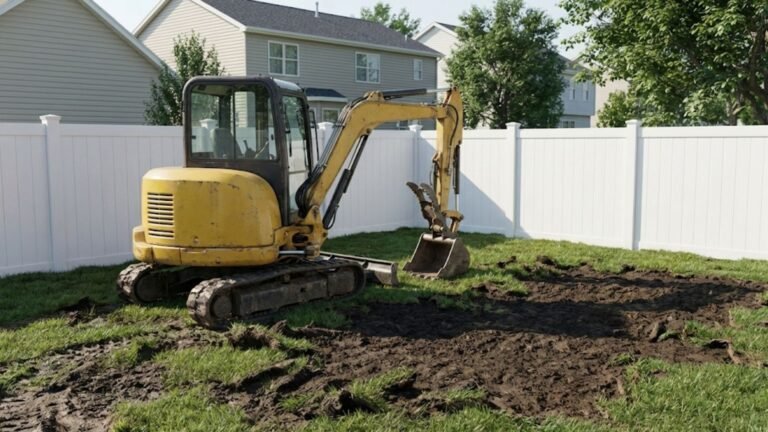
Before excavators bite into soil, contractors call 811 at least three business days ahead to trigger utility locate 811 CT requirements. Locators mark underground gas, electric, water, sewer, and telecom lines with colored paint or flags, preventing costly strikes that halt projects and endanger crews. Vegetation clearing follows, with tree removal, stump grinding, and brush hauling opening access corridors wide enough for excavators, dump trucks, and compaction equipment to maneuver safely.
Surveyors or experienced excavator operators stake corner elevations, cut depths, and slope angles using laser levels or GPS-guided systems on advanced machines. These benchmarks guide digging precision, ensuring foundations meet engineered specifications and septic tanks install at code-mandated depths below frost lines. Confirming zoning setbacks and wetlands buffers during this phase prevents encroachment issues that force expensive do-overs when inspectors flag violations mid-dig.
Bulk Excavation and Soil Handling
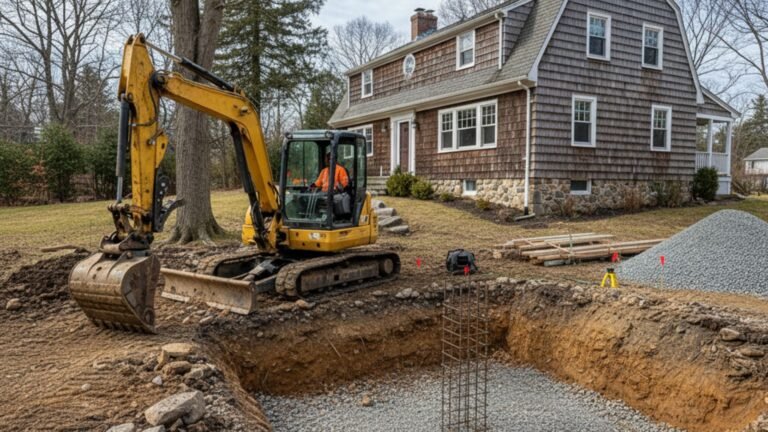
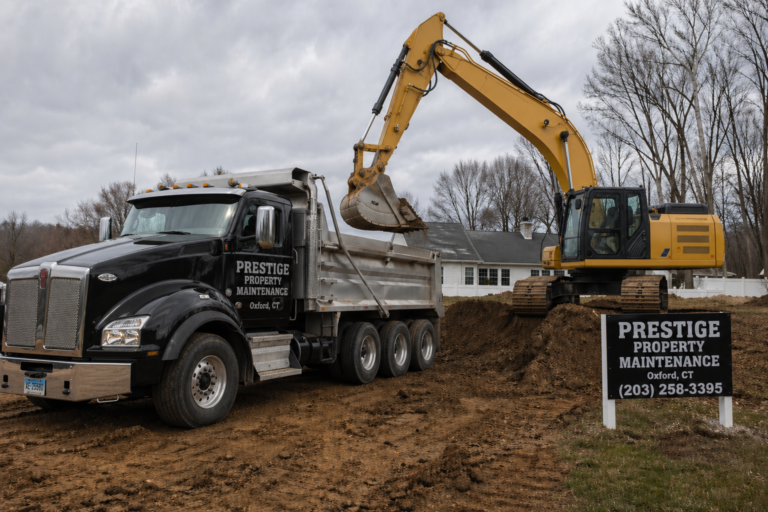
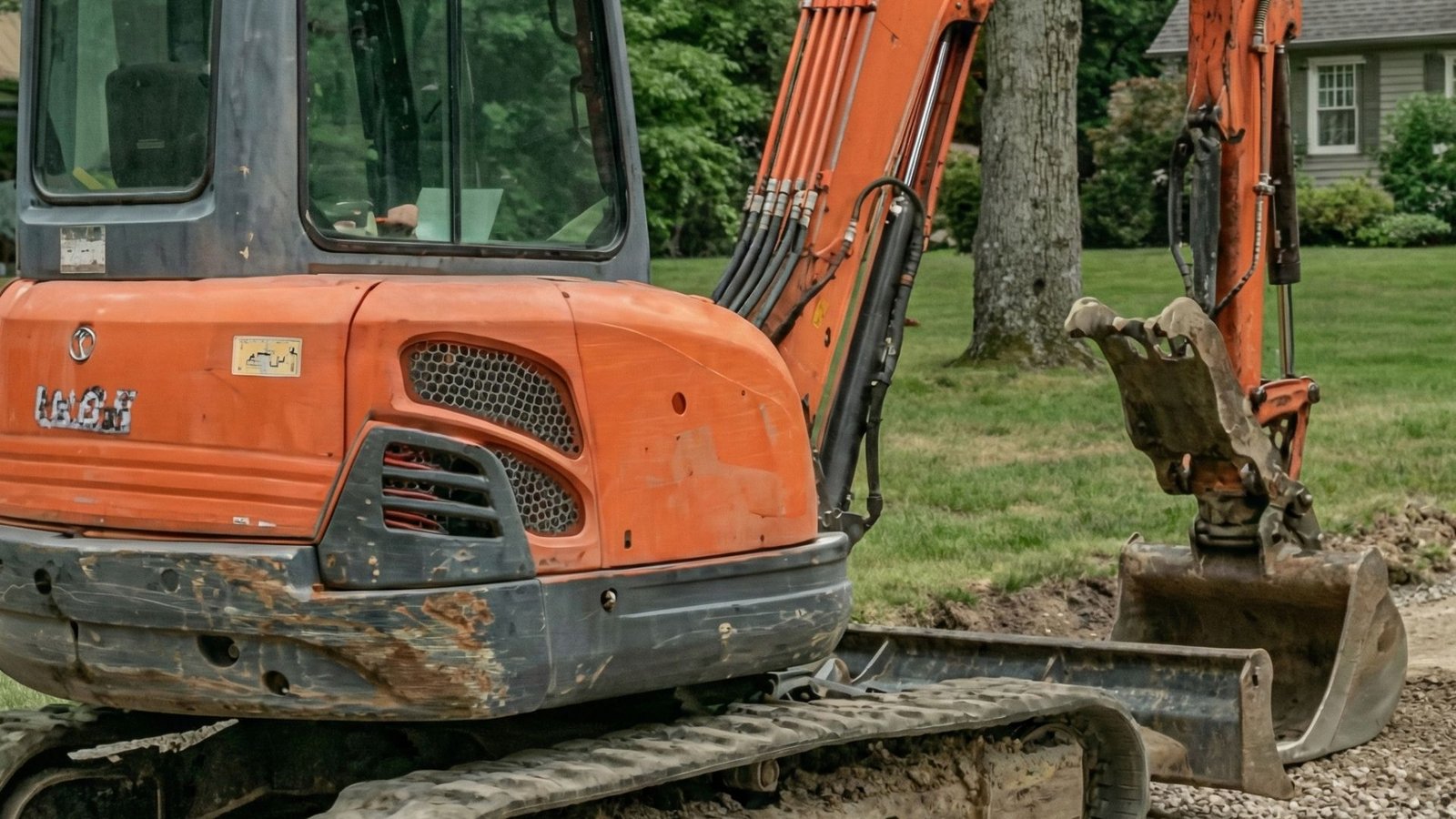
Active excavation begins once layout is verified and erosion controls like silt fencing are installed along downslope property edges. Hydraulic excavators with bucket capacities ranging from 0.5 to 2.0 cubic yards scoop soil systematically, loading dump trucks that haul spoil to approved disposal or stockpile sites. Rocky soil excavation cost climbs when glacial till forces operators to deploy hydraulic breakers or rock rippers, specialized attachments that fracture resistant ledge before removal, adding 20% or more to equipment time and operator labor.
Erosion control requirements under Connecticut state regulations mandate silt fences, sediment basins, or straw wattles to trap soil particles before they wash into storm drains or wetlands. Oxford inspectors verify these controls during site visits, issuing stop-work orders if sediment escapes the property. Typical bulk removal spans five to 14 days depending on volume, soil type, and weather, with rain delays common during spring and fall seasons when saturated ground turns work zones into mud pits that bog down heavy machinery.
Backfill, Grading, and Compaction
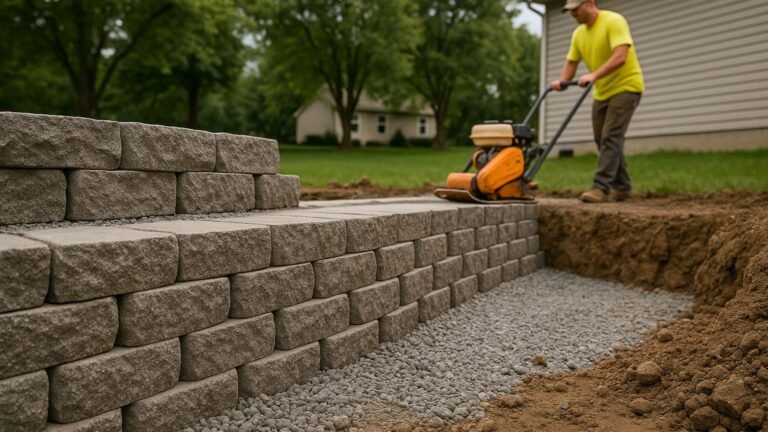
Once foundations are poured or septic tanks set, contractors backfill excavated zones with clean fill, often sourced from the same site if soil tests confirm suitable composition. Compaction occurs in six to 12-inch lifts using plate compactors or vibratory rollers, ensuring soil density prevents future settling that cracks driveways or tilts retaining walls. Final grading establishes drainage slopes, typically two percent minimum away from structures, directing runoff toward swales, catch basins, or natural drainage corridors.
Topsoil replacement and seeding restore disturbed areas, with neighbor notification excavation protocols ensuring adjacent property owners understand restoration timelines and temporary access impacts. Hydroseeding accelerates grass establishment compared to traditional seeding, bonding seed, mulch, and fertilizer in a slurry sprayed over graded soil. Full yard usability returns in two to four weeks as grass matures, though contractors often recommend light traffic only for the first month to prevent compaction damage to tender root systems.
Additional Steps for Complex Excavations
Full-service excavation jobs tackle challenges specific to Northeast properties, from spite fence boundary disputes to flood zone grading limits that add regulatory layers beyond standard residential digs. Oxford’s inland position doesn’t eliminate these concerns; wetlands buffers and zoning variances still apply, demanding careful planning that less-experienced contractors might overlook in pursuit of quick timelines.
Handling Rocks, Wetlands, and Slopes
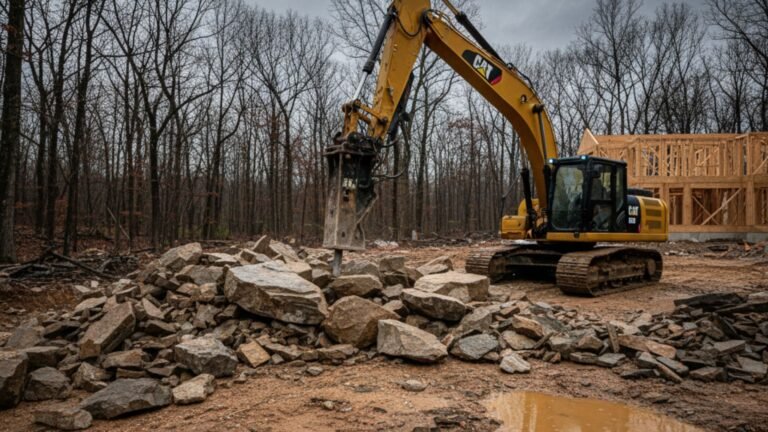
Glacial till excavation requires hydraulic breakers when bucket teeth can’t fracture bedrock or densely compacted stone layers. These attachments hammer stone into removable chunks, but the process is slow, often adding one to two extra weeks to foundation digging cost Connecticut budgets and generating noise that extends beyond typical excavation hours. Contractors notify neighbors and coordinate with Oxford noise ordinances, scheduling rock breaking during midday windows to minimize early morning or evening disturbances.
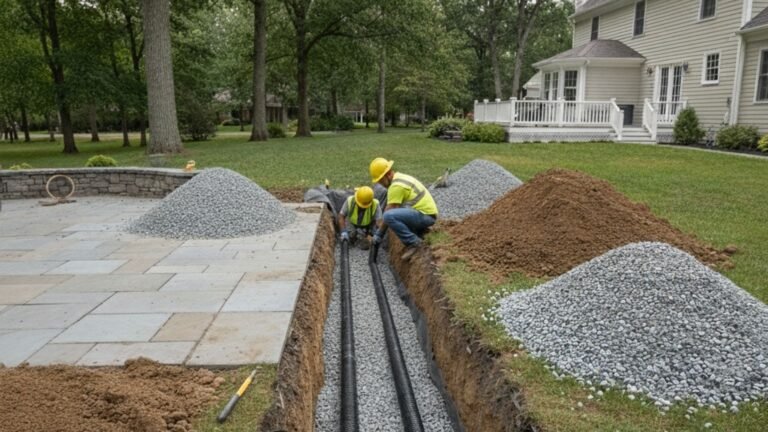
Wetlands work near regulated areas demands erosion control requirements including double-layer silt fencing, sediment trap basins, and daily monitoring logs submitted to Connecticut’s Department of Energy and Environmental Protection. Buffer zones prohibit equipment or spoil storage within 75 to 150 feet of wetland boundaries, shrinking working areas and complicating logistics on smaller lots. Stepped grading on hillsides uses terraced cuts with retaining walls or riprap slopes, engineering solutions that prevent erosion while accommodating structures on challenging terrain common in Oxford’s rolling landscape.
Finishing Touches and Site Restoration
Debris removal hauls construction waste, stumps, and excess rock off-site to licensed facilities, a line item in excavation costs CT homeowners sometimes overlook until final invoices arrive. Topsoil spreading to six-inch depths prepares planting beds and lawn areas, with compost amendments improving soil structure in compacted zones. Hydroseeding or sod installation accelerates grass establishment, though sod costs triple hydroseeding rates while delivering instant green coverage that appeals to homeowners hosting events or selling properties soon after construction.
Neighbor walkthrough protocols reduce spite fence laws Connecticut disputes by documenting pre-existing conditions along shared property lines. Contractors photograph fences, drainage features, and landscaping before work begins, providing evidence if post-project conflicts arise over alleged damage or encroachment. This proactive step, though adding a half-day to upfront timelines, prevents litigation costs that dwarf the minor administrative effort involved in maintaining good community relations.
Permits, Utilities, and Regulations in Oxford CT
Pre-dig legal compliance guarantees projects proceed without regulatory stoppages, a reality Oxford homeowners grasp after witnessing neighbors’ projects halted by missing permits or wetlands violations. Connecticut’s multi-layered oversight involves town building departments, zoning commissions, state environmental agencies, and utility companies, each controlling specific aspects of excavation approval and execution.
Zoning and Utility Coordination
Oxford’s building department processes residential building permits through OpenGov, requiring site plans showing excavation limits, drainage details, and setback compliance. Permit fees range from $50 for minor work to $500-plus for major foundation digs, with processing timelines averaging two to four weeks if applications are complete upon submission. Incomplete submissions restart review clocks, delaying projects by weeks when missing wetlands delineations or engineered grading plans require professional surveys or soil scientist reports.
Section 14 of Oxford’s zoning regulations mandates Planning and Zoning Commission approval for major re-grading or excavation exceeding 1,000 cubic yards, adding public hearing requirements with 15-day notice periods. These hearings allow neighbor input, sometimes surfacing concerns about drainage impacts, traffic, or property line disputes that extend approval timelines to six weeks or more. Spite fence laws under CGS §52-480 prohibit structures over six feet built with malicious intent to annoy neighbors, a statute contractors reference when boundary excavation or retaining walls spark disputes.
Utility coordination through Connecticut’s 811 system triggers locates for gas, electric, water, sewer, cable, and telecom lines within three business days of excavation start dates. Contractors mark dig zones with white paint, and locators respond with color-coded flags or paint indicating buried infrastructure depths and routes. Excavation equipment rates climb when dense utility corridors force hand digging or vacuum excavation around sensitive lines, a common scenario in established Oxford neighborhoods where decades of service installations create underground congestion.
What Homeowners Should Prepare For and Do
Facilitating smooth excavation execution across permit, digging, and restoration phases requires homeowner engagement at key milestones, transforming anxiety into productive collaboration with contractors. Oxford residents who understand daily expectations and prepare properties in advance minimize delays, cost overruns, and neighbor friction that plague less-organized projects.
Daily Expectations During Excavation
Weeks one and two bring peak noise and dust as excavators, dump trucks, and compactors cycle through the property during typical construction hours, 7 AM to 5 PM on weekdays. Access roads and driveways may be blocked intermittently as trucks position for loading, requiring homeowners to park on streets or coordinate vehicle movements with foremen. Contractors typically fence active dig zones with orange safety barriers, keeping pets, children, and unauthorized visitors clear of hazards like open trenches, equipment swing zones, and unstable spoil piles.
Homeowners should be on-site for layout approval meetings where contractors confirm excavation boundaries against permit plans, preventing misunderstandings about tree removal or grade changes near property lines. Mid-project grade checks verify drainage slopes before backfill buries the work, offering a final chance to request adjustments if water flow appears questionable. These touchpoints, though brief, prevent costly post-completion corrections when buried grading errors surface during the first rainstorm and require re-excavation to fix.
Tips to Minimize Yard Disruptions
Pre-relocating outdoor furniture, play equipment, and potted plants clears working zones and prevents accidental damage when trucks maneuver in tight quarters. Pets should be secured indoors or off-site during active digging, as machinery noise frightens animals and open excavations pose fall hazards. Scheduling excavation during dry seasons, typically late spring through early fall, reduces rain delays and mud tracking that extend timelines and complicate equipment access on saturated soils.
Clear access routes from street to dig zones by trimming overhanging branches, removing parked vehicles, and notifying contractors about underground sprinkler lines or invisible dog fences not marked by 811 locates. These steps smooth equipment mobilization, often shaving a half-day off initial setup when trucks and excavators enter properties without obstacles requiring last-minute rearrangement. Homeowners who communicate proactively about scheduling preferences, noise-sensitive neighbors, or upcoming events help contractors plan work sequences that respect community dynamics while maintaining efficient progress toward project milestones.
Process Comparison Table: Simple vs. Complex Excavation in Oxford CT
| Phase | Simple Dig (Pool/Base, Flat) | Complex Dig (Foundation/Wetlands) |
|---|---|---|
| Permits & Prep | 1-2 weeks for building permit, 811 locate | 3-4 weeks including wetlands buffer review, zoning hearing |
| Clearing/Excavation | 5-7 days for 50-100 cubic yards on clear lot | 10-14 days with rock breaking, erosion controls |
| Backfill/Grade | 3-5 days for compaction, seeding | 7-10 days with multi-lift compaction, drainage engineering |
| Total Timeline | 1-2 weeks active work | 3-4+ weeks including regulatory compliance |
Common Mistakes Homeowners Make During Residential Excavation
Skipping 811 utility locates to accelerate timelines risks gas line strikes or electrical cable cuts that halt projects for emergency repairs and invite fines from utility companies and state regulators. Ignoring inland wetlands buffers by assuming “it’s my property” triggers enforcement actions from Connecticut DEEP, including stop-work orders, restoration mandates, and civil penalties reaching thousands of dollars per violation. Poor equipment access planning forces contractors to hand-dig areas unreachable by excavators, inflating excavation costs CT budgets by 50% or more when labor-intensive methods replace efficient machinery.
Failing to verify final grade slopes before backfill burial creates drainage nightmares when spring rains pool against foundations or flood basement window wells, expensive problems requiring re-excavation and re-grading to correct. Homeowners who don’t communicate with neighbors about timelines, noise, and temporary property access strain relationships, sometimes triggering spite fence disputes or formal complaints to zoning officials that delay projects during investigation periods. Choosing low-bid contractors without verifying insurance, licensing, or wetlands permit experience saves money upfront but often costs far more when unqualified crews violate codes and homeowners inherit liability for corrections and fines.
Preparing Your Property for Residential Excavation in Oxford CT
Early 811 utility locate calls, scheduled three to five business days before digging starts, ensure all underground infrastructure is marked and contractors can plan excavation paths avoiding buried hazards. Trimming overgrowth along access routes and near dig zones prevents delays when trucks and excavators navigate tight residential streets, and removes vegetation contractors would otherwise bill hourly to clear. Boundary surveys confirming property lines relative to setback requirements prevent zoning excavation violations and spite fence accusations when work approaches shared property edges.
Documenting existing conditions with photos or video provides evidence if post-project disputes arise over alleged damage to landscaping, fences, or driveways along haul routes. Coordinating with contractors about debris disposal, topsoil stockpile locations, and equipment staging areas keeps these elements organized and minimizes impact on usable yard space during multi-week projects. Homeowners who address these details before crews arrive set projects up for smooth execution, transforming residential excavation cost concerns into manageable, predictable processes aligned with Oxford CT’s regulatory environment and challenging Northeast soils.
Frequently Asked Questions About Residential Excavation Process Near Me in Oxford CT
Q: What is the typical residential excavation process?
A: The typical process sequences through permit approvals and 811 utility locates, followed by site clearing, bulk excavation to engineered depths, backfill with compaction, and final grading with seeding. Oxford projects span one to four weeks depending on volume, soil conditions, and wetlands proximity, with residential excavation cost averaging $66 to $264 per cubic yard plus $1,500 to $5,000 in preparation fees.
Q: How long will my yard be torn up?
A: Peak disruption during active excavation and backfill typically lasts one to three weeks, with grass seeding or sod installation beginning immediately after final grading. Full yard usability returns in two to four weeks post-seeding as grass establishes, though contractors often recommend limiting heavy traffic for the first month to protect tender growth and prevent soil compaction.
Q: Are permits required for excavation in Oxford CT?
A: Yes, Oxford requires building permits through the town’s OpenGov system for most excavation projects, with zoning commission approval needed for major grading exceeding 1,000 cubic yards under Section 14. Projects near wetlands require additional inland wetlands permits from Connecticut DEEP, adding two to six weeks to overall timelines.
Q: What should I expect on excavation day one?
A: Day one involves site layout verification with stakes marking excavation boundaries, installation of erosion control silt fencing, and equipment mobilization including excavators and dump trucks. Contractors confirm 811 utility locates are current and complete, establish access routes, and often begin vegetation clearing, though major digging rarely starts until day two or three once all prep is finalized.
Q: How can I prepare my yard for excavation?
A: Clear access routes by removing vehicles, trimming branches, and relocating outdoor items like furniture or play equipment away from dig zones. Call 811 at least three days ahead to mark utilities, notify neighbors about anticipated noise and truck traffic, and secure pets indoors or off-site during active work hours to prevent accidents and reduce stress for animals frightened by machinery.
Q: What factors increase residential excavation cost in Connecticut?
A: Rocky glacial till requiring hydraulic breakers, wetlands proximity demanding extensive erosion controls and permit reviews, steep slopes needing terraced grading or retaining walls, and poor equipment access forcing hand digging all inflate costs. Northeast labor rates around $68 per hour, union requirements, and Connecticut’s 32% construction cost premium over national averages also contribute to higher pool excavation Oxford CT and foundation digging cost Connecticut estimates.
Q: How do spite fence laws affect excavation projects?
A: Connecticut General Statutes §52-480 prohibit fences or structures over six feet built with malicious intent to annoy neighbors, relevant when boundary excavation or retaining walls spark disputes. Contractors document pre-existing conditions along property lines and notify adjacent owners before work begins, reducing risk of spite fence allegations that lead to legal costs and project delays during litigation.
Q: Do Oxford excavation projects require wetlands permits?
A: Projects within 75 to 150 feet of regulated wetlands or watercourses require inland wetlands permits from Connecticut DEEP, adding two to six weeks to approval timelines and mandating strict erosion control requirements including double silt fencing and sediment monitoring. Homeowners should verify wetlands boundaries via soil scientist delineation before assuming permits aren’t necessary, as violations trigger expensive restoration orders and civil penalties.
Final Thoughts
Oxford CT professionals manage predictable excavations that tackle glacial till, zoning regulations, and wetlands buffers, delivering one to four-week timelines with fully restored yards ready for landscaping and normal use. Grasping each phase from permit applications through final grading resolves “what happens next” anxieties, transforming residential excavation cost concerns into manageable budget items backed by transparent per-cubic-yard pricing and itemized preparation fees. Projects proceed smoothly when homeowners prepare properties with 811 locates, clear access routes, and documented boundary conditions, while contractors handle sequenced digging, erosion controls, and compaction that satisfy Connecticut’s strict state codes and Oxford’s local zoning requirements.
Long-term value emerges from properly executed excavation that establishes stable foundations, functional septic systems, or recreational pools built on engineered grades resistant to settling and drainage failures. Investing in licensed contractors who navigate inland wetlands permits, spite fence protocols, and rocky soil challenges prevents costly corrections when shortcuts by unqualified operators trigger regulatory violations or structural problems years after completion. Quality excavation protects property values, ensures code compliance that smooths future sale transactions, and delivers peace of mind that underground work will perform reliably through decades of New England freeze-thaw cycles and seasonal storms.
Prestige Excavation & Drainage of CT in Oxford specializes in residential excavation services that address the unique challenges facing local homeowners, from glacial till removal to wetlands compliance and drainage solutions. Their experienced crews handle foundation preparation, septic installations, and site grading with attention to Oxford’s zoning regulations and Connecticut’s environmental requirements, ensuring projects meet all permit conditions while staying on timeline and budget. Contact Prestige Excavation & Drainage of CT today for transparent cost estimates, detailed project planning, and professional excavation services that transform your Oxford property with minimal disruption and maximum long-term value.