Finding a Trusted Excavation Company in Woodbury, CT: What Really Happens to Your Yard
When you search for an excavation company Woodbury CT, you’re probably not just comparing prices or reading generic service descriptions. You’re asking yourself one honest question: how long will these contractors turn my property into a construction zone? Most homeowners in Woodbury face sloped backyards, stone-laden soil, and nearby brooks that complicate even simple projects, and the fear of living with torn-up grass, mud tracked everywhere, and uncertain timelines keeps many people from starting necessary work.
Connecticut requires specific qualifications for contractors working on residential properties, and understanding how these regulations translate into real-world timelines can help you avoid months of disruption. The difference between a company that plans around permits, utility markings, and wetlands rules versus one that just shows up with a backhoe can mean the difference between a two-week project and a yard that stays rough-graded until spring.
Your property deserves better than guesswork, and knowing what actually drives excavation timelines in Connecticut puts you back in control.
Key Takeaways
- Excavation Timelines Follow Regulatory Checkpoints: Connecticut home improvement registration requirements and Call Before You Dig procedures create natural phases that separate planning from active digging, which means your yard stays intact longer before heavy equipment arrives.
- Wetlands and Slopes Add Days, Not Months: When your property includes streams or steep terrain, inland wetlands permit requirements extend the planning phase but don’t necessarily keep your yard torn up longer if the contractor stages work properly.
- Frost Depth Drives How Deep They Dig: Connecticut building standards assume 42-inch frost protection for foundations and structural work, which affects excavation depth and the amount of soil that needs careful backfilling and compaction.
- Active Digging Is Shorter Than You Think: Most residential projects concentrate heavy excavation into a few days, with erosion control measures limiting how much area stays open at once to reduce runoff and speed restoration.
- Restoration Takes Longer Than Digging: Rough grading, compaction, and final stabilization often span more calendar days than active excavation because proper backfilling and erosion control prevent future settling and washouts.
- Weather and Season Affect Final Lawn Recovery: Northeast freeze-thaw cycles mean dormant seeding or temporary mulching may leave your yard looking unfinished over winter, but that’s often intentional to protect soil until conditions support permanent grass.
Understanding the Excavation Process in Woodbury, CT
Woodbury’s wooded lots, rolling terrain, and proximity to streams create conditions that complicate excavation work if contractors don’t plan carefully. Unlike flat suburban lots with minimal groundwater, properties here often sit on slopes with shallow ledge or heavy clay soils, and wetlands regulations apply to any work near brooks or ponds that dot the landscape. These site-specific challenges mean excavation can’t follow a generic playbook, and the companies that understand local conditions are the ones that finish on schedule without leaving your property vulnerable to erosion or drainage problems.
Connecticut’s frost line sits around 42 inches deep, which shapes foundation and footing excavations across the state. When contractors dig to this depth, they remove significant volumes of soil that must be managed, stockpiled, and eventually replaced through careful backfilling and compaction. Shallow excavations may look simpler, but without reaching proper depth, frost heave can crack foundations or push utility lines upward over time. Knowing this upfront helps homeowners understand why deeper projects sometimes look more disruptive initially but finish with fewer long-term issues.
Local site conditions also interact with state erosion and sediment control guidelines that require contractors to limit exposed soil area and duration. On sloped Woodbury lots, water runs downhill fast during storms, so responsible excavators install silt fences, preserve topsoil, and stage work to keep only essential areas open at any time. This approach may mean the project spans more calendar days, but it prevents mud from washing into neighbors’ yards or nearby wetlands and shortens the time your property looks like a construction site.
National vs. Connecticut Excavation Timelines
Across the country, small residential excavation projects like utility trenches or driveway expansions often wrap up within a week of active digging, assuming dry weather and straightforward soil conditions. Connecticut projects face additional layers because utility marking through Call Before You Dig must happen before any digging starts, and home improvement registration requirements for contractors working on 1-6 family homes add accountability that affects scheduling. These regulatory steps frontload planning time, which means your yard stays intact longer before machines arrive but then faces shorter active disruption.
For projects involving foundations or deep basements, national timelines assume excavation depth matches local frost lines, but Connecticut’s specific 42-inch standard and soil-bearing capacity requirements mean contractors must dig deeper than they would in warmer climates. This adds excavation time and increases the volume of soil needing proper compaction during backfill, which can extend the restoration phase by several days compared to shallower Southern projects. However, skipping these steps creates long-term settling and drainage issues that leave homeowners dealing with rough yards for years.
Connecticut’s wetlands permit process introduces another timeline variable that national excavation guides often ignore. When work occurs within regulated wetland buffers, municipal inland wetlands commissions review applications and may impose conditions on erosion control, restoration timing, or work area limits. This review can add weeks to the overall calendar, but it happens before digging starts rather than creating surprise delays mid-project. Contractors who identify wetlands issues early can fold permit timelines into project planning, so homeowners know upfront what to expect rather than watching their yard sit torn up during unexpected review periods.
Key Steps in a CT-Compliant Excavation Job
Every excavation project in Connecticut should follow a sequence that addresses permits, utilities, and site conditions before heavy equipment arrives. State law requires contractors performing excavation work at 1-6 family homes to hold Home Improvement Registration, giving homeowners a way to verify legitimacy before signing contracts. This registration system creates accountability and ensures contractors understand Connecticut’s construction standards, including frost protection and erosion control requirements that directly affect how long your yard stays disturbed.
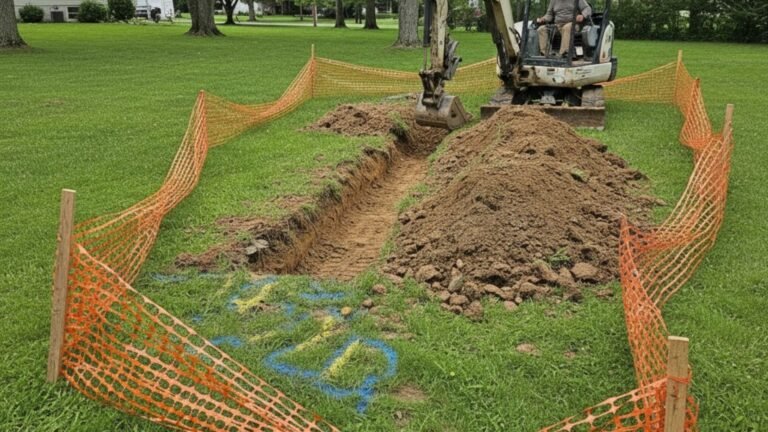
Before any digging begins, excavators must contact Call Before You Dig (CBYD), which alerts utilities to mark buried gas, electric, water, and cable lines. This process typically takes several business days as utility crews visit the site and paint or flag line locations. Skipping this step creates serious safety hazards and can result in emergency shutdowns that leave excavations open for extended periods while repairs happen. Responsible contractors build CBYD timelines into project schedules rather than treating markings as an afterthought, which means your yard stays normal longer but then progresses quickly once work starts.
For properties near streams, ponds, or mapped wetlands, Connecticut’s Inland Wetlands and Watercourses Act requires municipal permits for regulated activities including grading, excavating, and filling. Each Connecticut town maintains its own inland wetlands commission that reviews applications and may require site visits or additional erosion control measures. Smart contractors identify potential wetlands issues during initial site walks and submit applications early, so homeowners understand extended planning phases upfront rather than discovering permit needs after mobilizing equipment.
Site Evaluation, Utilities, and Layout
The first phase keeps your yard intact while contractors gather information and secure approvals. During site evaluation, excavators check property lines, note slopes and drainage patterns, and identify where equipment can access the work area without damaging lawns or landscaping. Connecticut erosion control guidelines encourage limiting disturbed areas to the minimum necessary, so good contractors plan access routes that concentrate vehicle traffic rather than driving across your entire property.
Utility locating through CBYD happens during this phase, with state regulations requiring excavators to notify the one-call system before starting work. Utilities respond with marking crews, but timing varies by service and season. During busy construction periods, mark-outs may take longer, so contractors should schedule CBYD calls well before planned start dates. Once lines are marked, excavators must hand-dig within tolerance zones around marked utilities, which slows work near buildings or along property lines but prevents dangerous strikes that could shut down entire neighborhoods.
If your property includes wetlands, watercourses, or sits within regulated buffer zones, contractors should flag this during site evaluation and explain whether inland wetlands permits will be needed. Municipal commissions often require detailed site plans showing existing conditions, proposed disturbance areas, and erosion control measures. Submitting complete applications early prevents surprise delays once equipment arrives, and some commissions impose seasonal restrictions on work near sensitive water resources that could affect project timing.
Active Excavation and Managing Soil
Once permits and markings are complete, active excavation concentrates the most visible disruption into a short window. Contractors typically strip and stockpile topsoil separately from subsoil, following Connecticut erosion control recommendations that encourage preserving existing topsoil for later reuse. This approach reduces the need for imported fill and shortens final restoration time because you’re using soil that already supports vegetation.
Excavation depth depends on project type, but Connecticut building standards assume frost protection depths around 42 inches for foundations and load-bearing footings. Deeper excavations remove more material, which means larger spoil piles and more careful management to prevent soil from washing off-site during rain. Responsible excavators use tarps or temporary berms to contain stockpiles and may schedule digging phases around weather forecasts to avoid working in saturated conditions that create mud and delay compaction.
On sloped sites or near wetlands, state guidelines require erosion and sediment controls like silt fences, hay bales, or sediment basins to prevent runoff from leaving the property. Installing these measures before major digging keeps disturbed soil on-site and protects water quality in nearby streams. While silt fences and barriers make your yard look industrial temporarily, they’re what allow contractors to backfill and restore areas quickly rather than waiting for erosion enforcement or cleanup requirements that extend disruption.
Backfilling, Compaction, and Rough Grading
After excavation and any installed utilities or foundations, backfilling returns soil to the hole in controlled layers. Connecticut soil and foundation guidance stresses proper compaction to prevent future settling, which is especially important in regions with frequent freeze-thaw cycles that destabilize poorly compacted fill. Contractors should place backfill in lifts of 8-12 inches and compact each layer with mechanical equipment, which adds time compared to simply pushing soil back into the hole but eliminates the ruts and depressions that appear months later.
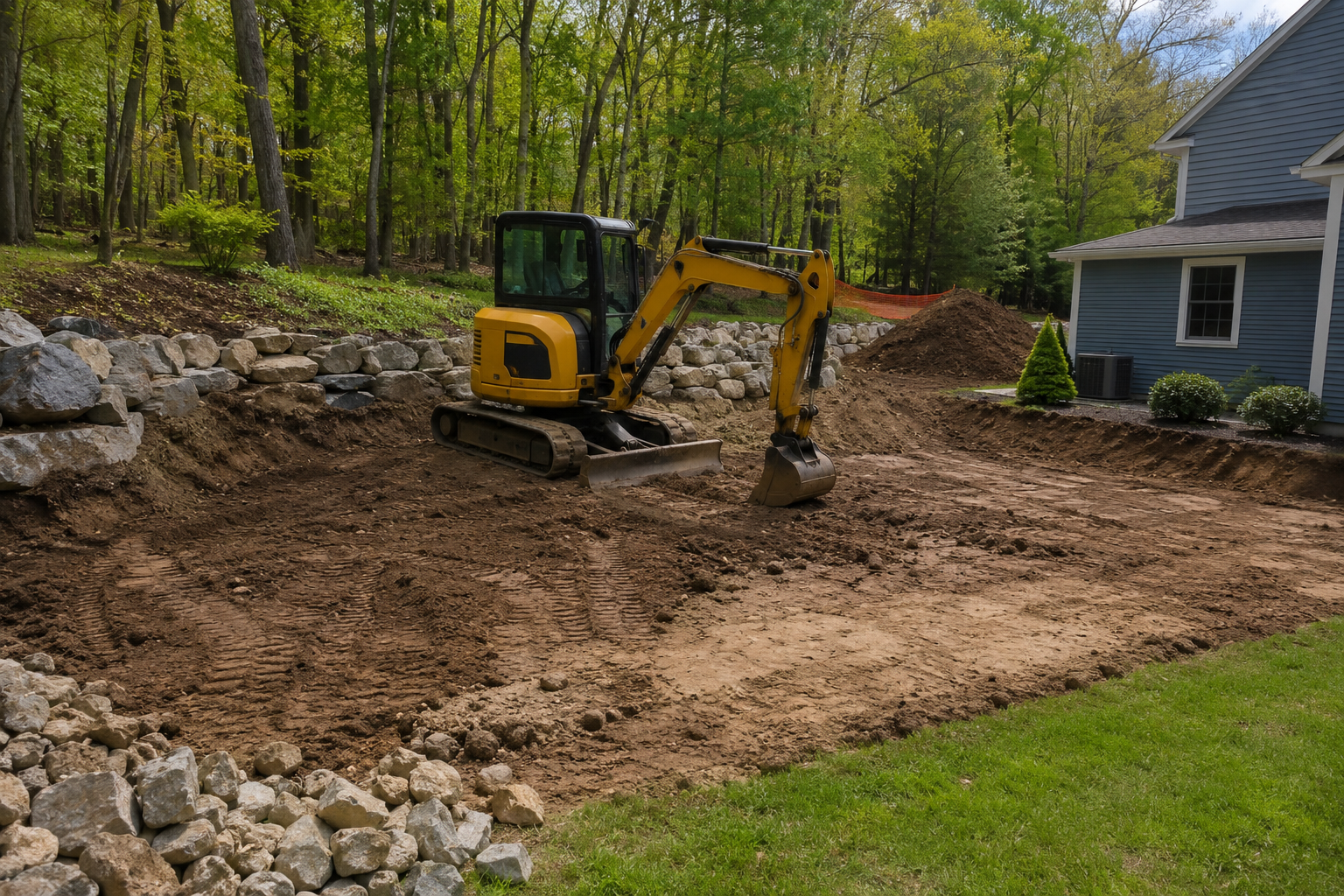
Rough grading shapes the yard to restore basic drainage patterns and prepare for final topsoil placement. State erosion control guidelines call for grading that directs water away from structures and prevents ponding in low spots, so contractors adjust slopes and create swales where needed. During this phase, your yard may look uneven or rough, but these contours serve functional purposes that prevent long-term water damage. Skipping careful rough grading leads to erosion channels and saturated areas that require expensive rework later.
Temporary stabilization follows rough grading, using mulch, erosion matting, or quick-growing cover crops to protect exposed soil until final restoration. This step bridges the gap between active work and finished landscaping, keeping your property from washing away while weather or seasonal timing affects final seeding. Connecticut guidelines recommend limiting the duration of exposed soil, so temporary measures may stay in place for weeks but prevent the months-long bare spots that occur when contractors skip stabilization altogether.
Additional Steps for Complex Woodbury Sites
Properties with wetlands, steep slopes, or challenging access require additional planning and controls that affect project timelines. Connecticut’s Inland Wetlands and Watercourses Act defines regulated activities and assigns municipal commissions authority to review and permit work near water resources. When excavation falls within regulated areas, commissions may impose seasonal restrictions, require enhanced erosion controls, or mandate monitoring and reporting that extend overall project calendars but protect sensitive environmental features.
Steep slopes amplify erosion risks, and state guidelines emphasize limiting cleared areas and quickly stabilizing disturbed soil on sloped sites. Contractors working on hillside properties often stage excavation to keep only small sections open at once, install diversion swales to redirect runoff, and use erosion blankets or mulch immediately after rough grading. These measures may spread the project over more workdays, but each individual day involves less visible disruption because the work area stays contained rather than exposing large swaths of slope simultaneously.
Shared property lines and adjacent structures create additional constraints that careful excavators plan around. Connecticut statutes on excavation near public highways and underground utilities establish clear responsibilities for contractors working near roads or shared infrastructure. On residential projects, this translates to coordinating with neighbors when access routes cross shared driveways, scheduling noisy work to minimize conflict, and managing spoil piles and runoff to prevent damage to adjoining properties. Contractors who communicate these plans upfront reduce the risk of neighbor disputes that can delay work or force costly changes mid-project.
Permits, Utilities, and CT Regulations Homeowners Should Know
Connecticut’s regulatory framework for excavation balances safety, environmental protection, and consumer protection through several overlapping requirements. Home Improvement Registration applies to contractors performing excavation and related work at 1-6 family dwellings, creating a state-verified list that homeowners can check before hiring. This registration system gives consumers recourse if contractors abandon jobs or perform substandard work, which is especially important for excavation projects that affect home foundations and utility connections.
Call Before You Dig requirements under Connecticut’s damage prevention law assign specific responsibilities to excavators, including notifying the one-call system, waiting for utility mark-outs, and hand-digging within tolerance zones around marked facilities. These rules exist because striking underground gas or electric lines creates immediate dangers and can force emergency evacuations that leave your property inaccessible. Contractors who skip CBYD or ignore markings face civil penalties, but homeowners face the practical consequence of extended delays while utilities make emergency repairs.
Inland wetlands permits represent a third regulatory layer that applies when excavation affects wetlands, watercourses, or regulated buffer areas. Each Connecticut municipality maintains an inland wetlands agency with authority to review applications, conduct site visits, and impose conditions on work timing, erosion control, and restoration. Application processes vary by town, but most require detailed site plans, descriptions of proposed activities, and explanations of how the project will protect water resources. Submitting complete applications early and responding promptly to commission questions keeps permit review on track rather than creating open-ended delays.
For projects that disturb significant areas or tie into public stormwater systems, Connecticut’s Soil Erosion and Sediment Control Act and municipal zoning regulations may require formal erosion control plans. These plans detail how contractors will limit soil movement, manage runoff, and stabilize disturbed areas, and some towns require certification by professional engineers. While this adds upfront planning time, approved erosion control plans give contractors clear direction on where to install controls and when to stabilize different areas, which can actually speed overall project completion by preventing enforcement stops or required rework.
What Woodbury Homeowners Should Expect and Do
Understanding what happens day-to-day during excavation helps homeowners prepare their properties and families for temporary disruption. Early project days focus on layout, utility marking, and site access preparation, with minimal heavy equipment and limited visible disturbance. Contractors should have CBYD markings complete before machines arrive, and flags or paint marking utility locations should be visible across the work area. If you don’t see marked utilities before digging starts, stop work and verify that CBYD procedures were followed.
Active digging days bring the heaviest equipment, loudest noise, and most obvious yard disruption. Excavators, dump trucks, and compaction equipment may run most of the day, and access routes will show obvious wear from vehicle traffic. During this phase, erosion control measures should be visible including silt fences around disturbed areas, protected spoil piles, and clear drainage paths that prevent muddy water from leaving your property. Good contractors maintain these controls daily, repairing damaged fences and adding straw or mulch to exposed areas rather than waiting until the end of the project.
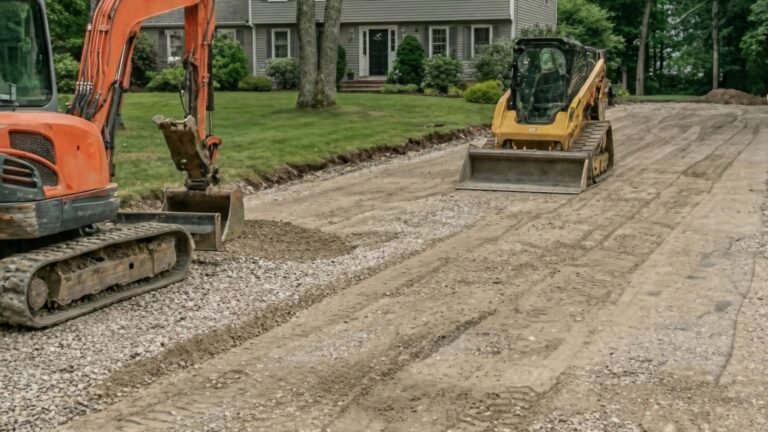
Post-excavation days involve backfilling, compaction, and rough grading, which creates less noise but still requires equipment on-site. Your yard will look rough and uneven during this phase, but proper backfill procedures require placing soil in layers and compacting each lift, which takes more time than simply pushing material back into the hole. This patience prevents the settling and depressions that would otherwise keep your yard looking unfinished for months or years.
Steps to Minimize Disruption and Protect Yourself
Before signing contracts, verify that your excavator holds current Connecticut Home Improvement Registration and carries adequate liability insurance. Ask specifically how they’ll handle CBYD notifications, wetlands coordination, and erosion control, and request these procedures in writing as part of your contract. Contractors who provide detailed answers and reference specific Connecticut regulations are demonstrating the knowledge that prevents surprise delays and extended yard disruption.
Clear communication about access routes, staging areas, and restoration timing helps you prepare your property and set realistic expectations with family members. Discuss where equipment will enter your yard, where spoil piles and materials will sit, and which areas will be off-limits during different project phases. Connecticut erosion control guidelines emphasize limiting disturbed areas, so contractors should be able to show you specifically where work will concentrate rather than treating your entire yard as one large construction zone.
Request a written timeline that separates planning, active excavation, backfilling, and restoration into distinct phases with estimated durations for each. This timeline should account for utility marking periods, any permit reviews, and weather-dependent work like final seeding. Understanding these phases upfront lets you plan around major disruptions and gives you clear checkpoints to monitor project progress rather than simply wondering when your yard will look normal again.
Process Comparison Table: Simple vs. Complex Excavation in Woodbury, CT
| Phase | Simple Project (Dry, Flat Yard) | Complex Project (Slope/Wetlands Nearby) |
|---|---|---|
| Prep, CBYD, & Layout | 2-4 days for utility marking and basic site layout, minimal yard disturbance | 1-2 weeks including wetlands review and erosion plan approval |
| Active Excavation | 1-3 days focused digging with standard erosion controls, limited work area | 3-7+ days staged digging with enhanced slope stabilization measures |
| Backfill & Rough Grading | 1-2 days for compaction and rough grading | 2-4 days phased backfill with additional erosion control installation |
| Final Stabilization/Lawn | Within days to weeks depending on weather and season | Timed to permit conditions and growing season |
Common Mistakes Homeowners Make With Excavation Projects
Hiring contractors without verifying Connecticut Home Improvement Registration eliminates consumer protections and increases the risk of abandoned projects or substandard work. Unregistered contractors may lack proper insurance or knowledge of state requirements, leaving homeowners liable when problems occur. Checking registration status takes minutes online and provides immediate verification that the contractor meets minimum state standards for residential excavation work.
Allowing excavation before CBYD markings are complete creates serious safety risks and potential legal liability. Striking underground utilities can cause fires, explosions, or toxic releases, and emergency repairs may leave your property inaccessible for extended periods while utilities restore service. If your contractor wants to start digging before utility locations are marked and verified, refuse and insist they follow proper damage prevention procedures.
Ignoring wetlands or erosion control requirements leads to enforcement actions, mandatory restoration orders, and extended project timelines that could have been avoided with upfront planning. Connecticut’s inland wetlands regulations give municipal commissions authority to stop unpermitted work and require restoration of affected areas, which can mean months of additional disruption beyond the original project scope. Working with contractors who identify wetlands issues early and secure proper permits prevents these enforcement scenarios.
Preparing Your Woodbury Property for Excavation
Contact your town hall’s land use or conservation office early to determine if your property includes mapped wetlands or watercourses that could trigger inland wetlands review. Many Connecticut towns maintain wetlands maps online, but field conditions may reveal unmapped features that still fall under regulation. Having this information before contractor selection lets you discuss permit needs upfront rather than discovering regulatory requirements after mobilization.
Work with your contractor to identify access routes and staging areas that minimize lawn damage and protect sensitive slopes. Connecticut erosion control guidance encourages concentrating vehicle traffic on designated paths rather than driving across entire properties, which reduces compacted areas needing restoration. Marking these routes with temporary fencing or stakes before work starts gives equipment operators clear direction and helps preserve as much existing lawn as possible.
Secure pets, move outdoor furniture and decorations, and warn neighbors about upcoming work so everyone can prepare for temporary noise and activity. Creating clear communication with adjacent property owners reduces the risk of conflicts over access routes, dust, or noise, and many contractors appreciate advance notice if scheduling around specific neighbor concerns. Taking these preparatory steps demonstrates cooperation that often translates to smoother project execution and faster completion.
Frequently Asked Questions About Excavation Company Woodbury CT
Q: How long will my yard be torn up during a typical excavation project?
A: Most residential excavation projects in Woodbury concentrate heavy digging into 3-7 days, with rough grading and temporary stabilization following soon after. However, final restoration timing depends on whether wetlands permits or seasonal conditions affect when you can establish permanent vegetation. Complex sites with steep slopes may spread active work over more days but limit daily disruption by keeping smaller areas open at once.
Q: Do excavation contractors in CT need to be licensed or registered?
A: Yes. Connecticut requires contractors performing excavation work at 1-6 family homes to hold Home Improvement Registration through the Department of Consumer Protection. You can verify registration status online before hiring, which provides important consumer protections if problems occur during your project.
Q: When do utilities get marked, and who calls?
A: Your contractor should contact Call Before You Dig before any excavation begins. CBYD then notifies utilities, who send crews to mark buried lines with paint or flags. This process typically takes several business days, and excavation should not start until all affected utilities have responded and marked their facilities.
Q: What if my property includes wetlands or a brook?
A: Connecticut’s Inland Wetlands and Watercourses Act requires municipal permits for regulated activities like excavating, grading, or filling in or near wetlands and watercourses. Your contractor should identify potential wetlands during initial site evaluation and submit permit applications early so review periods happen before equipment mobilization rather than creating delays mid-project.
Q: How can I reduce the mess and speed up restoration?
A: Choose a contractor who follows Connecticut erosion control guidelines, provides a written timeline separating excavation from restoration phases, and clearly defines access routes and staging areas. Proper planning and erosion controls let contractors restore smaller sections as they complete work rather than leaving your entire yard disturbed until the end of the project.
Q: Why does backfilling take so long if the hole is already dug?
A: Proper backfilling procedures require placing soil in 8-12 inch layers and compacting each layer to prevent future settling. This process takes more time than simply pushing material back into the excavation, but it eliminates the ruts and depressions that would otherwise keep your yard uneven for years while poorly compacted fill gradually settles.
Q: Can excavation work happen in winter in Connecticut?
A: Limited excavation can occur during winter months, but frozen ground and frequent freeze-thaw cycles complicate soil handling and compaction. Many contractors avoid winter excavation for projects requiring extensive backfilling because saturated or frozen soils don’t compact properly. If winter work is necessary, final grading and permanent vegetation may need to wait until spring for optimal results.
Conclusion
Finding a trustworthy excavation company in Woodbury, CT means looking beyond competitive quotes to evaluate how contractors handle Connecticut’s specific requirements for permits, utility safety, and erosion control. The companies that openly discuss CBYD procedures, wetlands coordination, and phased restoration timelines are demonstrating the planning discipline that keeps your yard torn up for days rather than months. When contractors explain how they’ll manage frost depth, compaction, and slope stabilization in line with state guidelines, they’re showing respect for both regulations and your property that