Erosion Control Solutions with Proper Grading Near Me in Oxford CT
When excavation crews arrive at your Connecticut property to address erosion issues, the first question often racing through your mind is: how long will my yard look like a construction zone? Homeowners across Oxford, CT, face this concern as they balance the need for slope stabilization against the disruption of daily life, especially with the Northeast’s unpredictable spring rains threatening newly graded surfaces. Local factors add another layer of complexity, from glacial till soils that drain differently than standard topsoil to wetlands buffers that require careful planning under CT DEEP erosion guidelines. Understanding the erosion control excavation process helps ease these anxieties, revealing that certified professionals follow predictable sequences from initial erosion plans through final seeding, typically completing residential projects within one to three weeks with phased recovery periods. Oxford zoning regulations and Connecticut spite fence laws shape timelines by requiring specific permits and preventing malicious grading practices, yet these same rules protect your investment by ensuring proper construction sequencing erosion controls. Your yard won’t stay torn up indefinitely when contractors implement state-approved soil stabilization seeding methods and adhere to the mandated seven-day stabilization window.
Key Takeaways
- Erosion Jobs Span 1-3 Weeks in CT: Small yard fixes for drainage typically wrap in five to ten days, while complex slopes or comprehensive drainage installations extend to three weeks with seven to fourteen day stabilization periods built into the schedule.
- Grading Forms the Base: Proper grading Oxford CT projects involve rough and fine slope work to maximum ratios of 1:3, with disturbed areas stabilized within seven days against Connecticut runoff using industry-standard techniques.
- Plans Avoid Surprises: CT DEEP-certified erosion maps, zoning checks, and inland wetlands Oxford reviews flag buffer requirements or permits early in the process, preventing mid-project delays.
- Controls and Seeding Last: Silt fence installation happens first to protect downslope properties, while mulch and seed application occurs as the final phase for quick vegetation establishment time.
- Oxford/CT Permits Vary: Erosion control certification takes two to six weeks for processing, with zoning approvals required for major excavation projects disturbing over half an acre.
- Cleanup and Inspection Included: Professional contractors provide soil restoration, debris removal, and final walkthrough inspections as standard practice, ensuring your property returns to usable condition quickly.
Understanding the Erosion Control Excavation Process in CT
Professional grading permits CT approvals follow predictable sequences on Northeast properties, where variable glacial till soils CT conditions, steep slopes, and strict sediment control Connecticut codes emphasize careful phasing over rushed disturbance. The process addresses common concerns about yard disruption by limiting active work areas and implementing controls that allow partial property use even during multi-phase jobs. Connecticut’s regulatory framework mandates this structured approach, requiring certified plans for any disturbance over 0.5 acres that detail topography, runoff paths, and specific erosion measures like sediment basin design or hay bale barriers positioned strategically around work zones.
Understanding construction sequencing erosion requirements helps homeowners recognize why contractors can’t simply dig everything at once and hope for the best. State law requires exposing minimal soil at any given time, with site disturbance limits keeping active areas under five acres and mandating stabilization within seven days of final grading or periods of inactivity. This phasing protects your property and neighboring lands from sediment runoff while enabling contractors to complete work systematically, section by section, rather than leaving your entire yard torn up for weeks.
Local Erosion Environment and Process Needs
Regional factors shape how erosion control excavation unfolds in Connecticut, where rainy springs often drop two to four inches monthly and soil composition varies from sandy loam to heavy clay within the same property. These conditions demand initial perimeter controls, specifically silt fence installation and inlet protections, before any excavation equipment breaks ground. Oxford zoning regulations require verification of wetlands buffers and disturbance permits for projects exceeding half an acre, adding a verification step that contractors complete during the planning phase rather than discovering mid-project.
Spite fence laws CT statutes (CGS §52-480) also influence the process by preventing property owners from creating malicious earth piles or excessive berms that function like tall fences, protecting neighbor drainage impact concerns. Contractors must design grading that improves your erosion situation without deliberately harming adjacent properties, balancing slope stabilization techniques with community standards. Access considerations matter too, since residential erosion repair often requires equipment maneuvering through side yards or around established landscaping, potentially extending timelines by two to three days compared to wide-open commercial sites.
National vs. CT Excavation Timelines
Baseline yard grading timeline expectations stretch in the Northeast due to regulatory phasing requirements, seasonal weather patterns, and state-mandated stabilization practices that differ from regions with drier climates or looser oversight. While a simple residential grading project might take three to seven days nationally on flat, accessible lots, Connecticut averages seven to twenty-one days when factoring in erosion control certification requirements, perimeter control installation, and the mandatory stabilization window before final inspection.
These extended timelines actually benefit homeowners by reducing erosion risks and ensuring proper drainage swales berms installation that prevents future washouts. Quick, uncontrolled grading often leads to settling issues or failed slopes within the first heavy rain, requiring costly rework that extends total disruption far beyond the initial project. Connecticut’s approach front-loads planning and controls, accepting slightly longer initial timelines to avoid these common pitfalls.
Typical Timeline Ranges by Site Size
Small flat yards under half an acre requiring basic drainage fixes or minor regrading typically see active excavation complete in seven to ten days under good weather conditions, with the bulk of disruption concentrated in the first week. Medium properties from half to two acres needing comprehensive stormwater management excavation or slope repairs average ten to fourteen days of active work, phased to keep disturbance areas manageable and allow interim stabilization between sections. Complex installations involving steep slopes over fifteen feet, inland wetlands buffer considerations, or extensive drainage networks can extend to three weeks or slightly longer, particularly when winter excavation delays CT conditions or spring thaw restrictions apply.
Permit timeline grading processing adds two to six weeks before physical work begins, though this happens concurrently with design and doesn’t necessarily extend your total project calendar if planned properly. Contractors experienced with CT DEEP erosion guidelines can often secure permits while ordering materials and scheduling equipment, minimizing downtime between approval and project start.
Day-by-Day Breakdown Models
Week one typically focuses on preparation and control installation, consuming three to five days for surveying, staking grades, installing perimeter silt fencing, and setting up sediment basins or temporary diversions. This phase involves minimal excavation but critical setup work that protects your property and neighbors throughout the project. Contractors may also stockpile topsoil during this period, segregating the valuable upper soil layer for later redistribution after grading completes.
Week two brings the primary excavation and rough grading work, where equipment shapes major drainage patterns, cuts slopes, and establishes elevation changes that direct water away from structures. This period sees the most dramatic yard disruption but also the fastest visible progress, as contractors transform problem areas into properly graded surfaces. Fine grading follows immediately in simpler projects or after a brief stabilization pause on complex sites, bringing surfaces to final elevations with precision that enables effective seeding.
Week three (when needed) handles stabilization, topsoil redistribution, soil stabilization seeding, and mulch application, transforming raw graded earth into protected surfaces ready for vegetation establishment. Geotextile slope protection may be installed on steeper interim areas, providing erosion resistance while grass germinates. Final cleanup, control removal, and inspection conclude this phase, returning your property to usable condition with healthy regrowth underway.
Key Steps in the Erosion Control Excavation Process
Core phases in residential erosion repair follow industry standards while adhering to Connecticut’s specific guidelines that emphasize sediment control and rapid stabilization. Each step builds on the previous work, creating a sequence that contractors can’t safely shortcut without risking compliance violations or erosion failures. Understanding these phases helps you recognize progress even when your yard looks chaotic during mid-project stages.
The process integrates multiple disciplines, from civil engineering principles that determine proper slope ratios to horticultural knowledge about vegetation establishment time in Connecticut’s climate zones. Contractors coordinate these elements through detailed erosion plans submitted during permitting, then execute according to approved sequences that inspectors verify at key milestones.
Site Preparation and Erosion Planning
Every proper grading Oxford CT project begins with thorough site assessment identifying existing drainage patterns, soil types, slope percentages, and potential erosion hotspots that require special attention. Contractors review CT DEEP erosion plans submitted during permitting, verifying that field conditions match assumptions made during design and adjusting implementation details as needed. This preparation phase includes confirming zoning setbacks, locating underground utilities, and establishing equipment access routes that minimize disturbance to areas not requiring grading.
Perimeter controls go in next, with silt fence installation along downslope boundaries and around storm drain inlets to capture sediment before it leaves your property. Hay bale barriers may supplement fencing in areas with concentrated flow, while sediment basins collect runoff from larger disturbance areas. Topsoil stockpiling happens systematically, with operators scraping the top six to twelve inches from work areas and piling it separately from subsoil excavation, preserving valuable organic material for final restoration.
Grade staking provides visual references throughout the site, showing operators target elevations and slope directions that achieve proper drainage without creating erosion-prone conditions. These stakes remain in place through excavation and rough grading, ensuring accuracy even as the landscape transforms. Contractors also verify inland wetlands Oxford buffer compliance during this stage, confirming that flagged boundaries match permit documents and adjusting work limits if field conditions differ from initial surveys.
Excavation, Rough Grading, and Controls Phase
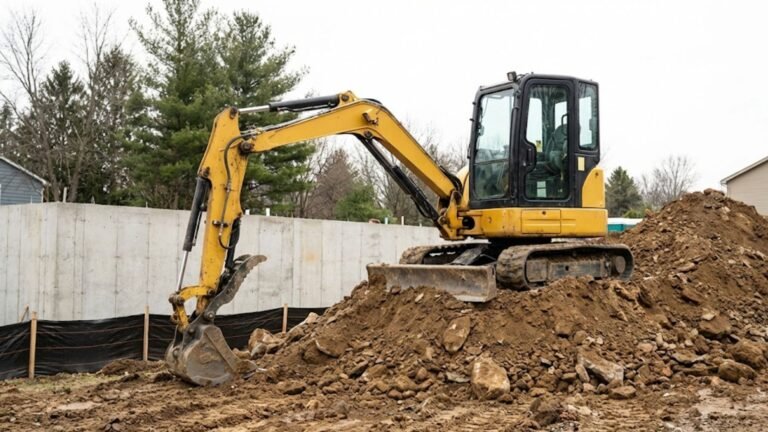
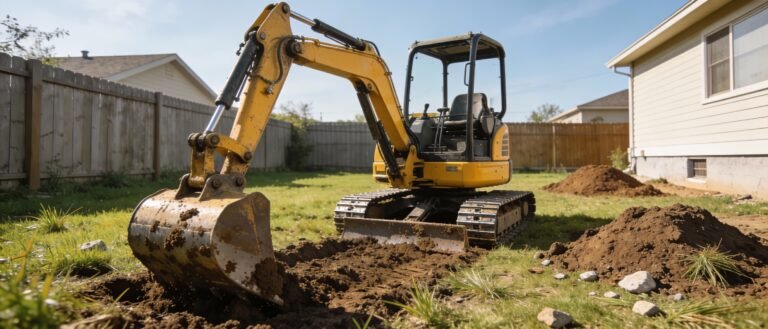
Active excavation begins once controls are established and permits are posted on site, with operators phasing disturbance to keep exposed areas under regulatory limits while making steady progress. Equipment cuts slopes, removes excess material, and shapes major drainage features like swales or retention areas that handle stormwater management excavation needs. Construction sequencing keeps active work concentrated in manageable sections, typically exposing no more than 20-30% of the total project area simultaneously.
Rough grading establishes primary drainage patterns with slopes sufficient for positive water flow, generally 2-5% minimum to prevent ponding while staying well below the 33% maximum (1:3 ratio) that Connecticut allows for stabilized slopes. Contractors install drainage swales berms as they work, creating channels that intercept runoff and direct it to safe discharge points rather than allowing sheet flow across vulnerable slopes. Check dams and temporary diversions may be added during this phase, providing immediate erosion protection for partially completed areas.
Runoff diversion practices become critical if work extends through rainy periods, with contractors adapting controls daily based on weather forecasts and observed site conditions. Sediment basins receive regular maintenance, with accumulated material removed before capacity drops below design specifications. This active management prevents the common scenario where controls fail during storms, sending sediment onto neighboring properties or into wetlands and triggering violations that halt work until corrections are made.
Fine Grading, Stabilization, and Seeding
Fine grading brings surfaces to final elevations with precision measured in inches rather than feet, creating smooth transitions that prevent erosion while establishing proper drainage toward collection points. Operators work systematically across previously rough-graded areas, removing high spots, filling depressions, and achieving the consistent slopes that enable effective soil stabilization seeding. Reverse slope grading techniques may be employed on steeper sections, creating subtle terracing that slows water velocity and increases infiltration.
Disturbed area stabilization must begin within seven days of reaching final grade or whenever work pauses for more than a week, per Connecticut regulations that recognize how quickly bare soil erodes during typical rainfall events. Contractors redistribute stockpiled topsoil first, providing a nutrient-rich medium that promotes rapid vegetation establishment. Seed selection considers your site’s sun exposure, soil moisture, and intended use, with erosion control mixes emphasizing fast-germinating species that provide quick ground cover.
Mulch application follows seeding immediately, with straw or wood fiber spread at rates that protect soil while allowing seedling emergence. Proper mulching can reduce erosion by 70-90% compared to bare seeded soil, making this step critical for slope stabilization techniques on vulnerable areas. Geotextile slope protection offers an alternative or supplement on steep sections, providing mechanical reinforcement while vegetation establishes roots deep enough to bind soil particles effectively.
Additional Steps for Complex Installs
Full-service residential erosion repair projects often require specialized techniques beyond basic grading, particularly on challenging Connecticut properties with steep slopes, nearby wetlands, or complex drainage issues. These additions extend timelines by two to seven days depending on scope but provide long-term solutions that simple regrading can’t achieve. Understanding when these measures apply helps set realistic expectations about project duration and costs.
Complex installations demand experienced contractors familiar with both standard practices and the creative problem-solving needed when textbook solutions don’t fit real-world constraints. Site-specific factors like ledge rock near the surface, high groundwater tables, or tight access often require modified approaches that balance regulatory compliance with practical execution.
Handling Slopes, Wetlands, and Drainage
Steep slopes over fifteen feet vertical require stepped grading or terracing that creates multiple stable platforms rather than single continuous inclines, reducing water velocity and erosion potential while meeting Connecticut’s slope ratio requirements. Each terrace needs proper drainage design to prevent water accumulation at grade breaks, typically achieved through shallow swales or subsurface collection systems. This stepped approach adds three to five days compared to simple slope grading but provides stability that survives heavy storms without washing out.
Properties with inland wetlands buffer zones within 75-100 feet of work areas face additional wetlands review requirements and enhanced silt fence installation protocols that prevent sediment migration into protected areas. Contractors may need to establish dual-layer perimeter controls or more frequent inspection schedules, adding coordination time and potentially limiting equipment access to certain areas. Buffer restrictions sometimes require hand work or smaller equipment in transition zones, extending excavation timelines but protecting sensitive environmental features.
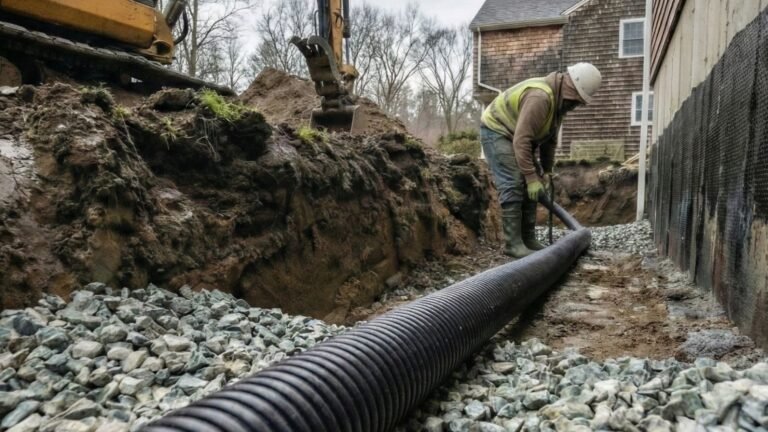
Comprehensive drainage solutions often include French drains, curtain drains, or catch basins that intercept subsurface or surface water before it reaches problem areas. Installation involves trenching, bedding preparation, pipe placement, and backfill with specific gradation requirements, consuming two to four additional days depending on linear footage and depth. These systems transform chronically wet areas into stable, usable spaces while reducing erosion pressure on downslope sections of your property.
Finishing Touches and Yard Restoration
Final restoration begins as primary work concludes, with contractors performing detailed cleanup that removes construction debris, smooths equipment tracks, and addresses minor grade irregularities discovered during final inspection. Soil compaction in access routes receives attention, with operators loosening compressed areas and adding topsoil to restore healthy growing conditions. This preparation enables consistent grass establishment across your entire property rather than leaving bare strips where equipment traveled.
Reseeding and mulching extend to all disturbed areas, even those that seem minor, since small bare patches often become erosion initiation points during storms. Contractors apply starter fertilizer calibrated to soil test results, providing nutrients that accelerate vegetation establishment time from six weeks to three or four in optimal conditions. Watering recommendations accompany final seeding, with specific guidance about frequency and duration that helps you support germination without creating runoff.
Debris removal includes hauling away excess excavated material, broken concrete or ledge from excavation, and construction waste like empty seed bags or damaged silt fence. Responsible contractors leave your property cleaner than they found it, avoiding the neighbor drainage impact issues that arise when material piles block sight lines or create unofficial fences. This attention to detail reflects the professionalism that distinguishes quality erosion control excavation from rushed jobs that meet minimum standards but create lingering nuisances.
Permits, Plans, and Regulations in CT
Pre-construction regulatory compliance prevents mid-project surprises that halt work and extend timelines unexpectedly. Connecticut’s layered approval system involves multiple agencies depending on project scope, location, and environmental features, with erosion control certification forming the foundation that other permits reference. Contractors experienced in local regulations can navigate this process efficiently, often securing all necessary approvals within the typical two to six week timeframe.
Understanding permit requirements also helps homeowners evaluate contractor proposals, since unrealistically short timelines often indicate either oversimplified scope or plans to skip required approvals. Quality contractors build permitting time into schedules and transparently explain what approvals apply to your specific project.
Zoning and Erosion Coordination
Town zoning reviews examine how proposed grading affects setbacks, lot coverage, and neighbor drainage impact, with Oxford regulations requiring special permits for major excavation projects that significantly alter existing topography. Applications include site plans showing existing and proposed contours, drainage calculations demonstrating post-construction runoff won’t exceed pre-development rates, and narrative descriptions of erosion controls during and after construction. Zoning boards review these materials during regular meetings, typically monthly, which influences when you can begin work based on application submission timing.
CT DEEP erosion control certification runs parallel to zoning approval, requiring detailed plans that map soil types, identify erosion-prone areas, and specify control measures like silt fence installation locations, sediment basin sizing, and stabilization schedules. Certified professionals must prepare these plans, ensuring technical adequacy that field inspectors will verify during construction. Fees vary by disturbed acreage but typically range from a few hundred to several thousand dollars for residential projects, covering review costs and periodic inspection visits.
Inland wetlands agency review applies when work occurs near flagged wetlands or watercourses, examining whether proposed grading respects buffer zones and includes adequate protection for aquatic resources. The review process can take thirty to sixty days depending on application completeness and whether site walks or additional information requests occur. Approvals typically include conditions about enhanced erosion controls or monitoring requirements that contractors must implement precisely to maintain compliance.
Spite fence laws CT statutes factor into permit reviews when proposed grading creates berms or elevation changes along property lines, with officials evaluating whether designs serve legitimate drainage or landscaping purposes versus malicious attempts to block neighbors’ views or create artificial barriers. Reasonable grading that improves site function generally receives approval, while excessive or unnecessary earth piles face scrutiny and possible denial if they appear intended primarily to annoy adjacent owners.
What Homeowners Should Prepare For and Do
Supporting smooth execution requires homeowners to understand daily realities during active construction and take specific preparatory steps that enable contractor efficiency. Your involvement doesn’t mean performing technical work but rather facilitating access, maintaining communication, and making timely decisions when field conditions require minor plan adjustments. This collaboration shortens timelines by eliminating delays that occur when contractors can’t reach decision-makers or encounter unexpected obstacles that simple advance planning would have prevented.
Realistic expectations also matter, since erosion control excavation inherently creates temporary disruption that even the best contractors can’t completely eliminate. Accepting that your yard will look worse before it looks better helps maintain perspective during the messy middle phases when progress may seem stalled even though critical work continues.
Daily Expectations During Excavation
Early project days bring significant noise and dust as equipment arrives, establishes work areas, and begins earth moving operations. Excavators, bulldozers, and trucks generate sound levels comparable to highway traffic, typically from 7 AM to 5 PM on weekdays per local noise ordinances. Dust control measures like water spraying help but can’t completely eliminate airborne particles, making it wise to close windows on the work-facing side of your home during active excavation phases.
Access limitations affect different areas at different times as work progresses through planned sequences, with contractors typically maintaining driveway access except during brief periods when grading crosses these routes. Temporary stone drives or equipment mats may provide interim passage, though you should expect some inconvenience and plan accordingly with alternative parking or adjusted commute timing. Phased work limits these disruptions to specific areas, allowing continued use of yard sections not currently under construction.
Site inspections require homeowner presence or designated representative availability when contractors reach key milestones like rough grade completion or pre-seeding approval, giving you opportunity to verify work matches expectations before crews proceed to the next phase. Walking the site with your contractor helps you understand how new grades will function and raises questions while adjustments remain simple rather than after permanent stabilization locks in elevations.
Tips to Minimize Disruptions
Pre-project utility marking through Connecticut’s Call Before You Dig service (811) prevents dangerous strikes and delays caused by severed lines, with marking crews identifying underground electric, gas, water, and communication infrastructure. Schedule marking at least three business days before planned work starts, and refresh marks if work delays push start dates beyond the typical two-week validity period.
Pet and plant protection requires temporary relocation or barriers, since equipment operators can’t safely watch for animals while grading and valuable landscaping in work areas faces likely damage despite best intentions. Move potted plants, mark specimen trees or shrubs requiring protection, and arrange pet care or secure fencing that keeps animals safely away from active zones. These steps prevent heartbreaking losses and eliminate distractions that slow contractor progress.
Seasonal scheduling significantly affects timelines, with spring and fall offering optimal conditions in Connecticut while winter excavation delays CT frozen ground issues and summer can bring drought that complicates vegetation establishment. Projects started in May through June or September through October typically proceed fastest and achieve better stabilization results than those forced into less favorable weather windows. Flexible timing that accommodates contractor schedules also helps, since availability often determines whether you wait weeks for your preferred company or accept immediate starts from less busy competitors.
Process Comparison Table: Simple vs. Complex Erosion Grading in CT
| Phase | Simple Install (Flat Yard <0.5 acre) | Complex Install (Slope/Wetlands) |
|---|---|---|
| Prep & Controls | 2-3 days for basic perimeter silt fence and staking | 5-7 days including inland wetlands buffer setup and enhanced sediment basins |
| Excavation/Grading | 3-5 days for straightforward cuts and drainage | 7-10 days phased work with stepped grading and specialized slope techniques |
| Stabilization/Seeding | 2-3 days topsoil, seed, and mulch application | 5-7 days with geotextile slope protection and terraced seeding on steep areas |
| Total Timeline | 7-10 days typical completion | 14-21+ days depending on wetlands reviews and weather |
Common Mistakes Homeowners Make During Erosion Excavation
Skipping proper erosion planning to save upfront costs often backfires when projects trigger stop-work orders from inspectors discovering unpermitted disturbance, extending timelines by weeks while contractors secure retroactive approvals and potentially facing fines that dwarf initial planning expenses. Connecticut regulations make certification mandatory for projects over half an acre, and attempting to avoid this requirement by claiming smaller scope doesn’t work when total disturbed area becomes obvious during execution.
Ignoring construction sequencing recommendations in favor of completing everything simultaneously creates massive exposed areas vulnerable to erosion during storms, overwhelming temporary controls and sending sediment onto neighboring properties or into storm systems. Phased approaches take slightly longer overall but maintain manageable disturbance that controls can effectively protect, preventing the washouts that require costly rework and strained neighbor relationships.
Poor drainage design that focuses only on moving water off your property without considering where it goes creates neighbor drainage impact problems and potential liability when concentrated flows erode adjacent lands or flood basements. Proper plans include discharge to adequate outlets like storm systems or natural drainage courses, often requiring easements or coordination that advance planning facilitates but rushed projects overlook.
Skipping final walkthroughs before contractor demobilization means discovering settlement issues, missed spots, or control removal problems after crews have moved to other jobs, complicating warranty claims and extending the time before your yard feels truly complete. Thorough inspection while equipment remains on site enables immediate correction of minor items that become major headaches if addressed weeks later.
Preparing Your Property for Erosion Control Excavation in CT
Early CT DEEP plan review initiation starts the permit clock running while you interview contractors and finalize designs, preventing approval delays from pushing your project into less favorable seasons. Submitting applications as soon as plans are complete, even if you haven’t selected a contractor, maintains schedule flexibility that waiting until all decisions are final would sacrifice.
Clearing obstacles from work areas and equipment access routes eliminates delays caused by contractors spending billable time moving patio furniture, children’s play equipment, or yard decorations that you could have relocated in advance. Walk your property identifying items in or near planned disturbance areas, then move them to protected zones or off-site storage before crews arrive.
Survey and flag buffer boundaries when projects approach wetlands or property lines, preventing inadvertent violations from equipment operators working quickly in chaotic construction conditions. Oxford wetlands regulations place compliance responsibility on property owners, making proactive boundary marking a cheap insurance policy against expensive violations.
Slope and drainage documentation through photos or video creates before-condition records that prove project necessity if permit officials or neighbors later question whether work was appropriate. This documentation also helps contractors understand existing problems during bidding and prevents disputes about pre-existing conditions versus construction damage.
Frequently Asked Questions About erosion control excavation near me in Oxford CT
Q: What is the typical erosion control excavation process?
A: The process follows a structured sequence beginning with erosion plan development and permit acquisition, then perimeter control installation like silt fence and sediment basins. Excavation and rough grading follow, shaping major drainage features and slopes, succeeded by fine grading to precise elevations. Final phases include topsoil redistribution, soil stabilization seeding with mulch application, and inspection verification. Residential projects in Connecticut typically complete within one to three weeks depending on site complexity, with phased work minimizing the extent of yard disruption at any given time.
Q: How long does yard stabilization take after grading?
A: Stabilization requirements mandate starting erosion control measures within seven days of reaching final grade, with seeding and mulching typically completed in two to three days once topsoil redistribution finishes. Vegetation establishment time varies by season and weather, but grass germination begins within seven to fourteen days under good conditions, providing visible ground cover within three to four weeks. Full stabilization that binds soil effectively takes six to eight weeks as root systems develop depth, though surface protection from mulch provides immediate erosion resistance even before plants emerge.
Q: Are permits required for erosion control grading in Oxford CT?
A: Yes, Connecticut law requires erosion control certification for projects disturbing over 0.5 acres, involving detailed plans, fees, and review by CT DEEP or delegated local agencies. Oxford zoning regulations add requirements for special permits when excavation significantly alters topography, and inland wetlands review applies for work within regulated buffer zones. Permit processing typically takes two to six weeks, making early application critical to avoid seasonal delays. Contractors should handle permit coordination, but homeowners remain ultimately responsible for compliance.
Q: What should I expect on excavation day 1?
A: First-day activities focus on mobilization and control installation rather than heavy excavation, with crews delivering equipment, establishing staging areas, and installing perimeter silt fencing or sediment basins. Contractors verify grade stakes match approved plans, confirm utility mark-outs are current, and may begin topsoil stockpiling from areas scheduled for immediate work. Noise and activity increase throughout the day, but dramatic landscape changes typically wait until day two or three after all protective controls are functioning properly.
Q: How can I prepare my yard for erosion grading?
A: Remove or protect valuable plants, relocate obstacles like furniture or decorations from work zones, and ensure clear equipment access from the street to project areas. Mark underground sprinkler lines, invisible fence wires, or other buried features not covered by utility mark-outs, preventing damage that delays work. Arrange temporary accommodations for pets that might escape through disrupted fencing or be stressed by construction noise. Communicate with neighbors about upcoming work, maintaining good relationships that prevent complaints from slowing progress.
Final Thoughts
Connecticut homeowners facing erosion control excavation can expect predictable, manageable processes when working with certified professionals who understand local regulations and proper grading techniques. Projects typically span one to three weeks from initial control installation through final seeding, with phased work limiting active disturbance to portions of your property while maintaining access to essential areas. State-mandated stabilization requirements, erosion planning, and inspection protocols ensure quality results that protect your investment and neighboring properties from sediment runoff, transforming problem slopes or drainage issues into stable, functional landscapes.
Long-term value emerges as properly graded sites resist erosion through multiple seasons, maintaining stable slopes and effective drainage that prevents basement flooding, foundation damage, or landscape washouts during Northeast storms. Quick vegetation establishment from certified seed mixes and proper mulching techniques restores usable yard space within weeks rather than months, letting you enjoy outdoor areas while supporting property values through improved curb appeal. These outcomes justify the temporary disruption and upfront investment in professional erosion control excavation.
While understanding the erosion control process helps you navigate upcoming projects, partnering with experienced contractors ensures regulations are met and timelines stay on track. Prestige Excavation & Drainage of CT brings deep expertise in proper grading Oxford CT projects, stormwater management excavation, and comprehensive site work that addresses erosion concerns while respecting wetlands buffers and local zoning requirements. Their team handles everything from erosion control certification and permit coordination through final stabilization and inspection, providing the single-source accountability that keeps residential projects moving efficiently. Contact Prestige Excavation & Drainage of CT for detailed project assessments, transparent timelines, and quality execution that transforms erosion problems into lasting solutions for your Connecticut property.