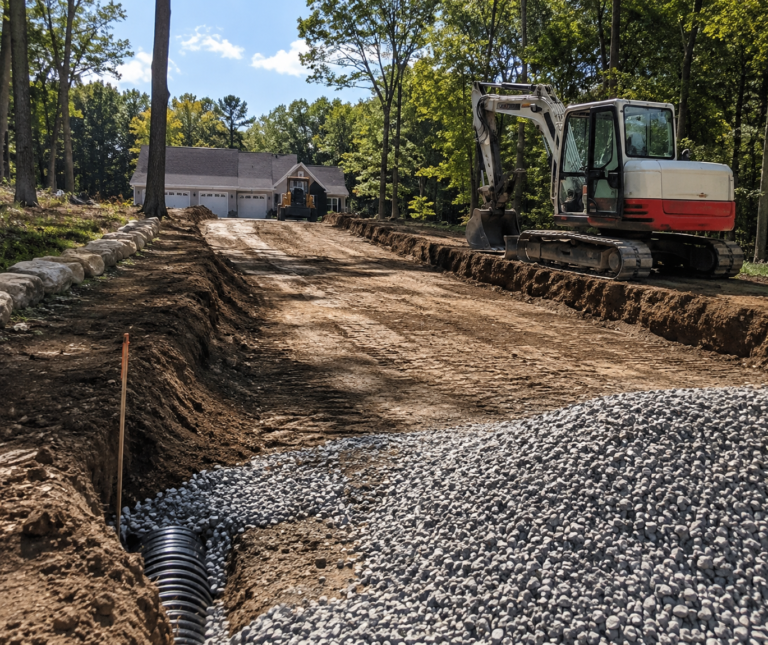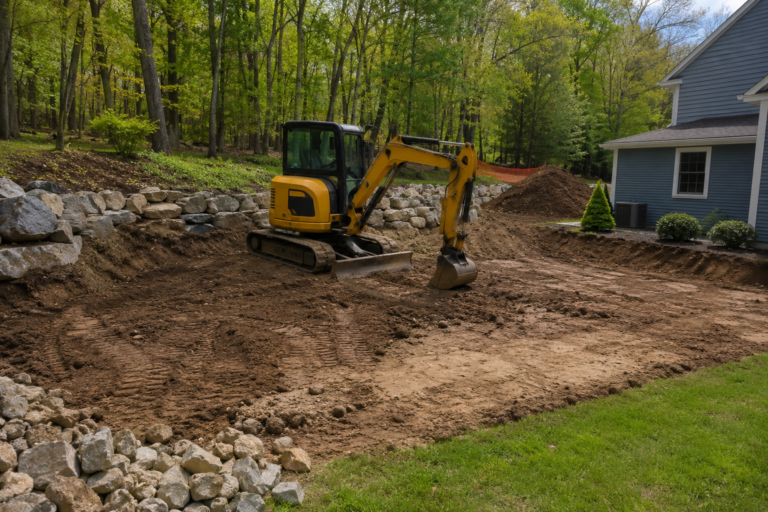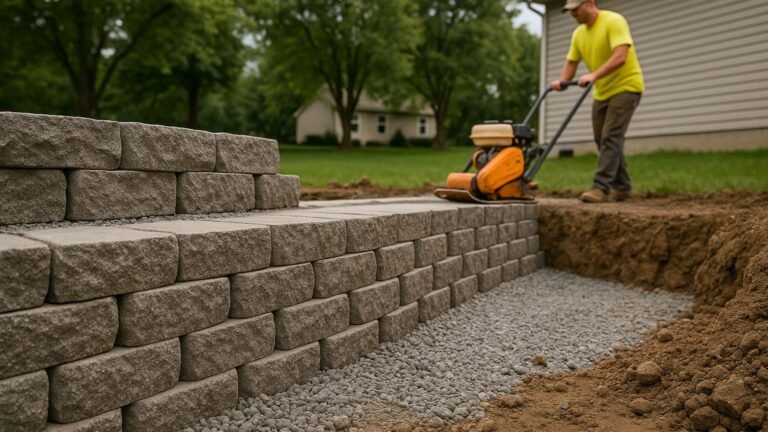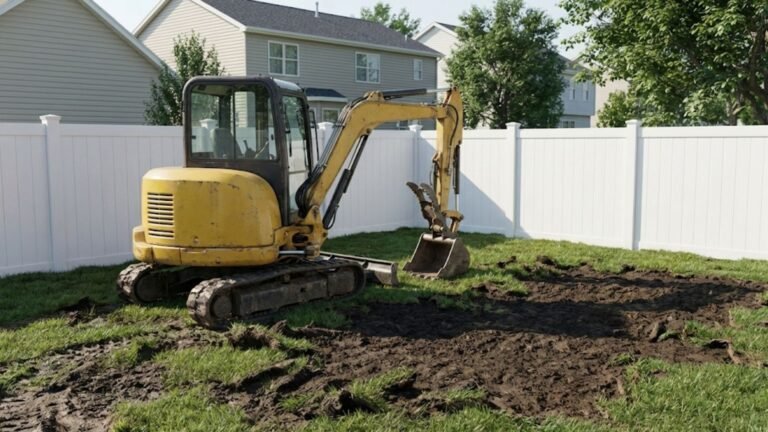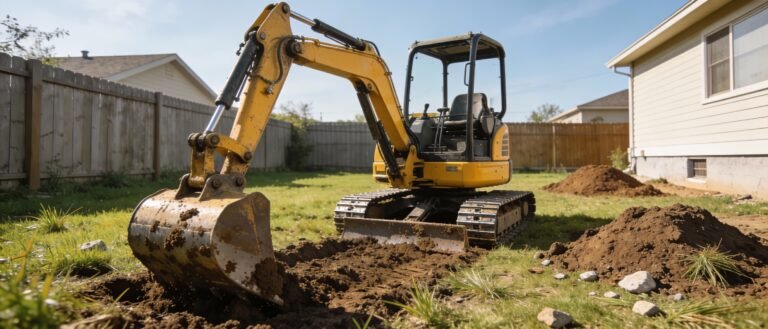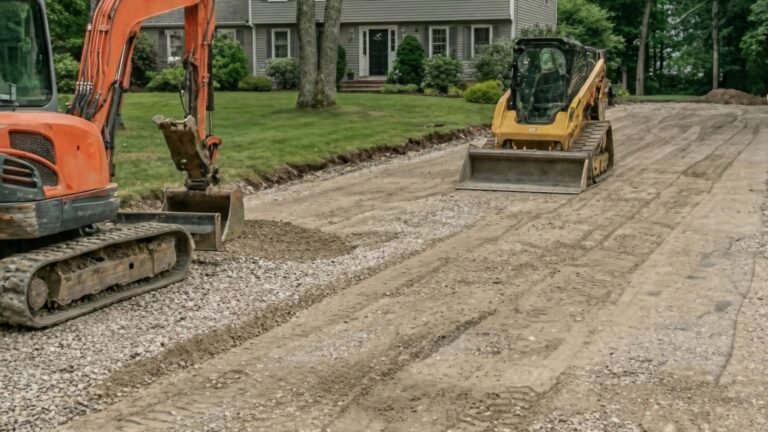
What to Expect From an Excavation Company in Middlebury CT
When you watch heavy machinery roll onto your Middlebury property, that moment brings a mix of excitement and worry. You’re probably wondering how many weeks your lawn will look like a construction zone, whether the crew might accidentally slice through a gas line, and what happens if a thunderstorm hits while trenches sit wide open.
The good news?
Connecticut’s damage-prevention laws and erosion control guidelines mean that reputable contractors follow a structured sequence from utility location calls through final grading and cleanup. While every Middlebury property presents unique challenges with its slopes, tree lines, and sometimes wetland edges, professional excavators work through predictable phases rather than leaving your yard in limbo.
Understanding what happens during each step can transform that anxiety into confidence that your project has clear boundaries and a defined endpoint.
Excavation Process in Middlebury CT
Local track record
Proven local experience Homeowners in Middlebury typically look for excavation companies with many years of experience on residential and light commercial projects in Connecticut’s soil and terrain, plus a visible track record in nearby towns like Southbury, Woodbury, and Watertown. This often includes a portfolio of past work, repeat local clients, and strong word-of-mouth or directory presence (BBB, Angi, chamber listings).
Safety compliance
Licensing, insurance, and safety Clients expect excavation contractors to be properly licensed and fully insured, including liability and (ideally) workers’ compensation, to protect against accidents or damage on the jobsite. Safety practices and adherence to regulations are also key, so companies that emphasize safe operation of equipment and compliance with state and local rules tend to earn more trust.
Right equipment
Equipment and service capabilities An excavation company in Middlebury is evaluated on whether it has modern, well-maintained equipment sized for residential work and site constraints, from mini‑excavators to larger machines and trucks. Buyers also value a broad service mix, such as drainage, grading, lawn installation, hardscapes, and related site work, so one contractor can handle the full scope instead of juggling multiple subs.
Clear communication
Pricing, communication, and responsiveness Homeowners commonly compare contractors on transparent, competitive pricing that does not sacrifice quality or safety, preferring detailed written estimates over vague ballpark numbers. Fast responses to inquiries, clear project timelines, and a “customer‑first” attitude (like quick text replies or rapid quote turnaround) are often decisive in choosing a Middlebury excavation company.
Key Takeaways
- Most Connecticut Residential Excavation Takes Days, Not Months: Smaller home projects often see intense digging and disruption over several days to a couple of weeks, with careful pre-planning and prompt restoration keeping timelines tight and manageable.
- 811 Calls and Permits Happen Before the First Bucket Touches Soil: State law requires Call Before You Dig for underground utility locating, and many projects also need local or encroachment permits before excavation can legally start.
- Erosion Control Keeps the Mess Contained: Connecticut erosion and sediment guidelines push contractors to limit disturbed areas and stabilize soil quickly, reducing mud, runoff, and complaints from neighbors.
- Grading and Drainage Protect Your Home Long-Term: Neutral HUD and state guidance emphasize positive slope away from foundations and controlled stormwater paths so you don’t trade a successful project for standing water or basement moisture.
- Connecticut Rules Shape How and Where Crews Can Dig: Damage-prevention statutes, building code frost-line expectations, and stormwater standards influence trench depths, footing excavations, and how close work can come to roads or wetland buffers.
- Cleanup, Stabilization, and a Walk-Through Should Be Standard: Responsible excavators restore access, stabilize disturbed soil in line with Connecticut guidelines, and review drainage and surface conditions with you before calling the job complete.
Local Excavation Data for Middlebury CT
Here’s where most people get blindsided.
Those quick estimates you’ll hear?
They rarely tell the whole story. We pulled data from actual excavation projects to show you what really matters. The numbers might surprise you, but understanding them now beats discovering them later.
| Criterion | Why It Matters | Client Benefit |
|---|---|---|
| Local Experience | Familiarity with Middlebury CT soil and terrain | Faster, safer projects with fewer surprises |
| Licensing & Insurance | State compliance and liability protection | Peace of mind against accidents or damage |
| Equipment Quality | Modern, sized-right machines for residential sites | Precise work without site disruption |
| Stage | Key Activities | Typical Timeline |
|---|---|---|
| Consultation | On-site assessment and custom quote | 1-2 days |
| Surveying | Utility marking and elevation mapping | 1 day |
| Execution | Clearing, digging, grading, compaction | 3-7 days |
| Service | Common Applications | Outcome |
|---|---|---|
| Site Clearing | Trees, stumps, topsoil removal | Clean slate for builds |
| Drainage Grading | Slopes for water runoff | Erosion/flood prevention |
| Finishing | Backfill, seeding, compaction | Ready for landscaping |
Look, none of this is meant to scare you off. It’s meant to help you plan smart. When you understand these numbers upfront, you can make informed decisions.
Understanding the Excavation Process in Middlebury, CT
Professional excavation in Connecticut follows a consistent structure shaped by utility safety rules, erosion and sediment controls, and drainage expectations rather than improvisation or guesswork. The best contractors explain this sequence upfront so you understand how long the yard will look disrupted and what protections they follow for utilities, slopes, and nearby wetlands. When you know what’s coming, the construction phase feels measured and temporary instead of open-ended and chaotic.
Middlebury properties often feature rolling terrain, mature tree lines, and sometimes wetlands or small watercourses that can trigger additional planning requirements. Before heavy equipment arrives, a good contractor verifies where excavation is allowed, how runoff will be contained on site, and how to access work areas without unnecessary disturbance. This approach aligns with state guidance to minimize and phase disturbed areas, which directly shortens the time your yard stays torn up.
The process may feel more involved than simply “digging a hole,” but each step serves a purpose. Utility locating prevents dangerous accidents and project delays. Permit coordination confirms you’re allowed to do the work and helps schedule required inspections. Erosion control keeps mud and sediment from washing into streets or streams. Proper grading ensures water flows away from your foundation instead of pooling against it. When contractors skip or rush these steps, homeowners often face longer timelines, surprise costs, and lingering drainage problems long after the machines leave.
Timeline to Expect for Excavation in Middlebury
Initial Consultation
Contact an excavation company in Middlebury CT for a free on-site assessment where they evaluate your property’s terrain, soil type, and project needs like drainage or grading. They provide a detailed quote covering scope, timeline, and costs based on local factors such as Connecticut regulations and site specifics.
Site Surveying
The contractor performs a professional survey to map boundaries, elevations, underground utilities, and potential obstacles using tools like GPS or stakes. This step ensures compliance with Middlebury zoning and generates a precise plan for excavation, drainage, and grading.
Clearing and Preparation
Clear vegetation, trees, stumps, and topsoil using bulldozers or excavators, stockpiling usable soil onsite or hauling away debris. Install temporary erosion controls and mark utility lines to prevent damage during digging.
Excavation and Grading
Dig to required depths for foundations, trenches, or drainage using excavators and backhoes, then grade the site to create proper slopes for water runoff. Compact the soil for stability and conduct inspections to verify levels meet local codes.
Utilities and Finishing
Install or connect utilities like pipes, septic systems, or drainage if part of the project, followed by backfilling with gravel or soil. Final cleanup, seeding, or paving prepares the site for landscaping or construction, with a walkthrough for approval.
National vs. Connecticut Excavation Timelines
Across the country, small residential excavation jobs can move very quickly when conditions are ideal. A simple utility trench in sandy soil under clear skies might take just a day or two of active digging. However, Northeast climate, frost considerations, and state erosion rules often extend and structure the timeline in ways that actually benefit homeowners by reducing risk and improving long-term results.
Typical Timeline Ranges for Connecticut Residential Excavation
Light residential excavations, like a short utility trench, small equipment pad, or minor regrading may have one to three days of active digging, plus a short restoration period. These projects still require utility locating and usually some level of erosion control, but the physical disruption to your yard stays concentrated and brief.
Larger work like driveways, additions, multiple utilities, or major regrading more commonly spans several days to a couple of weeks from mobilization through final grading and stabilization. This reflects inspection scheduling, weather delays, and the guideline-driven phasing that keeps only active work areas open at any given time. While this may sound lengthy, it’s far better than the alternative where an entire yard sits exposed for weeks because the contractor didn’t plan phases or stabilization.
Phase-by-Phase Breakdown Model
Understanding the typical flow helps you set realistic expectations and recognize whether your contractor is on track or stalling.
In the first few days, you’ll see utility marking verification, erosion control installation, and initial cutting and trenching. Disturbed areas begin to appear but should be confined to where work is actually happening. Good contractors mark boundaries clearly and avoid unnecessary clearing or grading outside the immediate work zone.
During the mid-phase, which lasts several days, ongoing excavation happens alongside inspections, backfilling, and rough grading by section. Open trenches are closed once utilities or structures receive approval, so you’re not looking at gaping holes for longer than necessary. This phased approach means one area may be finishing while another is just starting, keeping progress visible and momentum steady.
In the final days, crews complete finish grading, stabilization with seed or mulch, and removal of temporary controls. This timing follows Connecticut guidance to stabilize soils promptly once construction is complete, reducing the window where exposed dirt can wash away in a storm or create dust clouds on windy days.
Key Steps in the Excavation Process
Core phases like planning, digging, grading, and stabilization are shaped by Connecticut’s statutes and guidelines for safe excavation and soil management. Each step builds on the previous one, creating a logical progression that protects your property and keeps the project moving forward.
Site Preparation, 811, and Layout
Before any excavation, Connecticut requires notice to the one-call system so utilities can mark underground lines. Chapter 293 prohibits excavation or blasting without following damage-prevention procedures, making this step both a legal requirement and a critical safety measure. Your contractor should also confirm needed local permits, review any erosion and sediment control plan required by local commissions, and mark out work zones to limit the disturbed footprint.
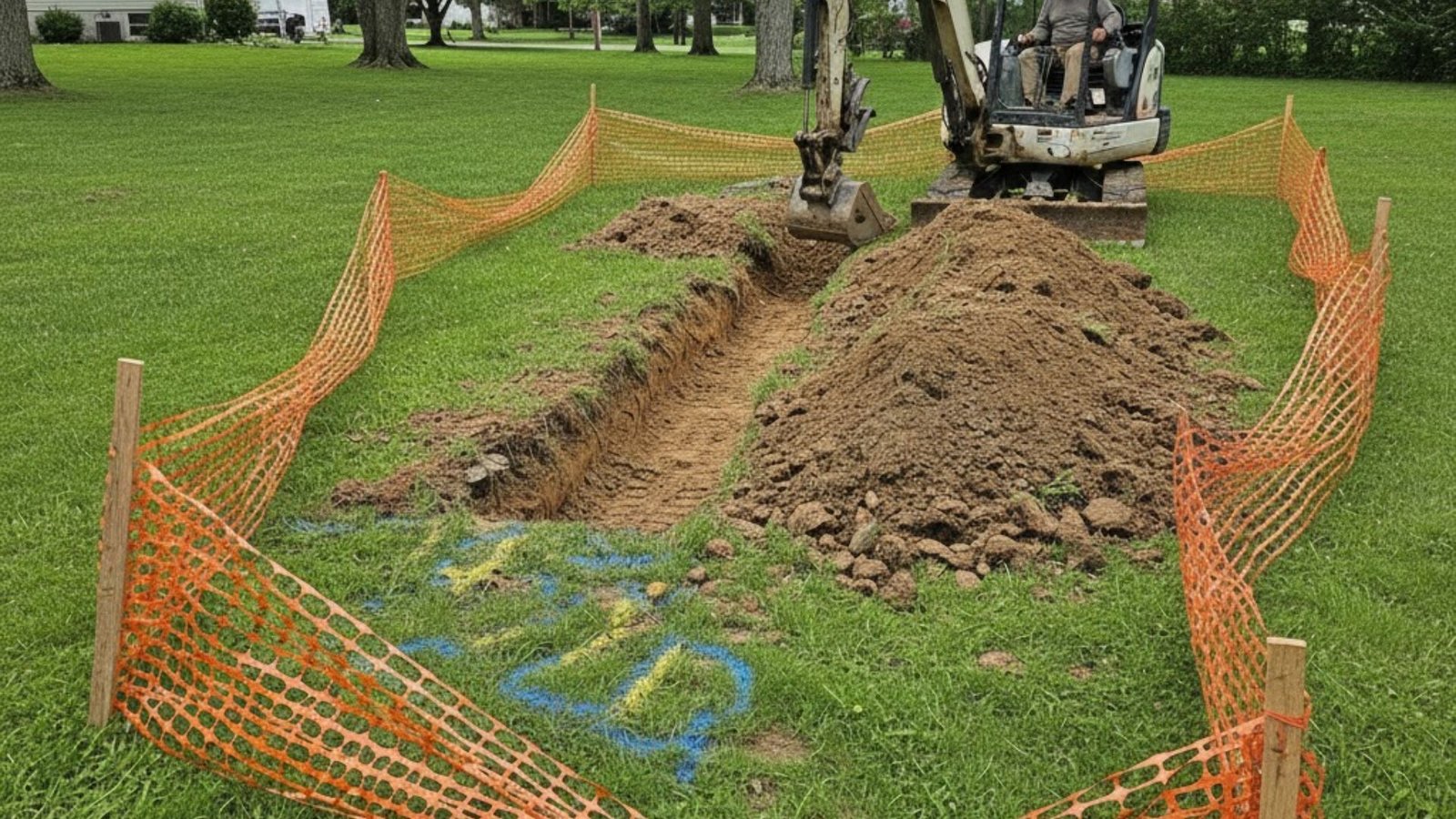
This preparation phase happens mostly off-site or with minimal visible activity in your yard. You’ll see painted marks on the ground showing where utilities run, perhaps some stakes indicating grading limits, and maybe initial fencing or erosion control barriers going up. While it may feel slow if you’re eager to see progress, rushing this step invites disasters like hitting utility lines, permit violations, or uncontrolled erosion that extends the project timeline far longer than careful planning would have.
Excavation, Utility Work, and Structural Digs
During excavation, crews open trenches and cuts to design depth. This often means placing utilities below frost-line expectations and building footings to depths recognized by the State Building Code. Connecticut’s frost line sits around 42 inches, so water lines, sewer connections, and foundation elements need to reach depths that protect against freeze-thaw damage.
State erosion guidelines encourage phasing so that only areas under active construction are open, with prompt backfill and compaction once inspections are completed. This approach reduces erosion and shortens the time soil remains exposed to weather. For homeowners, it means watching one section of the yard get torn up, worked on, and closed within days rather than seeing the entire property sit as an open construction zone for weeks.
Quality contractors also coordinate inspection timing carefully. They know when building officials or utility representatives need to verify work before backfilling, and they schedule these inspections to avoid leaving trenches open longer than necessary. This coordination may add a day or two to the overall timeline, but it prevents the far worse scenario of having to re-excavate completed work because an inspection was missed.
Backfilling, Rough Grading, and Drainage Setup
After utilities or foundations pass inspection, backfilling in compacted lifts and rough grading restores the overall ground structure and starts shaping how water will move across your property. HUD site-preparation guidance and state stormwater manuals stress sloping finished grades away from buildings and toward safe discharge points, and responsible excavators use rough grading to establish these drainage paths before final surface work.
Backfilling isn’t just dumping dirt back in the hole. Proper compaction in layers prevents future settlement that creates depressions, cracks in driveways, or sinkholes near your foundation. Each lift gets compacted with mechanical equipment before the next layer goes in, a process that takes more time than loose filling but ensures stable ground for years to come.
Rough grading shapes the broad contours of your finished yard. The contractor establishes where high and low points will be, creates positive drainage away from structures, and sets up paths for water to reach swales, drains, or other approved discharge locations. This is also when they verify that the work matches the approved plan and make necessary adjustments before final grading locks everything in place.
Additional Steps for Complex Excavation Jobs
Full-service excavation in Middlebury often requires extra measures for slopes, wetlands, and drainage structures that can extend timelines but protect the site and neighbors from problems.
Handling Slopes, Wetlands, and Sensitive Areas
On sloped sites or near wetlands and watercourses, Connecticut’s erosion and sediment control guidelines call for careful planning to limit erosion, use structural and vegetative measures, and keep sediment out of nearby resources. This can mean additional diversion channels, extra silt fencing, staged cuts and fills, and longer stabilization periods, especially where more area is disturbed, or runoff has a direct path to streams.
Sloped properties present particular challenges because gravity naturally pulls disturbed soil downhill. Contractors may need to install temporary berms or channels to redirect water around active work areas, then remove or modify these controls as sections stabilize. Work near wetlands may require coordination with local inland wetlands commissions to verify buffer compliance and approve specific erosion control measures.
These extra steps add complexity and time to the project, but they’re not optional add-ons. They’re responses to real site conditions that, if ignored, could result in enforcement actions, neighbor disputes, or environmental damage that creates far bigger problems than a few extra days of careful construction.
Stormwater Features and Final Stabilization
Where excavation ties into or affects drainage systems, Connecticut stormwater standards govern how runoff is managed, emphasizing control of peak flows and pollutant loads. Final steps often include shaping swales, connecting drains, stabilizing outfalls, and applying permanent seeding or vegetation in accordance with state guidelines so disturbed soils do not remain bare going into major rain events.
Permanent stabilization means establishing vegetation or other cover that will protect soil from erosion over the long term. This might involve topsoil placement, seed application at appropriate rates for your soil type and season, mulching to protect the seed, and sometimes temporary irrigation or erosion control blankets on steep slopes. The contractor should explain what type of stabilization they’re using and how long it typically takes to establish, so you know when to expect a green lawn versus patchy new growth.
Permits, Utilities, and Regulations in Connecticut
Regulatory steps may not be visible to the homeowner, but strongly influence when digging begins and ends, and how predictable the process feels.
Licensing, Zoning, and Right-of-Way Coordination
Excavation contractors working at one to six-unit residential properties must hold appropriate registration under the Department of Consumer Protection’s Home Improvement rules. This requirement ensures contractors meet basic standards for insurance, contract practices, and complaint resolution. Projects that disturb soil or change drainage frequently involve local permits, and when work encroaches on state roads, a Connecticut Department of Transportation encroachment permit is required under sections 13a-143a and 13a-247.
These steps, combined with any local erosion and sediment control review, frame the legal start line for excavation. Many municipalities also issue excavation permits for work in streets or right-of-way areas, which may require bonds, insurance certificates, and coordination with public works departments for inspection and restoration standards. While this paperwork happens largely behind the scenes, it directly affects your project schedule and the contractor’s ability to start work on your preferred date.
811, Damage Prevention, and Utility Safety
Connecticut’s Chapter 293 and damage-prevention program requires notice to the one-call system before excavation, with utilities marking lines so crews can dig safely. This isn’t a courtesy; it’s the law, and violations can result in fines and liability for damages. Gas system construction regulations further require buried piping to be installed and maintained in a way that protects against frost and external loads, reinforcing the need for proper depth and careful excavation around utility corridors.
When contractors follow these rules, you get predictable scheduling. They know they need to call 811 several business days before digging, allow time for utility companies to mark lines, and verify marks are visible and current before starting. When contractors cut corners, you get hit lines, emergency repairs, project shutdowns, and potential liability that turns a straightforward excavation into a nightmare.
What Homeowners Should Prepare For and Do
When homeowners know what to expect each day, the process feels controlled rather than chaotic.
Daily Expectations During Excavation
In the early days, homeowners can expect markings review, erosion control installation, and partial yard access limitations as machines mobilize, with little soil actually removed at first. As excavation progresses, noise and disturbance concentrate near active cuts, but phased work and prompt backfilling help keep other yard areas usable and shorten the most disruptive period.
Heavy machinery operation means periods of significant noise, typically during standard construction hours. You may see excavators, skid steers, dump trucks, compactors, and grading equipment cycling through different phases of work. Dust control may involve water trucks or misting systems on dry days, while wet weather may mean pauses in certain activities to prevent creating muddy messes that are harder to clean up than waiting for better conditions.
Communication matters enormously during this phase. Good contractors check in regularly to explain what’s happening that day, when deliveries or inspections are scheduled, and whether any delays or changes to the plan have come up. They also respond promptly when you have questions or concerns, treating your input as valuable rather than viewing you as an obstacle to their work.
Tips to Minimize Yard Disruptions
Homeowners can reduce disruptions by clarifying access routes for equipment, relocating vehicles and movable items, and discussing priority restoration areas like driveways or play spaces with the contractor before work starts. Ensuring utility tickets, permits, and any required erosion and sediment control approvals are complete before scheduling heavy work also helps avoid mid-project pauses that keep the yard open longer than necessary.
Consider temporarily relocating pets, outdoor furniture, grills, and play equipment from work areas. Protect plants you want to keep by marking them clearly or even transplanting especially valuable specimens before work begins. If you have underground irrigation, sprinkler heads, or landscape lighting, map these out with your contractor so crews can avoid or carefully work around them.
Think about timing relative to your family’s schedule too. If you’re hosting an event, planning a vacation, or expecting other major household activities, communicate these dates upfront so the contractor can plan phases accordingly. While they can’t always accommodate every request, knowing your constraints helps them sequence work in ways that minimize conflicts.
Common Mistakes Homeowners Make During Excavation Projects
Skipping or rushing 811 calls invites dangerous utility conflicts and legal issues, since state law requires compliance with damage-prevention procedures before excavation. Some homeowners assume they know where utilities run based on memory or guesswork, but underground lines often take unexpected paths, and service laterals may not appear on property surveys. The few days required for proper utility locating are nothing compared to the weeks of delays, thousands in repair costs, and potential injuries that can result from hitting a gas or electric line.
Underestimating erosion control and drainage, treating them as optional extras instead of following Connecticut’s guidelines, can leave yards muddy, neighbors upset, and may violate local approvals. When homeowners choose contractors based solely on the lowest bid without asking about erosion control plans or drainage design, they often discover too late that cheap work creates expensive problems. Mud washing into streets, sediment reaching streams, or water pooling against foundations can trigger enforcement actions, neighbor complaints, and remediation costs that far exceed what proper planning would have cost upfront.
Another common mistake is failing to get clear, written timelines and phase descriptions. Verbal promises about “a couple of days of work” can stretch into weeks when weather delays, permit issues, or unexpected site conditions arise. Without a written plan that outlines phases, milestones, and reasonable contingencies, homeowners have no basis to evaluate whether their project is on track or stalled. They also lack documentation if disputes arise about work quality, timeline delays, or final cost adjustments.
Preparing Your Property for Excavation in Middlebury, CT
Homeowners can support smoother projects by confirming their contractor’s registration status, understanding which permits apply, and asking how the erosion and sediment control approach aligns with Connecticut guidance. Clearing access paths, identifying sensitive areas like wells or septic components, and discussing where water should flow after grading all reduce surprises once the yard is open.
Take time to walk your property with the contractor before work begins. Point out areas that concern you, like mature trees you want protected, garden beds that are important to you, or drainage patterns you’ve noticed during heavy rain. Share any history of wet spots, sinkholes, or previous repairs that might indicate underground issues. This information helps the contractor anticipate challenges and plan accordingly, reducing the chance they’ll encounter surprises mid-project that force delays or changes.
Document pre-construction conditions with photos or video, especially areas near the work zone that might be affected. This protects both you and the contractor by establishing a clear baseline. If disputes arise about whether damage was pre-existing or caused by construction, you’ll have evidence to reference. It also helps you appreciate the transformation once work is complete, when a muddy construction zone becomes a properly graded, stabilized, and functional yard.
Frequently Asked Questions About Excavation Company Middlebury CT
Q: What is the typical excavation process for a residential project?
A: In Connecticut, projects normally move from 811 utility locating and permits to phased excavation, inspections, backfilling, grading, and stabilization using erosion controls recommended in state guidelines. The process emphasizes limiting disturbed areas at any one time, protecting utilities and sensitive features, managing drainage properly, and restoring surfaces promptly to reduce the time your yard looks torn up.
Q: How long will my yard look torn up during excavation?
A: Many residential projects see the most intense disruption over several days to a couple of weeks, with Connecticut’s emphasis on limiting disturbed area and prompt stabilization helping shorten the exposed period. Simple jobs like short trenches or small pads may disrupt your yard for less than a week, while complex work involving multiple utilities, drainage structures, or challenging slopes can extend to a few weeks of phased disruption.
Q: Are permits needed for excavation at my home in Middlebury?
A: Contractors generally must hold Home Improvement registration for one to six unit dwellings and may need local excavation permits and, in some cases, state encroachment permits, depending on where the work occurs. Projects near roads, wetlands, or involving significant soil disturbance often trigger additional review and approval requirements from local commissions or state agencies.
Q: What protections keep my yard from washing out in a storm?
A: Connecticut’s erosion and sediment control guidelines call for silt fences, diversions, limited disturbed area, and rapid stabilization, and many projects also follow the state stormwater manual to manage runoff. Good contractors install these measures before major digging begins and maintain them throughout the project until permanent vegetation or surfaces are in place.
Q: How do I know my excavator is handling utilities correctly?
A: They should reference 811 tickets, walk marked lines with you, and follow damage-prevention and gas system construction rules that require care around and depth below the frost line for buried services. Professional excavators treat utility corridors with extreme caution, often hand-digging or using vacuum excavation near marked lines to expose utilities safely before machine digging nearby.
Q: What should I ask an excavation company before hiring them?
A: Ask about their registration and licensing status, how they handle utility locating and permits, what erosion control measures they’ll use, how they design drainage to protect your foundation, and what their typical timeline looks like for a project of your scope. Request references from recent Middlebury projects and ask how they handle weather delays or unexpected site conditions.
Q: Will excavation damage my lawn or landscaping permanently?
A: Responsible contractors minimize damage through careful equipment operation, designated access routes, and protection of areas outside the work zone. Final grading and stabilization practices following Connecticut guidelines restore soil and vegetation, though it may take a growing season or two for newly seeded areas to fully blend with an established lawn. Discuss restoration expectations and timeline with your contractor upfront so you know what to expect.
Excavation Knowledge Quiz
Final Thoughts
In Middlebury, the best excavation company is the one that can show you, step by step, how Connecticut’s utility, erosion, and drainage rules shape your project timeline and protect your property. By insisting on clear phasing, compliance with state guidelines, and a defined restoration plan, you can feel confident about how long your yard will be torn up and exactly what you’ll gain once the machines leave.
At Prestige Excavation & Drainage of CT, we understand that your Middlebury property represents a significant investment, and any excavation project should enhance its value and function rather than creating lasting problems. Our team follows Connecticut’s damage-prevention requirements, erosion control guidelines, and drainage standards on every project, giving you the transparency and predictability you deserve. From the first utility locate through final grading and stabilization, we keep you informed, minimize disruption, and deliver work that stands up to Northeast weather and time.
If you’re planning excavation work in Middlebury, CT, contact Prestige Excavation & Drainage of CT for a consultation. We’ll walk your property, explain exactly what the process will look like for your specific site and project, and provide a clear timeline so you know when to expect each phase. Let us show you how professional excavation should work, with your property protected and your questions answered every step of the way.
Excavation Key Terms
- Bench Mark: A fixed reference point used during surveying to measure elevations accurately on Middlebury CT sites. newwaveearthworks
- Backfill: Soil or gravel added to fill trenches or excavations after utilities or foundations are installed. kv-build
- Cut and Fill: Earthmoving technique balancing excavated material (cut) with areas needing fill for grading. kv-build
- Compaction: Process of compressing soil layers with rollers to increase density and stability for building pads. horstexcavating
- Erosion Control: Measures like silt fences or seeding to prevent soil runoff during rain on CT sites. middlebury-ct
- Grade: The slope or level of the ground surface, critical for drainage in Middlebury’s terrain. atlasexcavation
- Rough Grading: Initial large-scale earthmoving to approximate finished contours before fine work. newwaveearthworks
- Finish Grading: Precise final shaping for smooth surfaces, lawns, or driveways. horstexcavating
- Riprap: Large rocks placed along slopes or channels to prevent erosion in drainage areas. chrisstupakpropertymaintenance
- Subgrade: The compacted soil layer directly under pavement, foundations, or structures. mtmayocorp
- SWPPP: Stormwater Pollution Prevention Plan, required for larger CT excavation projects to manage runoff. dirt-guys
- Topsoil: Nutrient-rich upper soil layer stripped and stockpiled for reuse in landscaping. coastalcreationsct
- Utility Locate: Marking underground lines (gas, water, electric) before digging to avoid damage. mtmayocorp
Hover over terms to see definitions