Site Preparation and Excavation Near Me in Connecticut
Finding a reliable site preparation contractor in CT can feel overwhelming when the stakes are this high. The land beneath your project determines whether your foundation holds firm for decades or starts showing cracks within a few years. Many property owners only discover poor site prep after the damage is done: water pooling at the foundation, a driveway heaving, or a contractor re-excavating work that was done wrong the first time. Connecticut’s unique mix of rocky soils, clay pockets, and unpredictable freeze-thaw cycles adds complexity that out-of-state or inexperienced contractors may not fully understand. Whether you are planning a new home, a commercial pad, or a driveway replacement, the condition of your site before any concrete is poured shapes everything that follows.
Key Takeaways
- Thorough site preparation prevents foundation and drainage issues: Proper grading and soil work protect structures from water damage and settling over time.
- Excavation must align with local CT conditions: Connecticut’s mix of soils, ledge, and seasonal weather demands experienced contractors familiar with regional challenges.
- Professional contractors follow a structured workflow: From survey to grading, utility trenching, and erosion control, a systematic process reduces delays and rework.
- Regulations and permits matter: Grading, erosion control, and utility work often require permits and must follow local and state codes.
- Choosing the right contractor improves long-term value: A licensed, insured, and experienced sitework firm can protect budgets and timelines on both residential and commercial projects.
- Proper planning prevents costly mistakes: Clear scopes, detailed estimates, and coordination with other trades avoid surprises after excavation begins.
1. Why Site Preparation and Excavation Matters in Connecticut
Connecticut property owners often underestimate how much the land itself controls the outcome of a construction project. Site preparation and excavation are not just preliminary steps; they are the foundation upon which every other phase depends. When this work is done correctly, the rest of the project moves efficiently and with fewer surprises. When it is rushed or handled by an inexperienced crew, the problems that follow can be costly and time-consuming to fix.
1.1. Turning Raw Land into a Buildable Site
Site preparation is the bridge between an undeveloped parcel and a foundation-ready, paved, or landscaped property. Raw land rarely arrives in construction-ready condition. It may be covered with trees and brush, cross-graded in the wrong direction, or sitting on soil that needs significant reworking before it can support a structure. The grading, clearing, and drainage work done during site prep directly shapes the lifespan of foundations, driveways, and landscaping for years to come.
Connecticut land presents a range of challenges that require local knowledge. Shallow ledge is common throughout the state, and clay-heavy soils in certain areas trap water and expand during freeze-thaw cycles, putting pressure on foundations and paving. A contractor familiar with Connecticut site preparation knows how to identify these conditions early and address them before they become structural problems. Getting the site right from the start is almost always far less expensive than correcting it later.
1.2. Risks of Poor Grading and Drainage
Water is the most persistent threat to residential and commercial construction in Connecticut. When grading is done incorrectly, water flows toward the structure rather than away from it, leading to basement leaks, saturated soil near footings, and long-term settling that compromises structural integrity. Driveways and pads that lack proper base compaction and slope control crack, heave, and deteriorate well before their expected lifespan.
Erosion on slopes is another consequence of inadequate site preparation. Without proper drainage installation, silt fencing, and swales, soil washes away during heavy rain and deposits on neighboring properties or into local waterways. Connecticut municipalities take erosion control seriously, and violations can result in fines or stop-work orders. Addressing these issues during initial site work is far more practical and affordable than excavating again after structures are in place.
2. When to Invest in Site Preparation and Excavation
Most construction, renovation, or paving projects in Connecticut require some level of earthwork before other trades can begin. Recognizing when professional site preparation is necessary can save property owners significant time and money.
2.1. Building a New Home or Addition
For new home construction, site preparation is the first practical step before pouring footings or slabs. On wooded or sloped lots, which are common throughout Connecticut, this phase may involve significant clearing, rough grading, and cut-and-fill operations before the site resembles a buildable parcel. Foundation excavation and utility trenching for water, sewer, and gas lines all happen during this phase, so delays or mistakes here ripple through every subsequent trade on the project.
Additions to existing homes often require localized excavation and grading as well. Even when the footprint is small, the soil around the new foundation must be properly compacted and drained to prevent settlement that could affect both the addition and the existing structure. Involving a site preparation contractor early in the design process allows the excavation plan to align with architectural and engineering plans from the beginning.
2.2. Upgrading or Replacing Driveways and Pads
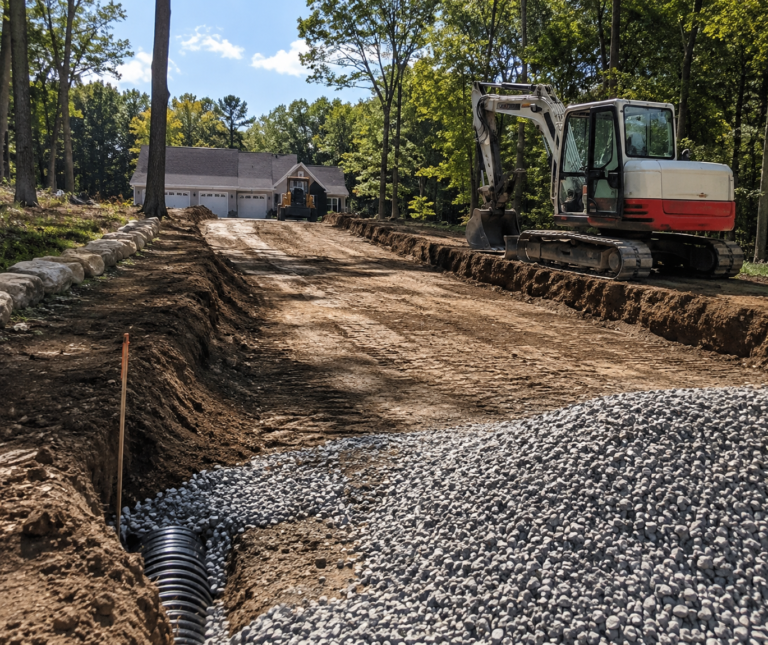
Driveway resurfacing often reveals problems with the underlying base material and grade. A new layer of asphalt or concrete applied over a poorly graded or unstable base will fail in the same way as the old surface. In many cases, proper driveway preparation requires re-grading the entire surface, removing failed base material, improving drainage along the edges, and compacting a fresh base before paving can begin.
Access road grading for larger properties and commercial sites follows the same logic. When base compaction and proper slope are established correctly the first time, paving contractors work on a stable, well-prepared surface. This coordination between excavation and paving trades is a hallmark of a well-managed site-prep project.
2.3. Commercial or Multi-Unit Development
Commercial site development and subdivision work involve a larger and more complex version of the same site-prep tasks. Grading for parking lots, coordinating utility layout across multiple lots, and managing drainage across larger impervious areas all demand higher-level planning and equipment capability. Connecticut commercial site preparation projects also face more regulatory scrutiny, with grading permits, stormwater management plans, and erosion control requirements that must be met before construction can proceed.
For multi-unit residential and commercial developments, coordinated site work ensures that utility trenching, drainage installation, and lot preparation happen in the correct sequence, so one trade does not undo the work of another.
3. Key Considerations When Choosing a Site-Prep Contractor
The contractor you select will shape the physical condition of your property for decades, so evaluating several key factors before committing is always worthwhile.
3.1. Licensing, Insurance, and Local Experience
- Verify Connecticut licensing: Confirm that the contractor is properly registered in the state and carries both general liability insurance and workers’ compensation coverage. These protections matter if damage or injury occurs during sitework on your property.
- Prioritize local experience: Look for firms that explicitly reference working with Connecticut soil conditions, including clay soils, shallow ledge, and freeze-thaw impacts. Contractors with documented experience in CT excavation are far more likely to anticipate regional challenges before they become costly surprises.
3.2. Equipment and Project-Scale Fit
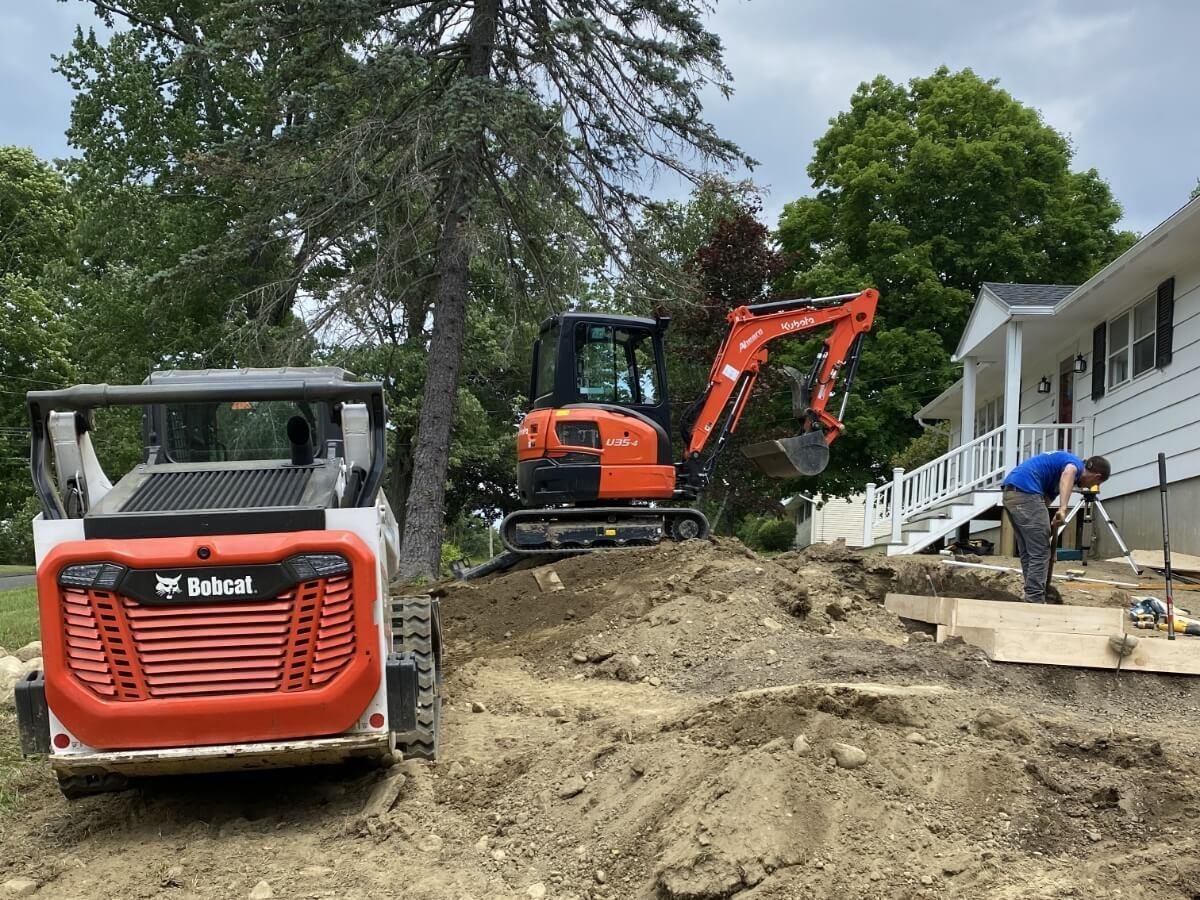
- Match equipment to project size: A well-equipped site-prep contractor maintains a range of tools, including excavators, dozers, backhoes, compactors, and trenchers. This versatility reduces delays caused by waiting on subcontracted equipment for specialized tasks like ledge removal or pond excavation.
- Confirm capability for your specific project: Small-lot grading for a single-family home requires different equipment and crew size than a large-scale subdivision or commercial pad. Ask the contractor directly how they will approach your project and what equipment they plan to bring to the site.
3.3. Clear Scope and Written Estimates
- Request itemized estimates: Ask for a breakdown that separates land clearing, rough grading, fine grading, rock removal, foundation excavation, and utility trenching. A single flat number provides very little protection if scope changes arise during the project.
- Require a written scope: A clear written scope should explain how cut-and-fill balance will be managed, where excess material will be hauled, and how drainage will be addressed throughout the site. This document protects both the property owner and the contractor if disagreements arise.
4. Legal, Regulatory, and Practical Considerations
Site preparation work in Connecticut does not exist in a regulatory vacuum. Local municipalities, state agencies, and environmental rules all intersect with grading, excavation, and drainage work in ways that can affect timelines and costs.
4.1. Permits and Local Regulations
Grading, erosion control, and some utility work may require permits or pre-approval from local planning departments, inland wetlands commissions, or health departments before excavation begins. Requirements vary by municipality, but larger cuts, fills, or changes to drainage patterns are the most common triggers. Ignoring these requirements can result in stop-work orders, fines, or requirements to restore the site at the owner’s expense.
Experienced Connecticut site preparation contractors are generally familiar with the permit landscape in the towns where they work. They can often identify which permits apply to a specific project and help owners navigate the approval process, which is one practical advantage of hiring someone with an established history in the state.
4.2. Safety and Best-Practice Standards
Proper trenching and shoring practices protect workers and neighboring structures during excavation. Trenches deeper than five feet require shoring, sloping, or shielding under federal safety standards, and reputable Connecticut excavation contractors follow these requirements as standard practice. Cutting corners on safety during foundation or utility excavation can lead to collapses, injuries, and significant liability.
Sitework involves heavy equipment operating in close proximity to existing utilities, neighboring lots, and sometimes active structures, so carrying the right insurance and following established safety procedures protects everyone involved.
5. The Site Preparation and Excavation Process
A well-managed Connecticut site preparation project follows a structured sequence that moves efficiently from raw land to construction-ready conditions. Understanding this workflow helps property owners know what to expect at each phase.
5.1. Step 1: Site Assessment and Planning
- Review surveys, soil reports, and building plans with the contractor to establish grades, drainage paths, and planned excavation areas.
- Confirm property lines and setbacks to prevent encroachment issues that could require costly correction later.
- Produce a site plan that documents proposed grades, major excavation zones, drainage flow, and utility corridors.
5.2. Step 2: Land Clearing and Debris Removal
- Clear trees, brush, stumps, and debris from all targeted construction and access zones on the lot.
- Sort and haul away waste materials; usable topsoil is often stockpiled on-site for use during fine grading and landscaping phases.
5.3. Step 3: Rough Grading and Cut-and-Fill
- Move earth using dozers, excavators, and graders to shape the lot according to the site plan, creating basic slopes and building pads.
- Balance cut areas with fill areas to minimize expensive soil hauls; an efficient cut-and-fill plan can meaningfully reduce material costs on larger sites.
5.4. Step 4: Foundation and Utility Excavation
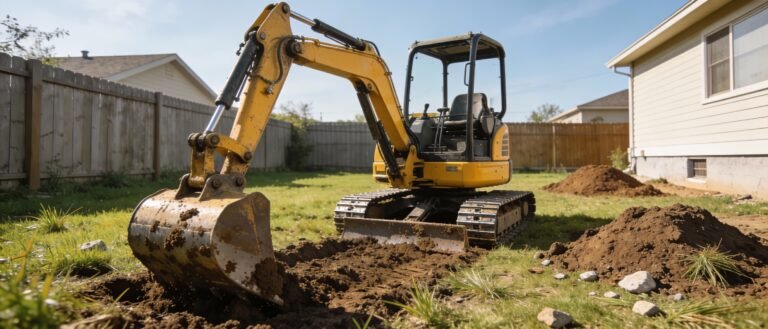
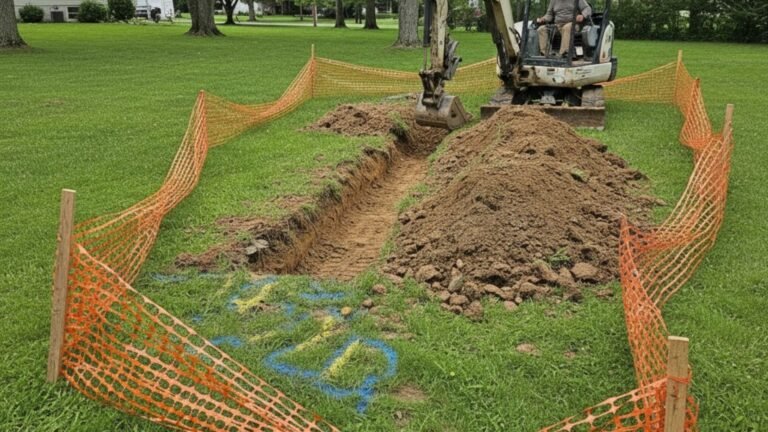
- Dig footings, basements, crawl spaces, and slab areas to engineering specifications, including precise depth control and proper battering on trench walls.
- Open trenches for water lines, sewer laterals, septic systems, gas, and electrical or data conduits in a sequence that aligns with the final grading and paving layout.
5.5. Step 5: Fine Grading and Compaction
- Refine slopes and pads until they are smooth and level enough for concrete pours or paving installation.
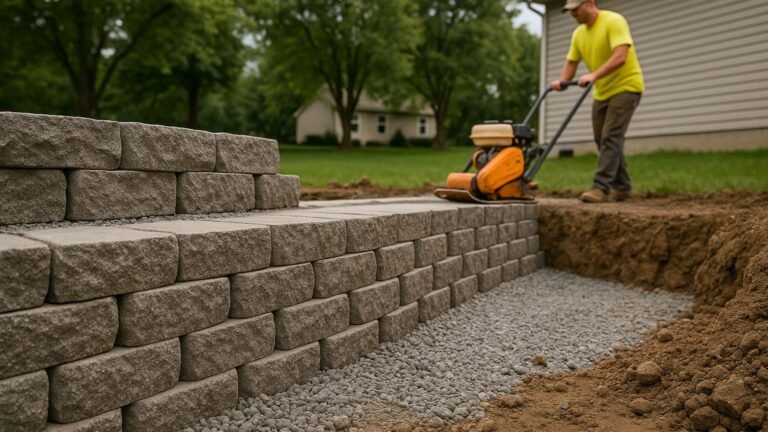
- Compact soils in lifts to reduce future settlement and provide a stable, load-bearing base for structures and paving.
5.6. Step 6: Drainage and Erosion Control
- Install swales, ditches, catch basins, and retention areas to direct stormwater away from structures and property boundaries.
- Apply silt fencing, erosion blankets, or temporary berms to protect the disturbed site from rainfall erosion during and after active construction.
6. Prevention and Long-Term Strategy
The investment in professional site preparation pays dividends well beyond the construction phase. Properties with properly graded and drained sites require less maintenance and fewer costly repairs over time.
6.1. Invest in Planning Up Front
Involving a site preparation contractor early in the design process, before finalizing architectural plans, allows the grading and drainage design to be integrated with the building layout from the start. This avoids situations where a house plan does not account for a natural drainage course or a pocket of poor soil that only becomes apparent once excavation begins. Early contractor involvement in Connecticut site preparation projects consistently reduces change orders and unexpected costs.
6.2. Maintain Proper Grading and Drainage
Even well-prepared sites benefit from periodic inspection of slopes, downspouts, and drainage features. Settlement over time can alter grades enough to redirect water toward a foundation. Keeping swales and catch basins clear and ensuring that additions or landscaping changes do not disrupt the original drainage design protects the initial investment for years.
6.3. Partner with a Consistent Contractor
Working with the same excavation contractor across multiple projects simplifies future work. A contractor already familiar with a property’s soil conditions, utility layout, and grade history can mobilize more efficiently and avoid redundant investigation. This ongoing relationship is especially valuable for property owners managing multiple lots or planning phased commercial site development over several years.
Common Pitfalls
Even experienced builders and property owners make avoidable mistakes during the site preparation phase.
- Skipping or rushing the planning phase: Moving equipment onto a site before surveys are reviewed and a grading plan is in place almost always leads to poor drainage outcomes and rework that costs more than the time saved.
- Choosing the lowest bid without checking qualifications: The least expensive estimate may reflect a contractor who lacks the right equipment, experience with CT soil conditions, or proper insurance coverage. A low bid that leads to rework ends up costing far more than a thorough, fairly priced proposal.
- Ignoring permit and erosion control requirements: Proceeding without required grading or erosion control permits exposes owners to stop-work orders and restoration costs that can halt an entire project timeline.
- Failing to coordinate with other trades: When utility trenching, paving, and landscaping contractors are not sequenced properly with the site-prep phase, areas that have already been graded or compacted may need to be disturbed again, wasting time and money for everyone involved.
Frequently Asked Questions About Site Preparation and Excavation in Connecticut
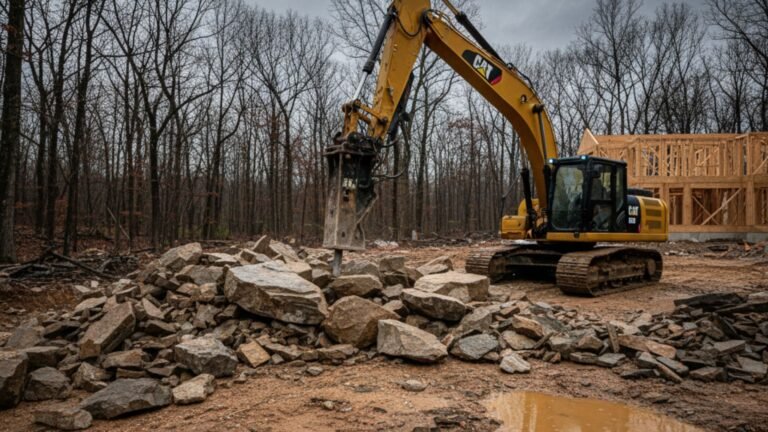
Q: What does site preparation and excavation actually include? A: It typically covers land clearing, rough grading and fine grading, foundation excavation, utility trenching, drainage installation, and pad preparation for homes, driveways, or commercial sites. Some Connecticut site preparation contractors also offer rock and ledge removal, pond excavation, and retaining wall excavation as part of a full-service package.
Q: When should I schedule site preparation for a new home? A: Site work usually begins after the lot is permitted and plans are finalized, before pouring footings or slabs. Scheduling the site preparation contractor before other trades allows the lot to be properly shaped and drained to match the foundation plan, reducing conflicts and delays later in the project.
Q: Do I need a permit for grading and excavation in Connecticut? A: Many Connecticut municipalities require grading or erosion control permits, particularly for significant cuts, fills, or changes to existing drainage patterns. Requirements vary by town, so working with a contractor experienced in local CT regulations is the most reliable way to confirm what approvals are needed before work begins.
Q: How long does site preparation take on a typical single-family lot? A: On a standard residential lot, site prep often takes several days to a week, depending on the amount of clearing required, whether ledge removal is needed, and the complexity of the grading and drainage plan. Larger or more complicated sites may require longer timelines.
Q: Can site preparation help fix recurring water problems? A: Yes. Professional grading, drainage installation, and erosion control measures can redirect surface water and subsurface flow away from foundations and other structures. In many cases, regrading and adding swales or French drains resolves chronic moisture problems that previous owners assumed were unavoidable.
Q: How do I know if I am hiring a qualified site preparation contractor? A: Look for proper Connecticut contractor licensing, adequate general liability and workers’ compensation insurance, a fleet of appropriate equipment, itemized written estimates, and references from similar CT projects. A qualified contractor should be comfortable walking you through their planned approach to your specific site conditions before any work begins.
Final Thoughts
Site preparation and excavation in Connecticut rewards careful planning and penalizes shortcuts. From land clearing and rough grading to foundation excavation and drainage installation, each phase builds on the one before it. A properly prepared site protects your investment, supports long-term structural integrity, and eliminates many of the drainage and settling problems that plague properties where this phase was rushed or underbudgeted.
At Prestige CT Excavation and Drainage, we provide the full range of site preparation services that Connecticut property owners and builders need to take a project from raw land to construction-ready. From our base in Oxford, CT, and Seymour, CT, we serve residential and commercial clients throughout the region with excavation, land clearing, forestry mulching, grading, stump grinding, drainage solutions, tree removal, retaining wall construction, rock removal, earth moving, and driveway and roadway excavation and paving prep. If your project needs a site preparation contractor in CT with the equipment, experience, and local knowledge to get it done right, contact us to schedule a consultation or request a written estimate.