Services
Land Development & Clearing Services in Connecticut
Prestige Property Maintenance handles the full clearing sequence for residential and commercial properties across 19 towns in the Naugatuck Valley and western Connecticut, from initial tree removal and forestry mulching through stump grinding and final site cleanup.
What Does Land Development & Clearing Include?
Land development and clearing is the work that happens before any construction, grading, or landscaping can begin. It means removing trees, brush, stumps, and overgrown vegetation from a parcel so the ground underneath is accessible, stable, and ready for whatever comes next. Prestige Property Maintenance provides four connected clearing services: land clearing, forestry mulching, stump grinding, and tree removal. Depending on your property and your end goal, a project might use one of these services or all four in sequence. Most residential jobs in Connecticut run from a single-day stump removal to multi-day clearing of a raw wooded lot, and Prestige Property Maintenance handles both.
What Types of Properties Need Land Clearing in CT?
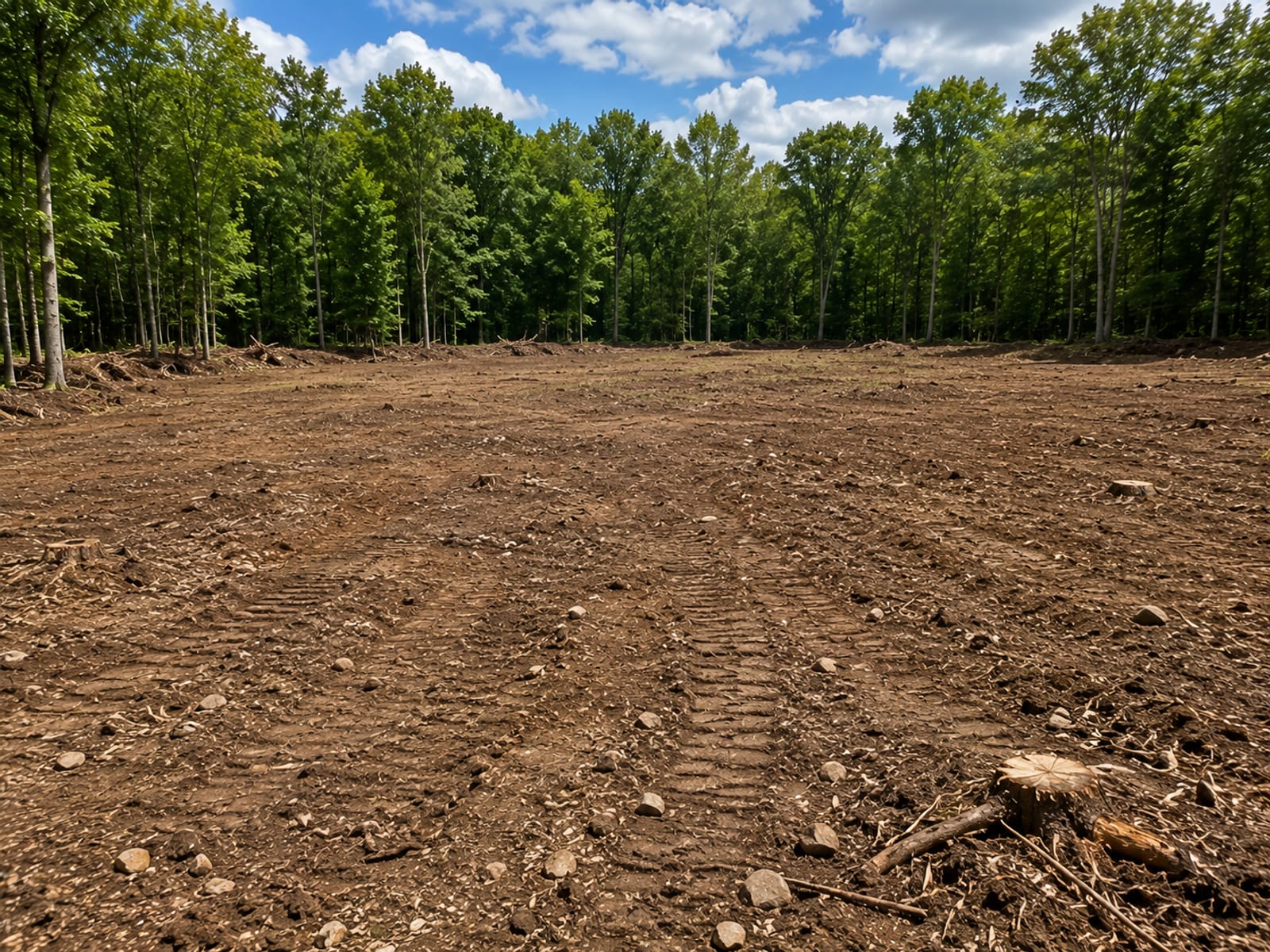
A lot of Connecticut homeowners come to Prestige Property Maintenance with the same basic situation: they own land they cannot fully use. Maybe it is a back half of a semi-rural lot that has gone completely wild over the years. Maybe it is a wooded parcel they bought to build on, or a sloped section that has grown too thick to maintain. In every case, the vegetation itself is not the whole problem. Overgrown land tends to hide drainage issues, buried rock, old stumps, and unstable slopes that all need attention once the trees come down.
Residential clearing jobs in the Naugatuck Valley typically involve larger lots of an acre or more, with mature trees, heavy brush, stumps from past tree work, and Connecticut's characteristic rocky, clay-heavy glacial soil underneath. That last part matters more than most homeowners expect. Connecticut's ground is not just dirt. It has ledge close to the surface, buried boulders, and clay pockets that hold water. Clearing crews who have not worked this terrain regularly will run into surprises that slow a job down significantly.
Commercial developers and builders also call Prestige Property Maintenance for raw site clearing before foundation work, utility installation, or road building begins. The clearing scope on a commercial job is usually larger, but the sequencing is the same: trees come out first, stumps get ground or pulled, and then the grading and excavation equipment can move in cleanly.
A clearing project does not have to mean stripping everything to bare dirt. Some homeowners want selective clearing to open sightlines, thin out overcrowded growth, or remove specific problem trees while leaving healthy ones standing. Prestige Property Maintenance works through the project scope with you before equipment hits the ground so the right method gets used for the right situation.
Land Clearing, Forestry Mulching, Stump Grinding, and Tree Removal: What's the Difference?
Each of these services solves a different part of the clearing problem. Understanding how they connect helps you know what your project actually requires.
Land Clearing
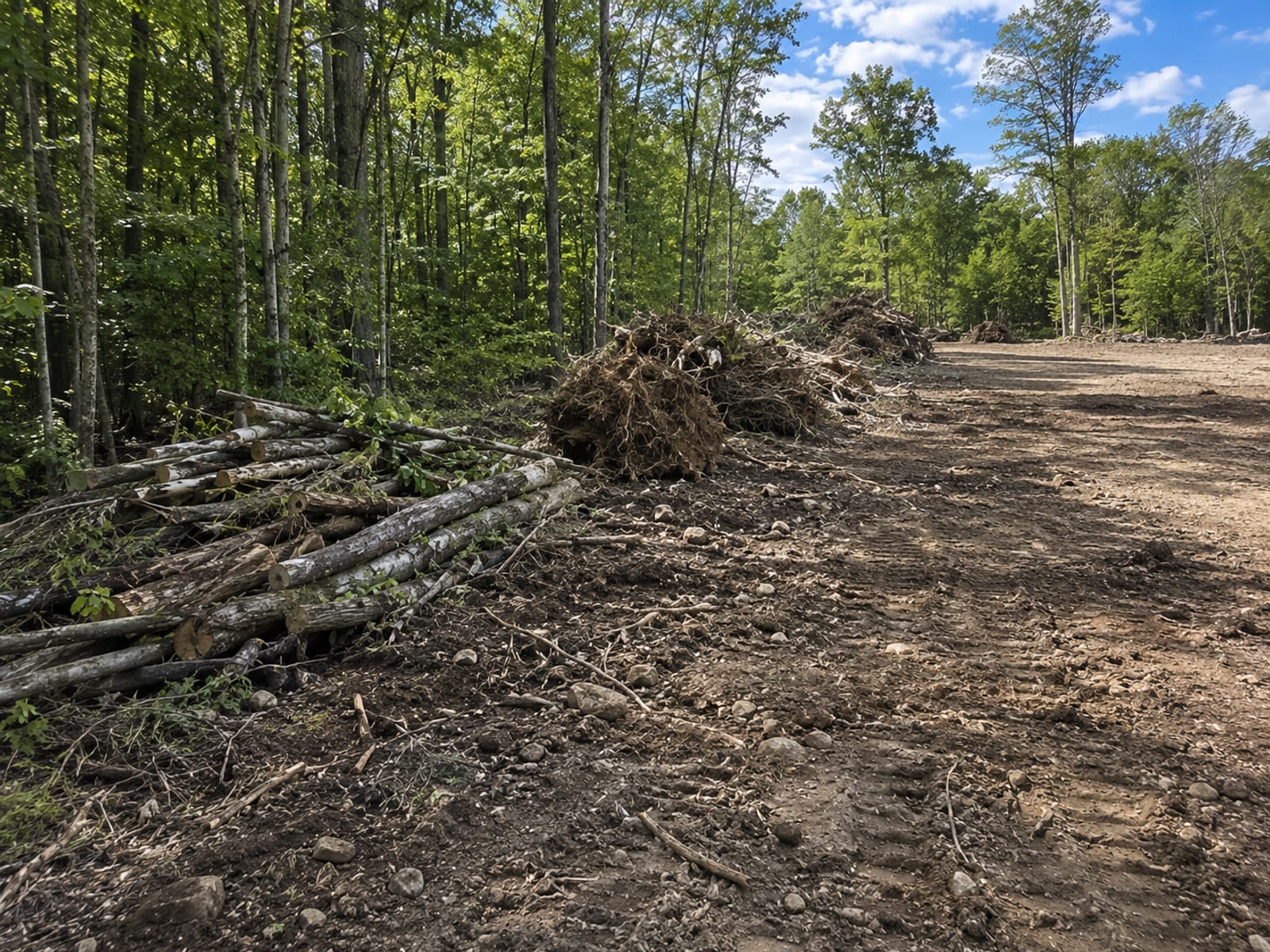
Land clearing is the broadest service in this group. It covers the removal of trees, brush, stumps, and debris from raw or overgrown parcels. The goal is to open land for construction, development, or agricultural use. A full land clearing project on a wooded lot typically involves tree felling, brush removal, stump handling, and debris management in a defined work sequence. It is the starting point when a property needs to go from wooded to workable.
Learn more about Land ClearingForestry Mulching
Forestry mulching uses a tracked or wheeled machine with a high-speed drum head to cut trees, brush, and saplings at the base and grind them into mulch on the spot. The mulch stays on the ground, which means no hauling, no dump runs, and no burn piles. For overgrown residential lots, trail clearing, invasive vegetation removal, and parcels where debris removal would be difficult or expensive, mulching is often the faster and more efficient method. It works especially well when the goal is clearing without stripping all ground cover, since the mulch layer helps protect the soil surface.
Learn more about Forestry MulchingStump Grinding
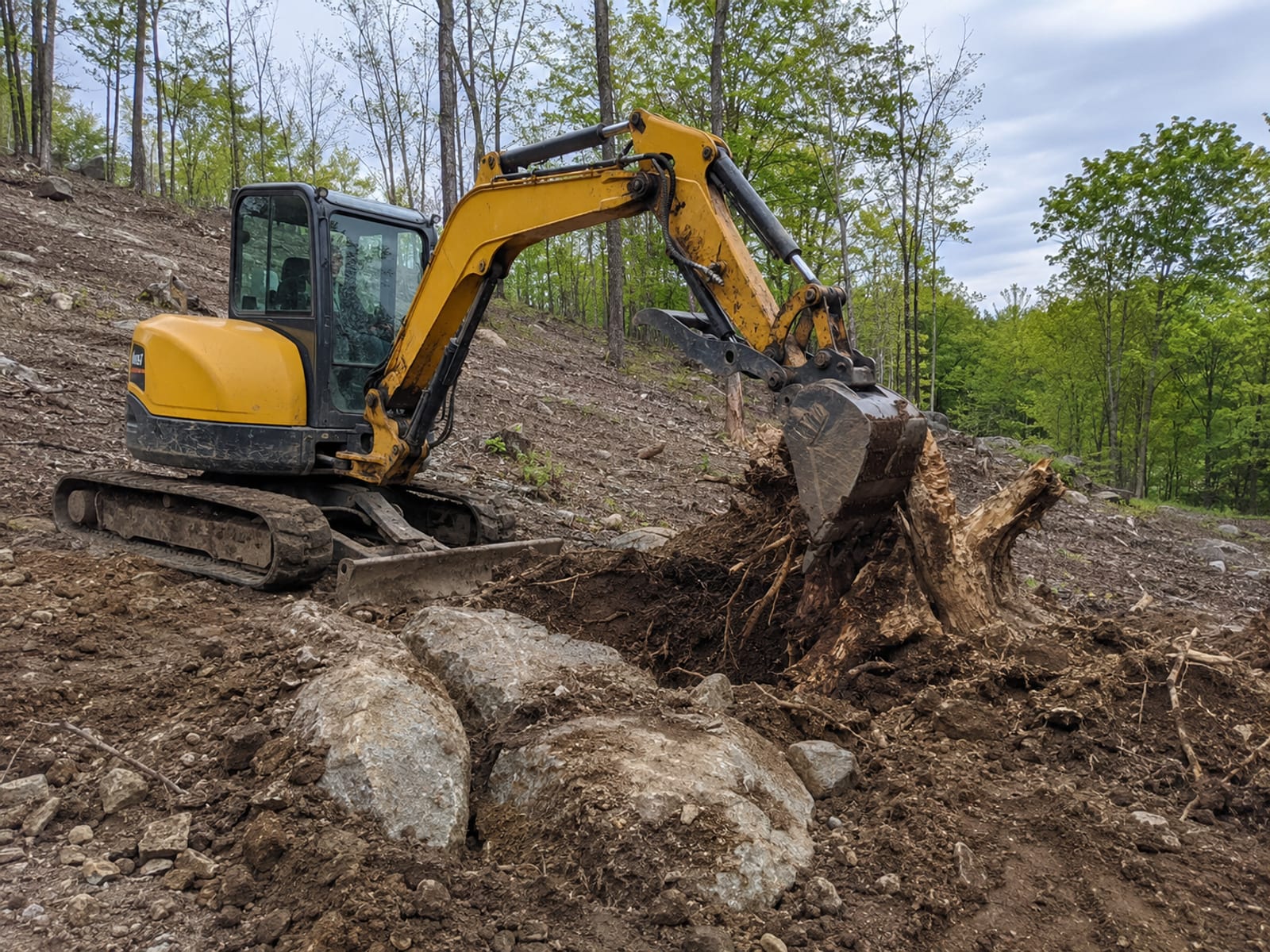
Stump grinding removes what is left after a tree comes down. A stump grinder cuts the stump and main surface roots below grade level, leaving ground material that can be raked out and covered. Once stumps are ground, the area can be graded, seeded, or built over without obstruction. If you have had trees removed over the years and are left with a yard full of stumps that make mowing and development impossible, stump grinding is the direct answer. It is also a standard step in any full clearing sequence before grading equipment moves in.
Learn more about Stump GrindingTree Removal
Tree removal at Prestige Property Maintenance means the full job: felling, limb cleanup, and removal of the wood and debris from the property. This service handles hazardous trees that are leaning toward structures, dead or diseased trees that pose a risk, and trees that are simply in the way of a planned project. Tree removal can be a standalone job when one or two trees need to come out, or it can be the first step in a larger clearing and grading project.
Learn more about Tree Removal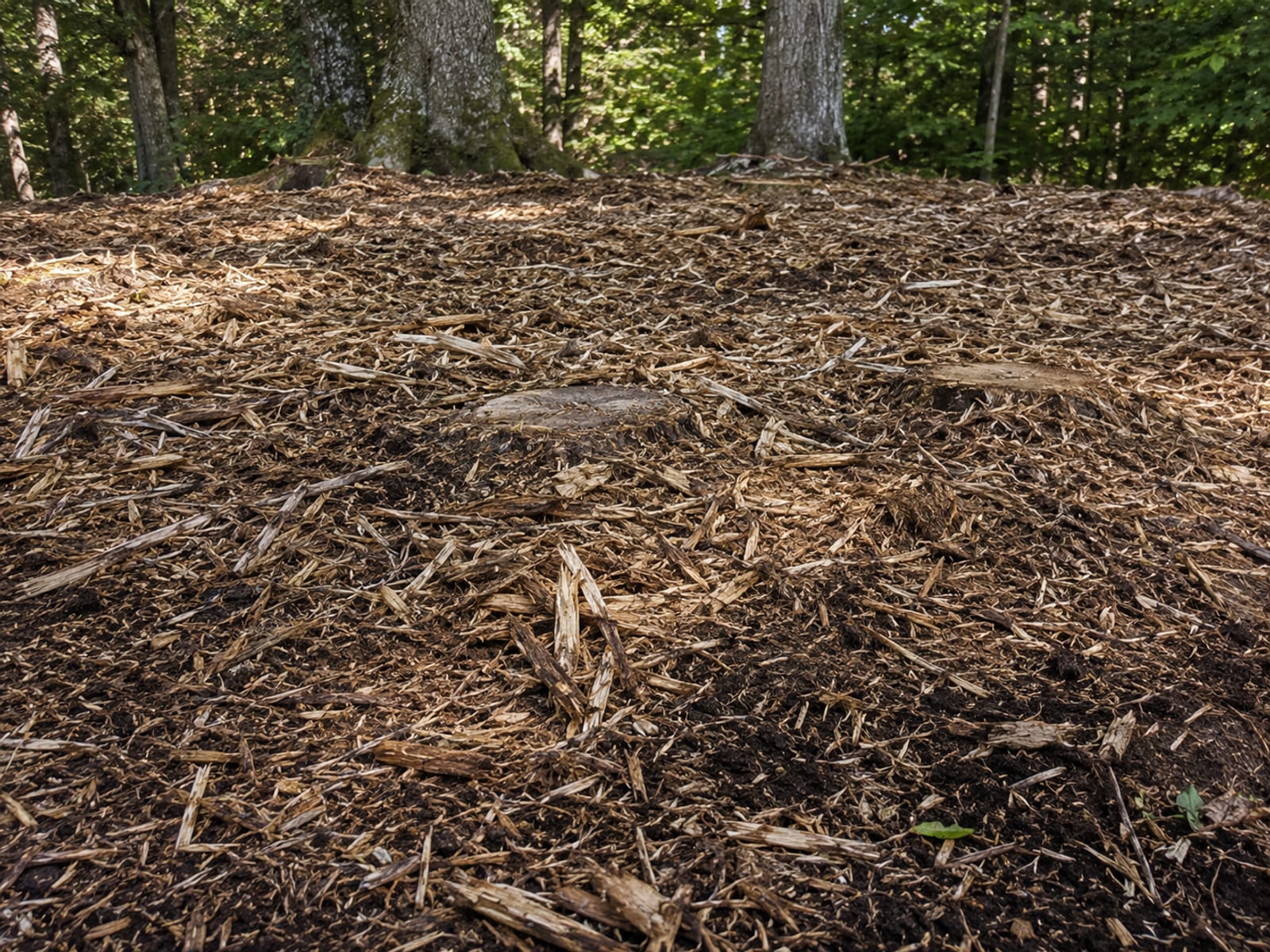
How Does the Clearing Process Work From Start to Finish?
Every clearing project at Prestige Property Maintenance follows a defined sequence. Here is how a typical project moves from initial contact to finished site.
Step 1: Site Walk and Scope Review
Before any equipment is scheduled, the team reviews the property, access points, wetland proximity, property boundaries, and your end goal for the land. This step sets the project scope, identifies any permit considerations under Connecticut's inland wetlands rules, and determines which combination of services fits the job. It also surfaces ground conditions that could affect the approach, like steep slopes, drainage problem areas, or rocky terrain close to the surface.
Step 2: Utility Mark-Out
Connecticut law requires that underground utilities be marked before any ground disturbance begins. Prestige Property Maintenance follows the Call Before You Dig process on every project involving ground work. This step protects the property, the crew, and the utility lines buried beneath the surface.
Step 3: Tree Removal and Selective Clearing
Larger trees that need to be felled come out first. The team works in a planned order based on access, fall direction, proximity to structures or fences, and what equipment will need to move through the site afterward. Debris from felled trees is managed on-site or staged for removal, depending on the project plan.
Learn more about Tree RemovalStep 4: Forestry Mulching or Brush Clearing
Once the major trees are down, remaining brush, saplings, and overgrown vegetation are handled. If forestry mulching is part of the plan, the mulcher moves through the cleared areas and processes remaining growth into ground-level material. If the project requires full debris removal instead, brush is cleared and managed for disposal.
Learn more about Forestry MulchingStep 5: Stump Grinding
Stumps from felled trees and any pre-existing stumps in the clearing area get ground to below grade. The depth of grinding depends on what is happening to the land next. A lawn area needs shallower grinding than a building pad or a section that will be graded and compacted for a driveway.
Learn more about Stump GrindingStep 6: Site Cleanup and Handoff
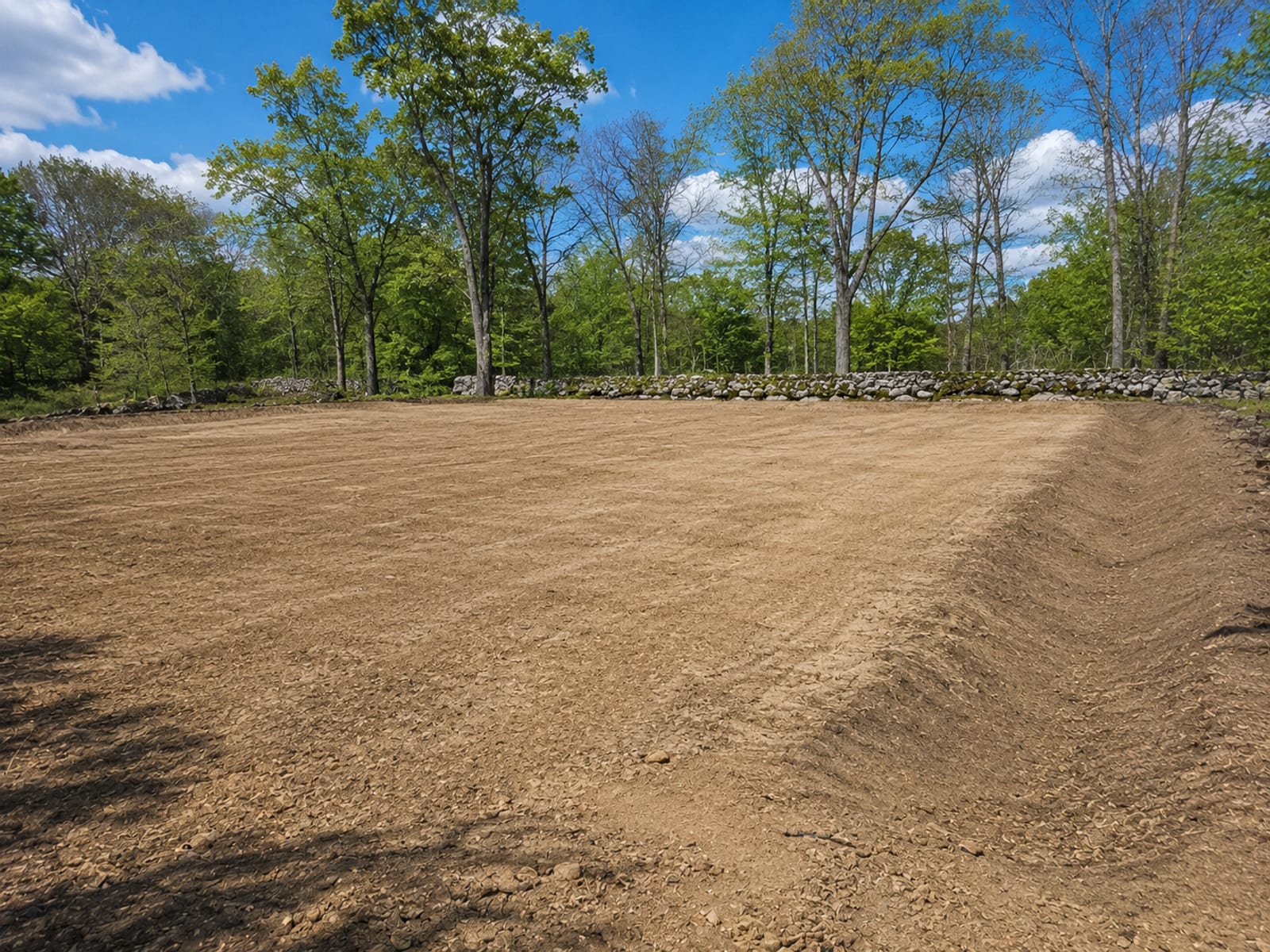
After clearing is done, the site gets a final pass. Debris, wood chips, and ground material are managed according to the plan. If grading, excavation, or drainage work is the next step, the cleared site is ready for that equipment to come in. Prestige Property Maintenance can handle that follow-on work directly, which removes the scheduling gap that comes with coordinating two separate contractors.
What Should You Know About Permits and Wetlands Before Clearing in Connecticut?
Connecticut's inland wetlands and watercourses are regulated at the local level, meaning your town's inland wetlands agency handles permit applications for regulated activity near wetlands or watercourses. If your property has wetlands, a wetland buffer, or a watercourse running through or adjacent to it, clearing work that falls within a regulated area typically requires a permit application before work can start. The specific setback distances and regulated zones vary by municipality.
Tree removal rules outside wetland areas are also more local than statewide for many private-property situations. Some Connecticut towns regulate tree work in scenic road zones, historic districts, conservation areas, and subdivisions with tree protection conditions. If your parcel is subject to any of these designations, a quick check with your town planning or zoning office before scheduling clearing work can save you from stopping a job partway through.
Stump grinding is generally less regulated than full tree removal in most situations, but the surrounding disturbance, site access, debris management, and erosion risk can still trigger review if the work is near a regulated area. Connecticut's soil erosion and sediment control guidelines also apply to clearing projects that disturb significant ground area, particularly on sloped lots where runoff is a concern.
Prestige Property Maintenance approaches every project with site conditions and regulatory requirements in mind. The team walks properties, identifies obvious wetland indicators and boundary markers, and works with property owners to clarify what permits may be needed before scheduling begins. That upfront review is part of what makes a project run cleanly from start to finish in Connecticut's regulatory environment.
Why Work With Prestige Property Maintenance for Land Clearing?
There are a lot of contractors in Connecticut with a chainsaw and a pickup truck. Here is what separates a full land development and clearing operation from a single-trade tree service.
One Crew From Clearing to Grade
When tree removal, forestry mulching, stump grinding, and land clearing are all handled by the same crew, there is no scheduling gap between the tree service finishing and the excavating contractor showing up. Prestige Property Maintenance connects clearing directly to grading, drainage, excavation, and retaining wall work, so the project moves forward without the delays that come from coordinating multiple specialty subs.
Forestry Mulching as a Standalone Option
Most local excavating contractors do not offer forestry mulching. Having a mulching machine in the fleet means Prestige Property Maintenance can offer a faster, cleaner clearing method for overgrown lots, trail development, invasive species removal, and properties where hauling debris off-site would be impractical or expensive. It is a real equipment capability, not a service added by subcontracting out.
Learn more about Forestry MulchingBuilt for Connecticut Ground Conditions
Rocky glacial soil, ledge close to the surface, clay pockets that hold water, and buried boulders are standard conditions across Oxford, Shelton, Woodbury, Naugatuck, and the other towns in the service area. Prestige Property Maintenance crews work this terrain regularly, which means equipment choices, clearing methods, and stump grinding depths are calibrated to what is actually in the ground here.
Licensed and Insured
Prestige Property Maintenance is fully licensed and insured, holding HIC# 0704432 and carrying the coverage that protects property owners on any clearing or excavation project. Before any contractor puts equipment on your land, ask to see proof of insurance. It is the first check a serious property owner should make.
19-Town Service Area in Western Connecticut
Prestige Property Maintenance serves Oxford, Derby, Bethany, Seymour, Ansonia, Shelton, Monroe, Bridgewater, Roxbury, Woodbury, Middlebury, Southbury, Naugatuck, Woodbridge, Prospect, Newtown, Oakville, Watertown, and Wolcott. For property owners with parcels that cross town lines, or projects that require multiple site visits across a wider area, having one contractor covering the full region makes logistics significantly easier.
Common Questions About Land Clearing and Forestry Mulching in Connecticut
Answers to the questions Connecticut property owners ask most often before scheduling a clearing project.
Does forestry mulching work better than traditional land clearing for overgrown lots?
Forestry mulching works well for lots where the main goal is removing brush, saplings, invasive growth, or light-to-medium tree cover without stripping the site down to bare soil. The mulch material left on the ground helps protect exposed areas from erosion. Traditional clearing with felling, brush removal, and debris hauling is the better choice when the site needs full root removal, building pad preparation, foundation excavation, or compacted sub-base work, since those projects cannot leave ground-level mulch in place. Many projects use mulching for brush and perimeter areas, then switch to full clearing for the build zone.
Do I need a permit to clear trees or brush on my Connecticut property?
Permit requirements depend on where your property is, what is being cleared, and how close the work comes to wetlands, watercourses, or other regulated areas. Connecticut's inland wetlands are regulated locally, so any clearing within or adjacent to a regulated wetland buffer typically requires a permit from your municipality's inland wetlands agency before work begins. Outside regulated areas, some towns also have their own rules covering tree removal in scenic road zones, conservation areas, or subdivisions with tree protection conditions. Checking with your town's planning or wetlands office before work starts is the safest way to know what applies to your specific parcel.
How deep does stump grinding go, and does it matter for what I'm doing with the land?
Standard stump grinding removes the stump and visible surface roots to several inches below grade, which is sufficient for lawn areas, seeding, or general site cleanup. If the area is being graded, built over, or used as a sub-base for a driveway or building pad, grinding needs to go deeper to clear material that would otherwise interfere with compaction and settlement. When Prestige Property Maintenance reviews a stump grinding job, the intended use of the ground afterward is part of the conversation so the grinding depth matches what the next step actually needs.
Can Prestige Property Maintenance handle the grading and excavation after clearing is done?
Yes. Grading, excavation, drainage solutions, and retaining wall construction are all part of the Prestige Property Maintenance service list, so cleared land can move directly into site preparation work without handing the project off to a different contractor. This matters most on projects where the sequence matters, such as clearing followed by grading, installing a French drain, and building a retaining wall on a sloped lot. Having one crew manage the full sequence reduces scheduling delays and keeps responsibility for the finished result in one place.
What should I ask any land clearing contractor before they start work on my property?
Ask for proof of general liability insurance and workers' compensation coverage before any equipment comes on your land. Ask whether utilities will be marked before ground disturbance begins, and ask how the contractor handles wetland proximity if your property has any. A written scope of work that describes what is being cleared, how debris will be managed, what happens to stumps, and what the finished site condition will look like protects both parties and sets a clear standard for the job. Also ask whether the contractor has worked in your town before, since local familiarity with soil conditions, access constraints, and municipal permit processes is a practical advantage on Connecticut clearing projects.
How long does a land clearing project typically take in Connecticut?
Project duration depends on parcel size, tree density, terrain, the method being used, and what comes after clearing. A single-day job might cover a small overgrown lot or a targeted stump grinding session after earlier tree work. A multi-day project clearing a wooded acre or more for construction usually involves a planned sequence of felling, mulching or brush removal, stump grinding, and site cleanup spread across two to five days depending on site conditions. Prestige Property Maintenance reviews these factors during the site walk so the timeline is realistic before work starts.
Is tree removal included in a full land clearing project, or is it priced separately?
On full land clearing projects, tree removal is typically part of the overall clearing scope rather than a separate add-on, since felling and removing trees is usually the first step in the clearing sequence. When tree removal is the only need, such as taking down one or two hazardous trees with no further clearing or grading work involved, it can be scheduled as a standalone service. Prestige Property Maintenance walks the project scope with you at the start so the estimate reflects exactly what needs to happen and in what order.
Explore Land Development & Clearing Services
Each service below has its own page with the full process and what Connecticut property owners can expect.
Land Clearing
Clearing trees, brush, and debris to open up and prepare your property.
Learn more about Land ClearingForestry Mulching
Single-pass clearing that grinds brush and undergrowth into nutrient-rich mulch.
Learn more about Forestry MulchingStump Grinding
Grinding stumps below grade to reclaim space and stop regrowth.
Learn more about Stump GrindingTree Removal
Safe removal of unwanted, damaged, or hazardous trees from your property.
Learn more about Tree Removal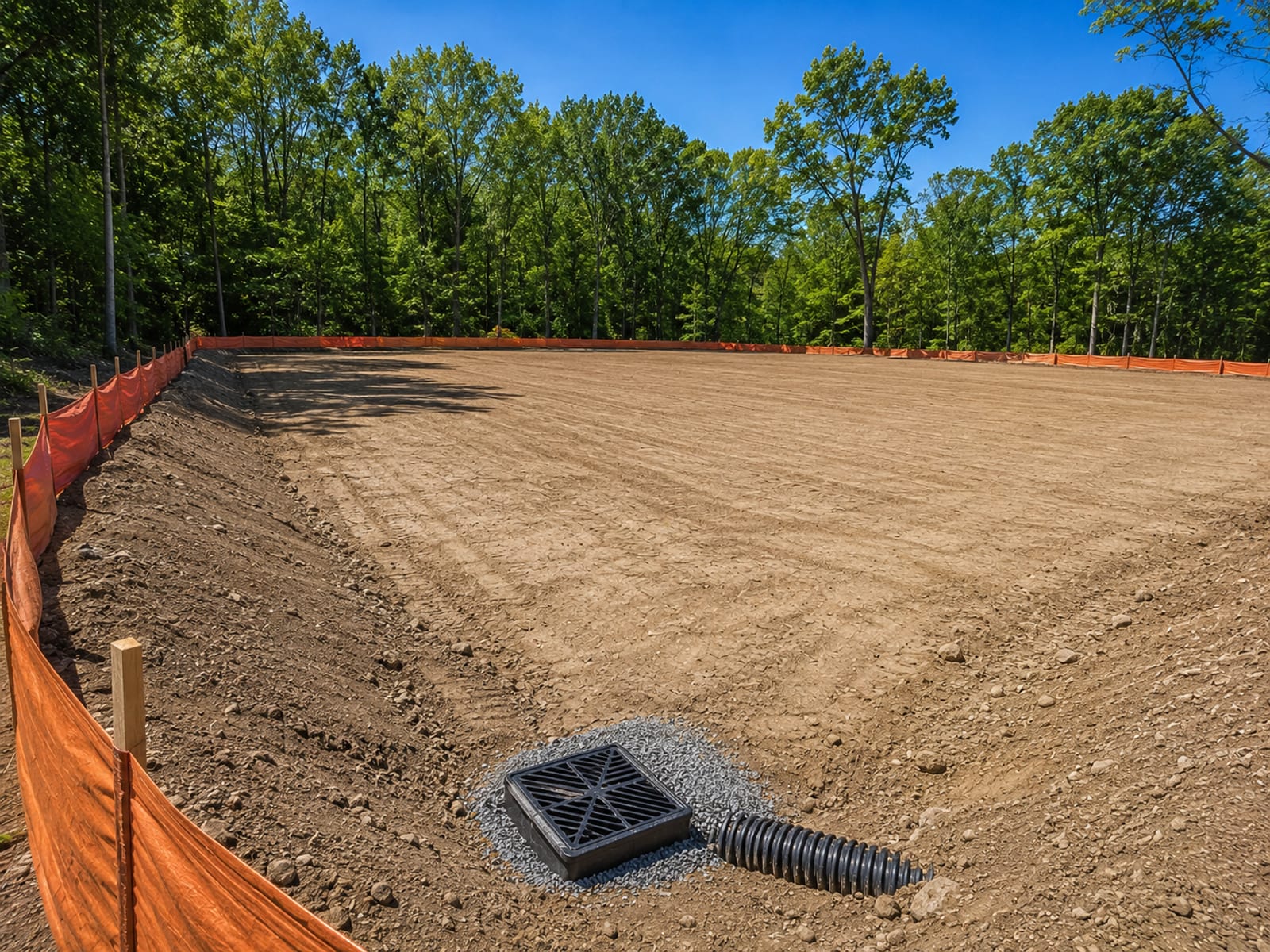
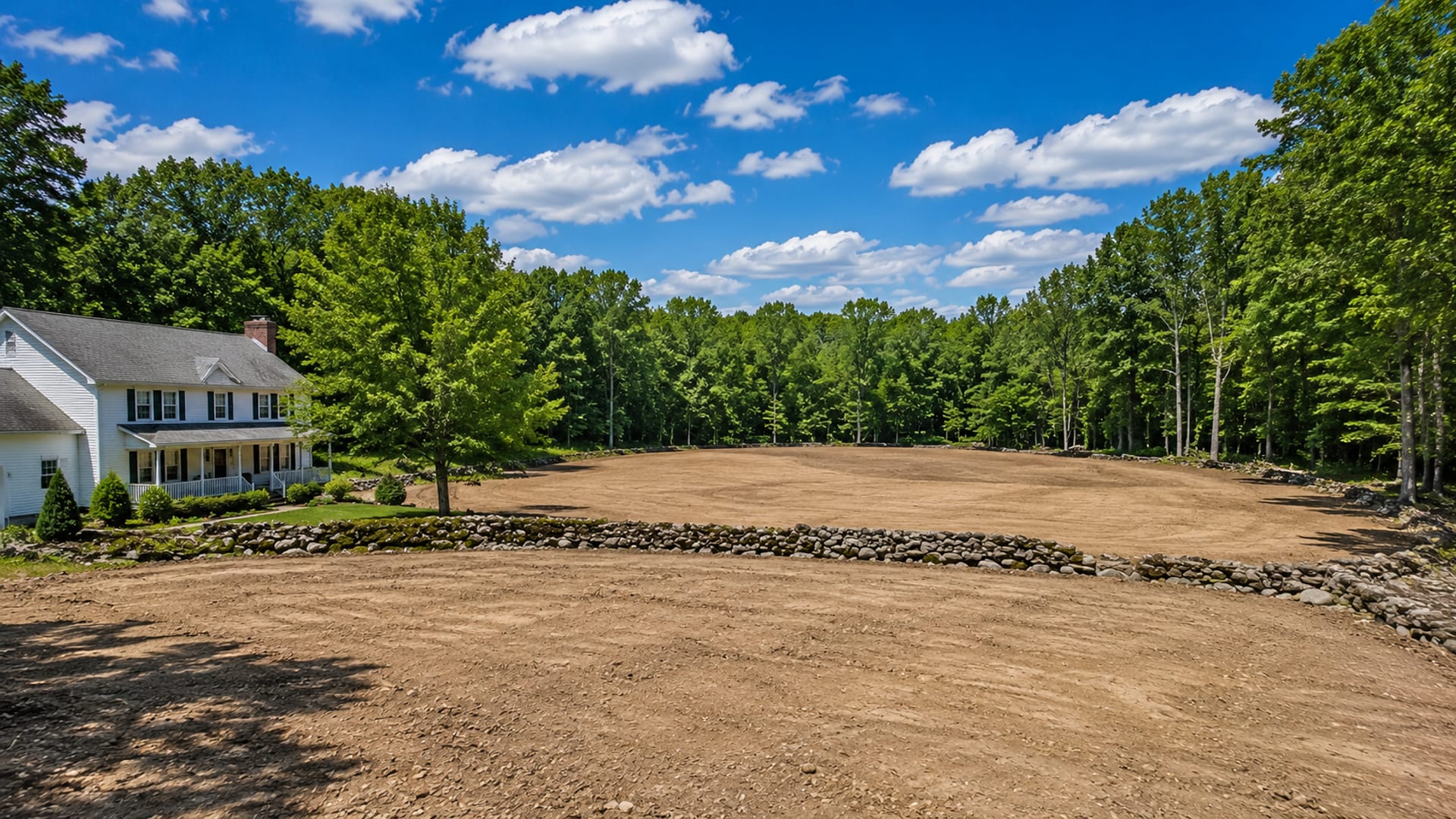
Ready to Clear Your Property? Contact Prestige Property Maintenance
Call (203) 258-3395 or email dig@prestigectexcavation.com to schedule your site visit. Come prepared with your property address and a rough idea of what you would like to do with the land afterward. That context helps the team give you a plan that fits the whole project, not just the first step.