Landscape Construction
Landscape Construction in Oxford, CT and Surrounding Communities
Prestige Property Maintenance handles the site-level ground work that makes finished outdoor spaces possible, from graded planting areas and boulder placement to full ground preparation across 19 towns in the Naugatuck Valley and western Connecticut.
What Is Landscape Construction and What Does It Include?
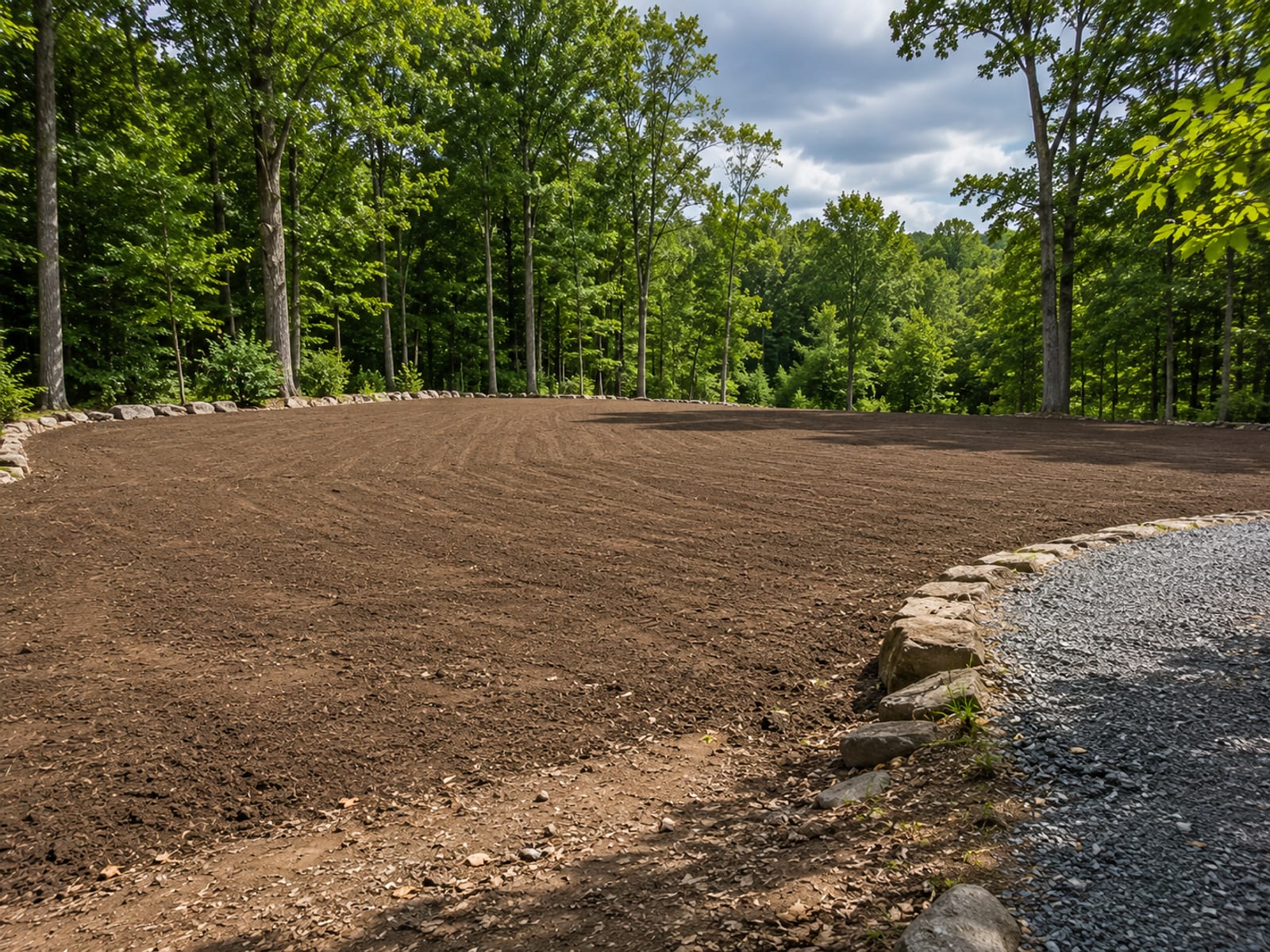
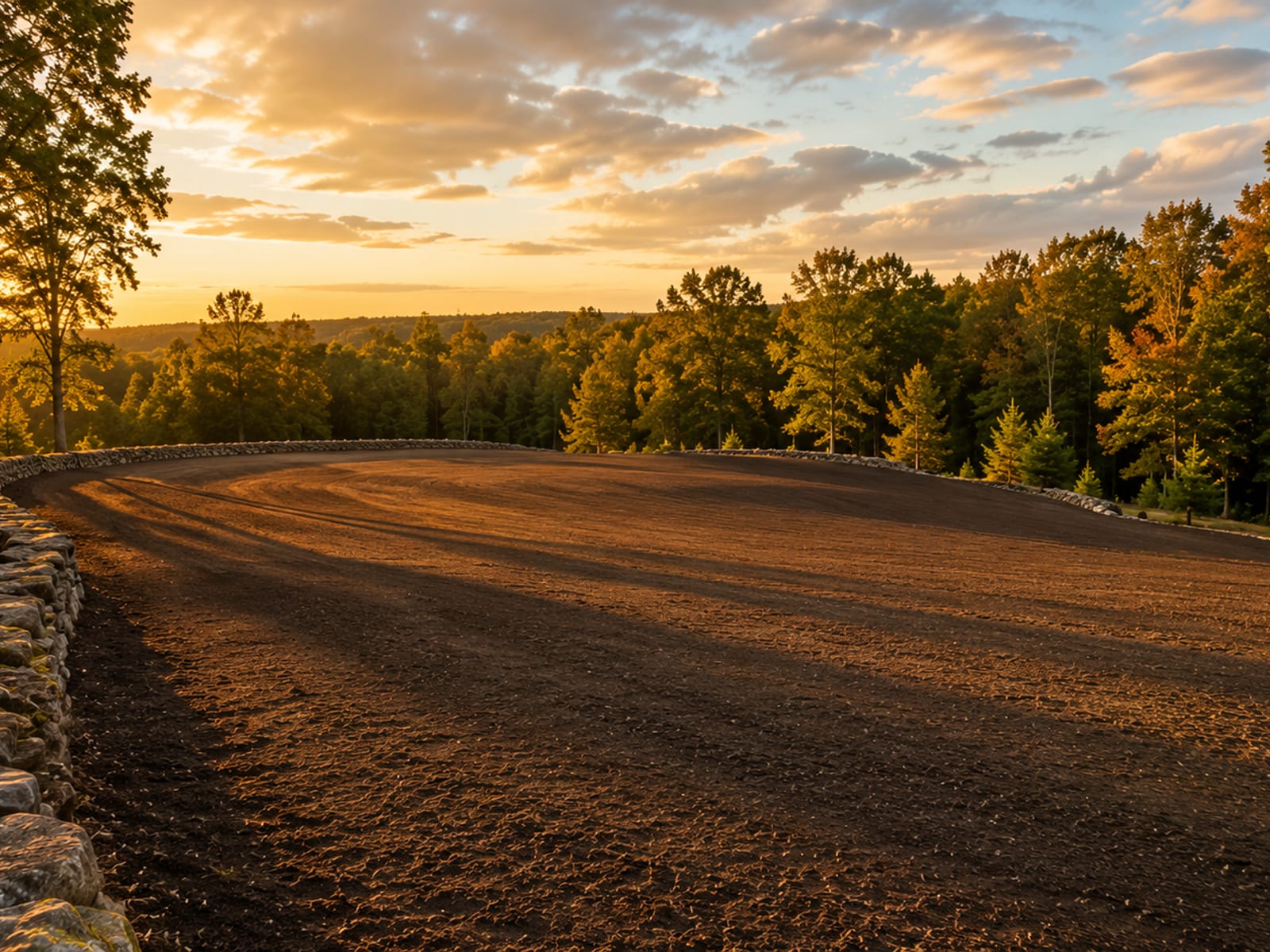
Landscape construction is the ground-level site work that happens before any finished outdoor space comes together. It covers grading planting areas to the right slope, placing boulders and natural stone features, and preparing ground that is stable, properly drained, and ready for whatever comes next, whether that is seeding, hardscape installation, or finished plantings. Prestige Property Maintenance handles this work as part of a broader site process that can also include excavation, drainage solutions, and retaining wall construction, so the ground your finished yard sits on is built right from the start. Most residential landscape construction projects in the Naugatuck Valley involve a mix of grading work, drainage corrections, and ground preparation completed over one to several days depending on scope.
What separates landscape construction from simple lawn work is the equipment and planning it requires. Rocky, clay-heavy Connecticut soils do not respond well to surface fixes. When the grade is wrong, water pools. When the base is poorly prepared, plantings fail and hardscape settles. The right approach starts with understanding what the ground is doing and what it needs before any material goes in or comes out.
Prestige Property Maintenance has been working in Connecticut's glacial soils since 2015. The crews here have seen the full range of conditions that come with western Connecticut properties: buried ledge, high clay content, seasonal wet areas, and steep grades that need careful shaping before a yard becomes truly usable.
Why Connecticut Properties Need This Kind of Ground Work
Connecticut's soil is not forgiving. Glacial deposits left behind layers of clay, gravel, boulders, and ledge rock that vary from one section of a yard to the next. A property in Southbury or Woodbury that looks flat on the surface can have serious drainage problems hiding underneath, or a grade that sends runoff directly toward a foundation or into a neighbor's yard.
Homeowners on larger rural lots in towns like Monroe, Newtown, and Roxbury often run into a specific challenge: the land looks like it has potential, but it cannot be used the way they want until the ground itself is addressed. Low spots collect standing water. Steep banks erode after every rain. Areas near the house stay soggy because the slope is pulling water in rather than away. These are not landscaping problems. They are site problems, and they need a contractor with excavation and grading equipment, not a rake and a load of topsoil.
That is the kind of work Prestige Property Maintenance is set up to do. Combining land clearing, grading, drainage solutions, and landscape construction under one crew means you do not have to coordinate a separate excavating sub, a drainage contractor, and a landscape crew. The same equipment and the same team handle the full sequence, which cuts down on scheduling gaps and keeps the project moving.
What Does the Landscape Construction Process Look Like?
Every property is different, but the process Prestige Property Maintenance follows covers the same core stages to make sure the ground work is done right before anything else goes in.
Site Assessment
Before any equipment moves, the crew walks the property to check slope, drainage patterns, soil conditions, existing trees and stumps, equipment access points, and any areas with wetlands or sensitive drainage. This step shapes everything that follows. Connecticut properties often have conditions that are not visible from the road, so a thorough look at the site prevents surprises mid-project.
Scope Definition and Layout
Once the site is understood, the project scope gets defined clearly. That means marking out what areas will be graded, where boulders or stone features will be placed, which low spots need to be filled or redirected, and what the finished grade needs to accomplish. Whether the goal is a level lawn area, a planted slope that holds in rain events, or a prepared base for future hardscape, the layout is set before any ground gets disturbed.
Utility Marking and Permit Check
Before any digging or grading begins, underground utilities need to be located through Connecticut's Call Before You Dig system. Depending on the project, the work may also touch on municipal zoning, inland wetlands review, stormwater requirements, or erosion and sediment control rules. Prestige Property Maintenance holds HIC #0704432 and is fully licensed and insured, so compliance is part of how the job is run, not an afterthought.
Excavation, Grading, and Base Preparation
The actual ground work happens here. That can include removing unsuitable material, cutting or filling to establish proper grade, adding compacted base material where needed, running drainage pipe or setting catch basins, placing boulders, and shaping the ground to drain the way it should. On properties with rocky soil, this stage may also involve rock removal or stump grinding if those conditions were present.
Final Stabilization
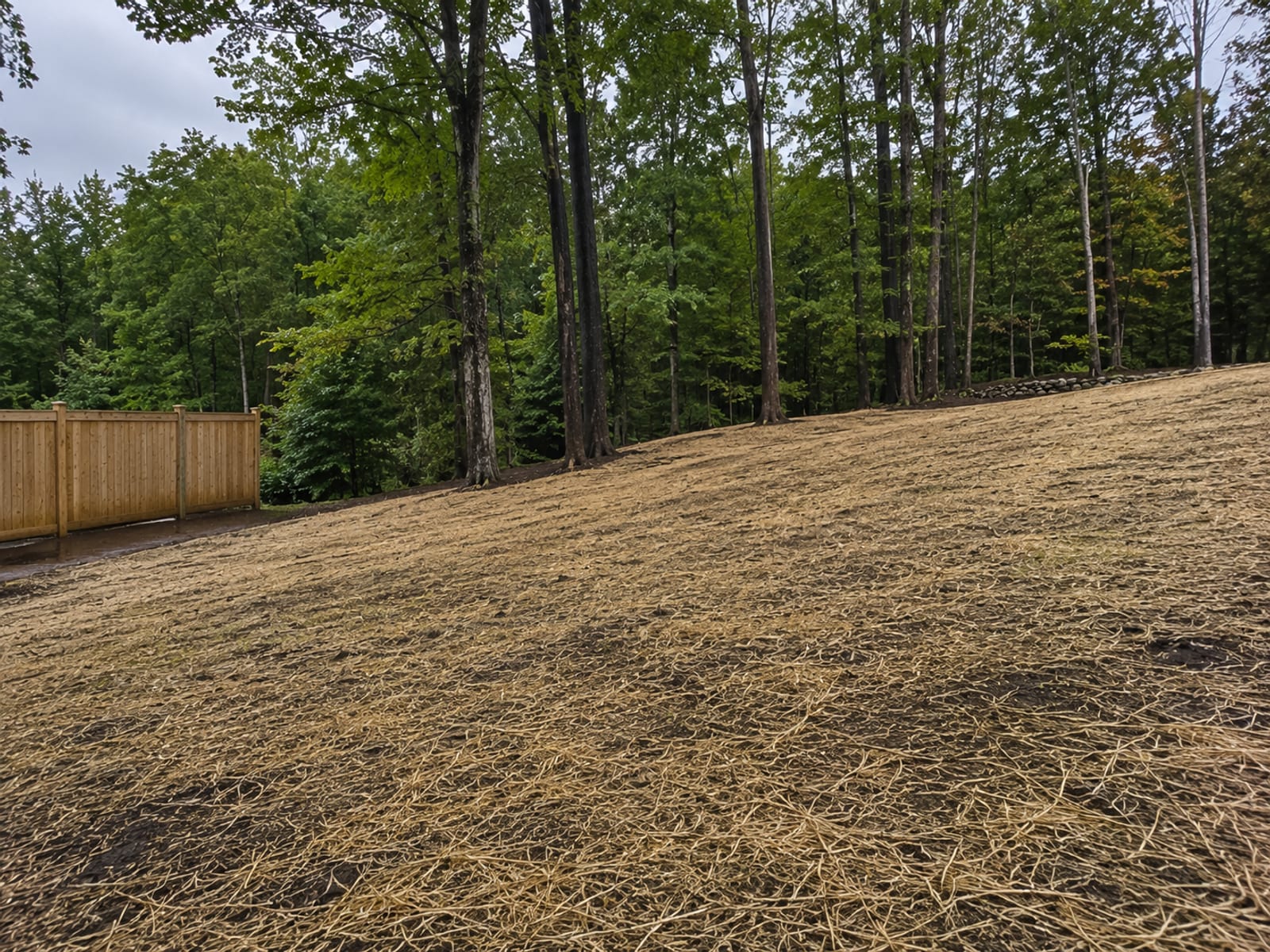
Once the ground work is done, any disturbed soil gets stabilized. Depending on the site and time of year, that might mean seeding with erosion control blanket, spreading mulch or stone, or establishing a ground cover that holds the grade through the next rain event. The goal is to hand the property back in a condition that holds its shape and is ready for whatever the next phase of the project requires.
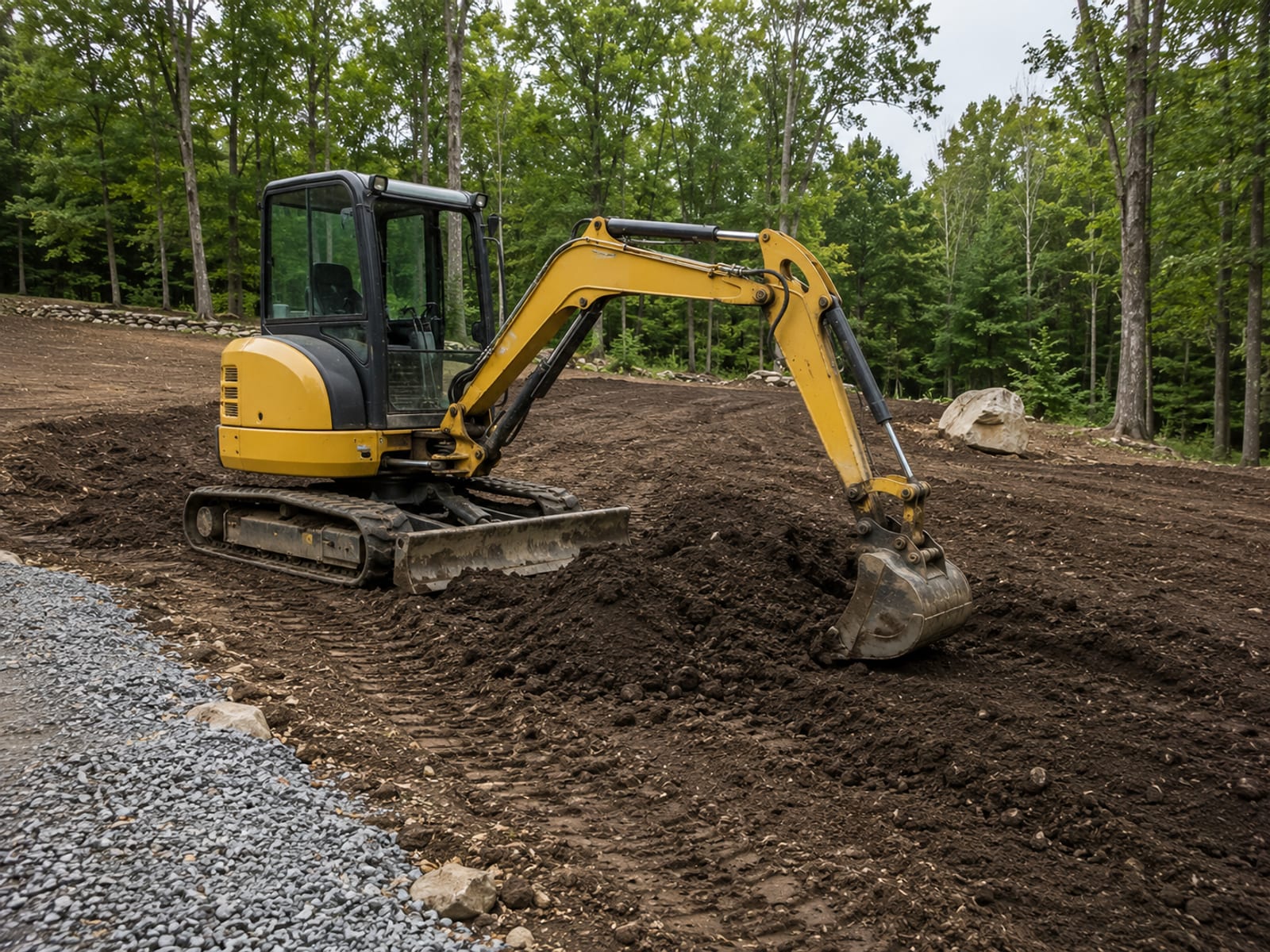
What Landscape Construction Projects Look Like on Real Properties
A lot of landscape construction jobs in this service area start because a homeowner has a yard that has never worked the way it should. Maybe the area behind the house is too wet to use for most of the year. Maybe a steep bank behind a garage keeps washing out and sending soil into the driveway. Maybe the property was cleared a few years back and has never been properly graded, so it drains badly and grows in unevenly. These are the situations where the work Prestige Property Maintenance does makes a real difference.
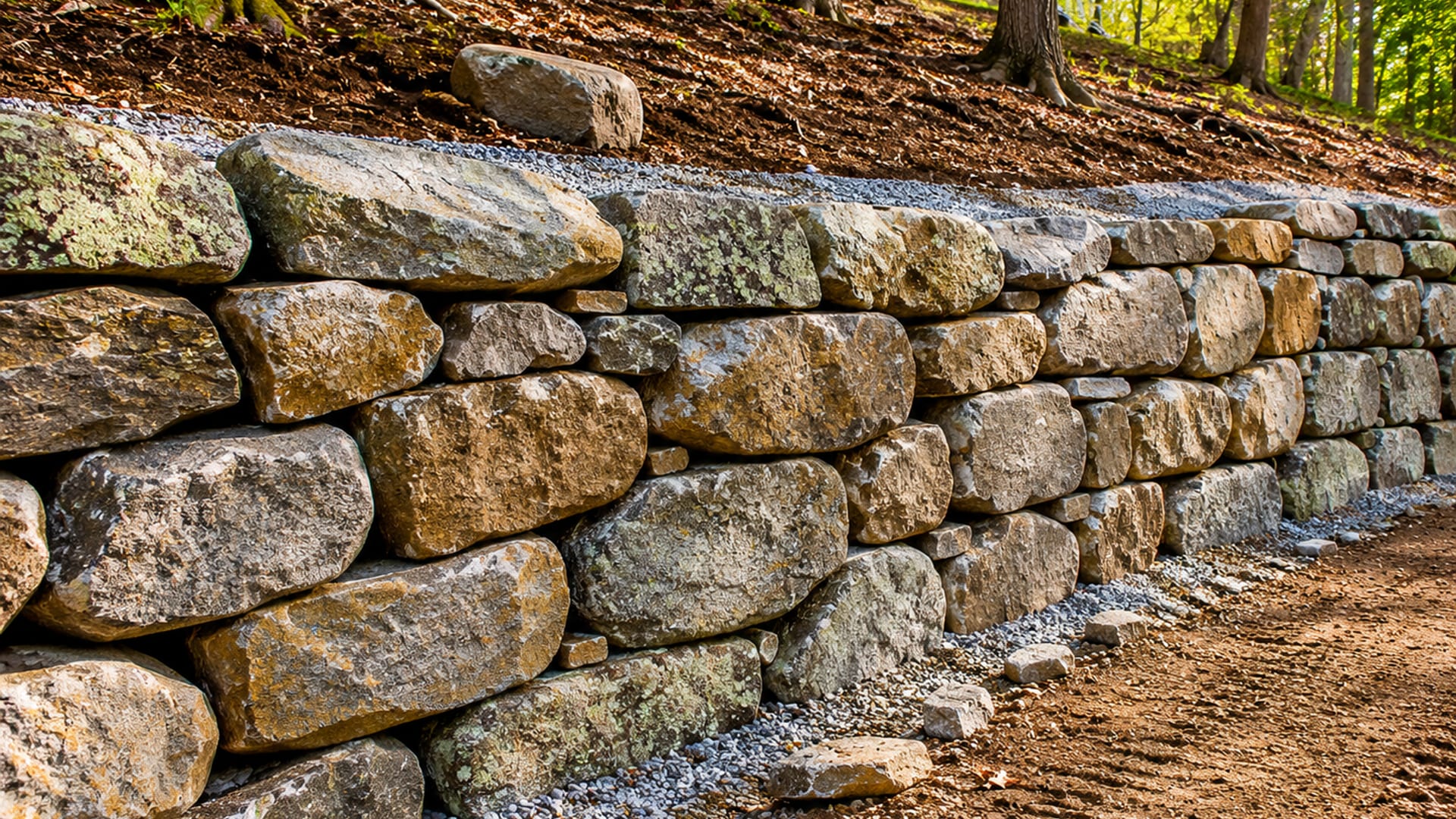
On a sloped residential lot in Shelton or Ansonia, a typical project might involve cutting a small retaining wall into the bank to hold the grade, grading back the area above it for a usable lawn section, running a drainage pipe along the base of the wall to carry away water, and placing a few large boulders to define the edge and add mass to the slope. That kind of project ties together retaining wall construction, drainage solutions, grading, and landscape construction in one connected sequence.
On a flatter property where water pools near a foundation, the work might be mostly about regrading the yard away from the house, cutting a swale to direct runoff toward the street or a lower section of the lot, and building up low areas with clean fill so the ground holds its shape. Neither project is complicated in concept, but both require the right equipment and someone who understands how Connecticut soil moves and drains.
Boulder placement comes up often on wooded or rocky properties. Rather than hauling off ledge rock and boulders uncovered during clearing or grading, placing them deliberately as part of the finished site can add structure and define spaces without the cost of imported material. Prestige Property Maintenance crews are experienced with this kind of placement work, which fits naturally into the broader clearing and grading sequence.
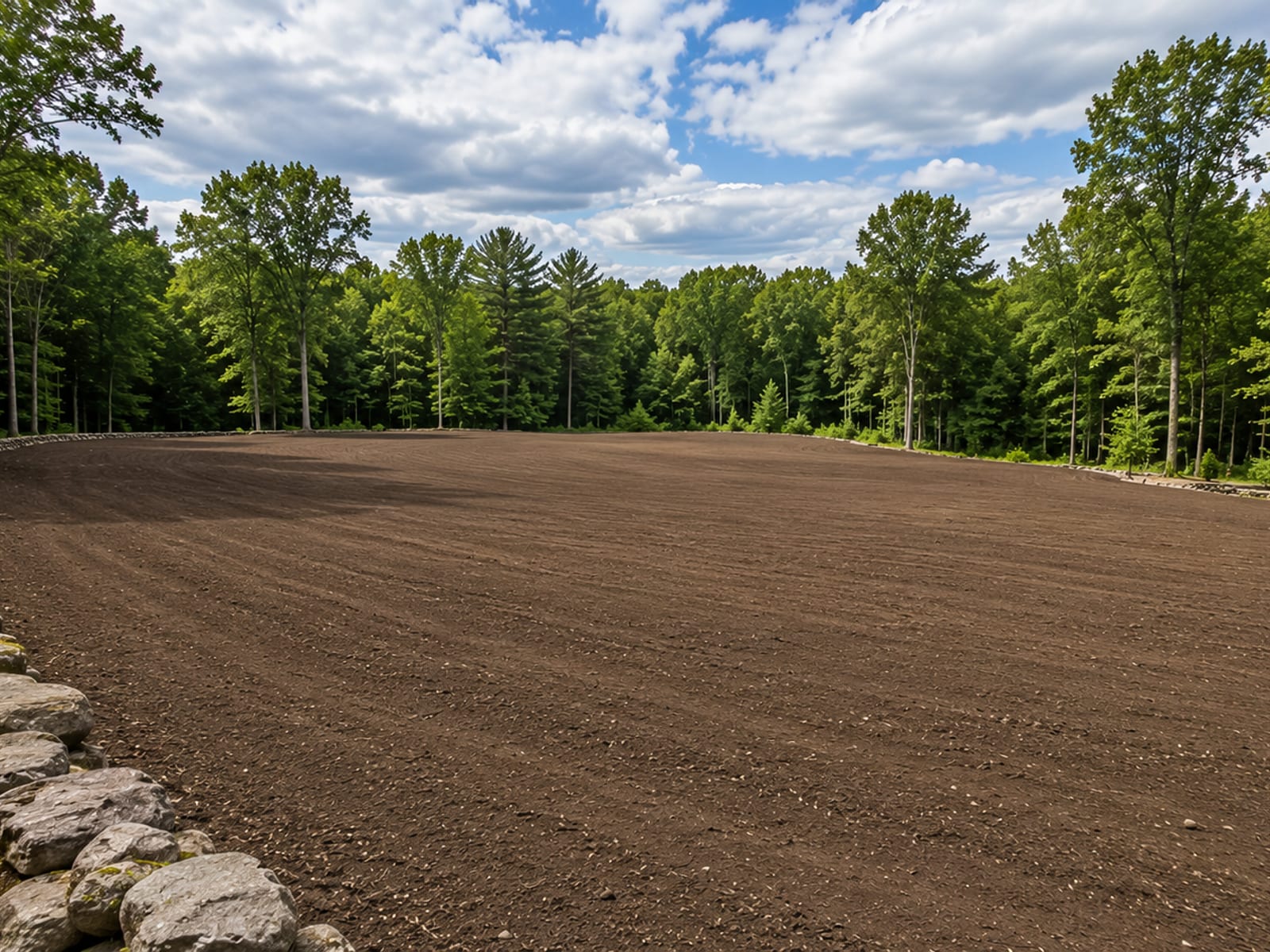
How Drainage and Grading Connect to Landscape Construction
Drainage is not a separate conversation from landscape construction on most Connecticut properties. It is part of the same project. Getting the grade right is the first step in managing water, and the two go together so closely that separating them often causes problems. A graded planting bed that does not account for where water comes from will be a soggy mess after every storm. A prepared lawn area that does not slope away from the house will continue to send water toward the foundation no matter how much seed you put down.
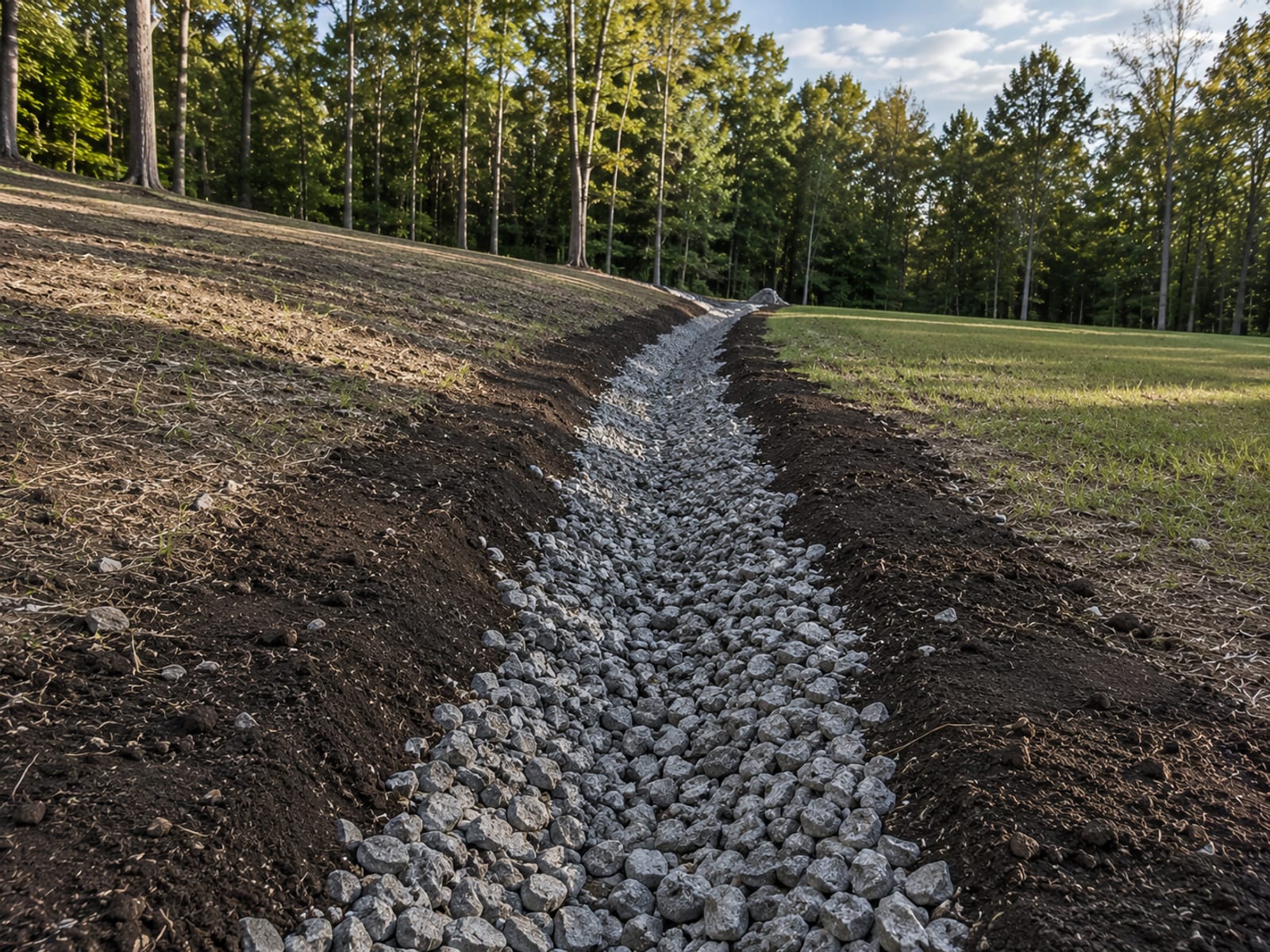
Prestige Property Maintenance handles drainage solutions as part of its service list, which means that when a landscape construction project has a drainage component, the same crew handles both. That includes surface swales, French drains, catch basins, and pipe systems designed to redirect water away from structures and low areas. Having drainage and grading work done by the same contractor at the same time means those systems are actually coordinated rather than just installed in sequence by people who never talked to each other.
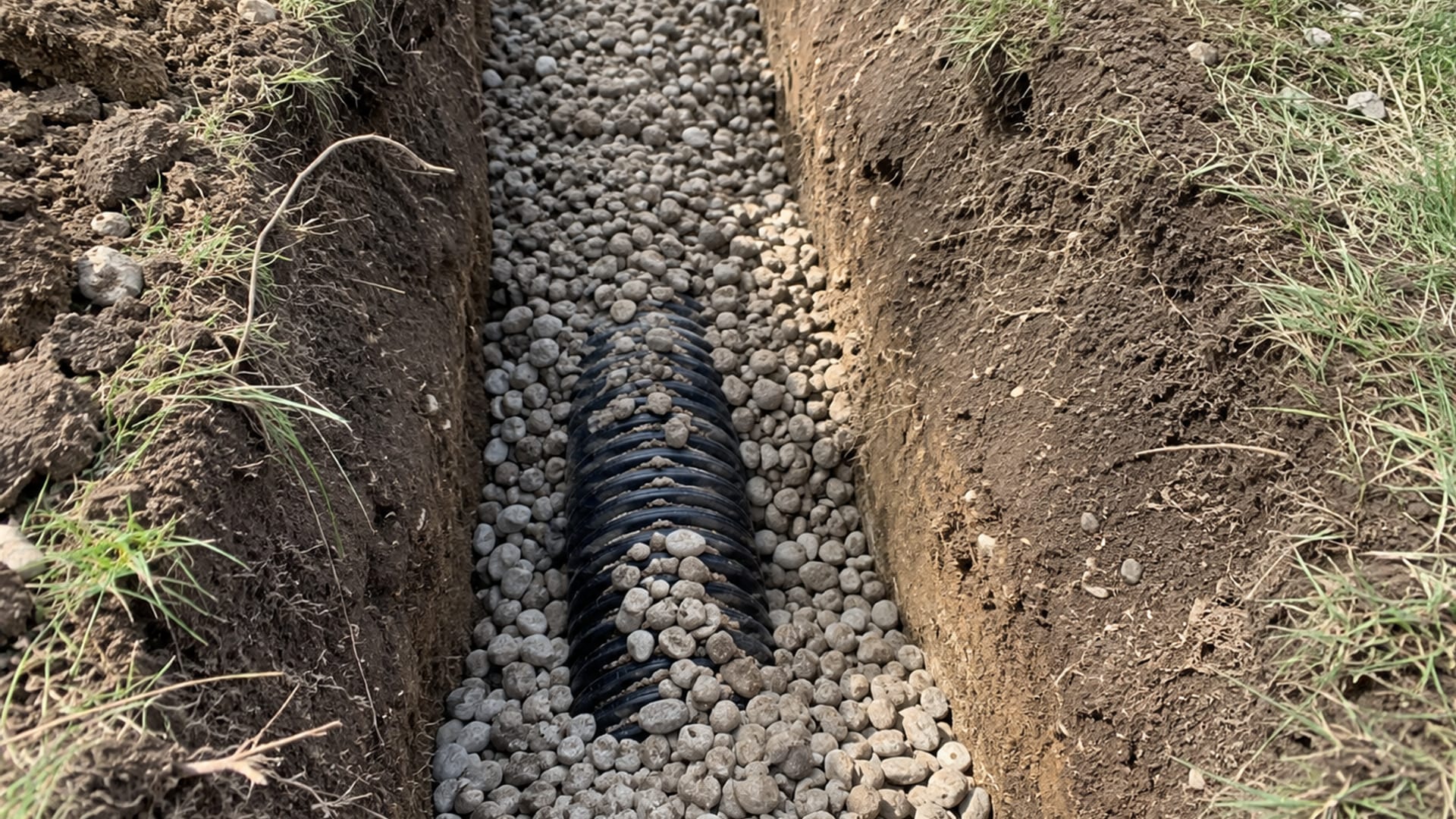
On sloped lots, retaining wall construction is often the piece that makes everything else work. A properly built retaining wall holds the grade change in place, which lets you grade a flat usable area above it and route drainage properly below it. Without the wall, the slope erodes back into whatever you tried to build. Prestige Property Maintenance builds retaining walls alongside the drainage and grading work so the structural piece and the water management piece get solved together.
Why Homeowners and Contractors Choose Prestige Property Maintenance
Prestige Property Maintenance works across 19 towns in the Naugatuck Valley and western Connecticut, bringing the equipment and local knowledge to handle landscape construction from the ground up.
One Crew, Full Sequence
From land clearing and stump grinding through grading, drainage, and finished landscape construction, Prestige Property Maintenance handles the full project sequence without handing off to a separate contractor at each stage. That means fewer scheduling gaps, better coordination between phases, and one point of contact from start to finish.
Local Knowledge of Connecticut Soil
Working in Connecticut's rocky, glacial soils since 2015 means the crew arrives prepared for ledge, buried boulders, high clay content, and seasonal wet conditions that can stall a less experienced operator. That local knowledge affects how the project gets planned and how the equipment gets used.
Right Equipment for Residential Properties
Compact tracked equipment lets Prestige Property Maintenance work in tighter residential spaces with less disturbance to existing grade, driveways, and vegetation. Larger machines are available for bigger commercial or development projects across the same service area.
Drainage and Structure Together
Combining drainage solutions and retaining wall construction with landscape construction work means slope problems get addressed from both sides. The structural support and the water management system are designed together rather than treated as unrelated fixes.
Licensed and Insured Contractor
Prestige Property Maintenance holds Home Improvement Contractor registration HIC #0704432 and is fully licensed and insured. Residential and commercial clients working on larger lots or more complex sites can verify credentials before the equipment arrives.
Landscape Construction Questions We Hear Often
If you have been trying to figure out what a landscape construction project actually involves, these are the questions that come up most often.
Does landscape construction in Connecticut require any permits?
It depends on the scope of work. Projects that disturb significant soil area, affect drainage patterns, or involve retaining walls may need municipal zoning, building department, or inland wetlands review depending on the town. If your property is near a wetland or watercourse, the local inland wetlands commission may need to review the project before work starts. Prestige Property Maintenance can help identify what might apply to your specific property and location.
How is landscape construction different from landscaping?
Landscaping typically refers to planting, mulching, lawn care, and finished appearance work. Landscape construction is the structural and site-prep phase that happens before that, including grading, boulder placement, drainage installation, and ground preparation that gives the finished work a stable and properly draining base to sit on. Without the construction phase done correctly, finished landscaping tends to fail or drain poorly.
Can landscape construction fix drainage problems in my yard?
Yes, in most cases. Grading corrections, swale installation, French drains, and catch basin systems can redirect surface water away from problem areas. The right solution depends on where the water is coming from, how the property slopes, and what is underground. A site visit is the only reliable way to identify what will actually work for a specific property.
What happens to boulders and ledge rock found during the work?
Rock uncovered during grading or excavation can be removed from the site or placed deliberately as part of the finished project. Boulder placement is a practical option on wooded or rocky properties where natural stone fits the setting and saves the cost of hauling material off-site. The decision depends on the size of the stone, its condition, and what the finished site design calls for.
Do you handle landscape construction on commercial sites as well as residential?
Yes. Prestige Property Maintenance works with residential homeowners and commercial developers across the same 19-town service area. Commercial and developer projects often involve larger grading areas, more extensive drainage systems, or coordination with other trades, all of which are within the scope of what the company handles.
How does Connecticut's soil affect landscape construction projects?
Western Connecticut soils are largely glacial, which means they often contain a mix of clay, gravel, cobbles, and buried ledge that varies significantly even within a single property. Clay-heavy areas drain slowly and can stay saturated well into spring. Rocky areas may require ledge blasting or rock removal before grading can proceed. These conditions affect how long a project takes, what equipment is needed, and how drainage systems get designed.
What should I have ready before calling about a landscape construction project?
A general sense of what you want to accomplish is enough to start the conversation. If you have a property survey, a septic system map, or any existing site plans, those are helpful to have on hand. Photos of problem areas, standing water, erosion, or specific spots you want addressed help the crew understand what they will be looking at before the site visit. You do not need engineering drawings or a finished design to get a quote.
Prestige Property Maintenance Serves 19 Towns Across the Naugatuck Valley and Western Connecticut
Prestige Property Maintenance handles landscape construction and related site work across Oxford, Derby, Bethany, Seymour, Ansonia, Shelton, Monroe, Bridgewater, Roxbury, Woodbury, Middlebury, Southbury, Naugatuck, Woodbridge, Prospect, Newtown, Oakville, Watertown, and Wolcott. The service area covers the kinds of properties where this type of work is most commonly needed: larger residential lots, wooded parcels, sloped terrain, and semi-rural properties where the ground has never been properly shaped for use.
Projects across this area share common conditions. Rocky soil requires experienced operators who know when to work around ledge and when removal is the right call. Clay-heavy ground in the valley towns drains slowly and needs proper grading and drainage planning from the start. Properties with significant tree cover often need land clearing and stump grinding before any grading or landscape construction can begin. Having one company that handles all of those services across all of those towns makes the process considerably more straightforward for property owners who do not want to manage multiple contractors.
If your property is outside this list but nearby, it is worth a call. Prestige Property Maintenance occasionally works beyond the core service area for the right project.
Ready to Get Your Property in Shape? Call Prestige Property Maintenance.
Call (203) 258-3395 or send a message to dig@prestigectexcavation.com to schedule a site visit. Come ready with photos or a description of what you are working with, and the team will take it from there.