Services
Landscape Construction Services in Connecticut
From raw ground to build-ready: Prestige Property Maintenance handles site preparation, trenching, erosion control, and finished landscape construction across 19 towns in the Naugatuck Valley and western Connecticut.
What Are Landscape Construction Services?
Landscape construction services cover the ground-level work that happens before any finished outdoor project can take shape. At Prestige Property Maintenance, that means preparing raw or undeveloped land, shaping and grading the ground, trenching for underground utilities and drainage lines, placing boulders and structural elements, and installing erosion controls that keep soil in place throughout the process. The result is a site that's stable, properly drained, and ready for whatever comes next, whether that's a driveway, a lawn, a garden area, or a full construction build.
This is not decorative work. It's the structural layer beneath everything visible on a finished property. When it's done correctly, water flows where it should, the ground holds its shape, and every contractor who follows has a clean, level surface to work from. When it's skipped or done poorly, you end up with settling, runoff problems, and repair costs that far outrun the original project budget.
Prestige Property Maintenance has been handling this type of ground work across Connecticut's rocky, glacial soil since 2015. The crew understands what's under the surface in towns like Oxford, Southbury, Woodbury, and Shelton, and they come prepared for ledge, buried boulders, clay-heavy ground, and steep slopes that require careful grading and drainage planning before a shovel ever turns soil.
What Does Landscape Construction Actually Include?
Prestige Property Maintenance offers four core services under landscape construction. Each one is a distinct scope of work, and they're most effective when sequenced correctly as part of a coordinated project.
Landscape Construction
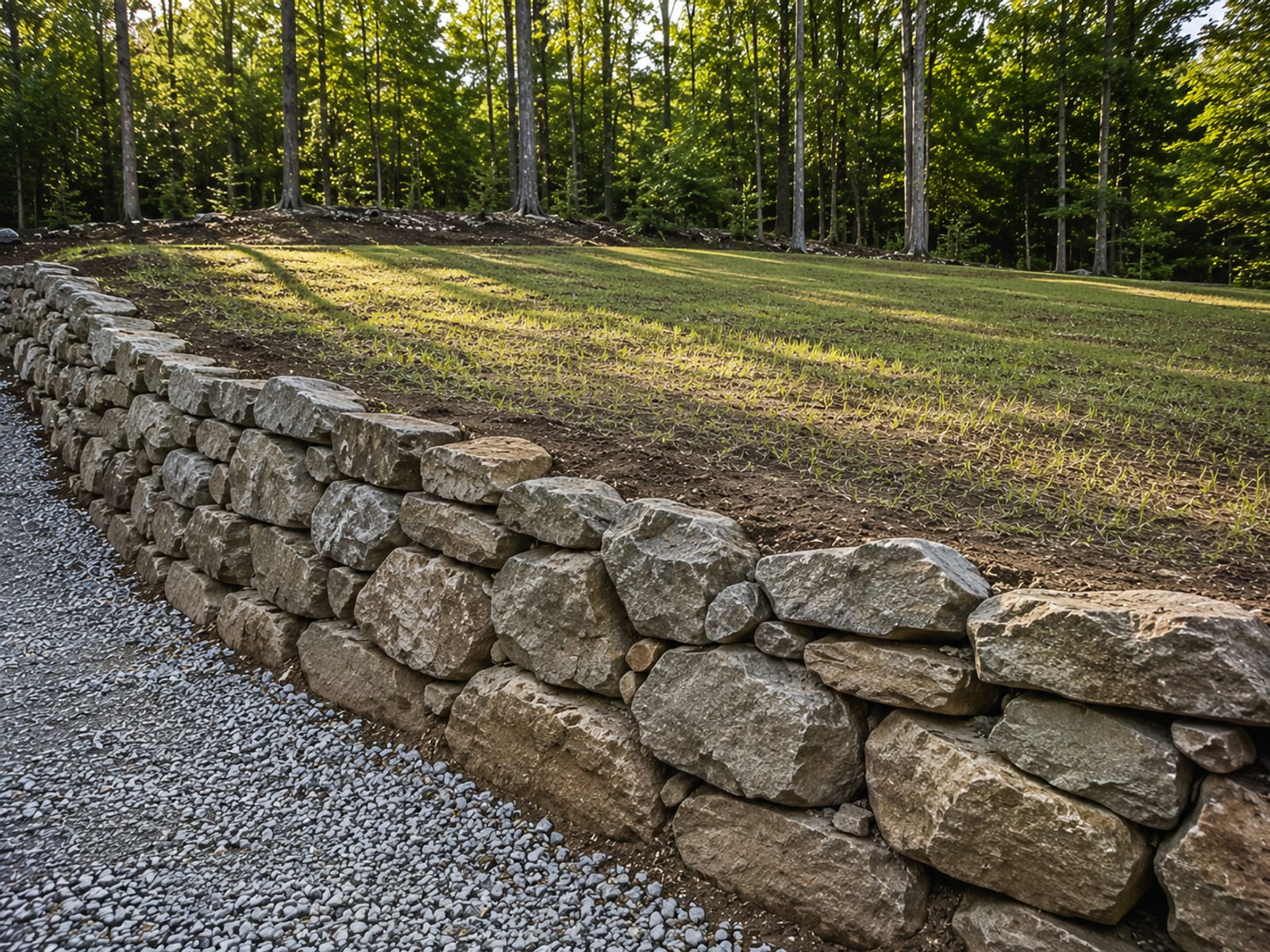
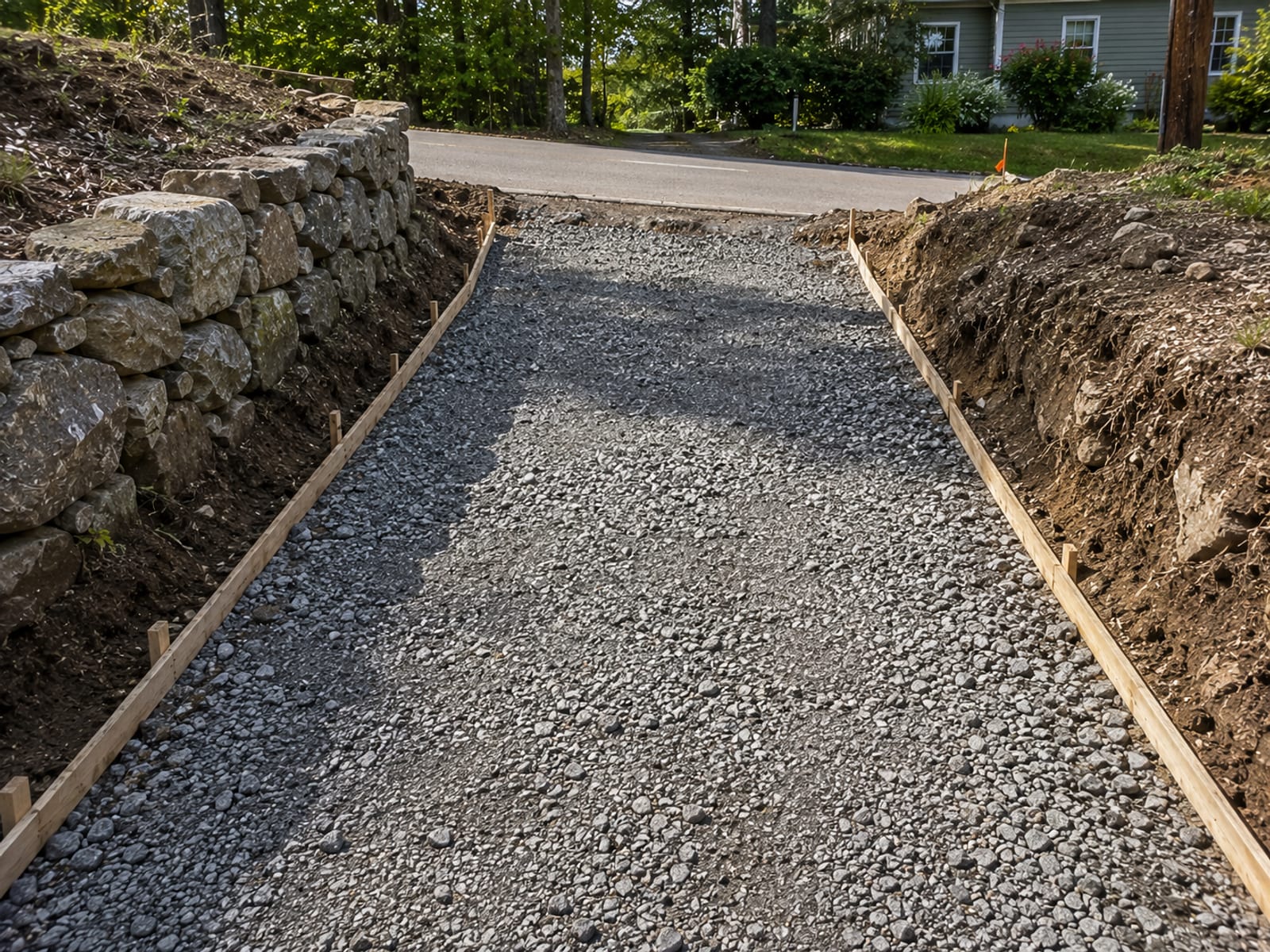
This is the finish-prep layer: graded planting areas, boulder placement, shaped ground contours, and surface preparation that sets the stage for outdoor spaces. The work connects the raw site to the finished project, making sure grades, drainage, and structural elements are all in the right place before landscaping crews or hardscape contractors arrive.
Learn more about Landscape ConstructionSite Preparation
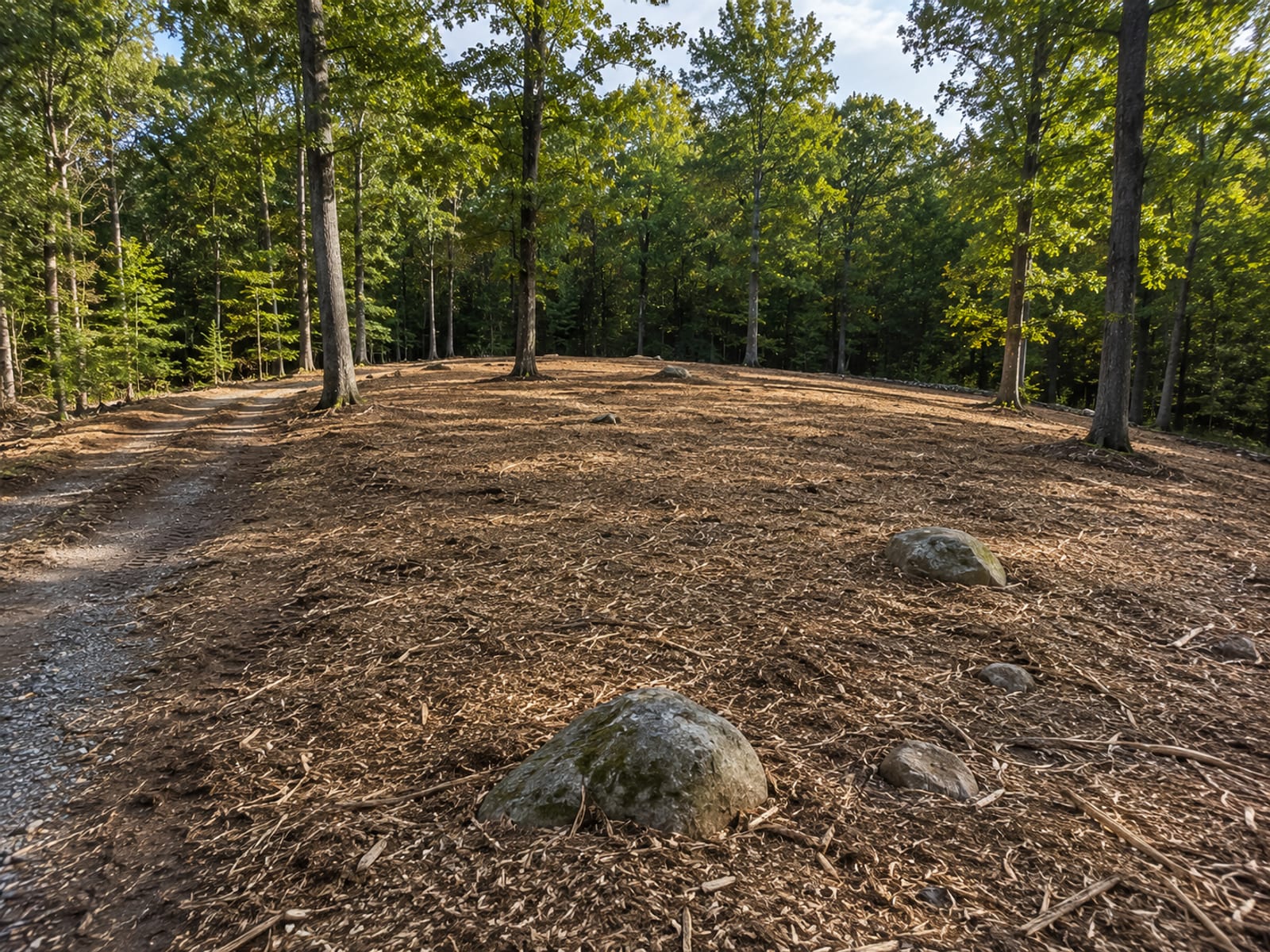
Site prep turns raw or undeveloped land into ground that's ready to build on. That means coordinating clearing, rough grading, rock removal, and surface shaping into a single, logical sequence. Prestige Property Maintenance handles this as a complete scope, not a hand-off between separate crews, so nothing gets missed between the clearing stage and the final grade.
Learn more about Site PreparationTrenching
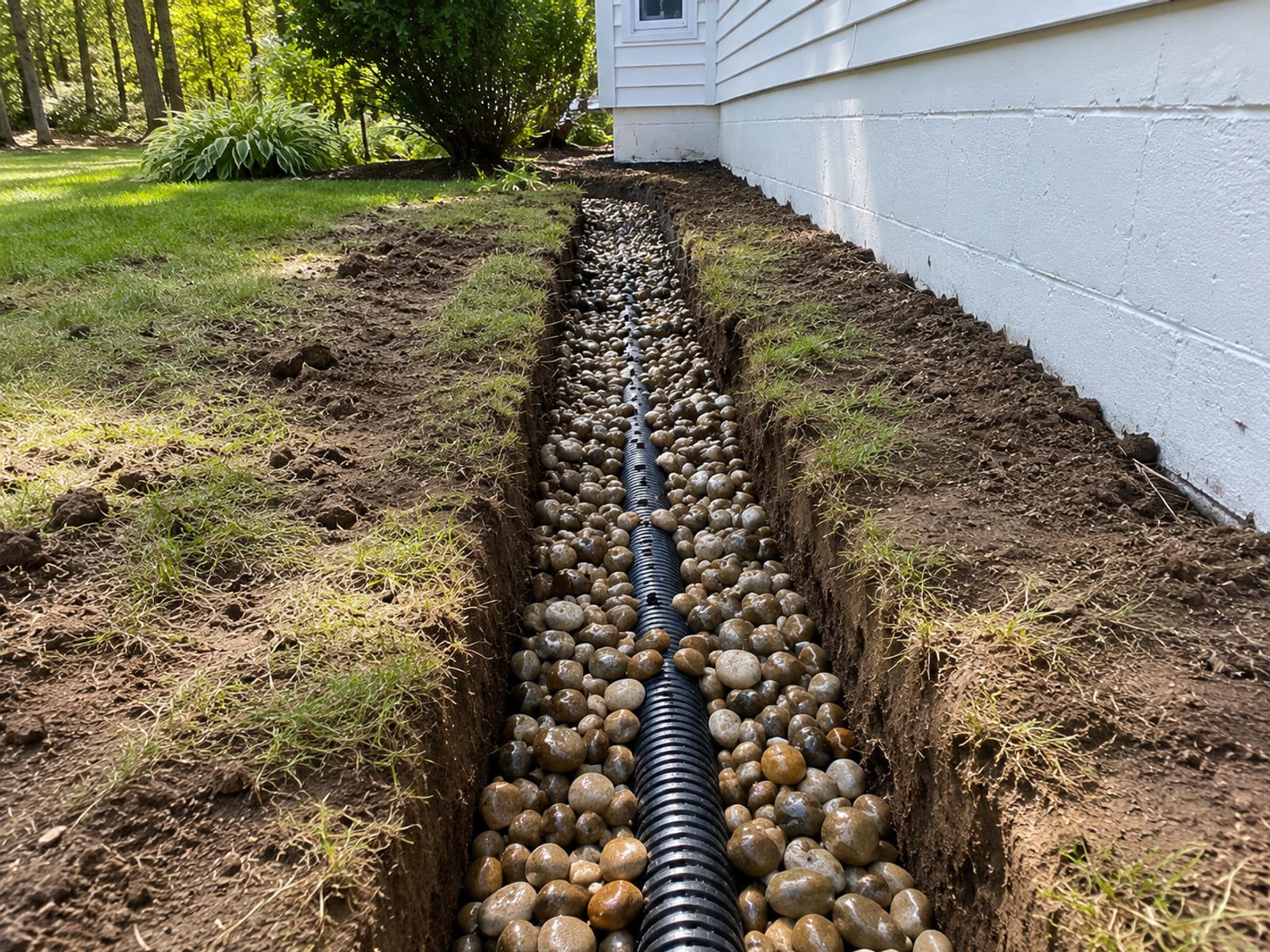
Trenching creates precise, properly routed channels for water lines, sewer connections, electrical conduit, and drainage pipe. The trench has to be the right depth, the right width, and laid out along a route that avoids conflicts with other utilities and respects the slope of the surrounding ground. Utility marking through CBYD is part of the process before any digging starts.
Learn more about TrenchingErosion and Sediment Control
Once ground is disturbed, soil moves with water and wind until something holds it in place. Prestige Property Maintenance installs silt fencing, surface stabilization measures, and runoff controls that protect the site during active work. These controls also keep the project compliant with Connecticut's erosion and sediment control requirements and stormwater rules, which apply to many residential and commercial projects regardless of size.
Learn more about Erosion & Sediment Control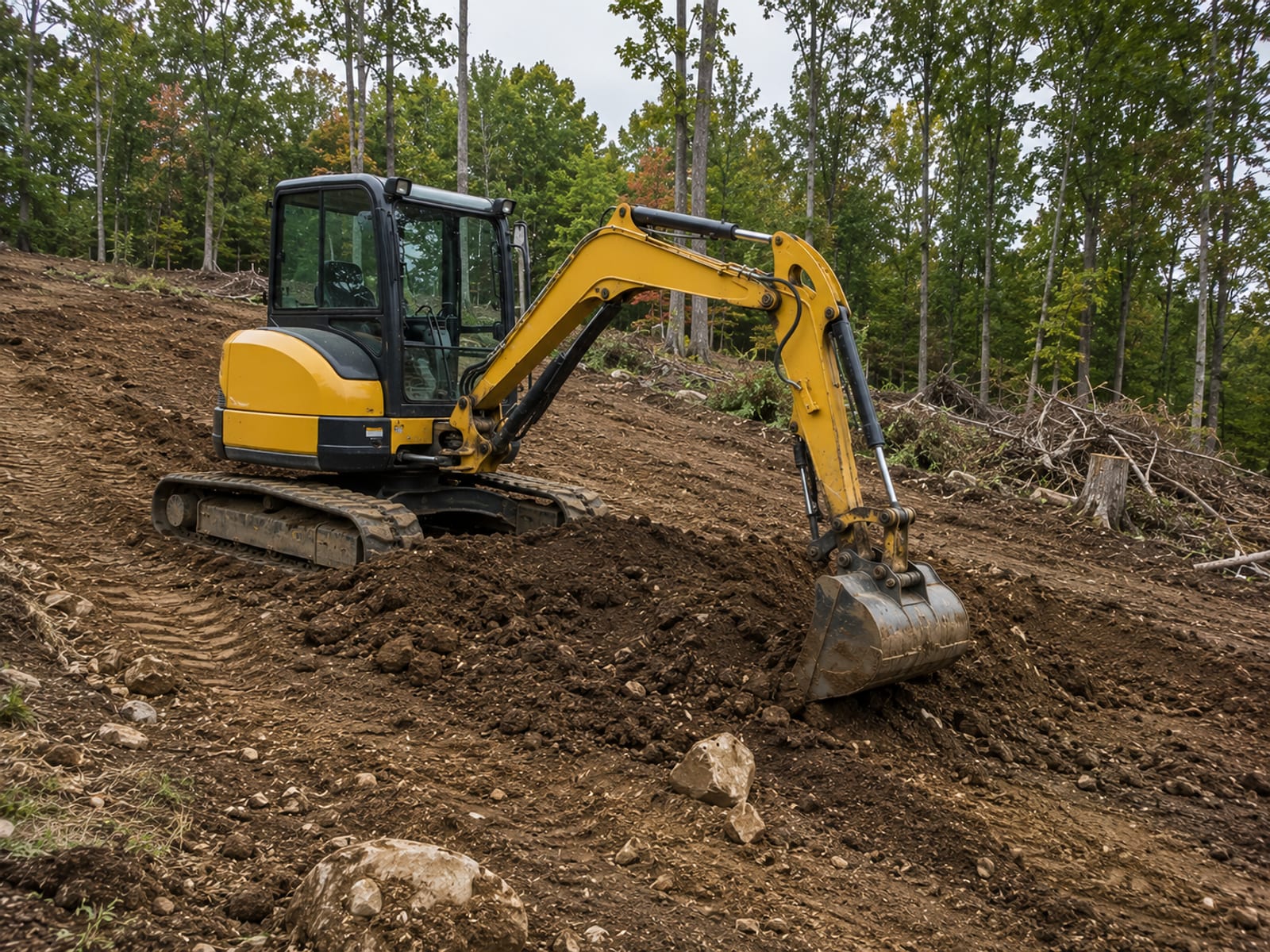
Why Does Site Preparation Matter So Much in Connecticut?
Connecticut's soil is not like the loamy, predictable ground you'd find in a flat Midwestern state. This is glacial terrain. Buried boulders, surface ledge, clay-heavy subsoil, and dramatic slope changes are routine across the towns Prestige Property Maintenance serves, from Naugatuck and Ansonia up through Woodbury, Roxbury, and Bridgewater. What looks like straightforward ground-clearing can become a rock excavation project before the first tree is down.
That reality shapes how site preparation has to be approached. A crew that arrives without the right equipment for ledge encounters, without a drainage plan for clay soil, or without a grading strategy for a sloped lot is going to run into problems fast. Every day of delay, every surprise cost, and every call back to fix a drainage issue that wasn't addressed during the project traces back to the same source: insufficient planning at the site prep stage.
Heavier rainfall patterns and Connecticut's stormwater and sediment control requirements have also pushed contractors to think earlier and more carefully about water management. Runoff from disturbed ground can affect neighboring properties, erode finished grades, and in some cases create regulatory problems if controls aren't installed correctly. Prestige Property Maintenance factors drainage planning and erosion controls into the project from the start, not as an afterthought after the heavy equipment is done.
The other challenge in this region is coordinating multiple scopes of work without scheduling gaps. Property owners in towns like Monroe, Newtown, and Shelton frequently deal with overgrown parcels that need clearing, rocky terrain that needs grading and rock removal, slopes that need retaining walls, and ground that needs drainage solutions, all before any finished construction can happen. Prestige Property Maintenance covers that full sequence under one crew, which cuts out the coordination problems and handoff delays that come with hiring separate contractors for each phase.
How Does the Landscape Construction Process Work?
Every landscape construction project at Prestige Property Maintenance follows a logical sequence. The order matters as much as the individual steps, because disturbing ground out of sequence creates problems that are expensive to fix later.
Site Walk and Assessment
The project starts with a thorough on-site review of access points, existing vegetation, slope, soil conditions, drainage patterns, and proximity to utilities or wetlands. This is where rock, wet areas, and grade challenges get identified before equipment is ever scheduled. A clear understanding of the site up front prevents the surprise costs that frustrate property owners mid-project.
Utility Marking and Permit Review
Before any ground is disturbed, utilities are marked through CBYD (Call Before You Dig). Permit requirements are reviewed based on the scope of work, the town involved, and whether the project touches a road, wetland buffer, or regulated area. Connecticut's permit requirements vary meaningfully by municipality, so this step is not skipped.
Erosion and Sediment Controls Installed First
Silt fencing, stabilization measures, and runoff controls go in before major ground disturbance begins on regulated or sensitive sites. This is the correct sequence under Connecticut's soil erosion and sediment control guidelines. Installing controls after excavation is underway defeats much of their purpose.
Clearing, Rough Grading, and Rock Removal
With controls in place, the crew begins clearing vegetation, stripping topsoil as needed, rough grading the site, and addressing any ledge, boulders, or buried material that needs to come out. Grading at this stage sets the rough elevation and slope profile that everything else builds from.
Trenching for Utilities and Drainage
Trenches for water, sewer, electrical, and drainage lines are cut to the specified depth and width, routed to avoid conflicts, and backfilled and compacted according to the material being installed. Getting trench placement and depth right at this stage prevents utility relocations and drainage failures after the site is finished.
Learn more about TrenchingLandscape Construction and Finish Grading
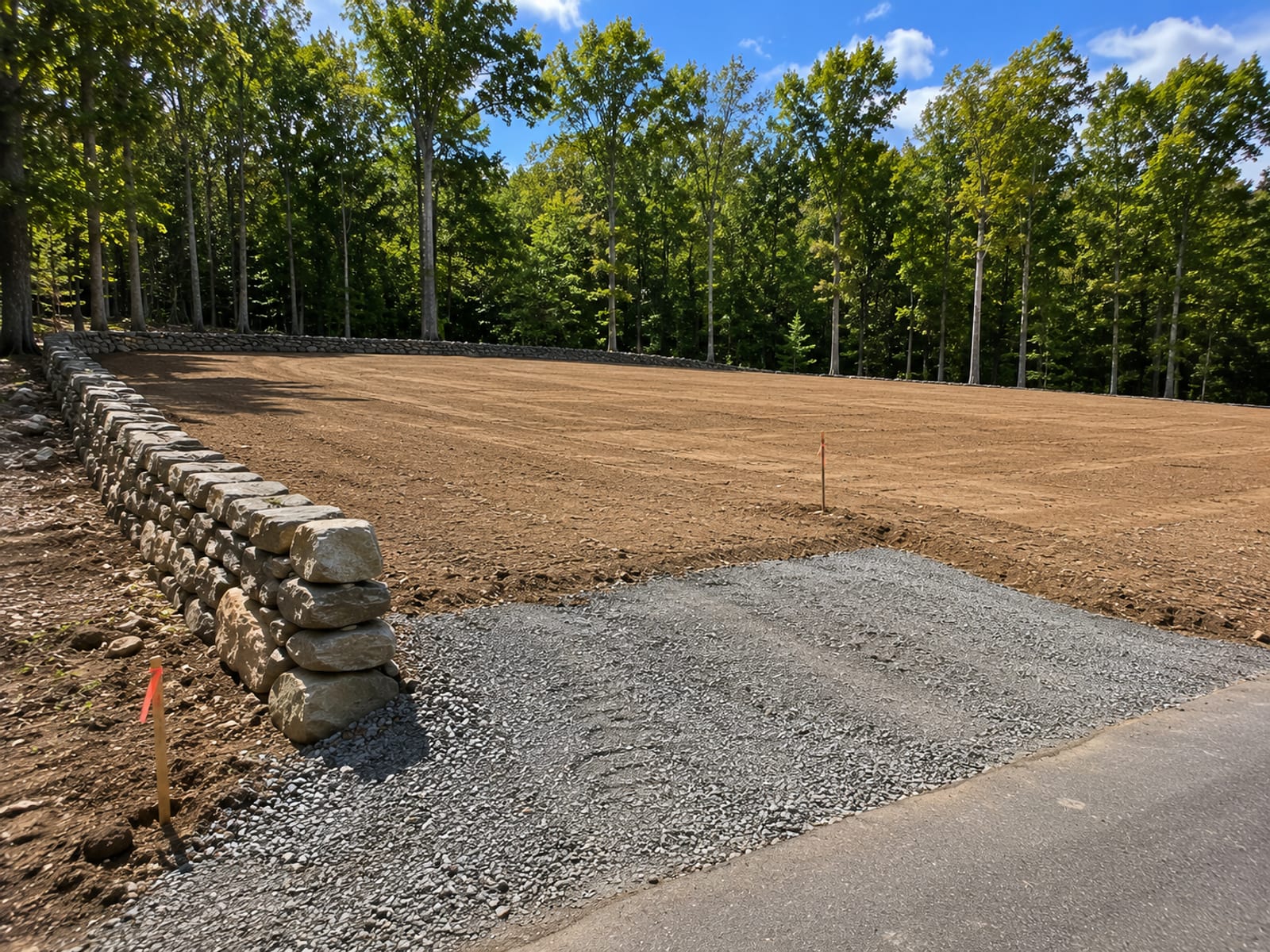
With underground work complete, the surface is shaped for its final use. Graded planting areas, boulder placement, contoured beds, and finish-grade prep happen in this phase. The ground needs to drain away from structures, match the intended design elevations, and provide a stable base for whatever is being installed above it.
Stabilization and Cleanup
Once grading is complete, exposed soil is stabilized through seeding, mulch, matting, or other measures appropriate to the site. Controls are maintained until the ground is established, then removed. The site is left clean, with access points restored and debris removed.
What Should You Look for When Hiring a Contractor for This Work?
A contractor doing site preparation, trenching, and erosion control work on a Connecticut residential property should carry general liability insurance and workers' compensation coverage. For residential projects, the Connecticut Home Improvement Contractor registration is a relevant credential to verify. Prestige Property Maintenance is licensed and insured and has worked across 19 towns in the Naugatuck Valley and western Connecticut since 2015.
Beyond credentials, what you want is a contractor who can show you photos of comparable work, explain their drainage and grading plan in plain terms, walk you through the utility marking process before they start, and give you a written scope that describes what will be cut, filled, trenched, stabilized, and restored. Vague estimates are how surprise costs happen. A contractor who is clear about scope and sequence up front is far more likely to finish on budget and on time.
Local experience with Connecticut soil matters more than it might seem. A crew that's worked in Oxford, Woodbury, and Roxbury knows what to expect from glacial terrain. They arrive with the right equipment for ledge and buried stone, they plan for clay soil's drainage behavior, and they're familiar with the permit and wetlands buffer requirements in the towns where they work. That knowledge reduces surprises mid-project.
Prestige Property Maintenance handles the full scope from site preparation through finished landscape construction, which means one point of contact, one schedule, and one crew accountable for the result from start to finish.
Common Questions About Landscape Construction Services in CT
These are the questions property owners most commonly ask before scheduling landscape construction, site preparation, or erosion control work.
Do I need a permit for site preparation or trenching work on my residential property in Connecticut?
It depends on the scope, the town, and the site conditions. Some residential projects are straightforward, but work that disturbs significant acreage, sits near a wetland or watercourse, touches a public road or right-of-way, or involves a driveway connection may require municipal permits, inland wetlands approval, or a Connecticut DOT encroachment permit. Prestige Property Maintenance reviews permit requirements as part of the project planning process, so you're not left guessing after work has started.
How does rocky, glacial soil in Connecticut affect the cost and timeline of landscape construction projects?
Ledge rock and buried boulders are common across the Naugatuck Valley and western Connecticut towns, and they can significantly affect how long a project takes and what equipment is needed. A slope that looks like a simple grading job can require rock hammering or blasting if ledge is shallow. The best way to minimize surprises is a thorough site assessment before work begins, including probing or test pits where rock is likely. Prestige Property Maintenance builds that assessment into the project from the start.
What is the difference between rough grading and finish grading in landscape construction?
Rough grading sets the overall elevation and slope of a site after clearing and excavation are done. It accounts for drainage direction, building pad elevations, and the general shape of the ground. Finish grading happens after underground work like trenching is complete, and it brings the surface to its final elevation and contour, ready for seeding, paving, planting, or other surface work. Both stages have to be done correctly for water to drain properly and for the finished project to perform as intended.
What does erosion and sediment control actually involve on a residential project?
On a typical residential site, erosion and sediment control usually means installing silt fencing along the downslope edges of disturbed ground, protecting any drainage inlets near the site, stabilizing steep areas with matting or temporary seeding, and maintaining those controls throughout the project. Controls stay in place until exposed soil is stable enough that runoff no longer carries significant sediment. Connecticut's soil erosion and sediment control guidelines provide the standard that contractors should follow, regardless of project size.
Can Prestige Property Maintenance handle both the site prep and the landscape construction on the same project?
Yes, that's exactly how most projects work. Prestige Property Maintenance covers the full sequence from initial clearing and rough grading through trenching, drainage, boulder placement, finish grading, and erosion control. Property owners don't have to coordinate a separate clearing crew, a separate excavating contractor, and a separate drainage installer. One crew handles the whole scope, which keeps the schedule tighter and the accountability clear.
How is trenching for drainage different from trenching for water or sewer lines?
The basic digging process is similar, but the specs differ by application. Drainage trenches need to be graded to the correct fall so water moves in the right direction, and they're typically backfilled with clean stone around perforated pipe. Water and sewer lines have to meet depth requirements to stay below frost line, and they follow specific routing and material requirements set by local codes and utility standards. Prestige Property Maintenance sizes and routes trenches based on what's going in them, not a one-size approach.
What towns does Prestige Property Maintenance serve for landscape construction and site preparation?
Prestige Property Maintenance serves Oxford, Derby, Bethany, Seymour, Ansonia, Shelton, Monroe, Bridgewater, Roxbury, Woodbury, Middlebury, Southbury, Naugatuck, Woodbridge, Prospect, Newtown, Oakville, Watertown, and Wolcott. The 19-town service area covers most of the Naugatuck Valley and a broad portion of western Connecticut, which is practical for property owners whose projects span town lines or whose parcel sits near a municipal boundary.
Serving 19 Towns Across the Naugatuck Valley and Western Connecticut
Prestige Property Maintenance works across Oxford, Derby, Bethany, Seymour, Ansonia, Shelton, Monroe, Bridgewater, Roxbury, Woodbury, Middlebury, Southbury, Naugatuck, Woodbridge, Prospect, Newtown, Oakville, Watertown, and Wolcott. That's a service territory broad enough to cover most situations where a property sits near a town line or where a larger development project crosses municipal boundaries.
Each of these towns has its own permit and zoning requirements, its own wetlands commission rules, and its own quirks when it comes to soil conditions, slope, and drainage. Prestige Property Maintenance has worked across all of them long enough to know the differences. That local knowledge shortens the planning phase and reduces the odds of running into regulatory delays that could have been anticipated with better preparation.
Explore Landscape Construction Services
Each service below has its own page with the full process and what Connecticut property owners can expect.
Landscape Construction
Hardscape groundwork and landscape structures built to last.
Learn more about Landscape ConstructionSite Preparation
Turning raw or undeveloped land into build-ready ground through coordinated clearing, grading, and shaping.
Learn more about Site PreparationTrenching
Precise trenching for water, sewer, electrical, and drainage lines, routed to keep utilities properly placed.
Learn more about TrenchingErosion & Sediment Control
Silt fencing, stabilization, and runoff controls that hold soil in place and keep your site compliant.
Learn more about Erosion & Sediment Control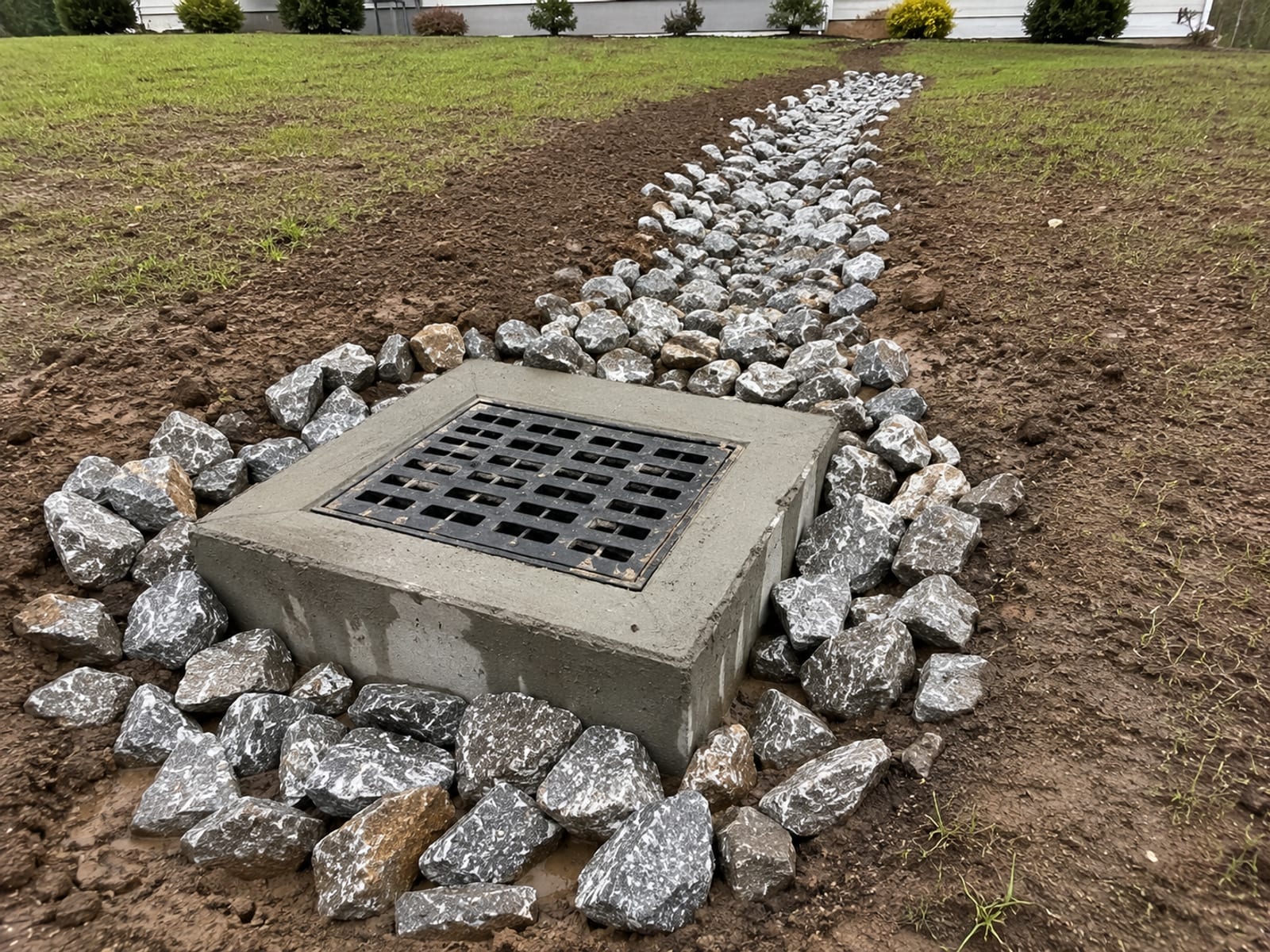

Ready to Get Your Site Prepared the Right Way?
Call (203) 258-3395 or email dig@prestigectexcavation.com to talk through your project. The crew is available Monday through Saturday, 7AM to 5PM.