Oxford CT Crawl Space Excavation Cost and Process Guide
Kash CochranePublished Updated
- crawl space excavation
- foundation excavation
- oxford ct
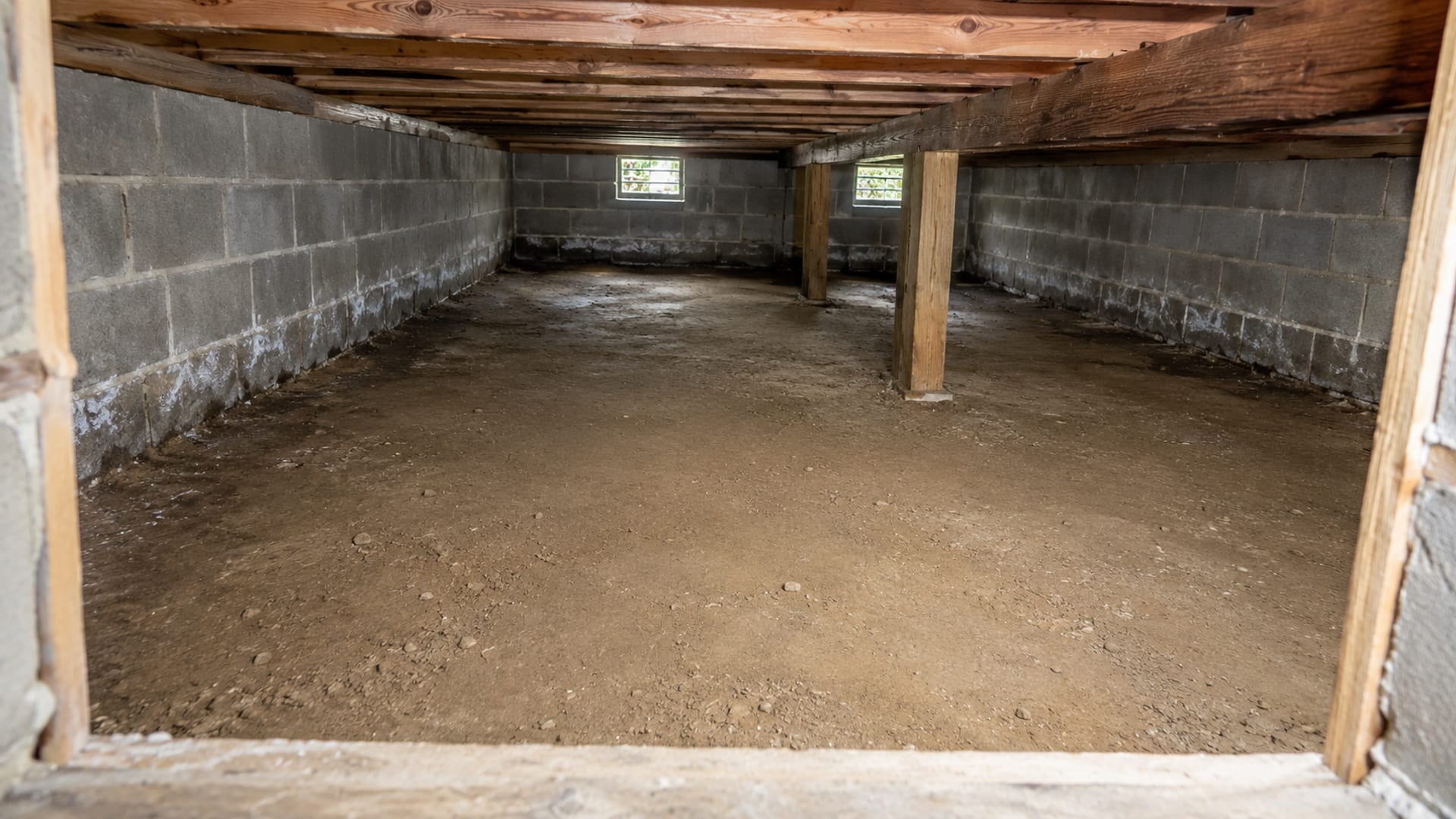
You open the crawl space hatch, point a flashlight into the dark, and almost immediately you can tell something is wrong. The ceiling is too low to move around comfortably, the soil looks damp or uneven, and the air feels heavy. Crawl space excavation in Oxford CT may be the step that fixes the problem before it gets worse, but before you call anyone, you want to know what the work actually involves and why the price varies so much from one property to the next. That question is worth taking seriously, because the cost is genuinely site-specific, and a number pulled from a national average tells you almost nothing about what will happen under your home. Oxford properties sit on glacial soil that can be rocky, water-holding, or both at once. Sloped lots, tight yard access, mature trees, septic systems, and wells can all change how a project gets planned and priced. The goal here is to walk you through the real cost drivers and the actual process so you can have a useful conversation with a contractor, not just a price quote.
Key Takeaways
Crawl space excavation is site-specific
Access, clearance, soil conditions, water, and utilities all shape the process and the cost.
Cost depends on conditions, not a standard formula
Hand digging, rock, wet soil, hauling, drainage, and limited exterior access can each increase labor time and expense.
Drainage is often connected to the root cause
Water collecting under or near the home may call for exterior grading, drainage trenching, or coordinated excavation work.
Structural limits require professional input
Work that affects foundation support or footing exposure may need review from a licensed professional and coordination with the Oxford Building Department.
Utility awareness is non-negotiable
Public and private utilities, plumbing, drains, electrical systems, septic lines, and wells must be identified before any digging starts.
Restoration is part of the project
Disturbed soil should be graded, stabilized, and left ready for whatever comes next.
Why Crawl Space Excavation Matters for Oxford Homeowners
The ground under and around a home affects far more than what you see during a quick flashlight inspection. Moisture, drainage paths, soil movement, and foundation conditions are all connected, and a crawl space that seems like a minor inconvenience today can become a much larger problem if water is finding its way in with nowhere to go.
Oxford sits in the Naugatuck Valley, where the soil is largely a product of glacial activity. That means you may have rocky ground, buried boulders, heavy clay that holds water, or ledge that shows up where a soil map suggests there should be none. These are not rare edge cases. They are the kinds of conditions that a contractor working regularly in this area learns to plan for before a machine ever moves.
The Crawl Space and the Whole Property Are Connected
Standing water or damp crawl space soil usually does not start under the home. It starts outside. Downspout discharge, driveway runoff, low yard areas that collect after rain, and compacted soil that sheds water toward the foundation can all push moisture toward and under a home over time. Connecticut's stormwater management standards reflect how seriously water movement needs to be considered at the property level, not just at the point where the problem becomes visible.
When crawl space drainage excavation is part of a project, the contractor needs to think about where the water is coming from and where it can safely go. Moving water away from one part of the property should not create a new problem somewhere else, and that kind of whole-property thinking is what separates a good plan from a quick fix.
Signs You May Need Crawl Space Excavation
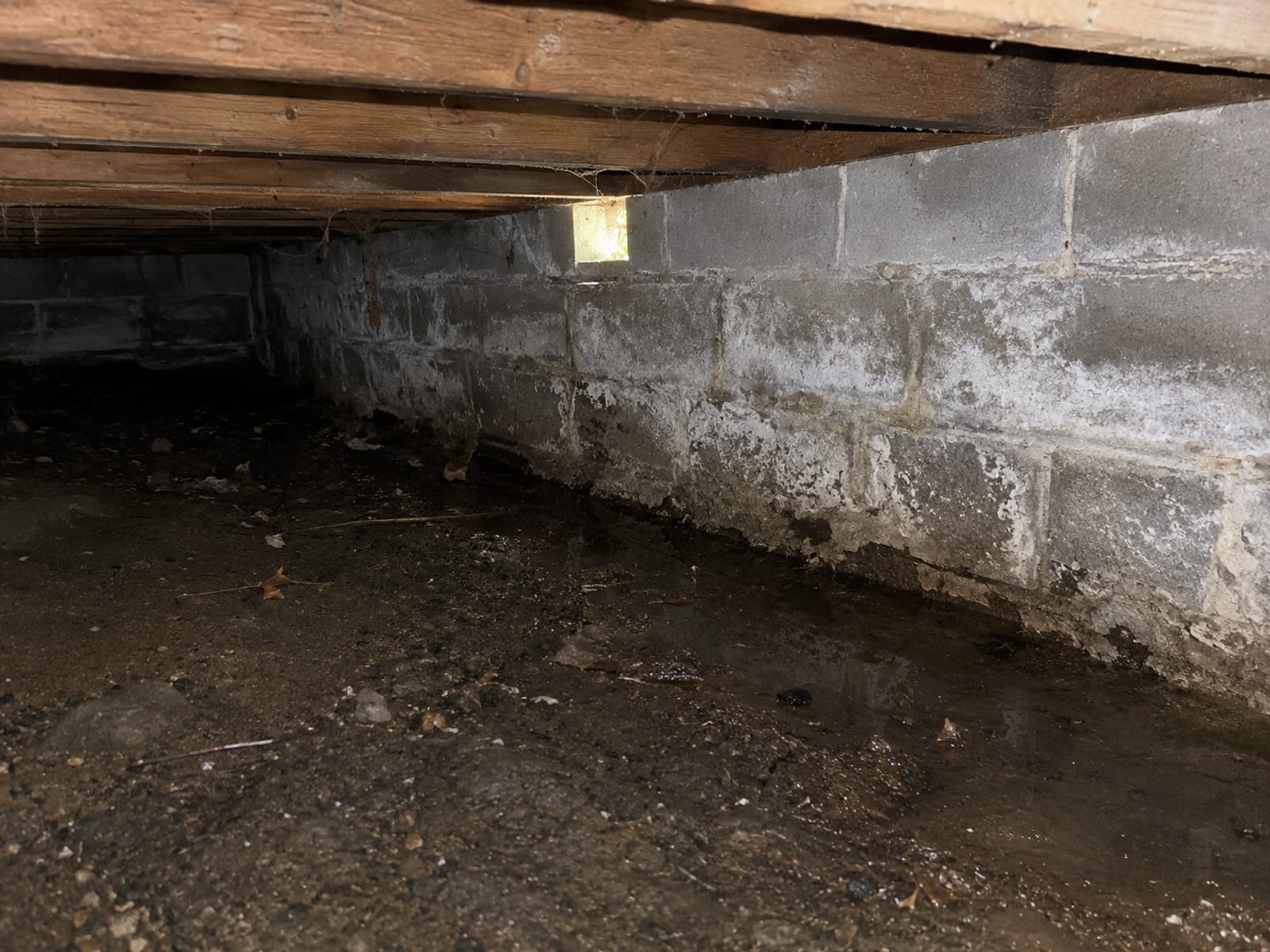
Most homeowners searching for crawl space excavation Oxford CT are already noticing something specific. The access hatch opens into a space that is too tight to work in, the soil is visibly wet or muddy, or a contractor doing another repair has told them the clearance is not usable. Any of these situations may point to excavation as the right first step, though the exact solution depends on what is actually happening under the home. The two most common triggers are low clearance and moisture problems, and they sometimes show up together.
Low Clearance or Uneven Crawl Space Floors
Low crawl space clearance is one of the most common reasons homeowners look at soil removal. When the floor of the crawl space is too close to the structure above it, repair work, insulation, drainage pipe installation, and even routine inspection become difficult or impossible. Crawl space soil removal can lower the floor to create workable height, reshape high spots that block access to certain areas, or level an uneven surface that makes moving through the space unsafe. The amount of material that needs to come out, and how it needs to come out, depends entirely on the layout of the space and what kind of exterior access exists.
Damp Soil, Standing Water, or Moisture Problems
A wet crawl space is not just a comfort issue. Damp soil can affect the condition of the wood framing above it, and standing water under the home points to grading, drainage, or groundwater problems that will keep coming back unless the source is addressed. Soil erosion and drainage conditions around the home are often a contributing factor, and exterior grading excavation may be part of the solution alongside any interior work. A contractor doing this kind of work should be able to explain where the water is entering, not just remove the wet soil and leave.
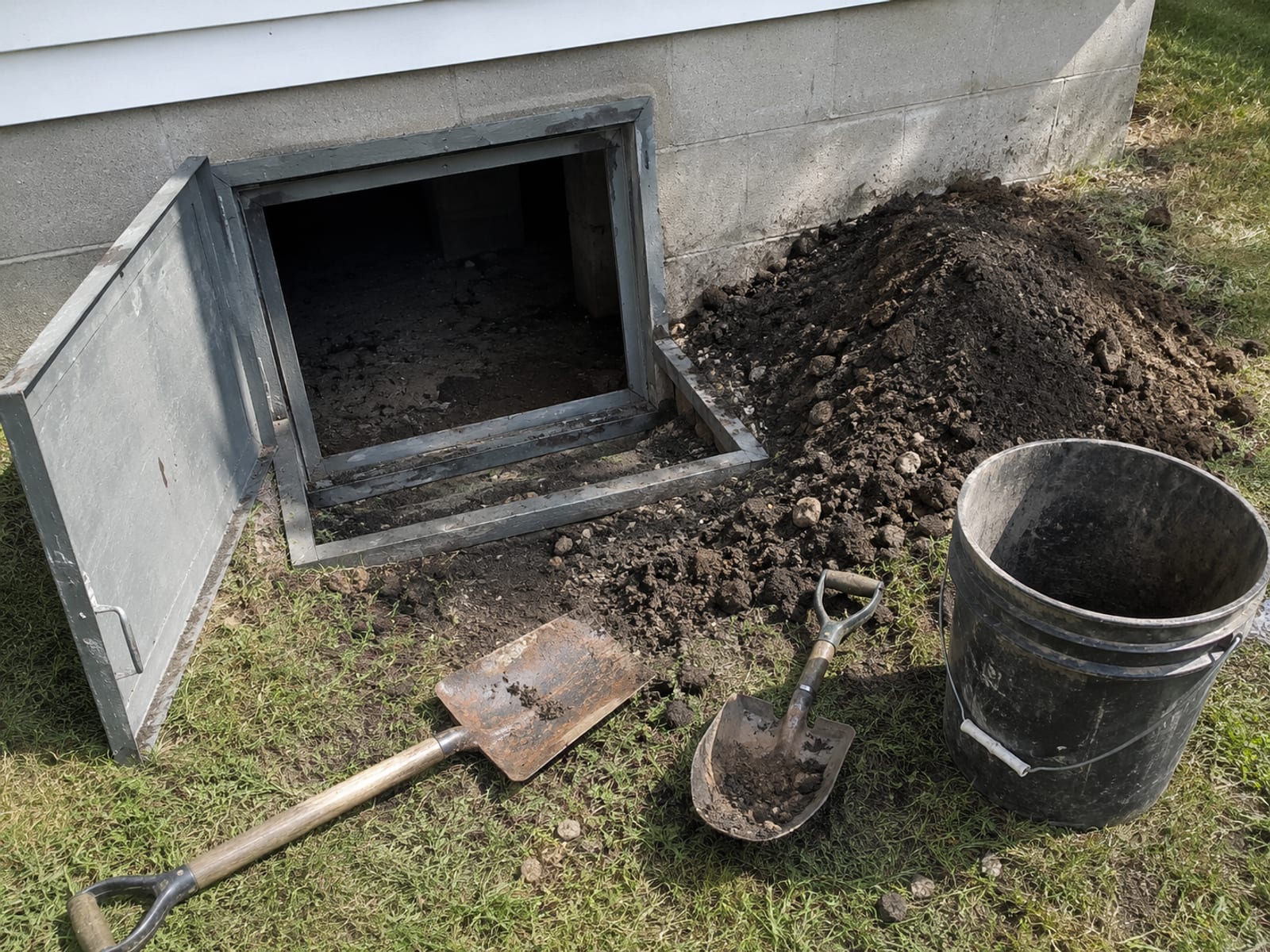
Crawl Space Excavation Cost Factors in Oxford CT
There is no single price for crawl space excavation in Oxford CT because no two properties present the same conditions. The factors below each contribute to labor time, equipment decisions, and overall project scope. Understanding them helps you ask the right questions before work starts and helps you evaluate whether an estimate reflects what is actually in front of the contractor.
Access and Labor Method
This is often the biggest cost driver, and it is easy to underestimate from the outside. When a machine can reach the work area from the yard, production is relatively fast. When the crawl space is interior-only, or when exterior access is blocked by a fence, a deck, a tight foundation opening, or mature landscaping, a significant portion of the work may need to be done by hand. Hand digging crawl space soil is slower, harder, and more expensive per cubic yard than machine work, and a low ceiling that prevents a worker from standing upright makes it more so. These conditions are common on older Oxford homes, and a contractor who has not seen the space in person cannot give you a realistic number without that site visit.
Soil Type, Rock, and Water
Oxford's glacial geology means that what looks like a straightforward soil removal job can become more involved once digging starts. Clay soil is heavier than sandy loam and harder to move. Rocky soil or buried boulders require different equipment or hand breaking. Rock removal is sometimes unavoidable on older Oxford properties, especially where the crawl space was built around existing ledge rather than through it. Wet or saturated soil adds weight and can require temporary drainage or pumping before excavation can proceed safely. Each of these conditions adds time and changes what equipment or methods the crew needs to use.
Hauling, Disposal, and Drainage Materials
Soil removed from a crawl space has to go somewhere, and hauling and disposal are part of the project cost. The volume of material removed directly affects that number. If drainage stone, perforated pipe, or other drainage materials are part of the scope, those add to both material and labor costs. Projects that include exterior foundation drainage excavation or trenching for drainage lines will typically cost more than simple soil removal because they involve more material, more labor, and more coordination with grading and restoration work.
Utilities, Permits, and Structural Coordination
Some projects involve factors that add time and cost before a single shovel touches the ground. When exterior excavation is part of the plan, Connecticut's Call Before You Dig system should be contacted to identify underground public utilities. Private lines, including plumbing, electrical, HVAC, septic, and well-related systems, also need to be identified separately, since they are not covered by the standard utility markout and are common on rural Oxford properties. If the excavation affects foundation support, footing exposure, or anything structural, the Connecticut State Building Code and the local building department may need to be involved. That coordination takes time but protects both the homeowner and the contractor.
Permits, Utilities, and Structural Concerns
Crawl space excavation can stay entirely in the category of site prep and soil removal, or it can cross into territory that requires permits, professional review, or agency coordination. Where the line falls depends on the scope of the work and the specific conditions of the property. The three areas that most often require extra steps are structural review, utility markouts, and wetlands permitting.
When Structural Review Is Needed
Most crawl space soil removal does not affect the structure above it, but some projects get close enough that they should not proceed without input from a qualified professional. Lowering a crawl space floor significantly near a footing, exposing foundation walls for exterior drainage work, or any work involving underpinning or intentional changes to foundation support should be reviewed before work starts. The Oxford Building Department can clarify what triggers a permit requirement for a given scope of work. Skipping that conversation is not worth the risk.
Utility Markouts and Private Lines
Before any exterior digging begins, contacting CBYD, Connecticut's Call Before You Dig system is a standard step. This identifies public utility lines, but it does not cover everything. Oxford properties on private wells or septic systems may have private lines that are not in any public database. A septic tank, leach field, well casing, or buried oil line sitting close to the planned excavation area can change the route of drainage trenching or the feasibility of certain access approaches entirely. A contractor who knows the area asks about these systems before pricing the work, not after the machine is already on site.
Wetlands and Drainage Permits
Oxford's Inland Wetlands Agency regulates work near wetlands, watercourses, and upland review areas. If a drainage excavation project directs water toward a wetland area or disturbs soil near a regulated resource, a permit may be required before work can begin. The Planning and Zoning Commission may also be involved for larger site disturbances. Connecticut DEEP's soil erosion and sediment control guidelines apply to projects disturbing significant areas of ground, and erosion control requirements are worth confirming with the town before work starts.
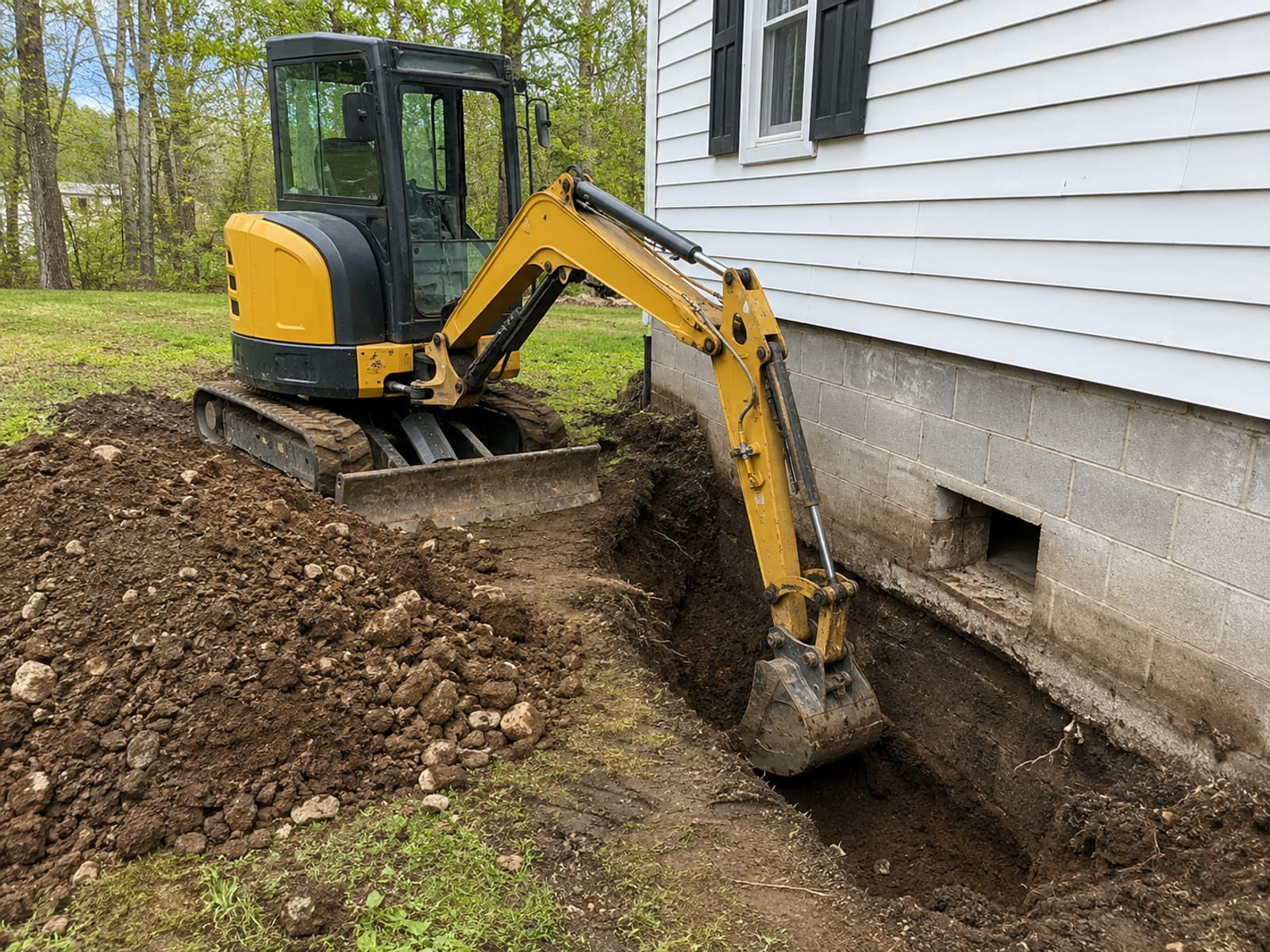
The Crawl Space Excavation Process
A well-run crawl space excavation project follows a clear sequence. Skipping steps, especially the ones that happen before any digging starts, is where most problems originate. The process below reflects what should happen on a properly planned project, from the first site walk to the final grading pass.
Several conditions need to be understood before work begins, and the order of steps matters. Rushing to mobilize equipment without knowing what is in the ground, where the water goes, or whether a foundation wall will be exposed is how projects go sideways. A contractor who has worked Oxford properties and similar Naugatuck Valley terrain knows that the site inspection is not a formality. It is the step that makes everything that follows accurate.
Step 1: Site Inspection and Goal Definition
Before pricing or planning starts, a contractor should walk the exterior of the home, assess grading and drainage patterns, check yard access for equipment, and get into the crawl space to understand clearance, soil conditions, moisture, and what utilities or drainage systems are present. The goal of the project should be defined at this step, because improving a crawl space can mean very different things. Lowering the floor for clearance, preparing for interior drainage work, improving grading to reduce moisture entry, and trenching for a foundation drainage line all involve different equipment, different labor, and different site considerations.
Step 2: Excavation, Hauling, Drainage, Grading, and Stabilization
Once the plan is set and utility markouts are complete, the work moves forward. Soil is removed or reshaped based on the defined goal. Hauling is coordinated so material leaves the site without creating a staging problem for the next phase. If drainage pipe, stone, or other materials are going in, those are installed as part of the excavation sequence rather than as a separate return visit. Exterior grading is addressed to direct surface water away from the foundation, and disturbed soil is stabilized when the project wraps up. That final step prevents erosion and leaves the site ready for whatever comes next, whether that is additional crawl space work, landscaping, or final grading.
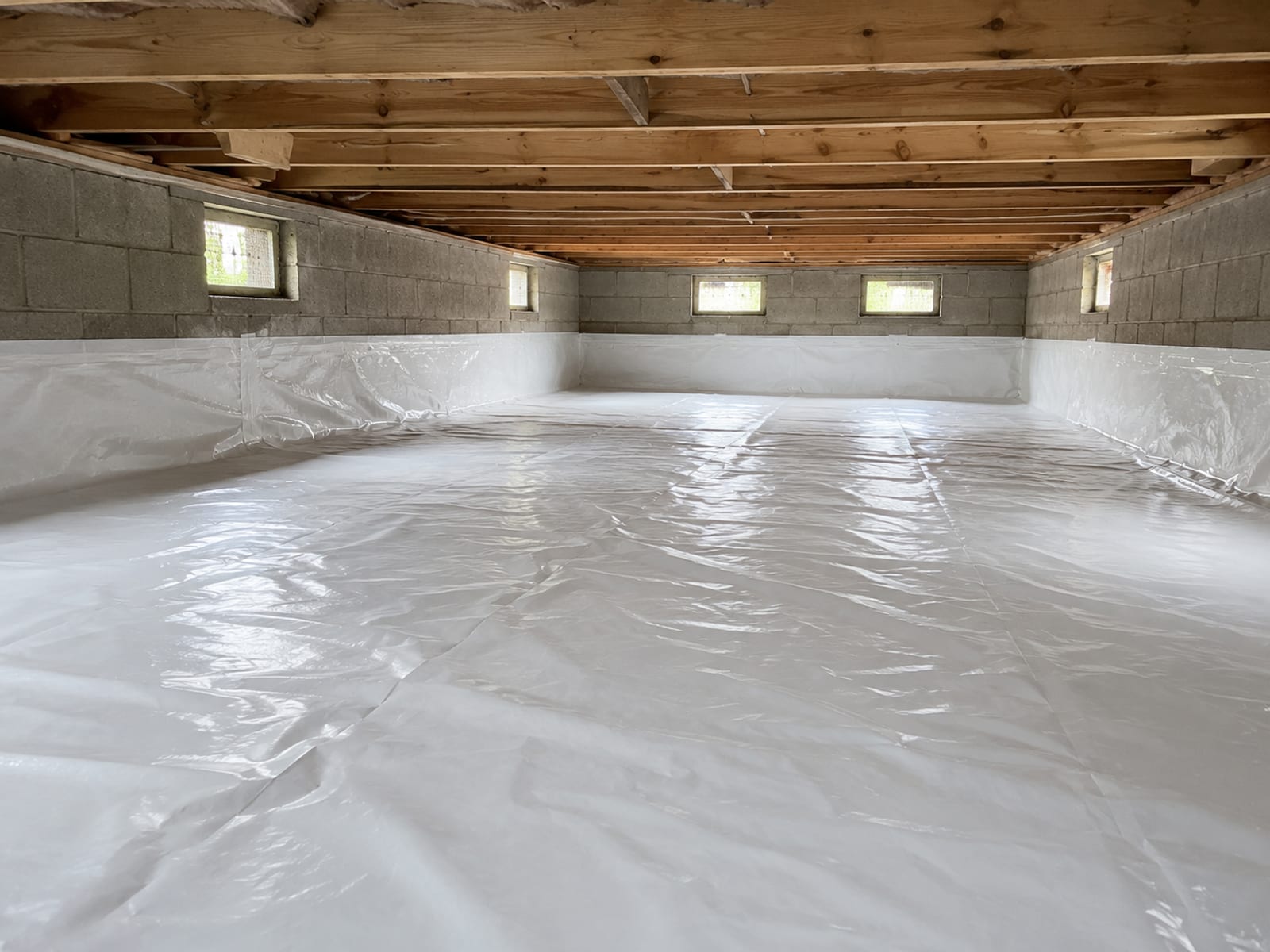
Long-Term Strategy for Crawl Space Excavation
The best long-term approach treats crawl space excavation as part of the property's broader water and drainage plan, not as a one-time fix applied to a symptom. The questions worth asking before any project starts are straightforward: Where is the water coming from? Where can it safely go? What utilities are present? What does restoration look like when work is done?
A property where exterior grading sheds water toward the foundation, where downspouts discharge near the crawl space, and where the yard holds water after every rain will likely see the same moisture problems return after excavation unless the source is addressed at the same time. Stormwater management planning at the property level is not complicated, but it does require someone to look at the whole picture. Residential excavation projects in Oxford CT that include drainage and grading together tend to hold their results longer than projects that address only one part of the problem.
Common Pitfalls to Avoid
Several mistakes show up repeatedly on crawl space excavation projects, and most of them are preventable with a thorough site review before work starts. Knowing what to watch for helps you ask better questions when talking to a contractor.
- Digging without utility markouts: Exterior excavation near a home without contacting CBYD and identifying private lines first is a serious safety risk and a common shortcut.
- Removing soil near footings without structural review: Not every crawl space lowering project requires an engineer, but projects that get close to footing depth should not proceed without confirming the structural implications.
- Ignoring exterior drainage: Taking soil out of the crawl space without addressing where surface water is coming from often means the moisture returns.
- Failing to plan hauling: Soil volume adds up quickly, and not planning for where removed material goes can stall a project or create a secondary problem on the property.
- Underestimating hand labor: Tight access and low clearance make interior crawl space work significantly more labor-intensive than open yard digging. An estimate that does not account for this will not hold.
- Leaving disturbed soil unstabilized: Unsettled, bare soil after excavation is an erosion risk and may create new drainage problems if it is not graded and stabilized before the job is considered complete.
- Assuming a standard price exists: Crawl space excavation estimates need to be based on the specific site. Any number given before a site visit is a rough guess, not an estimate.
Frequently Asked Questions About Crawl Space Excavation Oxford CT
What is crawl space excavation?
Crawl space excavation is the process of removing or reshaping soil under or near a home to improve clearance, access, drainage, foundation work, or preparation for other crawl space improvements. It may be interior work, exterior work around the foundation, or a combination of both, depending on what the home needs.
How much does crawl space excavation cost in Oxford CT?
Cost depends on access, soil volume, whether hand digging is required, rock conditions, moisture and standing water, hauling and disposal, drainage materials, utility complications, permit requirements, and whether structural review is part of the scope. There is no standard price because no two sites present the same conditions. A site visit by a qualified excavation contractor in Oxford CT is the only way to get a number that actually reflects the project.
Can crawl space excavation help with standing water?
It can support drainage improvements when water is collecting under or near the home, but the contractor should identify where the water is coming from before work starts. Removing wet soil without addressing the source, whether that is exterior grading, a drainage path, or surface runoff, often means the water returns. Proper stormwater and drainage planning should be part of any project where water is the main concern.
Do I need a permit for crawl space excavation in Oxford CT?
It depends on scope. Simple interior soil removal for clearance may not require a permit, but work affecting foundation support, significant soil disturbance, drainage changes, or work near wetlands may require review by the Oxford Building Department or other local agencies. Confirming requirements with the town before work starts is always the right call.
Do utilities need to be marked before crawl space excavation?
When any exterior digging is involved, yes. Connecticut's Call Before You Dig system should be contacted to identify public underground utilities before exterior excavation or trenching begins. Private lines, including septic systems, wells, and buried electrical or plumbing, should also be identified separately, since they are not part of the standard markout.
What should a crawl space excavation estimate include?
A complete estimate should explain how access will be handled, what labor method will be used (machine or hand), how much soil will be removed and where it goes, what rock or water conditions were observed, whether drainage work is included, any utility concerns identified, permit or inspection requirements, cleanup, and how the site will be restored when work is complete. An estimate that skips those details is not giving you the full picture.
What makes Oxford CT crawl space excavation different from other areas?
Oxford's glacial soil, rocky terrain, sloped lots, and mix of well and septic systems create conditions that affect how nearly every project gets planned. Rock removal may be needed where soil maps suggest otherwise. Drainage paths need to account for wet areas and private utilities. Exterior access may be limited by trees, fences, or grade changes. A contractor who works regularly in Oxford and the surrounding Naugatuck Valley towns will account for these conditions in the estimate, not treat them as surprises.
Crawl space excavation in Oxford CT is not a single service with a predictable price. It is a site-specific process shaped by access, soil, water, utilities, and the goals of the project, and understanding those variables is what separates a project that holds up over time from one that creates new problems. The signs pointing to excavation, including low clearance, damp soil, standing water, and limited access for repairs, tend to get worse rather than better when left alone. Taking that flashlight inspection seriously and getting a qualified contractor on site to look at actual conditions is the right next step.
When crawl space excavation is done with drainage and grading as part of the plan, the results last longer. Water is redirected at the source, soil is stabilized after removal, and the property is left in better condition than the work found it. That approach takes more planning upfront but avoids the cycle of addressing symptoms without fixing the underlying drainage or access problem.
We work throughout Oxford CT, Seymour CT, and the surrounding Naugatuck Valley towns, and we understand the terrain these projects happen on. At Prestige Property Maintenance, we handle the full sequence of site work with one crew: excavation, drainage, grading, rock removal, and site preparation, so the crawl space excavation and any related drainage or grading work moves forward without waiting on separate contractors. If your crawl space is too tight to work in, holding water, or blocking repairs that need to happen, contact us to schedule a site visit. We will look at the actual conditions under and around your home, explain what we see, and give you an estimate that reflects what the project actually involves.
Related Articles
Excavation in Oxford CT: A Homeowner's Guide to Getting It Right
Oxford CT excavation covers more than digging. Here's what homeowners need to know about rock, permits, utilities, and getting the site done right.
Oxford CT Land Clearing Without the Budget Surprises
Prestige Property Maintenance offers land clearing in Oxford CT for homes, driveways, and build sites. One crew, clear pricing, and work that holds up long term.
Why Your Oxford CT Driveway Keeps Failing: And How Excavation Fixes It
Crumbling driveway in Oxford CT? Prestige Property Maintenance handles full driveway and roadway excavation, drainage, grading, and paving prep.