Woodbury CT Excavation Company: What to Look For
Kash CochranePublished Updated
- hiring a contractor
- residential excavation
- woodbury ct
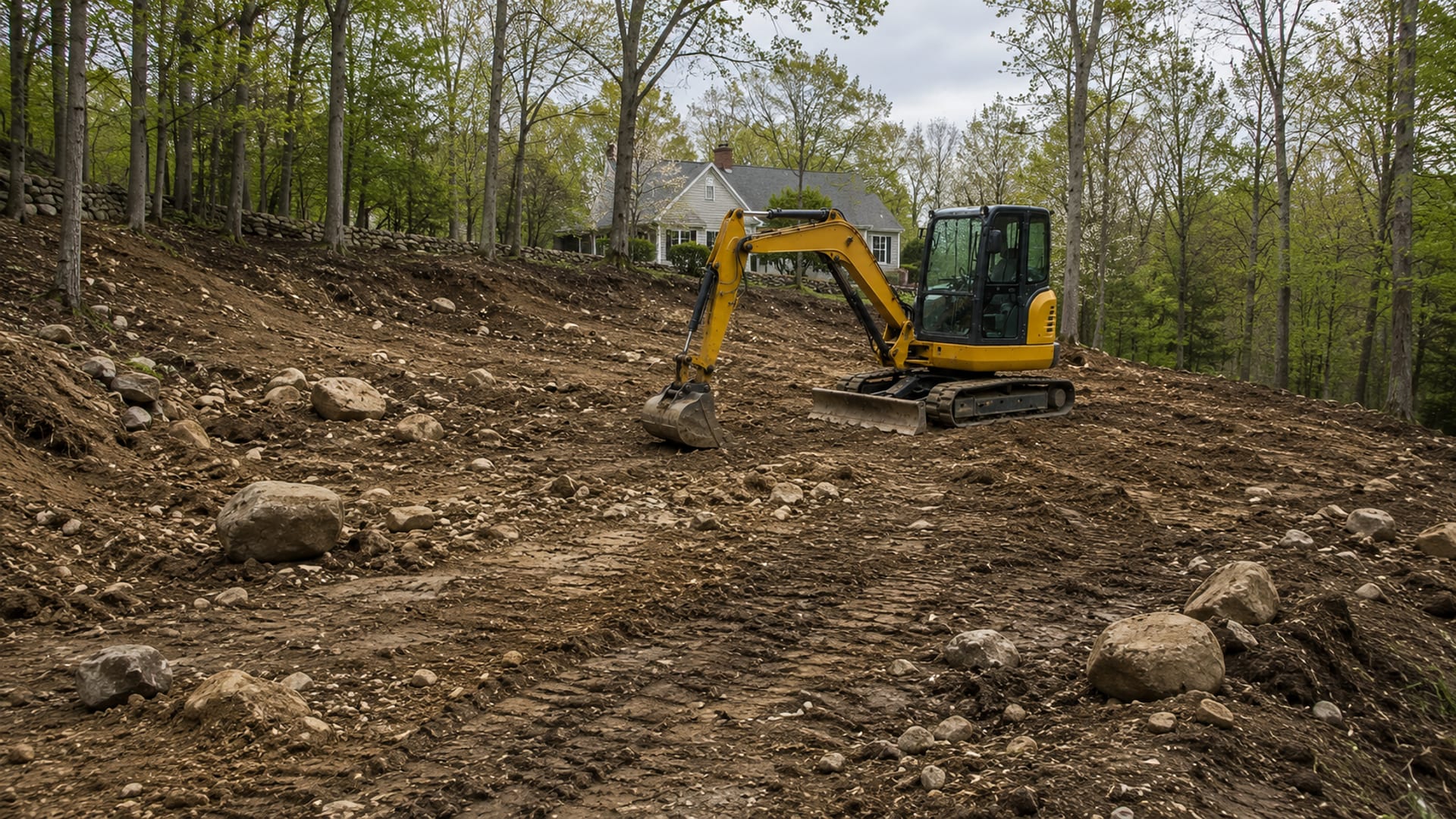
Nobody searches for an excavation company in Woodbury CT out of idle curiosity. You might be staring at a driveway that keeps sinking after every hard rain, a wooded lot that needs to be cleared before a foundation can go in, or a slope that washes out every spring and takes a little more yard with it each time. You've probably heard enough from neighbors to know that picking the wrong contractor can stretch a one-month project into a season-long problem, with new drainage issues, extra costs, and a site that looks worse than when it started. The challenge is that most homeowners haven't hired an excavation contractor before, and the differences between a qualified crew and a low-bid gamble aren't obvious from a website or a phone call. Knowing what questions to ask, what a real estimate should cover, and why Woodbury's specific property conditions change the whole calculation can make that comparison a lot cleaner. That's what this article is here to help you work through.
Key Takeaways
Look beyond digging
A strong excavation company should understand grading, drainage, access, utilities, soil, and erosion control, not just how deep to dig.
Local experience matters
Woodbury properties can include rocky glacial soil, wooded lots, steep slopes, wetlands proximity, wells, septic systems, and long private driveways that affect every phase of site work.
A clear estimate is non-negotiable
The quote should spell out excavation scope, hauling, materials, grading, drainage, cleanup, and how the contractor handles unknowns like buried rock.
Utility markouts are a required step
Connecticut's Call Before You Dig process may need to happen before any digging starts.
Permits may apply
Building, zoning, driveway, wetlands, stormwater, or erosion review may come into play depending on your project and your lot.
Drainage should be part of the conversation early
Poor water control after excavation can damage driveways, foundations, retaining walls, and the surrounding yard for years.
Why Choosing the Right Excavation Company Matters
Most people think of excavation as the beginning of a project, a necessary step before the real work starts. The problem is that what happens during site work can shape everything that comes after it. Poor excavation can cause drainage failures, soil settling, driveway washouts, erosion, and delays for whoever is doing the next phase of construction. When it goes wrong, it rarely stays contained to one spot on the property.
The reason this happens so often isn't that excavation contractors are careless. It's that not every contractor thinks about site work the way a site problem actually unfolds. Water doesn't stop moving when the crew leaves. Soil compaction affects what you can build on it. Rock that gets left in the wrong place or removed without a plan for the resulting void creates problems that show up months later. Connecticut DEEP's soil erosion and sediment control guidelines make clear that disturbed soil carries real downstream risk when it isn't managed properly, which is exactly why the contractor's approach matters as much as the machinery they show up with.
A contractor's site planning process tells you almost everything you need to know before a single machine arrives. The sections below break down what that planning should actually look like and why it matters for properties in Woodbury specifically.
The Contractor Should Evaluate the Full Site
A contractor who only looks at the hole you asked them to dig is missing a significant part of their job. Before any machine moves, a qualified excavation contractor should be thinking about access to the site, the slope and how it drains, what the soil is made of and where it changes, whether there are utilities or septic components in the area, and what the finished grade needs to look like when the work is done. Connecticut's stormwater management standards address this directly: managing where water goes after ground disturbance is not an afterthought, it's part of the work itself.
If you're talking to a contractor and they ask a lot of questions about your property before they quote you a number, that's a good sign. It means they're trying to understand the full scope before they commit to a price, which protects both of you.
Signs You Need a Professional Excavation Company
Most homeowners know they need professional help when something is clearly beyond a shovel and a weekend. But the trigger for calling a residential excavation company in Woodbury CT isn't always dramatic. Sometimes it's a driveway that's been slowly losing its edge for two or three seasons. Sometimes it's a patio or retaining wall project where the contractor doing the finishing work tells you the base needs to come first. Professional excavation covers a wider range of situations than most people expect, and recognizing when you're in one of them is a useful starting place.
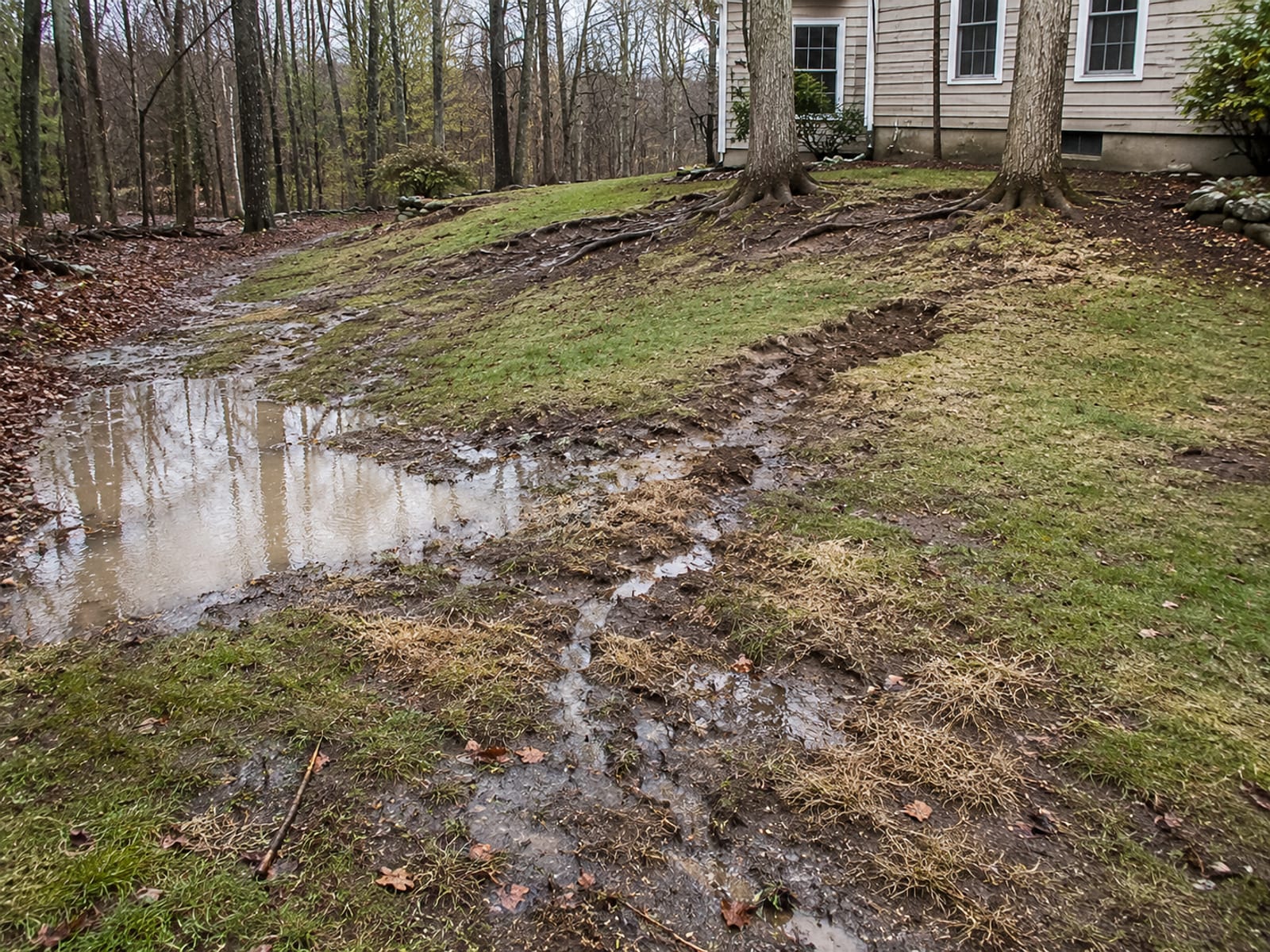
Drainage or Driveway Problems
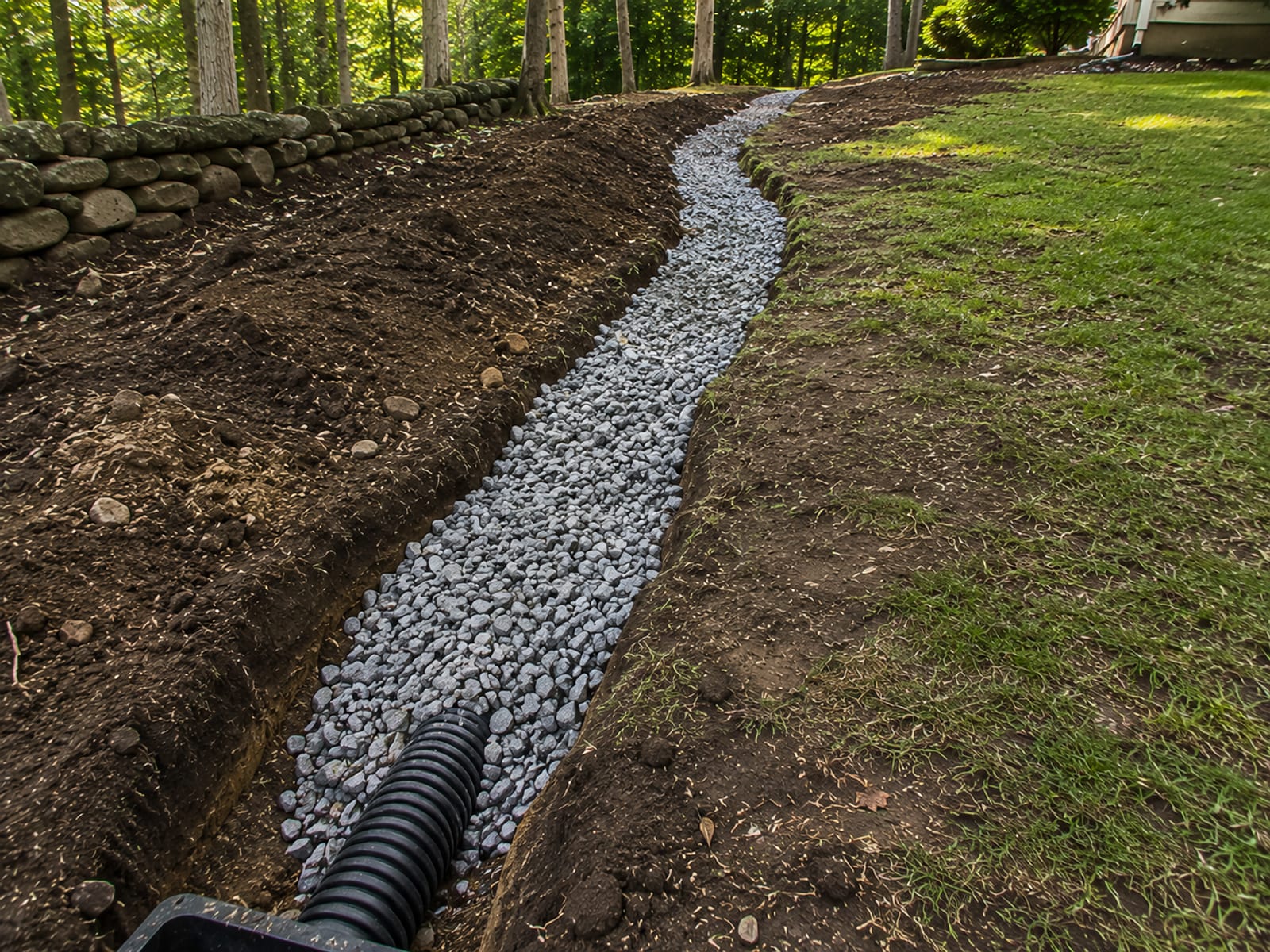
Standing water in a yard, soft spots that don't dry out, rutted driveways, and erosion channels along slopes are all signs that water is moving through the property without a controlled path. These problems often have a grading or drainage correction at their root, not just a surface fix. Bringing in a grading contractor in Woodbury CT to re-establish proper grade or install drainage infrastructure is frequently what separates a lasting repair from a seasonal patch. A drainage contractor in Woodbury CT who understands how water behaves on sloped, rocky ground will approach this differently than someone who only works on flat suburban lots.
Site Preparation or Construction Needs
Foundation excavation in Woodbury CT, patio prep, retaining wall excavation, utility trenching, and land clearing all fall under the category of work that needs professional site preparation before the next phase can begin. Trying to shortcut this step with undersized equipment or without a plan for soil management tends to cause the kind of rework that costs more than doing it right the first time. Site preparation in Woodbury CT that accounts for the full project sequence, from initial clearing through final grading, gives other trades a clean, stable surface to work from.
What to Look For in a Woodbury CT Excavation Company
Comparing excavation contractors can feel like guessing if you don't know what actually separates a good one from a bad one. Price is visible and easy to compare. Scope, communication, and site-planning ability are harder to see until the work is underway, which is too late. A few specific things will tell you a lot about how a contractor operates before you sign anything, and they don't require any special expertise to spot.
Connecticut requires home improvement contractors to be registered with the state, so checking licensing status through the DCP is a reasonable first step. Beyond licensing and insurance, the clearest indicators are how the contractor communicates during the estimate process and whether their quote actually reflects the scope of the work.
Clear Scope and Estimate
An excavation estimate in Woodbury CT should not be a single number on a piece of paper. It should explain what is included for excavation, what equipment will be used, how access to the site will be handled, what happens to the excavated material (hauled away or stockpiled on site), whether stone or fill will be brought in, what compaction is included, how grading will be handled after the dig, whether drainage work is part of the scope, how the site will be cleaned up, and how the contractor handles it if rock or unexpected conditions change the scope mid-project. That last piece matters a lot in Woodbury, where rocky glacial soil can hide buried boulders that don't show up until the machine is already in the ground.
When you get two quotes that are far apart in price, the difference is almost never about one contractor being more generous than the other. It's usually about what one contractor included that the other left out. Hauling, drainage materials, final grading, and erosion controls are the most common places where a low quote gets quiet.
Drainage and Grading Knowledge
A good contractor should be able to explain, in plain terms, where the water is going to go after the work is done. Drainage is not a separate specialty from excavation; it's built into how grading is planned, where slopes are established, and whether swales, pipe, or stone is needed to direct flow away from structures. If you ask that question during an estimate and the contractor can't answer it clearly, that's worth noting. Poor drainage on a Woodbury property can cause wet yards, driveway failures, water pressure against retaining walls, and moisture near foundations, all of which are more expensive to fix after the fact than to plan for from the start.
Permits, Utilities, and Local Review
Excavation in Woodbury CT may touch several different regulatory areas depending on the project scope, and it's worth understanding what those are before work begins. Permit and review requirements vary by project type, lot conditions, and total area of disturbance, so the right approach is to confirm requirements directly with the relevant town departments before any ground is broken. Woodbury has a building department, planning and zoning commission, and an inland wetlands agency that may each have jurisdiction depending on what the project involves and where it's located on the property.
Driveway work, retaining walls, drainage changes, and projects near wetlands or watercourses are among the situations that may require local review or permits. The Woodbury building department is the right starting point for most building-related excavation questions, and the planning and zoning commission may be relevant for larger site work or subdivision-related projects. Checking early prevents the kind of mid-project stop that sets a schedule back by weeks. There are three specific areas where most homeowners run into regulatory questions: utility locations, erosion controls, and permit timing.
Utility Markouts
Before any digging or trenching begins, underground utilities should be located. Connecticut's Call Before You Dig (CBYD) system is the statewide process for identifying buried gas, electric, water, and telecommunications lines before excavation starts. On a Woodbury property with a well, a septic system, and older utility infrastructure, this step is not optional. The location of a septic tank or leach field, a buried propane line, or an underground electric service can change where equipment can safely operate. A contractor who mentions utility markout as part of their standard process is doing what a responsible crew should do.
Erosion and Sediment Control
When soil is disturbed, it becomes mobile. Rain carries it. Runoff picks it up and deposits it somewhere else, whether that's a neighbor's lawn, a storm drain, a road, or a nearby wetland. Connecticut DEEP's erosion and sediment control guidelines and UConn's NEMO program guidance are clear about the responsibility to stabilize disturbed areas and prevent sediment movement off site. For residential excavation in Woodbury CT, this may mean silt fence, seed and straw, erosion blankets, or stone tracking pads at site entrances, depending on scope and conditions. Ask your contractor how they handle this and what gets done before they leave the site for the last time.
The Excavation Process from Start to Finish
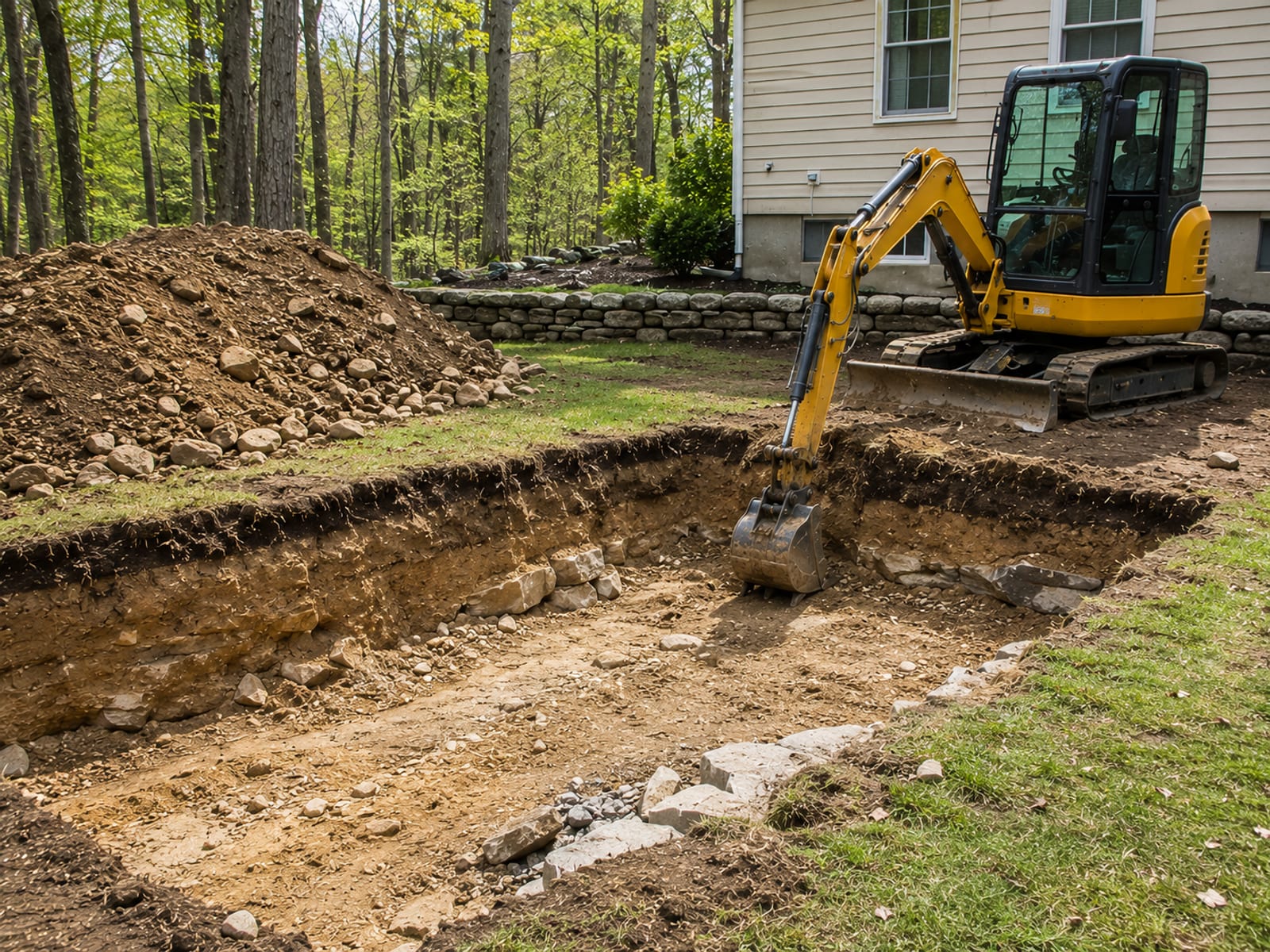
Understanding how a professional excavation company approaches a project from the first call to the last pass of the machine helps you ask better questions and recognize whether a contractor is thinking the way they should. The process is not just about what happens on the day the equipment arrives; it starts with a site evaluation that shapes every decision that follows. The two steps below are where the most important planning happens and where the difference between a careful crew and a careless one becomes obvious.
Step 1: Review the Site and Scope
Before any work is quoted or scheduled, a qualified residential excavation contractor should walk the property. That means looking at how equipment will access the site, where the slope runs and how it drains, what the soil type is and whether rock is likely, where utilities, wells, or septic components are located, whether there are nearby structures that need protection, and what the final use of the area will be. This step also includes identifying any permit or wetlands review that may apply. A contractor who skips this and quotes from photos or a quick phone call is guessing at their price, and the surprises that result usually land on the homeowner.
Step 2: Complete the Excavation and Stabilization
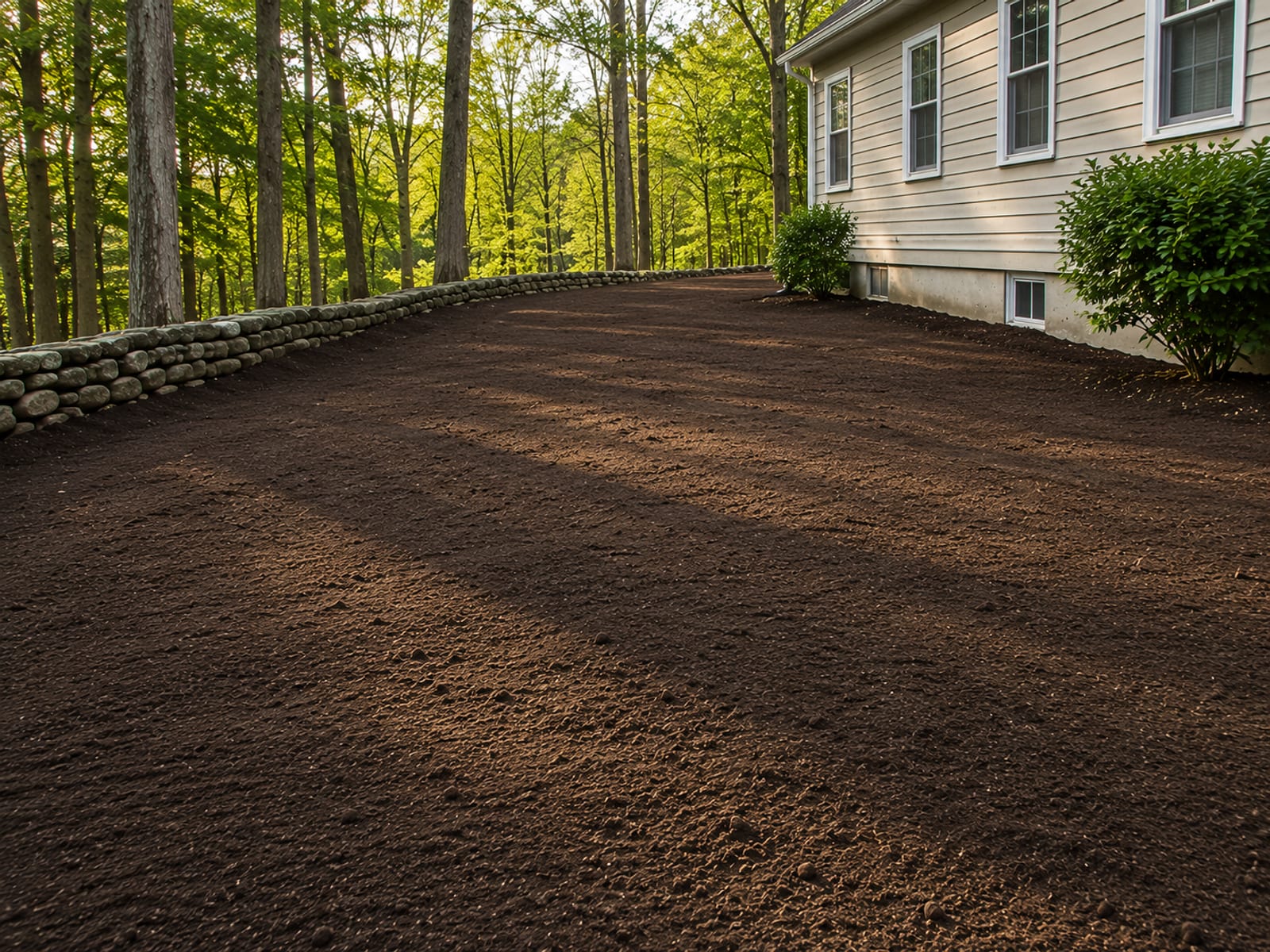
Once the scope is set and any required markouts or permits are in place, the excavation itself can move forward. A professional crew will handle the dig, manage the excavated material according to the plan, deal with rock or boulders as they're encountered, establish the correct grade, install any drainage components that are part of the scope, clean up the work area, and stabilize the disturbed soil before the project is considered complete. The stabilization piece matters as much as the digging. A site that's left with loose, unprotected soil and no drainage path is a problem waiting to develop.
Long-Term Strategy for Better Site Work
The best excavation work doesn't just complete a task; it sets up the next phase of the property correctly. That applies whether the next phase is a foundation, a driveway, a retaining wall, or simply a lawn that holds water where it should. Homeowners who think about this early, and who find a contractor willing to think about it with them, tend to avoid the most expensive problems. Connecticut's stormwater management standards speak to this directly: how water is managed during and after construction has lasting effects on property stability and neighboring land.
Asking a contractor how their work will affect drainage, access for maintenance, nearby structures, and the grade of the surrounding yard is not an unusual request. It's the kind of question a contractor who plans ahead will have a ready answer for. If the answer is vague or the contractor seems surprised by the question, that tells you something.
Common Pitfalls to Avoid
Choosing the wrong excavation contractor in Woodbury CT usually traces back to a small set of avoidable mistakes. Knowing what they are makes it easier to sidestep them.
- Choosing by price alone: The lowest bid often excludes hauling, drainage, rock handling, or final grading, costs that show up later.
- Accepting a vague scope: If the estimate doesn't explain what's included, you have no way to compare quotes or hold the contractor accountable.
- Ignoring drainage: Water management should be part of the excavation plan, not an afterthought or a separate project.
- Skipping utility markouts: Digging without locating underground utilities is a safety risk and can cause serious damage.
- Overlooking permit requirements: Starting work before confirming local requirements can result in stop-work orders or required rework.
- Underestimating rock: Woodbury's rocky glacial soil can include ledge and buried boulders. If the estimate doesn't address this contingency, you may face surprise costs.
- Not discussing cleanup: Who stabilizes the disturbed soil, what happens to excess material, and how the site looks when the contractor leaves should all be agreed on before work begins.
- Hiring contractors who don't coordinate: When land clearing, excavation, grading, and drainage are handled by separate crews who don't communicate, gaps appear in the sequence and the property pays for them.
Frequently Asked Questions About excavation company Woodbury CT
What does an excavation company do?
An excavation company handles digging, grading, trenching, drainage excavation, site preparation, driveway excavation, rock removal, land clearing, and related site-work services. In a town like Woodbury, that often includes working around rocky soil, steep slopes, existing septic systems, and wooded lots that need clearing before other work can begin.
How do I choose an excavation company in Woodbury CT?
Look for a contractor who walks the site before quoting, provides a clear written estimate that covers hauling, drainage, grading, and rock handling, and can explain what happens after the work is done. Licensing and insurance should be verified, and the contractor should be familiar with Connecticut-specific site conditions and local review requirements.
Do excavation projects need permits in Woodbury CT?
It depends on the project scope, the type of work, the amount of soil disturbance, and the location on the property. Work near wetlands, driveway changes, retaining walls, and building-related excavation may all require some form of local review. Checking with the Woodbury building department and the inland wetlands agency before work begins is the right approach.
Do utilities need to be marked before excavation?
When digging or trenching is involved, Connecticut's CBYD utility marking system may be required before work starts. This identifies buried gas, electric, water, and telecommunications lines. On older or rural Woodbury properties with wells and septic systems, knowing what's underground before the machine moves is not optional.
What should an excavation estimate include?
A thorough estimate should cover the work area, equipment access, excavation depth and scope, hauling and disposal of material, any stone or fill being brought in, grading and compaction, drainage components, how rock will be handled if encountered, erosion controls, cleanup, and site restoration. It should also note what is excluded or what conditions could change the price.
Why does drainage matter in excavation work?
When soil is graded or disturbed without a plan for where water goes, the results show up fast. Wet yards, driveway washouts, water pressure against retaining walls, and moisture near foundations are common outcomes of poor drainage planning. Connecticut's stormwater management guidelines address this directly, because unmanaged runoff after ground disturbance affects not just the project site but adjacent properties and waterways as well.
Does forestry mulching count as excavation?
Forestry mulching and excavation are different services but often go together on wooded Woodbury lots. Forestry mulching in Woodbury CT uses a machine to grind trees, brush, and stumps in place, which clears land without the hauling and debris removal that traditional tree service requires. The cleared ground is then ready for excavation, grading, or other site work without the need to wait for a separate crew.
The most useful thing you can take from everything covered here is that a qualified excavation contractor evaluates your whole site, not just the one spot you asked them to address. That means looking at drainage, access, soil type, utilities, septic, slope, and what the property needs to look like when the work is done. Contractors who ask those questions during an estimate are doing their job properly. Those who don't may be setting you up for a follow-up problem that costs more than the original project.
Choosing the right excavation company in Woodbury CT takes a little more time on the front end, but it's time that pays off in a project that actually holds, a yard that drains the way it should, and a site that's ready for whatever comes next. Property owners who approach the hiring process with the right questions tend to get far better results than those who go straight to the lowest number.
We work across Oxford, CT, Seymour, CT, and 19 towns throughout the Naugatuck Valley and western Connecticut, handling the full sequence of site work with one crew. At Prestige Property Maintenance, that means land clearing, forestry mulching, excavation, grading, drainage, retaining walls, and rock removal, all coordinated from start to finish without separate subs or gaps in the sequence. Our crew has spent years working Connecticut's rocky glacial soil, which means we plan for ledge, buried boulders, and water-holding clay before a machine ever moves. If you have a project in Woodbury or the surrounding area and you're ready to talk through the scope, reach out to us at Prestige Property Maintenance and we'll walk the site with you.
Related Articles
Oxford CT Excavation Contractor: What to Look For
Hiring an excavation contractor in Oxford CT? This guide covers what to ask, what a solid estimate should include, and why local site experience makes all the difference.
What to Expect From an Excavation Company in Middlebury CT
Looking for a reliable excavation company in Middlebury, CT? Here's what the process should look like , from the first site visit to final grade.
Residential Excavation Services in CT: Choosing the Right Contractor
Looking for residential excavation services in CT? Here's what Connecticut homeowners need to know about permits, rocky soil, drainage, and choosing the right local crew.