What to Expect From an Excavation Company in Middlebury CT
Kash CochranePublished Updated
- hiring a contractor
- residential excavation
- middlebury ct
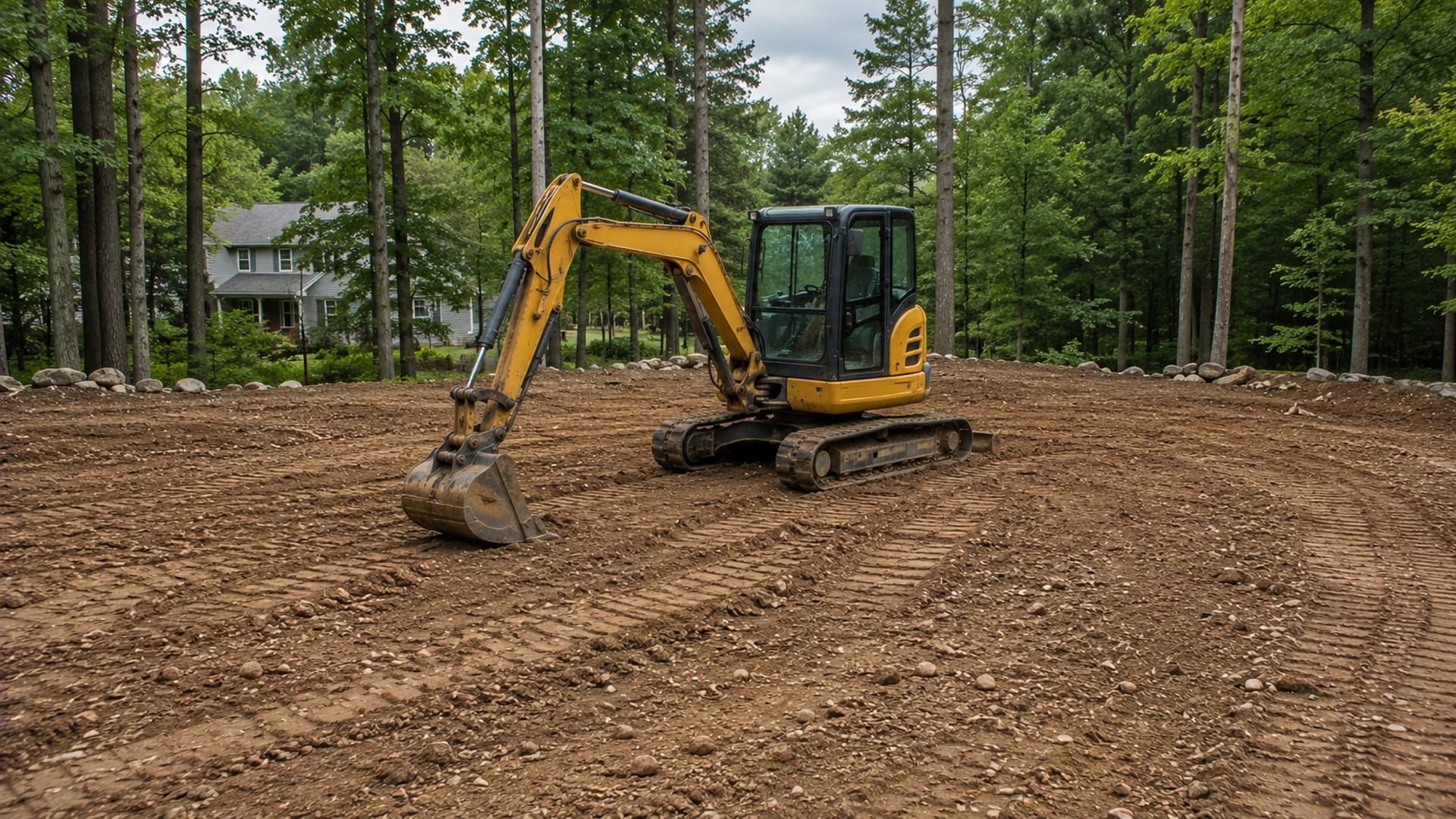
A low spot that fills after every rainstorm, or a driveway edge that keeps sinking and cracking, is the property telling you something needs doing. Searching for an excavation company in Middlebury CT is the easy part. The harder part is figuring out whether the contractor you're about to call actually knows what they're doing on your specific property. Will they show up and just start digging, or will they take the time to understand what's underneath, what's nearby, and where the water is going to go when the work is done? Middlebury properties can present real site challenges: sloped lots, glacial ledge, wooded access lanes, older driveways sitting on decades of weak base material, and drainage patterns that shift with every spring thaw. A contractor who knows this area handles those variables differently than one who doesn't. What you'll find below is a practical walkthrough of what a professional excavation company should do from the first call to the final grade, so you can tell the difference between a company that will get it right and one that will leave you with a bigger problem than you started with.
Key Takeaways
Excavation is more than digging
A professional company reviews access, soil conditions, drainage, utilities, and the intended final use of the area before any equipment arrives on site.
Middlebury properties can have real site challenges
Slopes, rocky soil, wooded lots, and long driveways with failing bases can all affect how a project is planned and priced.
Utility markouts are not optional
Connecticut excavation projects may require Call Before You Dig notification before any soil is disturbed.
Permits may apply depending on your project
Building work, driveway changes, retaining walls, drainage alterations, and proximity to wetlands can trigger town review or permit requirements.
The estimate should be specific and written
A solid estimate covers the work area, machine time, hauling, fill, stone, grading, compaction, drainage materials, and cleanup, not just a total number.
Drainage planning should happen before work begins
Poor water management during or after excavation can cause driveway failure, foundation problems, retaining wall issues, and yard erosion down the road.
Why Choosing the Right Excavation Company Matters
When a driveway fails, water pools near a foundation, or a slope starts eroding, most homeowners think the fix is straightforward. Call someone with a machine, move some dirt, and the problem goes away. In practice, site work doesn't work that way. The excavation decisions made on day one affect how every finished surface above it performs for years afterward.
Connecticut's soil and stormwater conditions add another layer to this. The state's guidelines for soil erosion and sediment control recognize that disturbed soil and altered drainage can create downstream problems if work isn't planned carefully. A contractor who doesn't think about where the water goes after grading, or how compaction affects drainage paths, may technically complete the work while quietly setting up problems that show up a season or two later.
The work below the surface shapes the finished result
Homeowners often focus on what a finished project will look like, and that makes sense. But with driveway excavation, yard grading, drainage excavation, or site preparation, the surface you see is only as good as what's underneath it. A properly excavated and compacted driveway base holds up through freeze-thaw cycles. One built on weak or wet material fails faster than most people expect. The same principle applies to retaining wall foundations, drainage pipe installations, and building pads. Connecticut's stormwater management standards recognize that proper grading and drainage design are the foundation of any site that stays stable over time. Choosing the right contractor from the start is what keeps you from paying twice.
What Prompts Homeowners to Call an Excavation Company
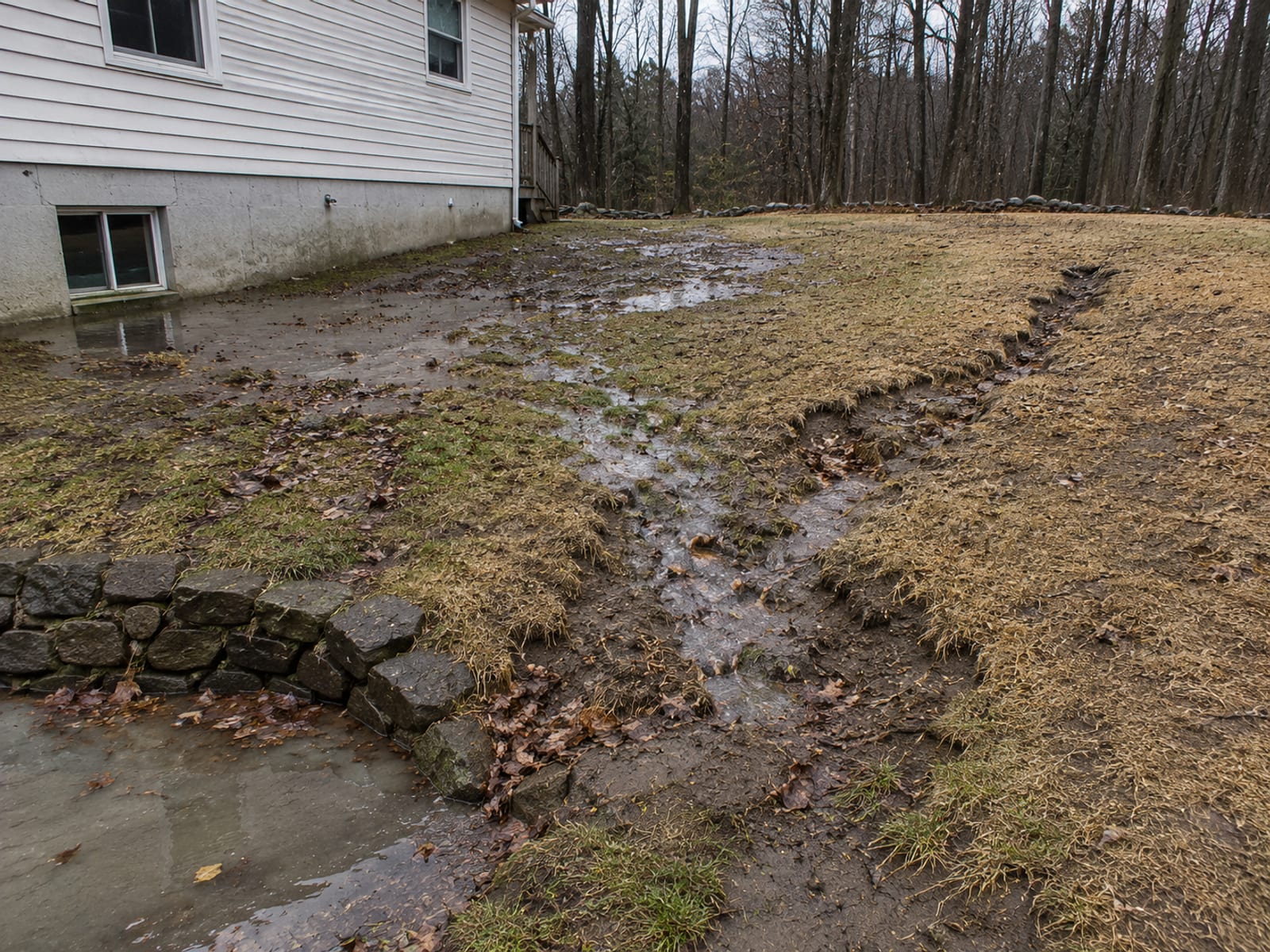
Most calls to a local excavation contractor don't come out of a construction plan. They come from a property problem that's gotten bad enough that the homeowner can't ignore it anymore. Middlebury is a New Haven County town with a mix of established neighborhoods, older homes, wooded residential lots, and sloped properties that see heavy runoff after spring storms. The problems that come with that type of property profile are predictable, and most of them have a direct connection to excavation and grading work. The two most common categories are drainage and slope issues, and new construction or site preparation needs.
Drainage, slope, and driveway problems
Standing water near a foundation, a soggy low spot in the yard that never fully dries out, and driveway edges washing away after heavy rain are among the most common reasons Middlebury homeowners search for drainage solutions or a grading contractor. Soil erosion guidance from UConn NEMO points out that sloped properties shed water quickly and that erosion tends to accelerate once vegetation is thin or disturbed. On many Middlebury lots, the original grading has shifted over decades of freeze-thaw cycles, and what was once adequate drainage no longer handles the water load. Wet yard excavation, swale work, pipe installation, and re-grading are often needed together rather than as separate fixes.
Construction and site-prep needs
A separate category of calls comes from homeowners planning something new. An addition, detached garage, retaining wall, utility trench, or major driveway rebuild all require site preparation before any above-ground construction can begin. Land clearing projects often fall into this group too, particularly on wooded back lots where a homeowner wants to open up usable space before spring. In these cases, the excavation company is often the first trade on site and the one whose work determines whether every other contractor behind them has a stable, properly drained area to work with.
What to Expect During the Estimate
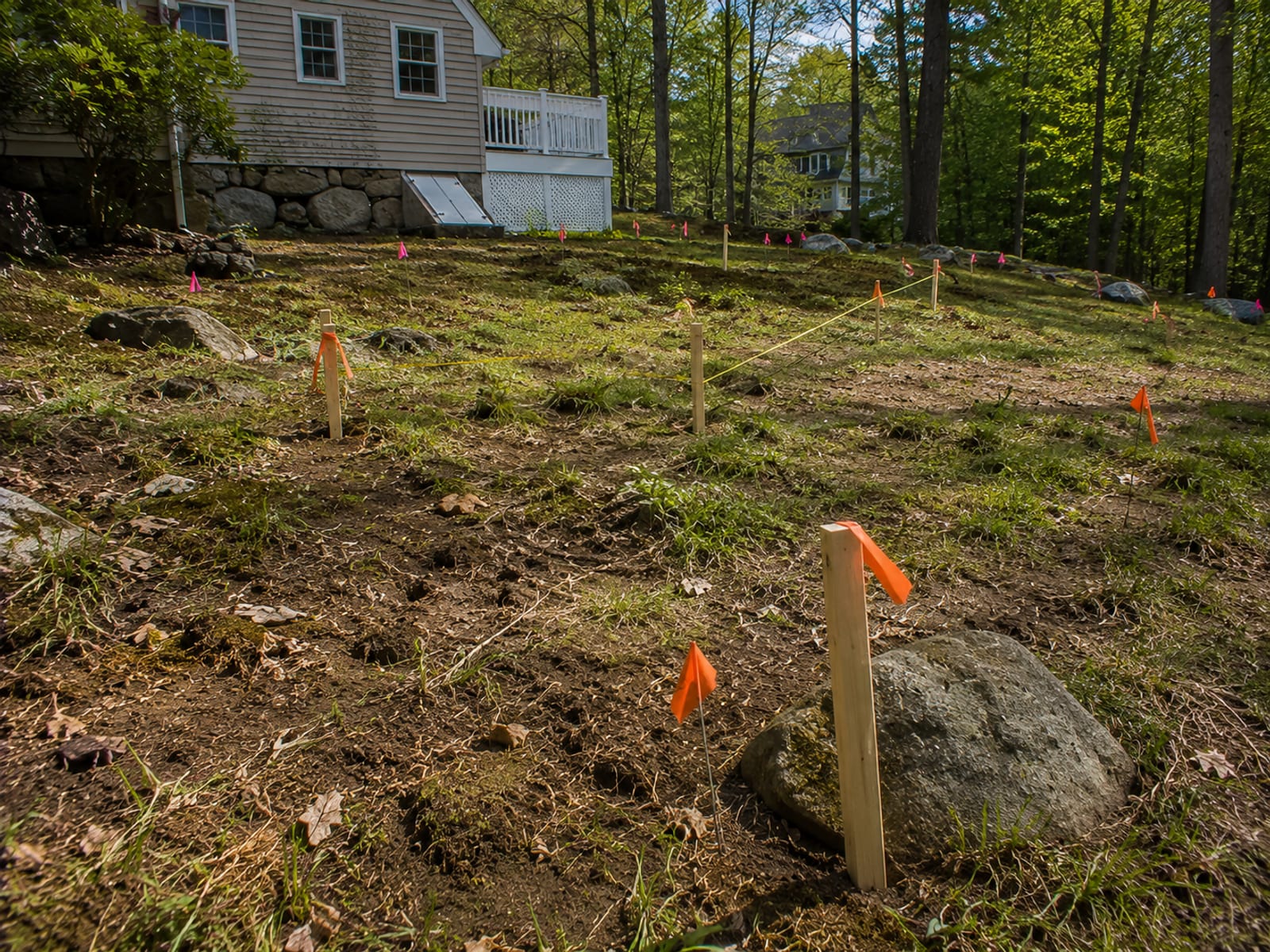
The estimate phase is where a professional excavation company earns your confidence or loses it. A contractor who shows up, glances at the property for five minutes, and texts you a number hasn't actually done the work of estimating the job. A thorough estimate requires a real site review, and what happens during that review tells you a great deal about how the contractor will handle the work itself. Middlebury properties in particular have enough variability that skipping this step is a serious risk.
Site access and equipment planning
Before any pricing is discussed, a contractor should walk the property with an eye toward logistics. That means looking at driveway access and whether the lane can support the weight of loaded equipment. It means checking overhead clearance near trees and utility lines, noting how close the work zone sits to a septic system, a well, or an existing retaining wall, and identifying any mature trees whose root systems could be damaged by heavy equipment. On many Middlebury lots with long wooded driveways, equipment staging is a real planning issue. A contractor who doesn't ask about these things during the estimate is someone who hasn't thought through what the job actually requires.
Written scope and pricing details
A good excavation estimate in Middlebury CT should be written and specific. It should tell you the work area, what equipment will be used, how many loads of material are being hauled, whether fill or stone is included, and what happens to disturbed soil at the end. It should also address drainage materials, grading and compaction expectations, any erosion controls needed, and who is responsible for permit applications and utility markout coordination. Pricing in site work can change when unexpected rock, wet soil, or undocumented underground utilities are found. A professional will explain that possibility upfront and tell you how scope changes would be handled, rather than surprising you with it mid-project.
Permits, Utility Markouts, and Local Rules
Excavation work in Connecticut often touches more than just the soil. Depending on the project, local permits, state stormwater requirements, and utility safety protocols may all apply. Getting this part wrong can delay a project, create liability, or result in work that has to be redone. A contractor familiar with Middlebury should bring these considerations up during the estimate rather than leaving them for you to sort out afterward.
Utility markouts before excavation
Connecticut requires that underground utilities be located before excavation begins. The state's Call Before You Dig program coordinates the marking of underground gas lines, electric, water, sewer, and communications infrastructure before any soil is disturbed. Skipping this step is both unsafe and a legal exposure. On older Middlebury properties, utility lines don't always run where you'd expect them to, and some have been added over the years without being well documented. A contractor who includes utility markout coordination in their process is doing this correctly.
Middlebury land-use considerations
Middlebury's town government includes a building department, a planning and zoning commission, and an inland wetlands commission, all of which can be relevant depending on the scope and location of a project. Driveway work, retaining wall construction, significant grading, drainage changes, and projects near wetland buffers may require town review or permits before work can begin. The CT DEEP construction stormwater general permit may also apply to larger soil disturbance projects. Permit requirements depend on the specific project, the size of the disturbed area, proximity to wetlands or drainage features, and other factors. An excavation contractor familiar with working in Middlebury should be able to tell you what review might be needed and help you get ahead of it.
The Excavation Process
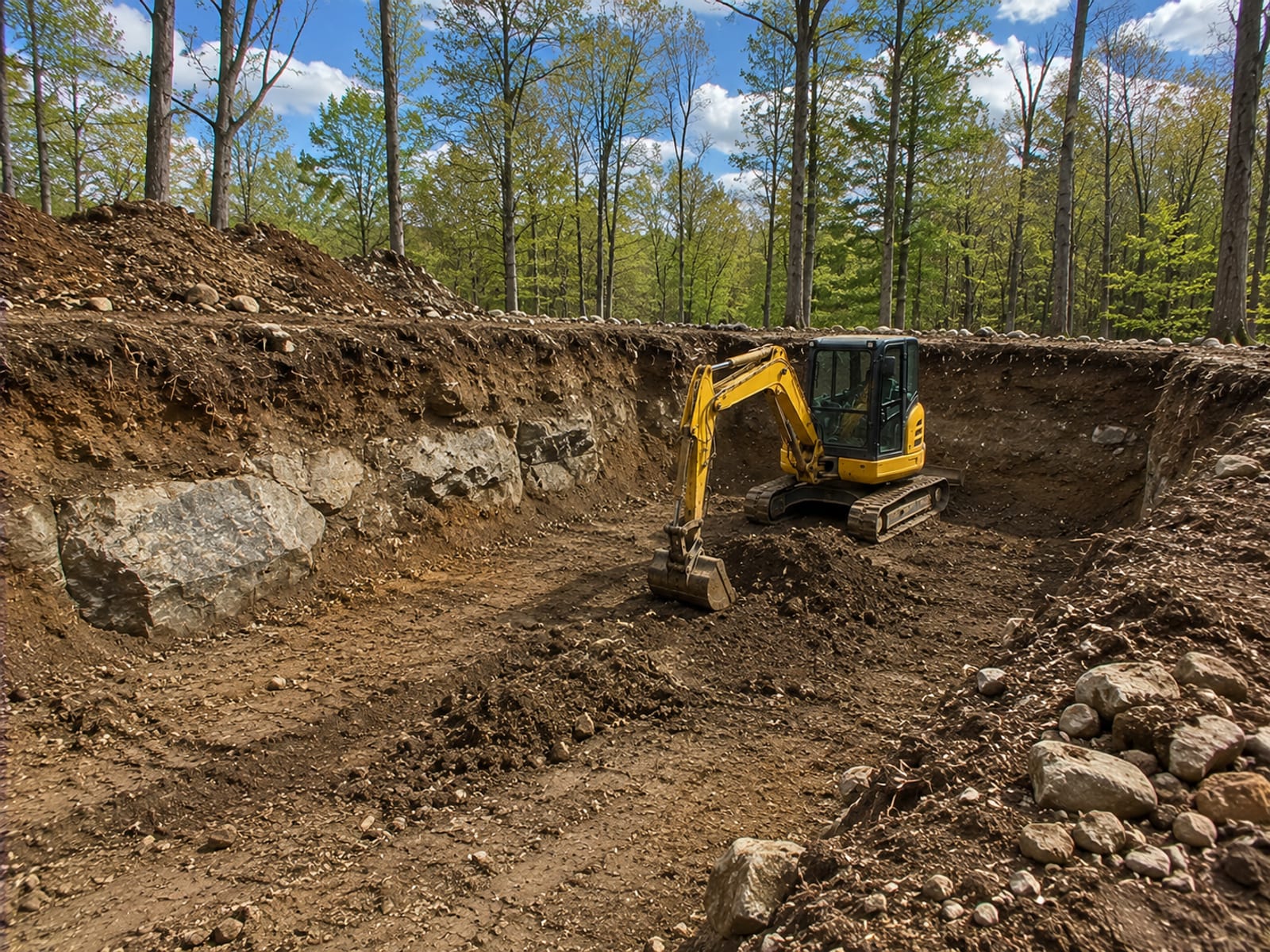
A reliable excavation and grading contractor doesn't just show up and start moving dirt. There's a sequence to professional site work, and each step in that sequence protects the quality of what comes after it. Homeowners who understand the process are better positioned to ask the right questions and recognize when something is being skipped. The two core phases are pre-work planning and the active work itself, and both deserve the same level of attention.
Step 1: Plan the site before the equipment arrives
Before any earth moving begins, the contractor should have a clear plan that accounts for access, utility locations, soil conditions, slope direction, drainage paths, disposal needs, permit status, and the final intended use of the area. On a Middlebury property with glacial ledge near the surface, that planning step may include identifying where rock removal will be needed. On a sloped lot with a wet low area, it means understanding where water currently flows and where it needs to go after grading changes the terrain. This planning work is what separates a contractor who understands your property from one who's guessing.
Step 2: Complete the work and stabilize the site
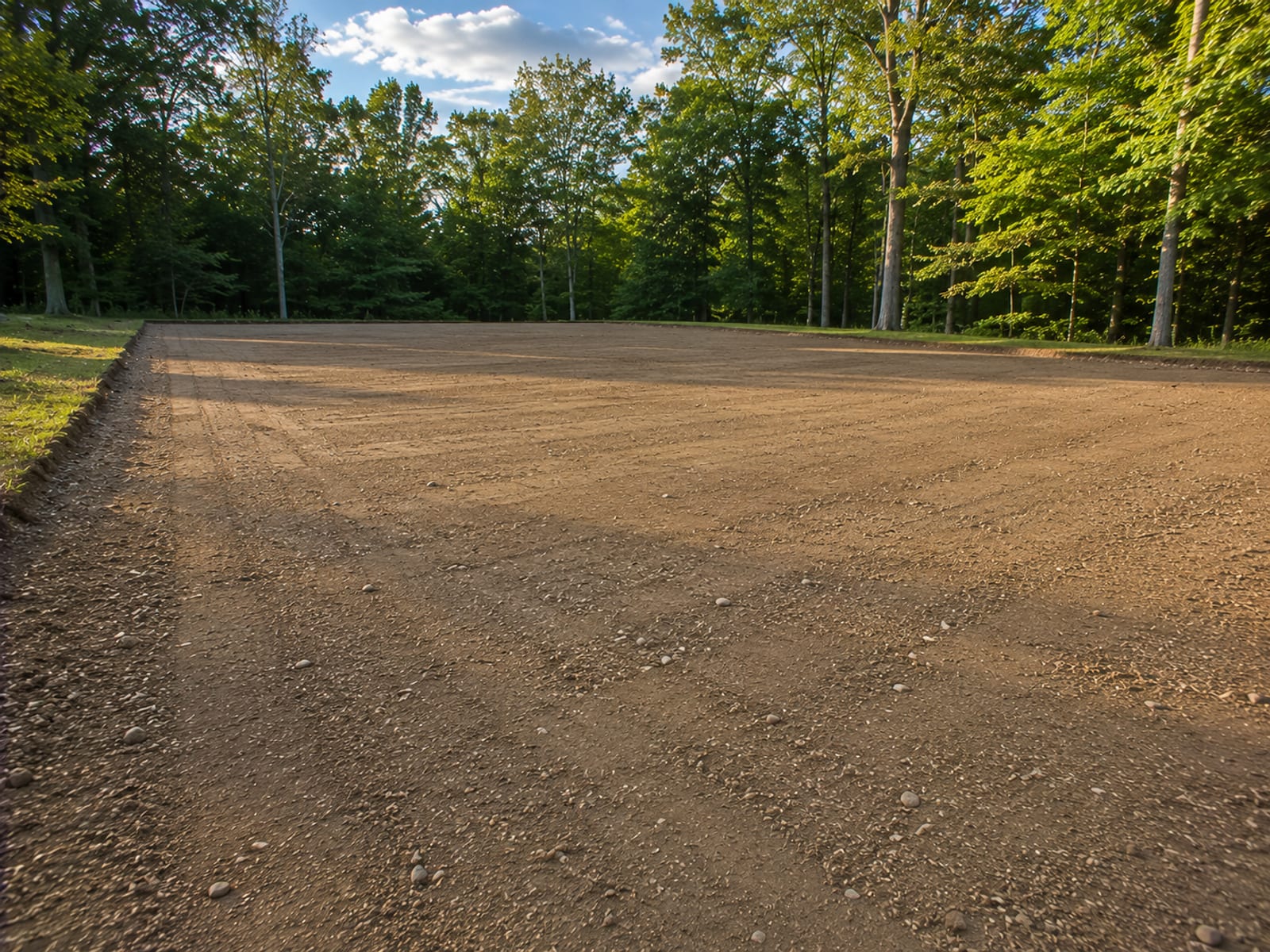
Once work begins, the contractor excavates the area, moves or hauls material, manages drainage needs as the work progresses, compacts surfaces that require it, and installs any drainage pipes, swales, catch basins, or other water-control features that are part of the scope. When the major work is done, disturbed soil should be stabilized to prevent erosion. Connecticut's soil erosion and sediment control guidelines provide the standard for what that stabilization should look like on construction sites. Before the contractor leaves, you should know what the final grade looks like, where water is designed to flow, and what, if anything, still needs to be done before seeding, paving, or other finish work begins.
Long-Term Strategy for Better Results
The best outcome from any excavation project comes when the contractor thinks about the whole property, not just the area being dug. A contractor who grades one section of the yard without considering where the water goes next door, or who rebuilds a driveway base without addressing the drainage pipe that runs beneath it, has technically completed the work while leaving the root problem in place.
Before approving a scope, ask a few direct questions: Where is the water going after the grade changes? How will the disturbed soil be stabilized? What restoration is included, and what isn't? Are there conditions, like buried rock or wet soil, that could change the scope once work starts? A contractor who answers these questions clearly and without hesitation is one who has thought the project through. One who deflects or gives vague answers is worth a second opinion. The CT stormwater management standards are built around exactly this kind of whole-site thinking, and the best local excavation contractors apply the same logic on residential projects.
Common Pitfalls
Homeowners who've had a bad experience with site work can usually trace it back to one of a handful of familiar mistakes. Understanding them ahead of time can help you avoid them.
- Choosing based only on price: The lowest bid often reflects the least amount of planning. In site work, skipped steps show up as failures later.
- Accepting a vague estimate: If the scope isn't written down and specific, there's no shared understanding of what the job includes. Disputes become likely.
- Skipping utility markouts: Hitting an underground line is dangerous, expensive, and avoidable. This step shouldn't be optional on any excavation project.
- Ignoring drainage: Drainage problems that aren't fixed during excavation tend to get worse, not better. Address water flow as part of the project, not as an afterthought.
- Assuming permits aren't needed: Some projects do require town review or permits. Starting without them can create problems that are harder to fix after the work is done.
- Not discussing cleanup and restoration: Some contractors consider their work finished when the digging is done. Ask specifically what site cleanup and soil stabilization are included.
- Failing to plan for rock or wet soil: Middlebury's glacial soil can hide ledge or large boulders. If the contractor hasn't mentioned this possibility, ask how it would be handled and priced.
Frequently Asked Questions About Excavation Company Middlebury CT
What does an excavation company do?
An excavation company handles digging, grading, trenching, drainage excavation, driveway excavation, site preparation, rock removal, land clearing, and related ground work. Many projects involve a connected sequence of services rather than a single task. A driveway rebuild, for example, may include base removal, drainage correction, stone installation, grading, compaction, and paving prep all handled by the same crew.
Do I need utility markouts before excavation in Middlebury CT?
Yes, in most cases. Connecticut's Call Before You Dig system coordinates the marking of underground utilities before soil is disturbed. Your contractor should either handle this coordination or confirm that it's been completed before equipment arrives. On older Middlebury properties, utility routing can be unpredictable, which makes this step especially worth doing.
Do excavation projects in Middlebury CT require permits?
It depends on the project. Building work, driveway changes, retaining wall construction, drainage alterations, and projects near wetlands may require review by Middlebury's building department, the planning and zoning commission, or the inland wetlands commission. Larger soil disturbance areas may also trigger state stormwater requirements. A contractor familiar with the area should be able to tell you what applies to your specific project.
What should an excavation estimate include?
A good estimate should spell out the work area, equipment and machine time, hauling and disposal, fill or stone materials, drainage components, grading and compaction expectations, erosion controls, final cleanup, and who is responsible for any permits or utility markout coordination. Pricing contingencies for buried rock, wet soil, or unexpected conditions should also be addressed so there are no surprises once work starts.
Can an excavation company fix drainage problems?
Many drainage problems require excavation, grading, trenching, pipe installation, swales, or catch basins. A contractor should evaluate where the water originates, where it collects, and where it can safely discharge before recommending a fix. Partial fixes that address only one part of the drainage path often fail. Connecticut stormwater standards reflect the same whole-system approach that a good residential contractor should apply.
How do I choose the right excavation company in Middlebury CT?
Look for a contractor who carries appropriate insurance, has local experience with Middlebury's soil and site conditions, provides a written and specific scope, communicates clearly about permits and utility markouts, and plans for drainage as part of the project rather than as a separate concern. Connecticut's home improvement contractor licensing requirements are worth reviewing so you know what credentials to ask about. A contractor who is willing to walk your property, answer your questions directly, and put the scope in writing is starting the relationship the right way.
Final Thoughts
Hiring an excavation company in Middlebury CT is not a decision to rush, and the contractor you choose affects everything that comes after the ground is disturbed. A professional company should visit your site, ask about drainage and final use, explain what the estimate includes, and handle utility markout coordination before any equipment is unloaded. Middlebury's combination of sloped lots, rocky glacial soil, wetland-sensitive areas, and older homes with aging driveways means that good planning isn't optional. It's what separates work that holds up from work that has to be redone. The questions you ask before signing an estimate are the ones that protect you most.
When excavation is done well, the benefits go well beyond fixing the immediate problem. A properly graded yard stays dry. A driveway with a solid base holds up through winters instead of cracking after the first hard freeze. A drainage correction done right can protect a foundation for years. Getting site work right the first time saves money, prevents property damage, and removes the stress of watching a past mistake slowly surface again.
We're based in Oxford, CT and serve Middlebury and the surrounding area with a full range of site work services. At Prestige Property Maintenance, our crew handles everything from excavation and land clearing to forestry mulching, stump grinding, drainage solutions, retaining wall construction, rock removal, driveway excavation, paving prep, trenching, and erosion and sediment control. If you're trying to figure out the scope of a project, have drainage concerns you want someone to look at, or need site preparation before another trade can start, reach out to schedule a site visit and get a written estimate from a contractor who knows this area.
Related Articles
Oxford CT Excavation Contractor: What to Look For
Hiring an excavation contractor in Oxford CT? This guide covers what to ask, what a solid estimate should include, and why local site experience makes all the difference.
Woodbury CT Excavation Company: What to Look For
Hire the right excavation company Woodbury CT homeowners trust by learning what to evaluate, what estimates should include, and how local conditions affect your project.
Residential Excavation Services in CT: Choosing the Right Contractor
Looking for residential excavation services in CT? Here's what Connecticut homeowners need to know about permits, rocky soil, drainage, and choosing the right local crew.