Level Uneven Yards With Expert Excavation in Oxford, CT
Kash CochranePublished Updated
- yard leveling
- grading
- oxford ct
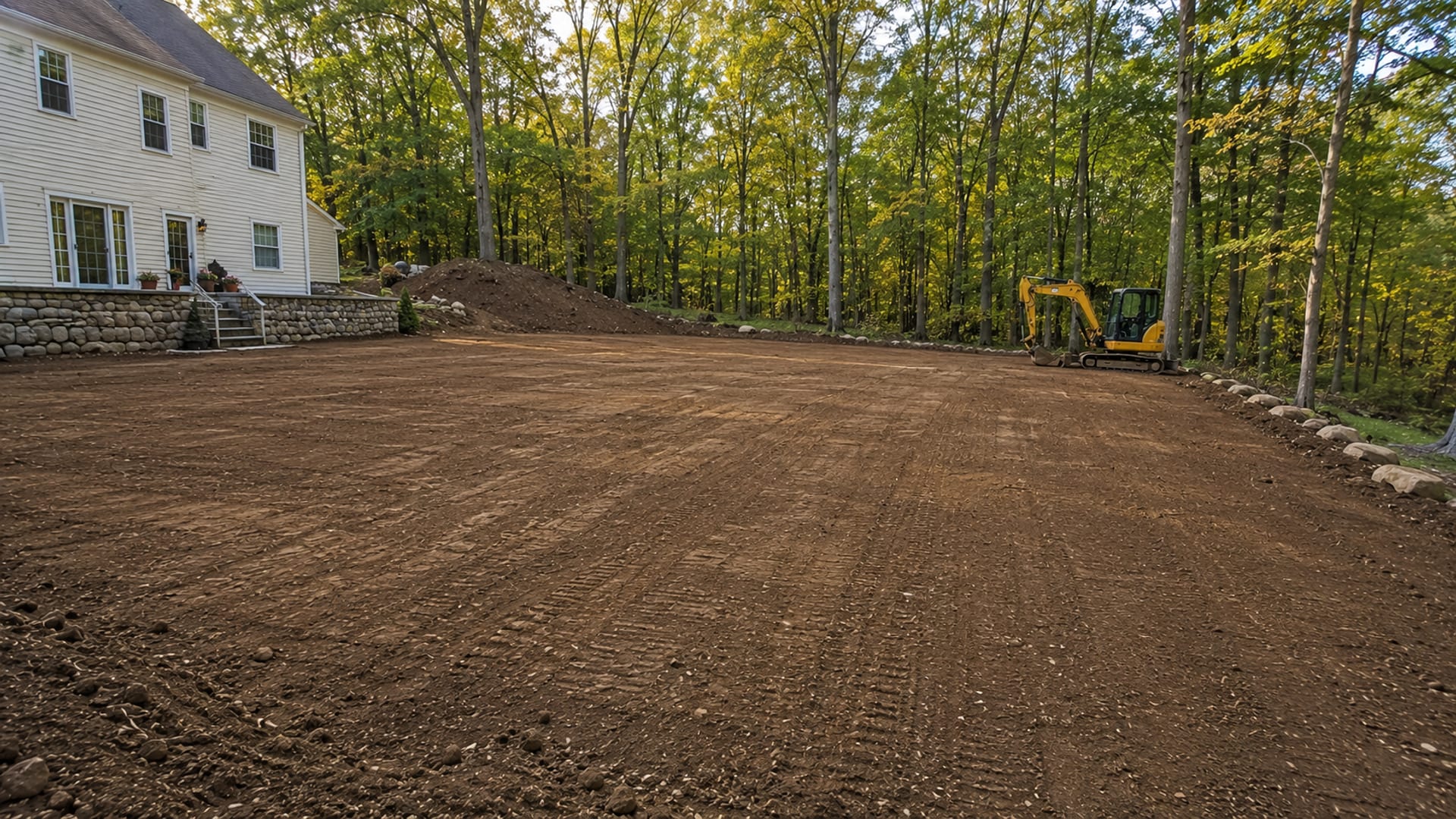
Twenty feet from the foundation, a low spot fills with water after every heavy rain, and you already know the feeling. Yard leveling in Oxford CT is one of those problems that looks manageable on the surface but often points to something deeper going on with your property's drainage and soil. That wet patch near the back corner, the bumpy area where a big oak came down a few years ago, the slope you fight the mower across every week: these are not just cosmetic annoyances. They can quietly direct water toward your foundation, your driveway, or a neighboring property in ways that add up to real damage over time. Oxford lots come with their own set of challenges: rocky glacial soil that freezes and heaves every winter, wooded acreage that leaves uneven ground behind when trees come down, slopes that were never properly graded in the first place. A contractor who shows up with a load of topsoil and a rake may leave your yard looking better for a season, but they probably have not fixed what caused the problem. What you need is someone who reads the yard first, then makes a plan. That is exactly what separates a proper yard leveling job from a temporary patch.
Key Takeaways
Yard leveling is not just adding soil
Larger problems may require excavation, grading, drainage planning, compaction, and restoration before any seed or sod goes down.
A flat yard is not always the goal
The finished surface still needs a slight pitch so water drains safely away from your home and other structures.
Oxford soil can be challenging
Rocky ground, wooded lots, steep slopes, septic systems, wells, and old drainage patterns all affect how a leveling project should be planned.
Drainage should be checked first
Filling a low spot without correcting the water flow underneath can cause the same problem to return in a season or two.
Utility markouts may be needed
Excavation or trenching should never happen without identifying underground services first through Connecticut's Call Before You Dig program.
A good contractor plans for the final use
Whether you want a lawn, patio, shed pad, play area, or garden, the preparation underneath changes depending on what goes on top.
Why Yard Leveling Matters in Oxford CT
An uneven yard is more than an inconvenience. Rough or sloped ground makes mowing harder, creates trip hazards, and turns certain parts of your property into places you avoid instead of use. In Oxford CT, those problems are made worse by the region's terrain and soil. Connecticut's rocky glacial soil, seasonal freeze-thaw cycles, wooded lots, and spring runoff all work together to shift and sink ground that may have been reasonably level years ago. Once a slope develops or a depression forms, water tends to find that path every time it rains, making the problem larger with each passing season.
A usable yard still needs drainage
The goal of residential yard leveling is not to create a perfectly flat surface. A yard that sits completely flat can actually hold water rather than shedding it, which trades one problem for another. The right result is a yard that is usable and comfortable underfoot while still carrying water away from your home, driveway, walkways, and other structures at a controlled rate. Connecticut stormwater management standards recognize that how water moves across a residential property matters not just for the homeowner but for neighboring lots and local drainage systems as well. That is why yard grading in Oxford CT should always account for where the water goes after the work is done, not just whether the surface looks even.
Signs Your Yard May Need Leveling
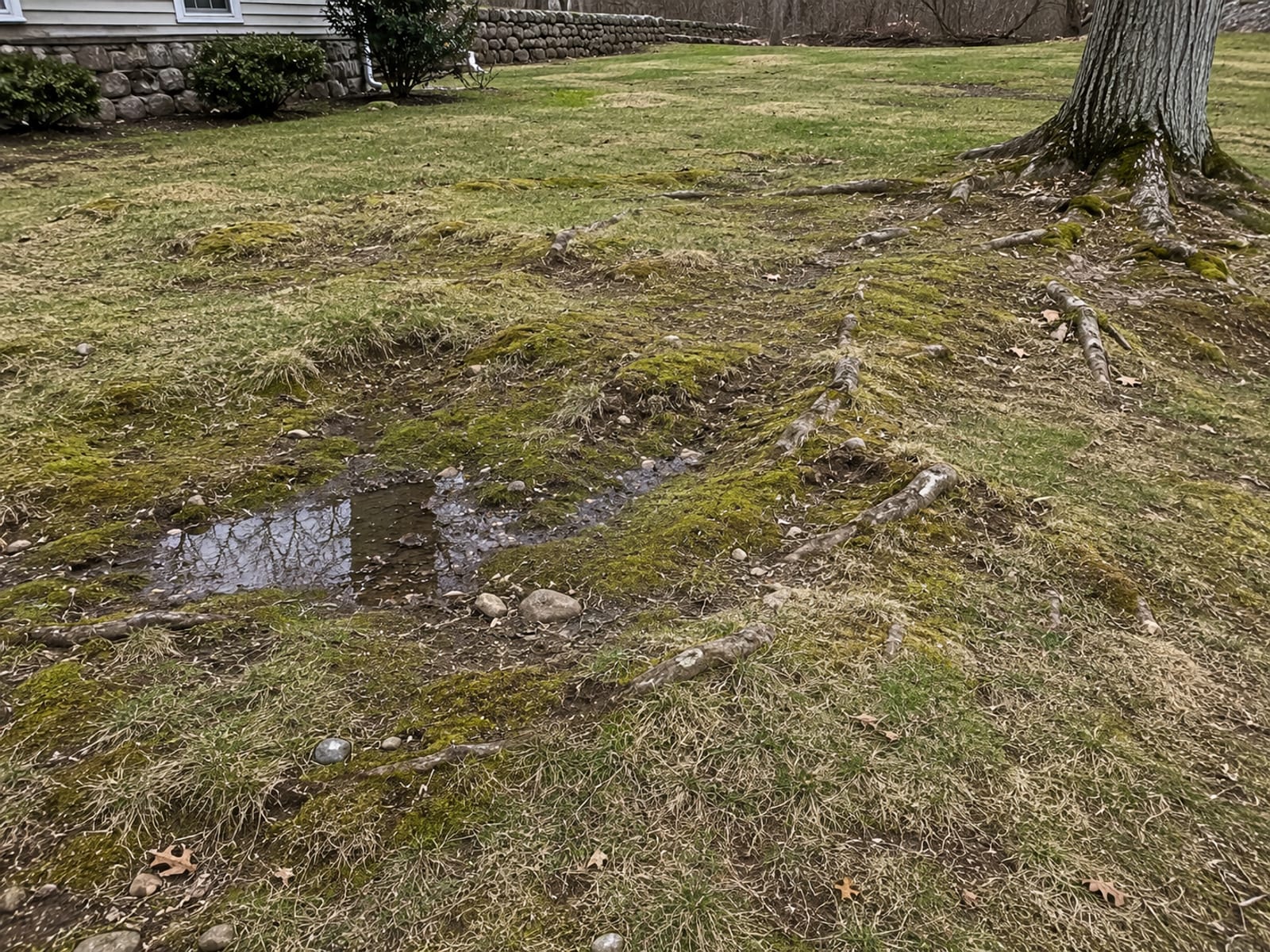
Most homeowners start thinking about yard leveling when they notice the same rough or wet areas causing problems season after season. Sometimes the signs are obvious, like a low spot that fills with standing water every spring. Other times the signals are subtler, like a soft zone that never fully dries out or a section of lawn that seems to die back every summer even when the rest stays green. Soil erosion and poor surface drainage are common underlying causes that show up on the surface in ways that look like simple unevenness but reflect deeper issues with how water moves across the property. The two sections below cover the most common scenarios Oxford homeowners describe when they call about uneven ground, and what is typically driving each one.
Low spots and standing water
Low areas that hold water after rain are one of the most common reasons Oxford homeowners call about uneven lawn repair. The pooling water itself is the visible symptom, but the real question is where that water is supposed to go and why it is not getting there. In some cases, a low spot developed because soil settled after an old utility trench was backfilled. In others, a depression formed where a stump was ground down and the area was never properly filled and compacted. Whatever the origin, simply adding topsoil to the surface often does not work for long because the water has no drainage outlet. A proper fix looks at where the water comes from, where it needs to go, and what stands between those two points.
Bumpy, sloped, or unusable lawn areas
Uneven ground can develop from erosion, poor original grading, settlement after old construction, buried debris, animal activity, utility trench settlement, or the aftermath of tree and stump removal. On Oxford properties with wooded lots, it is common to find rough ground in areas where multiple trees came down over the years and the land was never graded afterward. Sloped yards that were cut into a hillside during original construction can also shift and settle in ways that make them harder to use and harder to mow safely. Bumpy lawn leveling in these situations often requires more than topsoil: moving and reshaping the underlying soil, dealing with any buried material, and restoring the surface for seed or sod are all part of a proper correction.
Yard Leveling, Grading, and Excavation
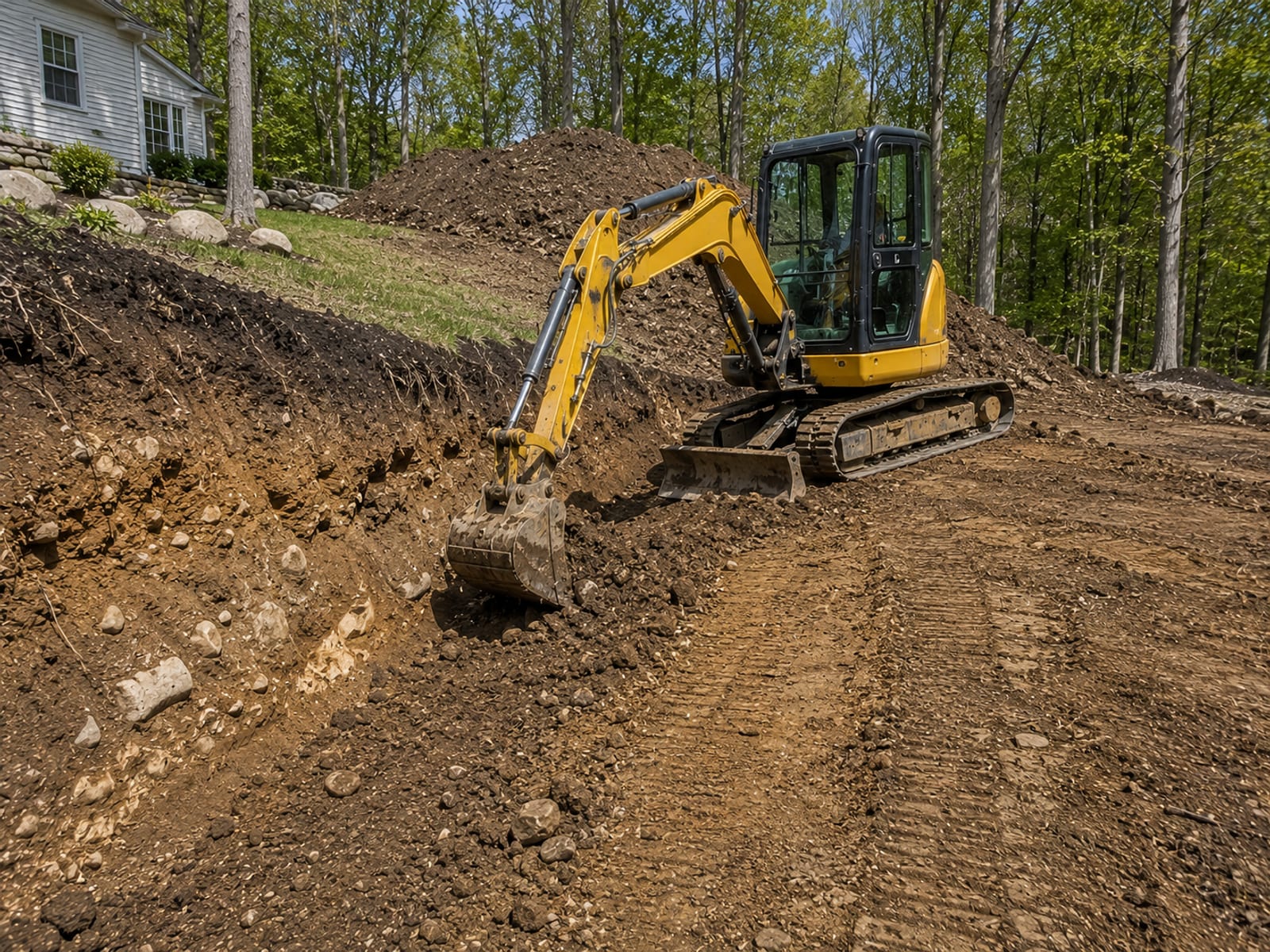
Yard leveling, grading, and excavation are related but they serve different purposes, and knowing the difference helps you have a better conversation with any contractor you bring in to assess your property. Leveling creates a smoother, more usable surface. Grading shapes that surface so water moves in the right direction at the right rate. Excavation may be needed when the problem runs deeper than the top few inches of soil, such as when there is buried rock, poor fill, or a slope that requires significant earth moving to correct. The right approach depends on what is actually happening under the surface, which is why the assessment phase matters as much as the physical work. Connecticut DEEP erosion and sediment control guidelines apply when soil disturbance reaches certain thresholds, which is another reason to work with a contractor who understands state and local requirements before the first machine moves any dirt.
When excavation is needed
Finish grading with a rake and a few yards of topsoil works well for minor surface irregularities. But a lot of Oxford yards need more than that. Major slope corrections, areas with buried ledge rock, deep depressions from stump grinding or old construction, drainage installation, and retaining wall preparation all call for excavation equipment rather than hand tools. Rock removal in Oxford CT is a real part of many yard leveling projects because New England glacial deposits left boulders and ledge at unpredictable depths across the region. If a contractor quotes your project without confirming what is under the surface, ask them how they plan to handle rock if they find it.
When drainage needs to be included
If water keeps collecting in the same place regardless of how the surface looks, grading alone may not solve the problem. The yard may need drainage solutions as part of the leveling work, including swales to carry surface water away, French drains to manage subsurface moisture, catch basins to collect water from low points, or pipe runs to direct water to a safe outlet. Stormwater management performance standards recognize that drainage systems need to be sized and positioned to handle the actual water volume coming from a site, not just to move it out of sight. Wet yard leveling that ignores drainage almost always returns to the same soggy condition within a few seasons.
Permits, Utilities, and Erosion Control
Before any yard leveling or grading work begins in Oxford CT, there are regulatory and safety considerations that can affect your project timeline, your costs, and your legal exposure as a property owner. Oxford CT has its own building, zoning, and inland wetlands review processes, and the scope of a project determines which of those apply. Large soil disturbances, drainage changes, work near wetlands or watercourses, retaining wall construction, and driveway grading may all require review or approval from Oxford's town departments before work starts. The three areas below are the ones that come up most often on local projects and are worth understanding before you hire anyone.
Utility markouts
Any excavation work carries the risk of striking underground utilities, including gas lines, water lines, electrical conduits, and communication cables. In Connecticut, Call Before You Dig is the system that helps contractors and property owners identify where underground services are located before digging begins. This step is not optional. Striking a utility line creates safety risks, legal liability, and costly repairs that far outweigh the time it takes to get a markout done before work starts. Oxford properties with septic systems and private wells add another layer of complexity, since those systems need to be located and respected during any grading or excavation work.
Stabilizing disturbed soil
Once soil is moved or exposed, it becomes vulnerable to erosion until it is stabilized again. Disturbed soil can wash into roads, neighboring properties, wetlands, storm drains, or lower-lying areas on your own lot, creating new problems while the original one is being fixed. Erosion control guidance from Connecticut's NEMO program outlines stabilization methods that may include seeding, straw mulch, silt fence, and swales depending on the size and slope of the disturbed area. A responsible grading contractor in Oxford CT will include erosion and sediment control as part of the project plan rather than treating it as an afterthought.
The Yard Leveling Process
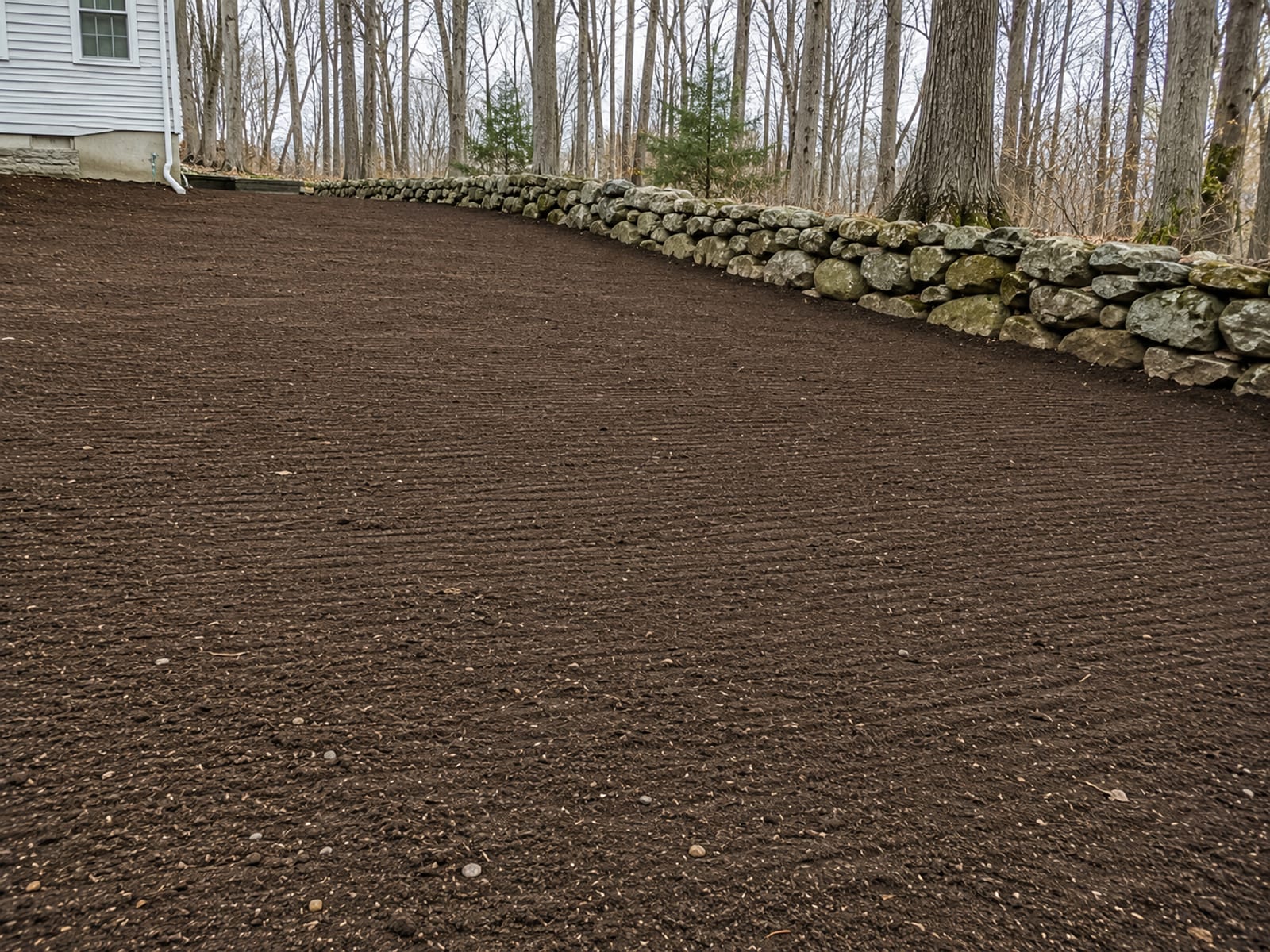
A well-run yard leveling project follows a logical sequence, and understanding that sequence helps you know what to expect and what questions to ask. The quality of the final result depends heavily on what happens at the beginning, before any equipment touches the ground. Rushing past the assessment phase is one of the most common reasons leveling projects fail to deliver lasting results. What looks like a straightforward surface problem almost always has a story behind it, and a contractor who does not read that story carefully will make decisions based on incomplete information.
Step 1: Inspect the site
A thorough site inspection looks at slope direction and degree, where water moves during and after rain, soil type and any visible rock, equipment access points, the location of septic systems and wells, proximity to trees and their root zones, existing drainage paths, and what the homeowner intends to do with the space once it is leveled. This inspection shapes every decision that follows, from how much material to move, to whether drainage should be included, to what kind of compaction and restoration the finished surface will need. A contractor who skips or rushes this step is likely planning the work around their equipment schedule rather than your property's actual needs.
Step 2: Excavate, grade, level, and restore
With a clear plan in place, the physical work can begin. This typically means reshaping the ground with appropriate equipment, moving excess material off-site or redistributing it across the yard, bringing in fill, gravel, or topsoil where needed, installing drainage elements if they are part of the scope, compacting areas that will bear weight or receive seed, and stabilizing all disturbed surfaces before the project closes out. Prestige Property Maintenance approaches yard leveling as a site-work project rather than a landscaping task, which means the plan accounts for the full process from rough grading through finish grading and restoration rather than stopping at the surface.
Long-Term Strategy for a Better Yard
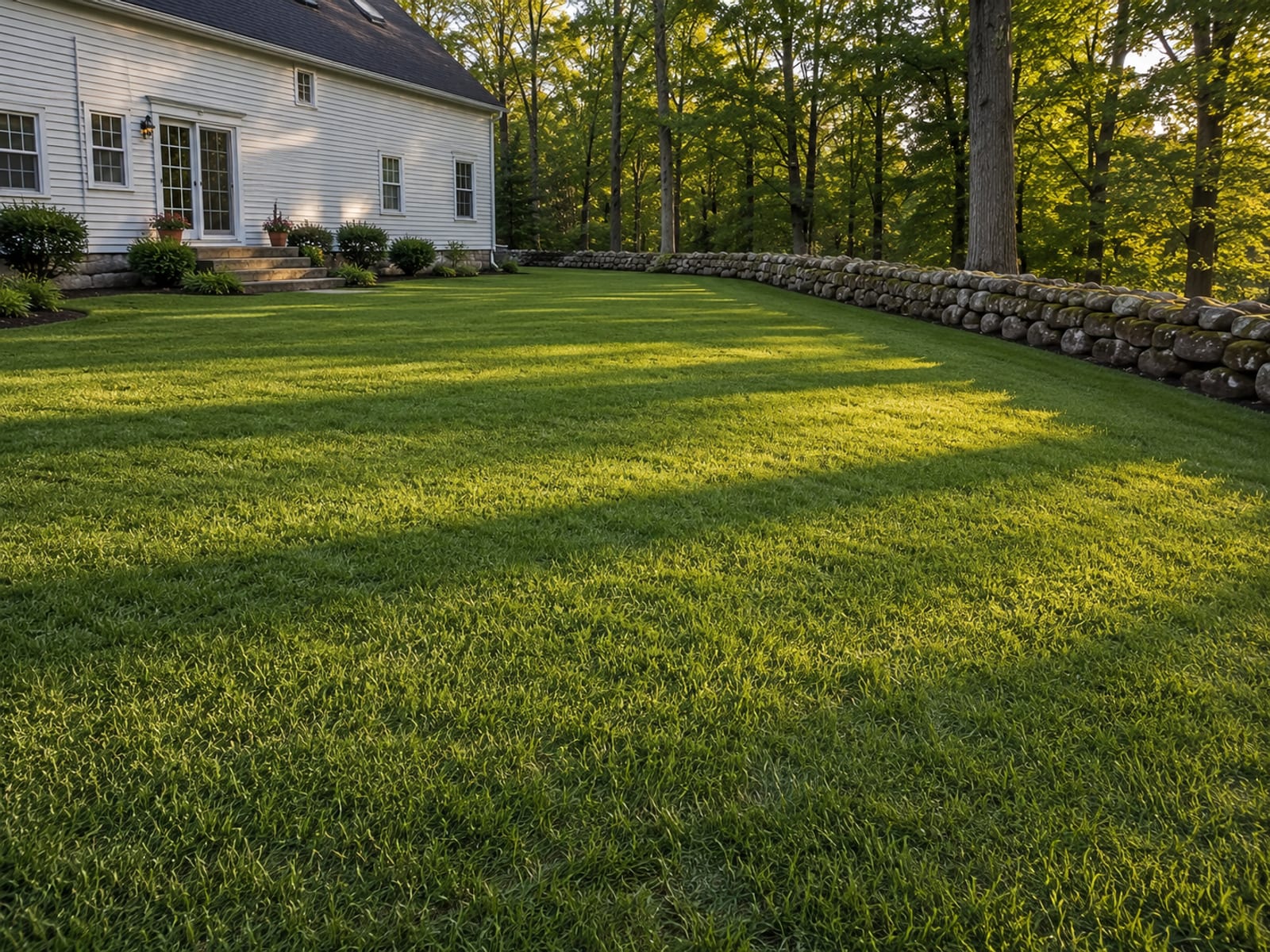
The leveling work itself is a one-time investment, but the decisions made during that work affect how your yard performs for years afterward. Homeowners who ask the right questions before work starts tend to end up with results that hold up through Connecticut winters, spring thaw, and summer storms without returning to the same problems. A long-term strategy for yard leveling in Oxford CT starts with drainage planning, since a yard that sheds water correctly needs far less ongoing correction than one where water is still finding its way to the wrong places.
Before work begins, ask your contractor where the water currently goes, where it will go after grading, what fill material will be used and whether it is appropriate for your soil conditions, whether compaction is planned for areas that will see foot traffic or equipment, and what restoration work is included in the project scope. A qualified grading contractor should be able to answer all of these clearly.
If your yard has a slope problem combined with a drainage problem, treating both together during one project is almost always less expensive and less disruptive than doing them separately. The same applies to projects that combine yard leveling with retaining wall construction, driveway work, site preparation for a shed or patio, or lawn restoration after land clearing and stump grinding. Coordinating the work under one crew who can assess, grade, drain, and restore keeps the project moving in the right direction from start to finish.
Common Pitfalls to Avoid
Several mistakes show up repeatedly in yard leveling projects, and most of them are avoidable with a little planning upfront. Understanding these pitfalls is one of the best reasons to work with a contractor who has handled Oxford properties specifically, since local soil conditions and drainage patterns create problems that are not obvious to someone unfamiliar with the area.
- Filling without fixing drainage: Adding topsoil to a low spot without addressing what caused the water to collect there typically results in the same problem returning within one or two seasons.
- Making the yard too flat: A completely level surface sheds water poorly and can create new wet areas, particularly in heavier soils that absorb slowly.
- Using the wrong fill material: Not all fill is suitable for yard leveling. Debris-heavy fill, expansive clay, or material with high organic content can create settling problems after the project is done.
- Skipping compaction: Loose fill that is not properly compacted will settle unevenly, leaving new bumps and depressions over time, especially after frost.
- Ignoring utilities: Beginning excavation without a utility markout through CBYD creates safety risks and potential liability that no project savings can offset.
- Overlooking erosion control: Exposed soil left without seeding, mulch, or silt fence can wash significantly during a single heavy rain event, undoing grading work and potentially affecting neighboring properties.
- Choosing a contractor based only on price: The lowest bid rarely includes drainage planning, proper compaction, or responsible restoration, which means the savings come at the cost of a result that does not last.
Frequently Asked Questions About Yard Leveling Oxford CT
What is yard leveling?
Yard leveling is the process of reshaping uneven ground to create a smoother, more usable surface. Depending on the severity of the problem, it may include excavation, rough grading, finish grading, topsoil placement, compaction, drainage installation, and surface restoration with seed or sod.
Is yard leveling the same as grading?
No. Leveling creates a smoother surface, while grading shapes that surface so water drains properly away from your home and other structures. Most successful residential yard leveling projects consider both at the same time, since a surface that looks level but sheds water poorly has not fully solved the problem.
Can yard leveling fix standing water?
Sometimes. If the issue is a simple low spot or a slope that directs water to the wrong place, leveling and proper grading may resolve it. If water has no safe outlet or if subsurface drainage is poor, additional drainage solutions like French drains, catch basins, or swales may also be needed.
Do I need excavation to level my yard?
Not always, but often. Light surface grading works for minor irregularities. Major slope corrections, buried rock, deep depressions from old stumps or settlement, poor fill, drainage problems, and preparation for patios, sheds, or retaining walls typically require excavation equipment rather than hand grading.
Do yard leveling projects need permits in Oxford CT?
It depends on the scope of work. Large soil disturbances, drainage changes, work near wetlands or watercourses, retaining wall construction, and driveway work may require review from Oxford's building department, the Planning and Zoning Commission, or the Inland Wetlands Agency. Local requirements should be confirmed before any work begins.
What should a yard leveling estimate include?
A thorough estimate should address excavation scope, grading approach, fill and topsoil materials, stone if needed, compaction, any drainage elements, rock removal if applicable, erosion and sediment controls, cleanup, and what surface restoration is included when the work is done.
Final Thoughts
Yard leveling in Oxford CT is a job that rewards careful planning far more than quick action. The visible problem on the surface, whether it is a low spot, a rough patch after stump grinding, a slope that sheds water toward your foundation, or ground that has settled badly after old construction, is almost never the full story. The right fix depends on understanding why the yard looks the way it does, what the soil is doing underneath, and where water needs to go once the grading is complete. Skipping any part of that thinking leads to results that do not hold up through a Connecticut winter.
Done correctly, a properly leveled and graded yard pays for itself over time. You get a safer, more usable outdoor space, less erosion during heavy rain events, and fewer drainage concerns working quietly against your foundation season after season. Homeowners who address their yard's slope and drainage together in one well-planned project tend to stop thinking about their yard as a problem and start actually using it.
We handle the full range of site work that Oxford properties typically need, including excavation, earth moving, land clearing, stump grinding, rock removal, drainage solutions, retaining wall construction, erosion and sediment control, site preparation, and lawn restoration. If your yard has an uneven area, a slope that concerns you, or a drainage problem you have been watching get worse, we would be glad to walk the property with you and give you a clear picture of what the work actually involves. Prestige Property Maintenance serves Oxford CT, Seymour CT, and surrounding communities. Contact us to schedule a site visit and get the conversation started.
Related Articles
Stop the Washout: Erosion Control and Grading in Oxford CT
Oxford CT homeowners: erosion control starts with grading, not just seed and silt fence. See how Prestige Property Maintenance fixes the real source of runoff damage.
Residential Grading & Leveling: Fix Your Yard's Slope
Standing water, muddy low spots, or a slope draining toward your house? Learn how residential grading and leveling fixes yard problems , and when drainage is part of the fix.
Landscape Construction in Bethany, CT: Ground Work First
Told your Bethany patio needs the earthwork done first? Landscape construction in Bethany, CT starts with grading sloped, wooded ground, not pavers.