

What to Expect During Residential Excavation for New Home Construction
Kash CochranePublished Updated
- residential excavation
- new home construction
- site preparation
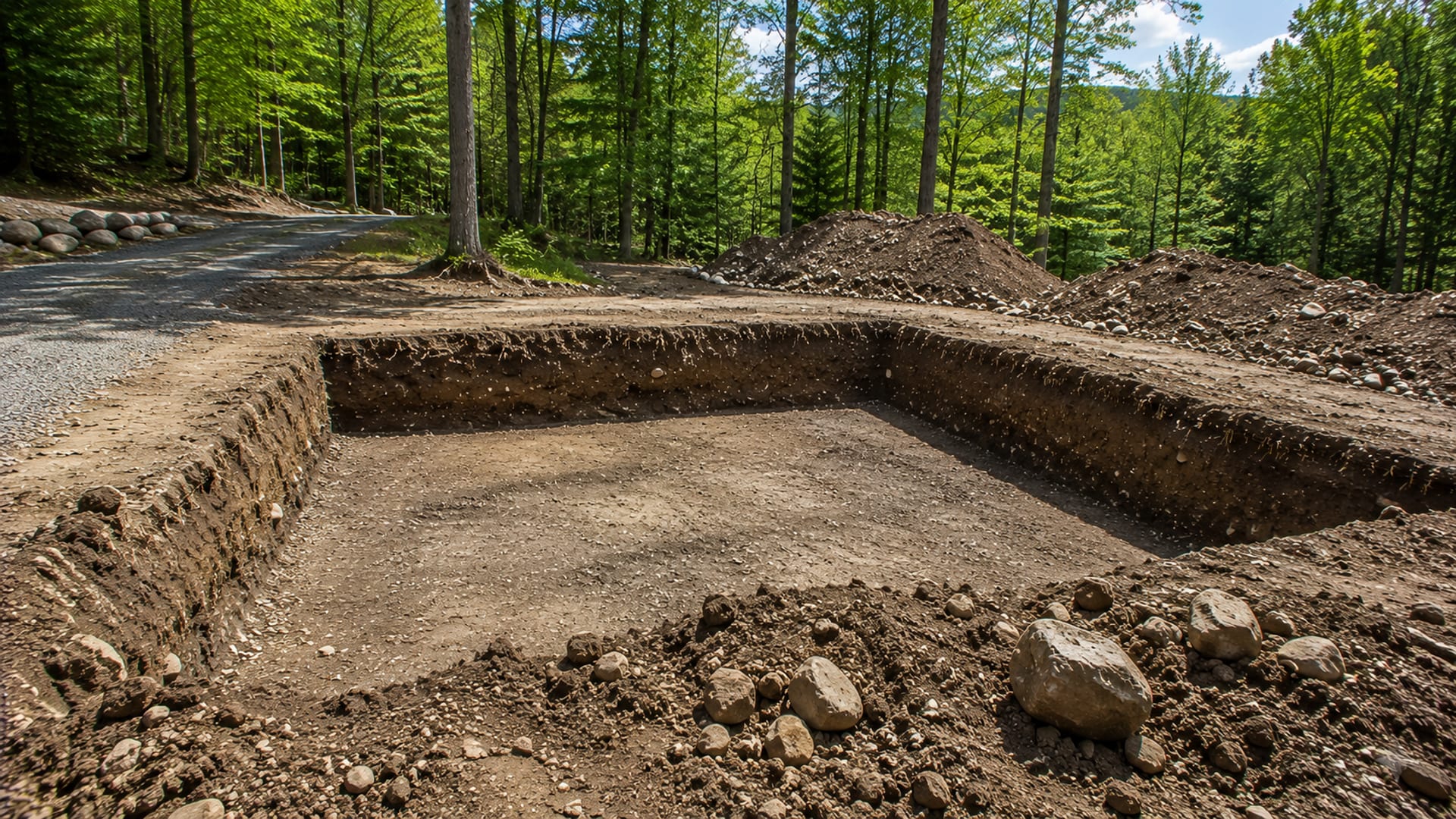
You have a piece of land. Maybe it is a wooded hillside in Oxford or a sloped parcel somewhere in the Naugatuck Valley, and somewhere in your head you are already placing rooms. You have signed with a builder, or you are close to it, and someone just mentioned that a lot has to happen before the foundation gets poured. Residential excavation for new home construction is where that "a lot" actually begins, and most homeowners have never had to think about it before. Words like grading, ledge rock, perc test, and silt fence have probably come up, but no one has connected them into a clear picture of what happens, in what order, and why the sequence matters.
That gap can feel expensive, because it often is. A site that is not properly planned before the first machine arrives can cost real money to fix later, and the mistakes are rarely obvious until they show up as drainage problems, inspection delays, or a foundation bid that suddenly changed. What follows is a straight walkthrough of the full pre-construction site work process, written for someone standing at that exact edge of uncertainty. Connecticut's specific ground conditions are woven throughout, because this is not abstract terrain. It is the actual rocky, wooded, frost-prone ground that Naugatuck Valley homebuilders are starting from.
Key Takeaways
New home excavation is a sequence
Clearing, access preparation, rough grading, foundation excavation, trenching, drainage, and erosion control are all connected steps, not separate events.
Site conditions drive the plan
Rock, buried boulders, slopes, wet soil, trees, septic placement, and driveway access can all affect cost, schedule, and the scope of work.
Permits and inspections come first
New home excavation is usually tied to a broader building approval process, and skipping any part of that coordination creates problems downstream.
Utility markouts are required before digging
Connecticut's Call Before You Dig system helps locate underground utilities before any soil is disturbed.
Drainage planning starts early
Poor water management affects the foundation, the driveway, the yard, and the long-term performance of the site.
The property will look rough during the process
Soil piles, open trenches, temporary erosion controls, and heavy equipment are normal during site work and are not signs that something is wrong.
Why New Home Excavation Matters Before Ground Breaks
A lot of homeowners think of excavation as digging the hole for the foundation and then moving on. That is understandable, but it misses most of what actually happens during the residential construction excavation phase. The site work done before the foundation is poured shapes every trade that follows, from the framing crew's access to the way water will move across the finished property for decades. Getting this phase right is one of the highest-leverage decisions you will make before the house goes up.
The Connecticut State Building Code governs new home construction, and the excavation phase has to work within that regulatory structure, not around it. New home site work also carries specific environmental responsibilities under the CT DEEP Soil Erosion and Sediment Control Guidelines, which set clear expectations for how disturbed soil must be managed so it does not wash into roads, storm drains, wetlands, or neighboring properties. Meeting those standards is not optional. Below are two of the most direct ways that a poorly sequenced excavation becomes a cost that compounds as the build progresses.
Site Work Affects Every Phase That Comes After
If access is poorly planned, supply trucks may have trouble reaching the site, which delays the build. If drainage is overlooked during rough grading, water can collect near the foundation and create structural problems later. If utility trenches are not coordinated early, they may cut through finished areas that have to be reopened. A contractor who does not plan for erosion and sediment control from the start is leaving you exposed, because a poorly sequenced excavation is not just an inconvenience. It is a liability that grows with each phase of the build.
What Happens Before Excavation Starts
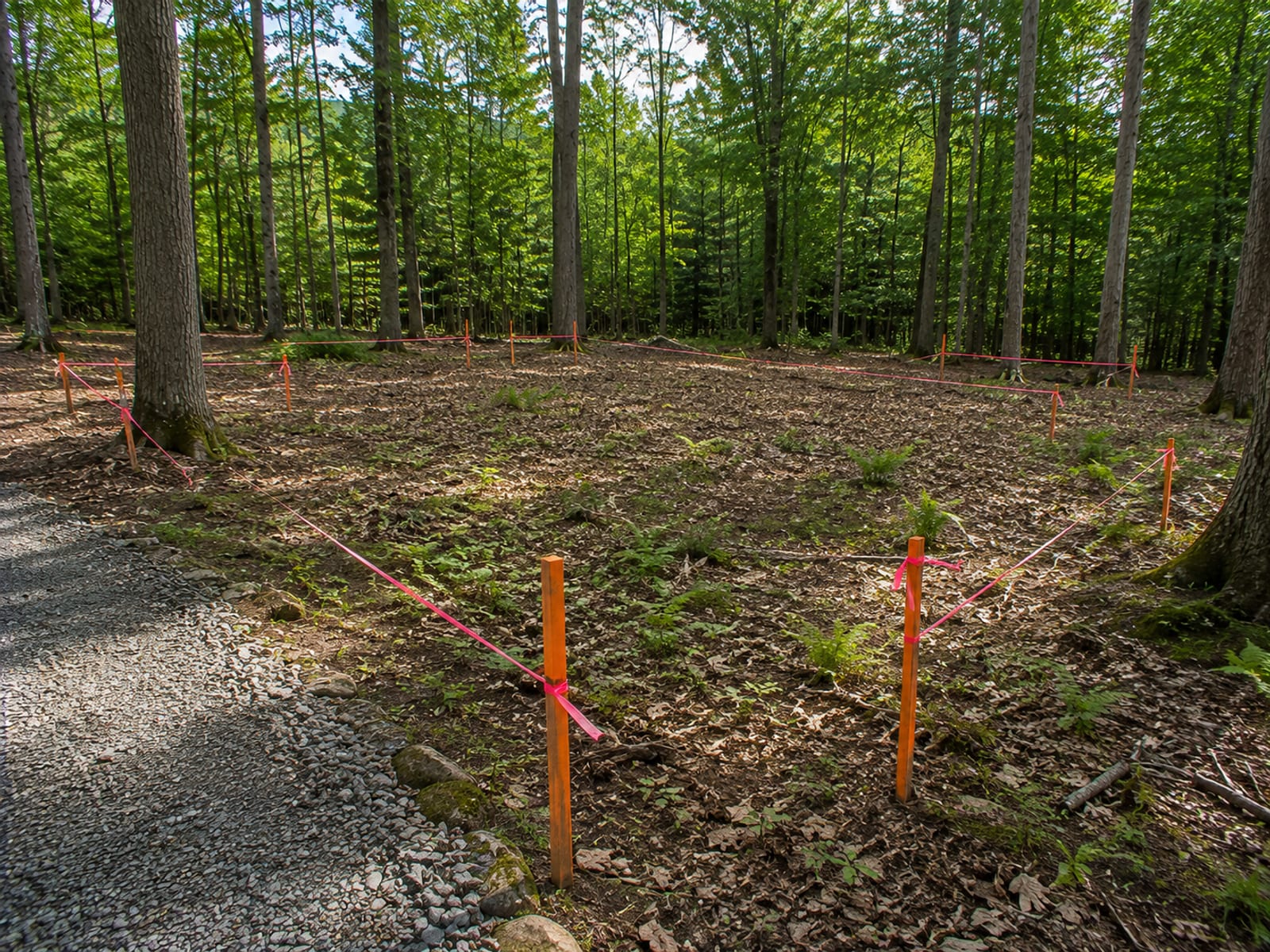
The work that happens before the first bucket of soil is moved is often what separates a smooth project from a complicated one. Site preparation for a new home means reviewing conditions that cannot be changed once digging begins, including slope, soil type, access, drainage patterns, tree coverage, and underground utilities. Skipping this review does not save time. It almost always creates problems that cost more to fix than they would have cost to prevent. Two steps in particular need to happen before any machine touches the ground.
Site Review and Layout
Before any digging begins, the project area should be reviewed for the foundation footprint, driveway access route, equipment staging area, and material storage. Where will excavated soil go? Is there room to stockpile it on site, or does it need to be hauled off? How will equipment move around once trees are cleared? These are not small questions. On a tight wooded lot in Seymour or Oxford, the answers can change the entire approach to the job. A good site review also identifies access constraints that could affect delivery schedules later in the build.
Utility Markouts Before Any Digging
Connecticut's Call Before You Dig program requires that underground utilities be located before excavation begins. This includes gas lines, electric, water, sewer, and communications infrastructure. On a raw parcel that has never been built on, there may be fewer buried lines to worry about. But on infill lots, parcels with road frontage utilities, or sites near existing structures, hitting an unmarked line is a serious and sometimes dangerous mistake. Utility markouts protect the crew, the homeowner, and the neighbors, and they should happen before any equipment touches the ground.
Key Site Conditions That Affect the Excavation Plan
Connecticut is not an easy place to dig. The glacial history of the region left behind some of the most challenging residential soil conditions in the Northeast, and anyone who has built here has probably heard a story about a buried boulder that doubled the schedule. Knowing what conditions are likely on your property, and how a contractor plans to handle them, is one of the most important conversations you can have before signing anything. The site conditions determine the equipment, the timeline, and the final scope of work, and those variables are not always visible from the road.
Rock, Boulders, Soil Type, and Slope
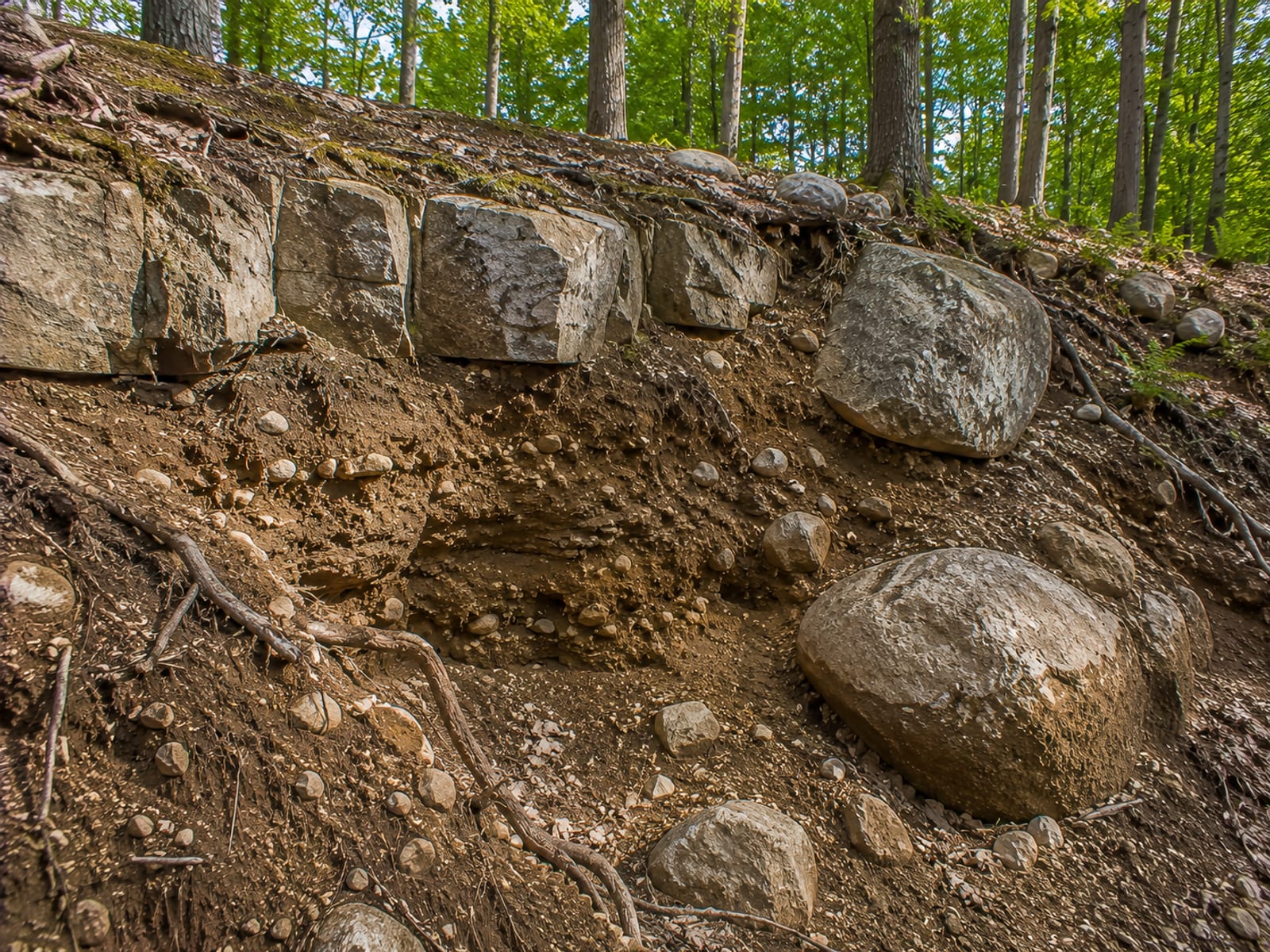
Rocky glacial soil and buried boulders are common across the Naugatuck Valley. On some lots, ledge-like rock conditions sit just below the surface and require specialized equipment or blasting to address. On others, large boulders are scattered through the soil and have to be broken up, removed, or worked around. Either situation affects the excavation timeline, the equipment needed, and what happens to the material afterward.
Steep slopes add another layer of complexity. A sloped lot may require more extensive rough grading for the house pad, retaining wall construction to hold cut slopes, and additional drainage planning to manage runoff before it reaches the foundation. Soil type also matters for compaction and long-term performance. Fill material that is not properly compacted can settle under a driveway or around a foundation over time, and sandy or silty soils behave differently than clay-heavy ground when it comes to drainage and bearing capacity. A contractor doing home site excavation on a Connecticut lot should be reading the soil conditions as they go, not just following a fixed plan that ignores what is actually in the ground.
Water, Drainage, and Wet Soils
Poor drainage is one of the most common sources of long-term problems in new home construction, and it often starts with decisions made during the excavation phase. Wet soils can affect how equipment moves, how backfill compacts, and whether the foundation area stays dry during construction. Spring runoff on sloped lots can move significant amounts of sediment if erosion controls are not in place. And if the finished site is graded without attention to how water will move away from the house, the homeowner may be dealing with a wet basement or flooded driveway within the first few years.
The UConn NEMO stormwater management standards provide clear guidance on how water management should be addressed during site work. Drainage planning for a new home should account for how water flows before construction, how clearing and grading change that flow, and what needs to be put in place so the finished site handles water correctly. French drains, swales, culverts, and proper finished grades are not afterthoughts. They are part of the plan from the beginning.
Permits, Safety, and Erosion Control
New home construction does not happen without regulatory involvement, and the excavation phase sits inside a larger approval process that most homeowners have not managed before. Building permits, zoning review, wetlands determinations, driveway access permits, stormwater controls, and inspection checkpoints can all apply depending on the property and municipality. Understanding that excavation is a permitted activity, not just a physical task, helps set realistic expectations for timing. Permit approvals can affect the start date, and inspections at certain stages can affect how quickly the work moves forward.
Erosion and Sediment Control Requirements
Any time soil is disturbed during construction, there is a risk that sediment will move off the site in stormwater runoff. Connecticut takes this seriously. UConn NEMO's soil erosion guidance and the state's construction stormwater general permit set standards for how construction sites must manage disturbed soil. Silt fences, sediment traps, stabilized construction entrances, and staged clearing are all part of how a responsible contractor manages erosion on a working site.
These controls protect surrounding properties, waterways, and roads from sediment that moving soil produces. They are also a legal obligation. A contractor who skips erosion and sediment control is creating liability for the project, and for you as the property owner.
The Residential Excavation Process, Step by Step
Understanding the order of operations in new home excavation helps you track whether the project is moving the way it should. The work does not all happen at once, and some steps have to be completed before others can begin. Most residential site preparation in Connecticut follows a recognizable pattern even though different lots require different sequences. What follows is a general picture of how the phases connect and why each one matters to what comes next.
Step 1: Site Preparation and Access
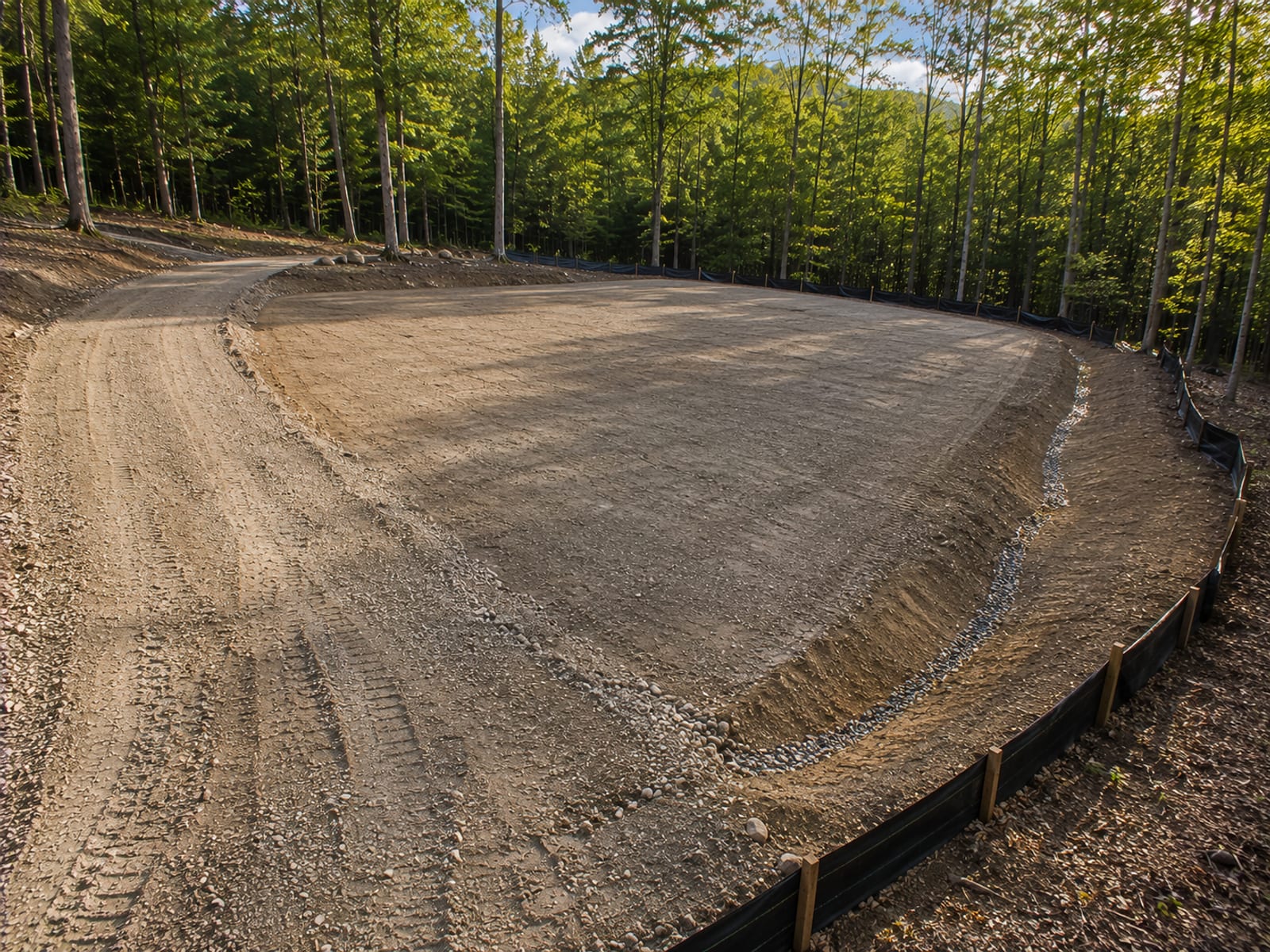
The first phase typically involves preparing the site for the work that follows. This includes clearing trees and brush from the building area, removing stumps, stripping topsoil for later use or disposal, establishing a stabilized construction entrance, and putting erosion controls in place before significant soil is disturbed. Driveway access excavation may also happen at this stage, or at least enough of it to get equipment to the building site. On wooded lots, land clearing for the new home footprint is often the first visible work, and it changes the property quickly.
Topsoil is often stripped and stockpiled separately during this phase because it has value for final grading and landscaping later. A contractor who mixes topsoil with subsoil or hauls it off unnecessarily is creating a cost that shows up when you need finish material for the yard.
Step 2: Foundation Excavation, Rough Grading, and Trenching
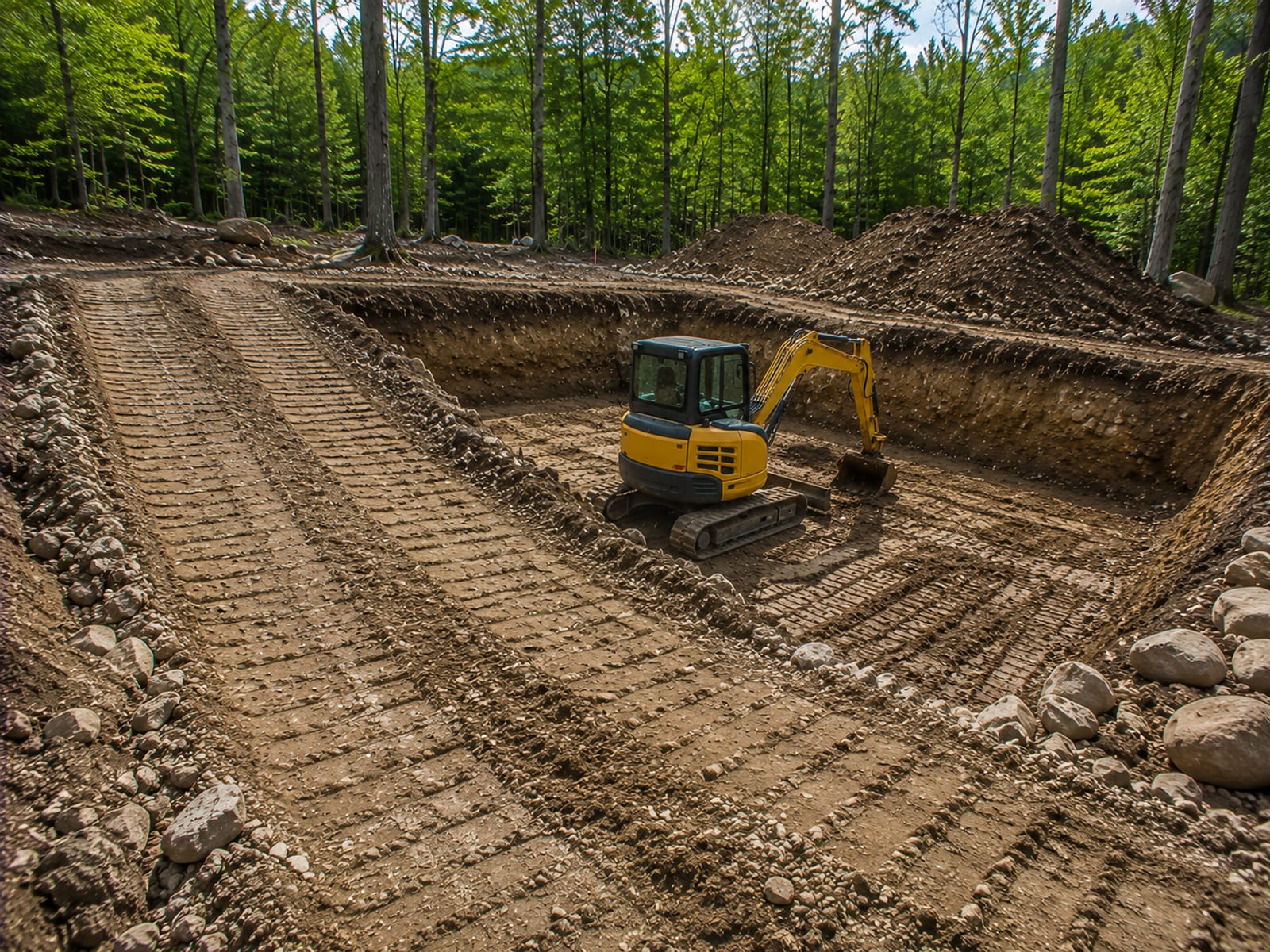
Once the site is prepared and access is established, the contractor excavates the foundation area to the depth specified by the foundation plan. Basement excavation in Connecticut often encounters rock or boulders at depth, which is why the pre-dig site review matters. After the foundation area is cut, rough grading shapes the surrounding site so water moves away from the structure and the ground is ready for the next trades. Utility trenching for the new home typically happens during this phase as well, with trenches cut for water, sewer, electric, gas, and communications lines as the project plan requires.
Throughout this phase, excavated material is either stockpiled, redistributed across the site, or hauled off depending on its quality and what the grading plan calls for. Rock and unsuitable material typically need to go off site, while suitable fill may stay for backfill or rough grading. A clear plan for where material goes, established before digging starts, prevents the site from becoming a disorganized pile that creates access and drainage problems.
Long-Term Strategy: Treating the Full Site as One Plan
The homeowners who come out of the excavation phase in the best position are the ones who thought about the whole site from the beginning, not just the foundation hole. New home grading, driveway access, drainage, utility routing, and septic and well placement are all connected decisions. A choice made early about where to route a driveway can affect where water flows. A choice about where to place a septic system affects how the back of the lot gets graded. Treating these as separate problems handled by separate people creates coordination gaps that cost money to close.
The construction stormwater permit program administered through the state is a good example of a regulatory requirement that connects land clearing, grading, and drainage into a single compliance obligation. It runs through the whole site work process, not just one phase of it. A contractor who understands how these pieces connect can help you avoid the situation where one trade's work undoes another's, and that understanding is worth asking about before you hire anyone.
Common Pitfalls in Residential Site Preparation
Most of the expensive problems in new home excavation are predictable, and many come from the same root cause: decisions made too late, or not made at all. Drainage gets overlooked because it is invisible until it becomes a problem. Rock gets underestimated because no one probed the soil before signing the contract. Driveway access gets improvised because no one thought about truck clearance when the lot was purchased.
Accepting a vague excavation estimate is one of the most common mistakes. A quote that does not specify what is included for rock removal, material hauling, erosion controls, or site restoration leaves you exposed to scope creep that can significantly change the final cost. Before any work begins, you should know who is responsible for permits, who is calling in the utility markouts, where excavated material will go, and what the site will look like when the excavation contractor is done and the foundation crew arrives. Those answers should be in writing.
Failing to coordinate between the excavation contractor and the foundation contractor is another common problem. These two parties need to be working from the same information. If the foundation layout shifts, the excavation has to match. If the builder changes the driveway location, the grading plan needs to reflect it. Early and ongoing communication between the parties is not a courtesy. It is what keeps the project from losing weeks to preventable fixes.
Frequently Asked Questions About Residential Excavation New Home Construction
What is residential excavation for new home construction?
It is the site-work phase that prepares raw or partially developed land for a new house. New home excavation can include clearing, rough grading, foundation excavation, utility trenching, drainage work, erosion controls, and site stabilization. Not every project needs every step, but most new home sites in Connecticut need several connected phases working together.
What happens before foundation excavation starts?
Before digging begins, the site should be reviewed for access, slope, soil conditions, drainage patterns, utility locations, permit requirements, and material handling. Utility markouts should be completed, erosion controls should be staged, and the foundation layout should be confirmed. Skipping this preparation is one of the most common ways site work goes wrong.
Do I need utility markouts before new home excavation?
Yes. Connecticut's Call Before You Dig program helps locate underground utilities before excavation begins. On raw parcels, there may be fewer buried utilities to worry about, but the markout process should still happen before any soil is disturbed. Hitting an unmarked line creates safety risks and project delays.
Can rocky soil affect new home excavation in Connecticut?
Significantly. Rocky glacial soil, buried boulders, and ledge-like conditions are common across Connecticut, including in the Naugatuck Valley. These conditions can affect which equipment is needed, how long the work takes, what happens to the excavated material, and the overall cost. A contractor who has worked in the area will know to plan for this from the start.
Does new home excavation require permits?
New home excavation is typically part of a permitted construction project. Depending on the property and municipality, the work may also involve zoning review, wetlands determinations, driveway access approval, stormwater controls, and inspection checkpoints at certain phases. The Connecticut State Building Code governs new home construction, and the excavation phase operates within that structure.
Why does drainage matter so much during new home excavation?
Drainage affects the foundation, the driveway, the yard, and the long-term performance of the site. Poor drainage planning during the excavation phase can lead to water collecting near the foundation, erosion on slopes, flooded driveways, and damage to neighboring properties. The UConn NEMO stormwater standards provide clear guidance on how water management should be addressed during site work, and a good contractor builds drainage planning in from the start.
What should I ask an excavation contractor before hiring them for new home construction?
Ask what is included in the estimate for rock removal and material hauling, who will handle utility markouts and permit coordination, how the site will be left when excavation is complete, and what conditions could change the scope or cost. A contractor who cannot answer those questions clearly is worth looking at carefully before you sign anything.
Final Thoughts
Residential excavation for new home construction is not a single event. It is a planned sequence of site decisions that affects every phase of the build that follows. In Connecticut, where rocky glacial soil, wet areas, wooded lots, and freeze-thaw conditions are the norm, getting that sequence right from the beginning is what separates a smooth project from an expensive one. Knowing what to expect, what questions to ask, and what a properly run excavation phase looks like puts you in a much stronger position than most homeowners when they start this process.
When the site work is done well, the payoff lasts for the life of the house. Proper drainage protects the foundation. A well-planned driveway handles seasonal stress without failing. Utility trenches end up where they need to be. And the builder who arrives after the excavation crew has a site that is actually ready for them, which keeps the project moving instead of stalling.
We serve Oxford, Seymour, and the surrounding Naugatuck Valley communities, and we handle the full sequence of site work that new home construction requires. At Prestige Property Maintenance, our work covers excavation, land clearing, forestry mulching, grading, stump grinding, drainage solutions, tree removal, retaining wall construction, rock removal, earth moving, driveway and roadway excavation, paving prep, site preparation, trenching, and erosion and sediment control. If you are planning a new home and want to talk through what the site work will actually involve, contact us directly. We would rather answer your questions before the project starts than sort out avoidable problems after the first machine hits the ground.
Related Articles
Excavation in Oxford CT: A Homeowner's Guide to Getting It Right
Oxford CT excavation covers more than digging. Here's what homeowners need to know about rock, permits, utilities, and getting the site done right.
Site Preparation and Excavation CT: A Complete Guide
Learn what site preparation and excavation CT projects really involve, from rocky ledge to permits, so you hire the right crew and avoid costly surprises.
Do You Need a Permit for Excavation in CT?
Worried about skipping a permit before you dig? Here's what Connecticut homeowners need to know about excavation permits before starting any project.