

Forestry Mulching in Bethany, CT: Open Up the Woods
Kash CochranePublished
- forestry mulching
- bethany ct
- brush clearing
- invasive plants
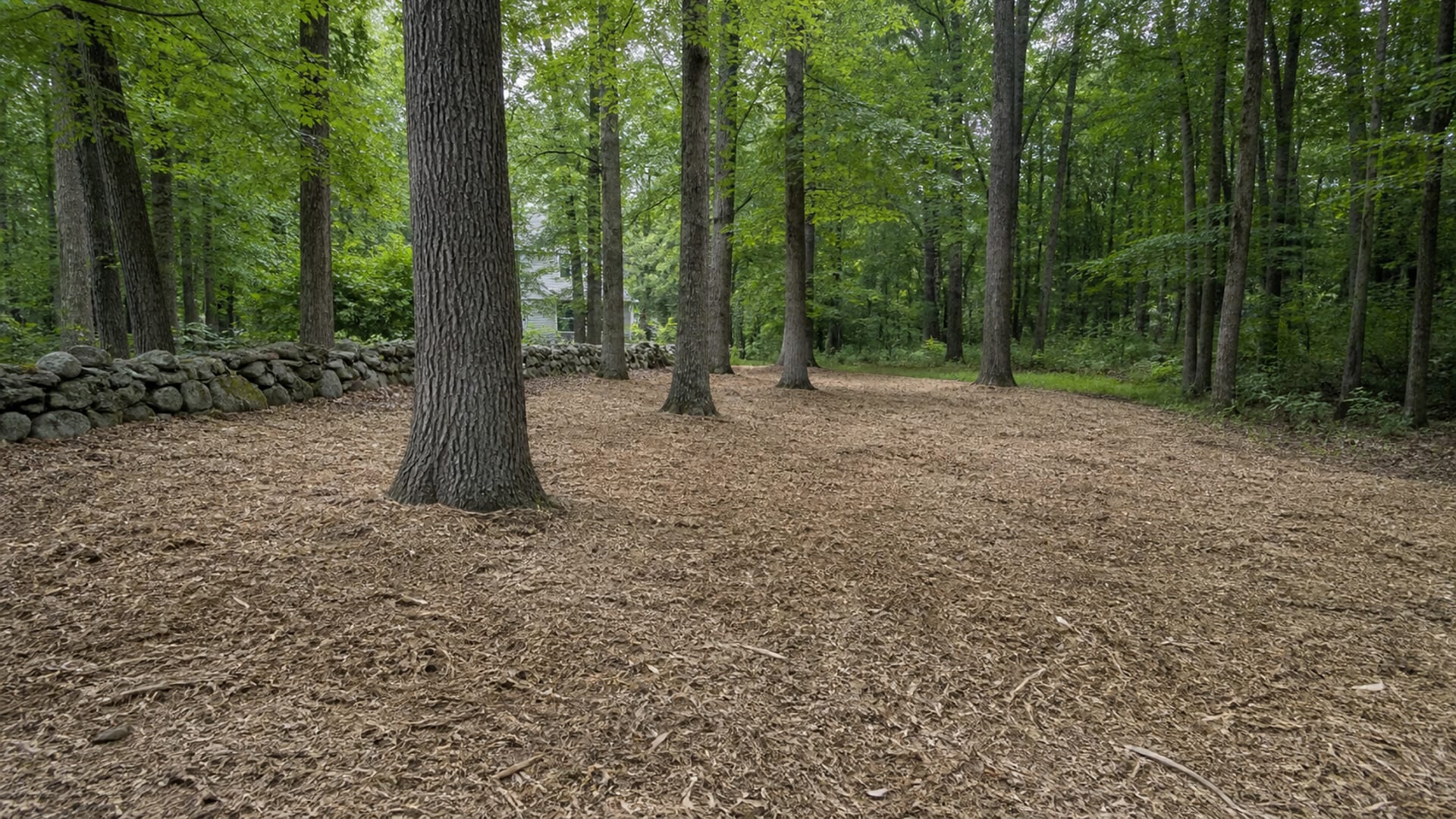
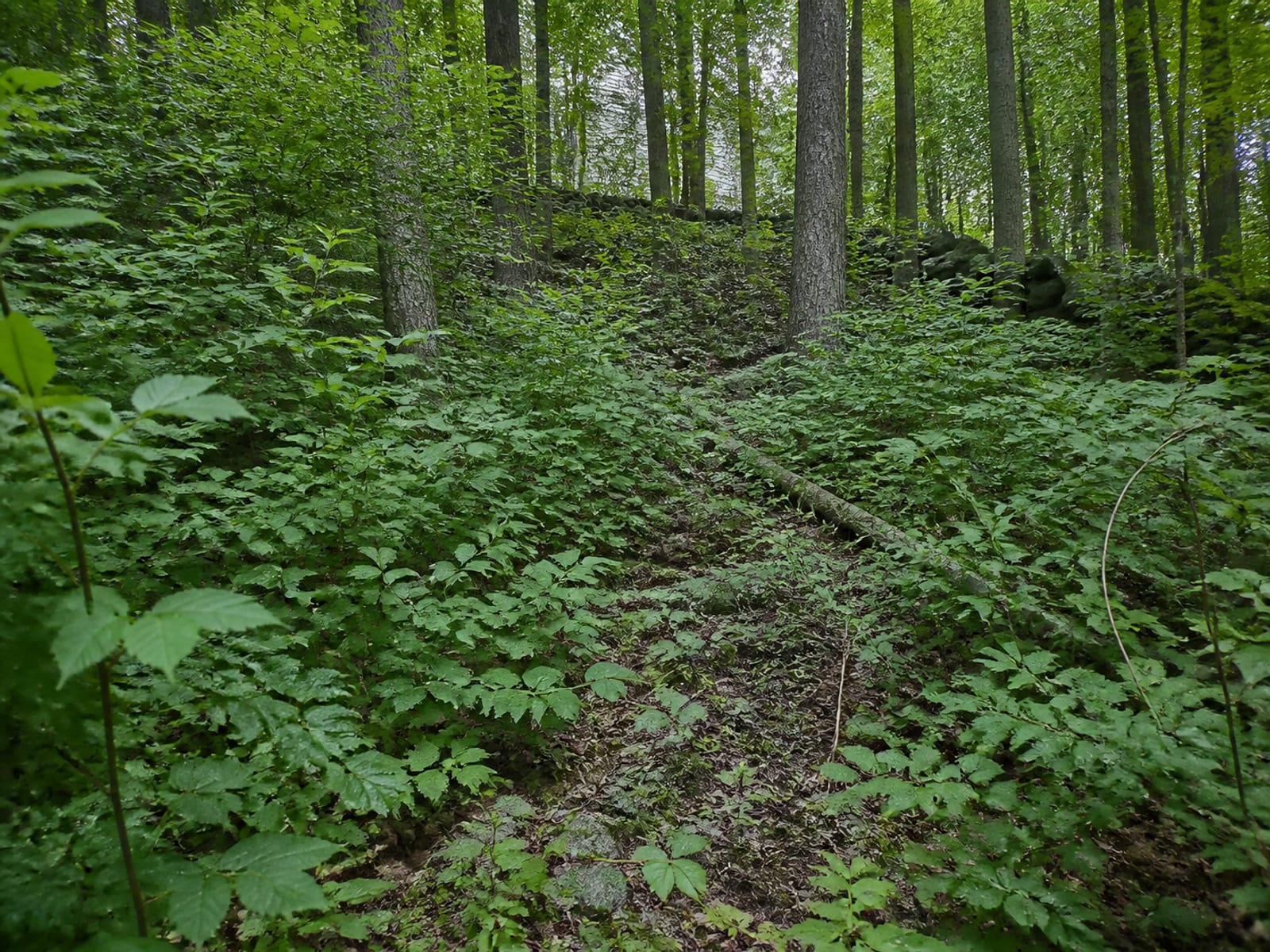
Somewhere in the last five or six years the understory closed in. The trail you used to walk is a wall of bittersweet. The driveway edge is losing a foot a year. From the kitchen window you used to see through the trees, and now you see leaves. What you want is the woods back, not a clear cut, and you would rather not spend a weekend watching a brush pile the size of a car sit at the end of the drive waiting for somebody to take it away. Forestry mulching is the tool most people are actually describing when they ask about that, and it is worth understanding exactly what it does before you scope a job around it, because there are two or three things it does not do that people assume it does.
Key Takeaways
Mulching processes vegetation in place, so nothing has to be hauled off
standing brush, vines, and small woody growth are ground down and the material stays on the ground as a mulch layer, which is the reason the work fits back lots with no truck access.
A mulched area is not a finished surface
the stumps and root systems are still there, the grade has not changed, and drainage has not been touched, so anyone planning to build, pave, or seed needs a separate scope for that work.
Calling the work forestry does not settle the wetlands question
Connecticut treats a genuine forestry activity differently, but the local inland wetlands agency is the body that decides whether an activity or any part of it is exempt, not the owner and not the contractor.
What Does a Mulching Head Actually Leave Behind?
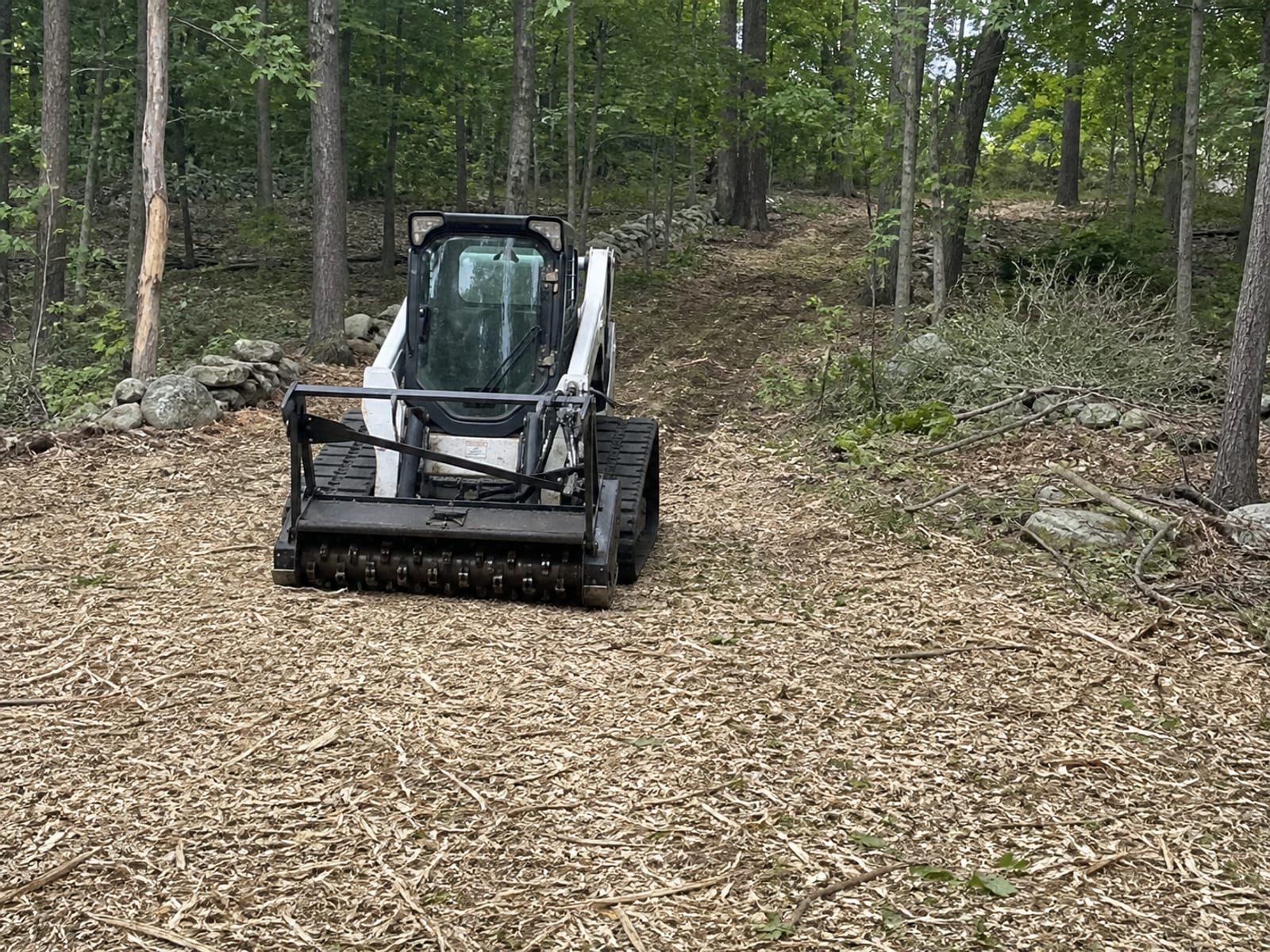
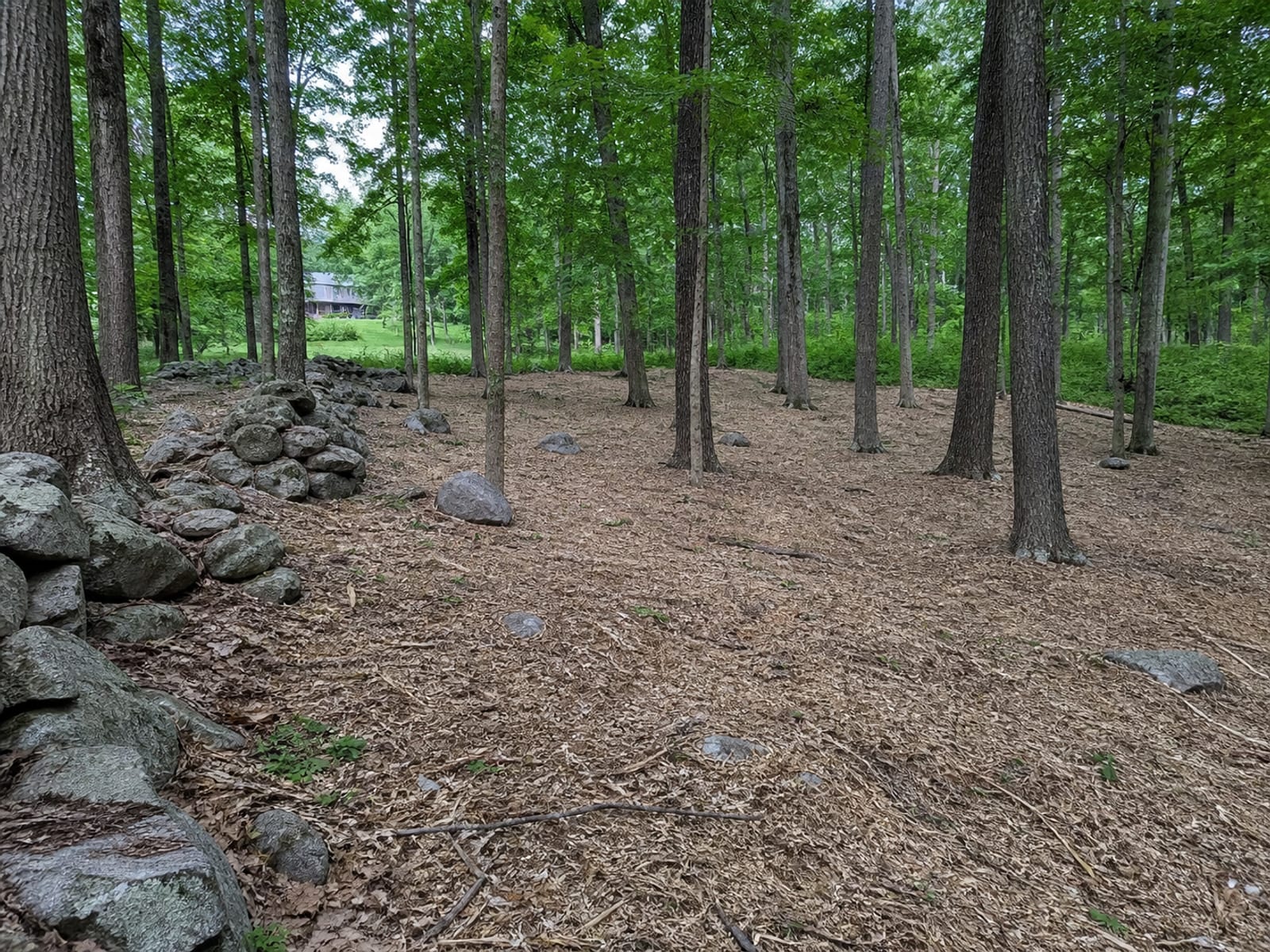
A mulching head is a drum or disc of fixed teeth spinning on a carrier machine, usually a compact track loader or an excavator with the attachment fitted. It takes standing brush, vines, saplings, and small woody stems and reduces them to chip and fiber where they stand. That material is not collected. It falls, and it stays, spread across the ground as a mulch layer.
That single fact explains most of what makes the method attractive and most of what limits it. On the attractive side: no chipper parked in the drive, no dump trailer cycling in and out, no debris pile, no disposal destination to arrange, and far less traffic on a soft rural driveway. The material stays on the parcel where it suppresses some regrowth, holds soil on a slope, and breaks down over time.
On the limiting side, everything the head cannot reach is still there when the machine leaves. The stumps of anything larger than the head can process are still in the ground with their root systems intact. The grade is exactly what it was. If water pooled in that corner before, it pools there now. And the mulch layer itself is a surface treatment, not a base. It is not a driveway, a building pad, a lawn, or a place to set a shed. Owners who understand that up front are happy with the result. Owners who expected a finished area are the ones who feel short changed, and the gap is almost always in the scope conversation rather than in the work.
Is Your Goal Vegetation Control or a Build Ready Surface?
That is the question that sorts every one of these projects, and it is worth answering before you compare quotes, because it decides which quotes are even comparable.
| Scope | What it handles | What stays on the ground afterward | What it does not do |
|---|---|---|---|
| Forestry mulching in Bethany, CT | Brush, vines, saplings, invasive shrub growth, and small woody stems | A mulch layer of processed material, spread in place | Remove stumps or roots, change grade, fix drainage, or produce a build ready surface |
| Brush mulching in Bethany, CT | Dense low woody growth along field edges, trail approaches, and fence lines | The same mulch layer, usually over a smaller and more defined area | Deal with mature trees or anything that needs to be hauled away |
| Underbrush clearing in Bethany, CT | Closed in understory beneath a canopy that is staying | Open ground under retained trees, mulch layer, marked keep trees untouched | Thin the canopy, remove stumps, or stop resprouting on its own |
| Land clearing | Trees, stumps, roots, rock, and material that leaves the property | Open ground, usually disturbed soil, ready for grading or building work | Fit a site with no truck access, or avoid the approvals that soil disturbance can trigger |
Brush mulching in Bethany, CT along field edges and trail approaches
This is the tightest version of the work, and often the most satisfying value on a rural parcel. A field that is losing its edge to shrubs, a trail that has narrowed to a footpath, a fence line disappearing into vines. The scope is a defined corridor rather than an area, and the thing that sets the price is the vegetation mix rather than the acreage. Thorny growth, intertwined vines, and downed wood all slow a machine down far more than the same footprint of clean saplings.
Underbrush clearing in Bethany, CT with the canopy left standing
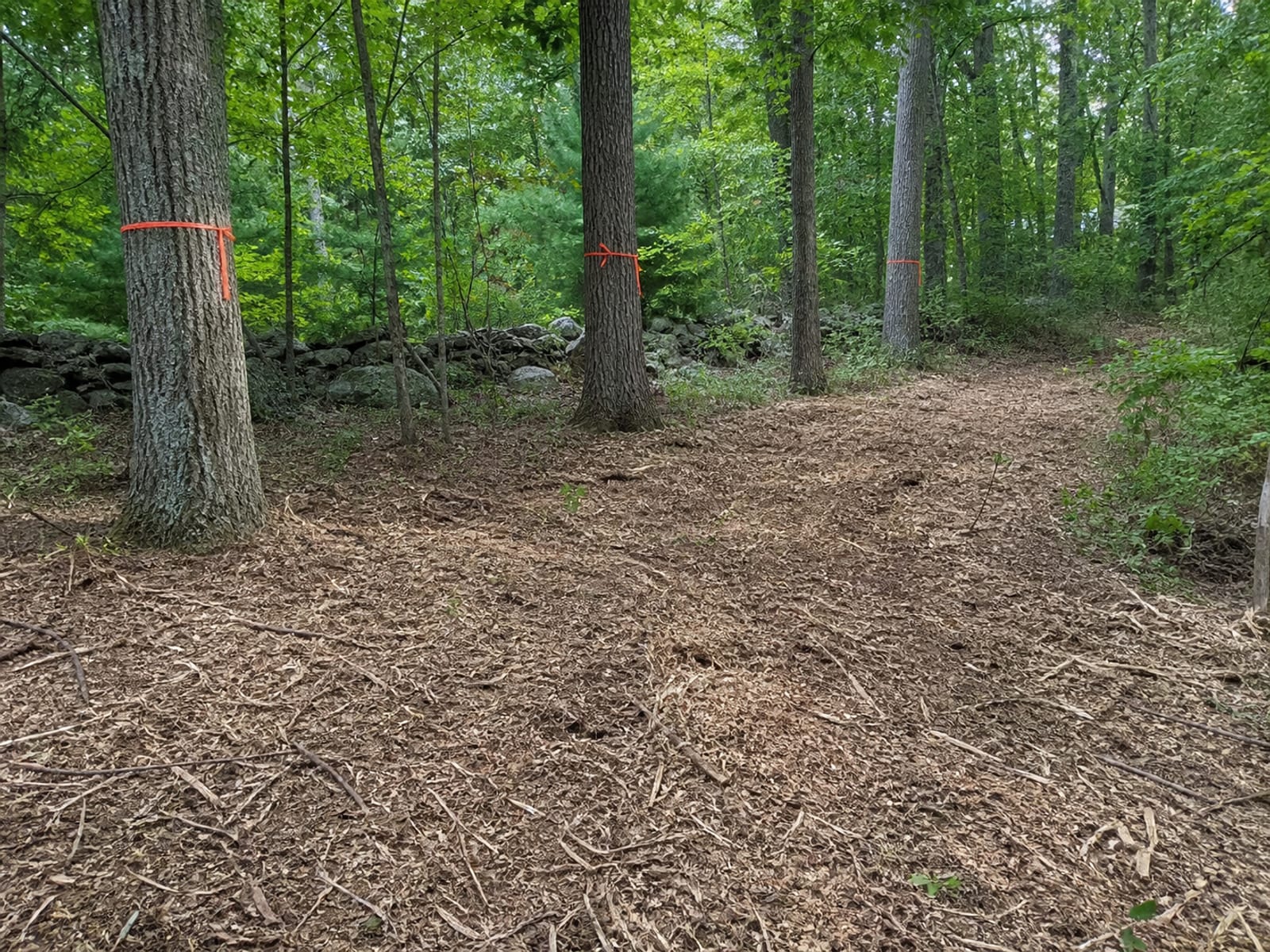
This is what most homeowners picture when they say they want the woods opened up: mature trees still there, everything under them cleared out, sightlines and sunlight back. It is achievable, and the way you achieve it is by marking the keep trees and setting the equipment travel limits before anything starts. A mulching head working around trees is a decision every few minutes about how close is close enough, and those decisions go much better when someone has already flagged the answer.
Two expectations belong in that conversation. First, some of what gets mulched will resprout. Second, if what you are actually fighting is an established invasive stand, one pass is a start, not a plan. UConn's guidance on invasive plant management is blunt about this: strategy depends on species, location, timing, and effects on native plants, and some sites need two to three years of repeated active management before the site holds.
Why Does Bethany's Terrain Change the Answer Parcel by Parcel?
Bethany describes itself through wetlands, streams, reservoirs, forested ridges, ravines, and moderate to steep slope areas, inside a rural low density pattern of farms, open space, and trail connections. That is not scene setting. It is a list of the four things that most often decide whether a mulcher alone is the right machine on a given lot.
Slope is the first. Ground that a tracked carrier handles comfortably on the flat becomes an operating decision on a ravine side, and steep ground next to a drainage feature is where a careful contractor slows down or changes approach.
Wet ground is the second. Soft soil marks up under a machine, and a mulching pass across saturated ground can leave rutting that outlasts the brush you removed. On a parcel with wet areas, timing and travel routes matter more than horsepower.
Rock and ledge are the third. A mulching head meeting stone is a maintenance event, and on a town of glacial till with boulders where you do not expect them, the operator's willingness to lift the head and go around is worth more than the spec sheet.
Access is the fourth, and out here it usually means a long private drive. Reaching the back of a parcel with a carrier and a trailer is a real planning question, and it is one of the reasons on site processing suits Bethany properties: the material that would otherwise need trucking back down that drive never gets loaded in the first place.
None of that is a claim about your specific parcel. It is the reason a site walk beats an aerial estimate here more than it would somewhere flat.
Does Calling It Forestry Get You Out of a Wetlands Review?
No, and this is the assumption most worth correcting before you book anything.
Connecticut law does treat a genuine forestry activity differently from general clearing, and there are real Forest Practices Act considerations on qualifying forestland, including a Certified Forest Practitioner requirement at the statutory harvest threshold and separate rules where local land use agencies have approved a conversion. But the state's guidance on wetlands and forestry points the same direction as its general municipal wetlands permitting guidance: the local inland wetlands agency is the body that determines whether an activity, or part of one, is exempt. That determination is not the owner's to make and it is not the contractor's either.
In Bethany that means the Inland Wetlands Commission, reached through the town's Land Use process. Their application process states that an incomplete application will not be accepted, which is worth knowing simply because it means the review clock starts when the paperwork is right rather than when it is submitted. No universal review duration for Bethany turned up in the sources reviewed, so a project that needs this step should treat it as a real schedule item rather than a formality.
Two other approvals can enter the picture depending on scope. Zoning review applies when the work becomes a land use, a structure, earth removal, or site development, and a plain vegetation mulching project was not verified as universally requiring a zoning permit, so the Zoning Enforcement Officer is the right person to confirm your defined scope. A building permit applies when clearing leads on to construction, walls, driveways, or regulated systems. And where the scope includes any mechanized digging, grubbing, or trenching, a Call Before You Dig ticket is required: at least two full days ahead excluding Saturdays, Sundays, and holidays, and no more than 30 days ahead, with responses and markings confirmed before anything is dug.
What Should a Forestry Mulching Contractor in Bethany, CT Do Before the Machine Arrives?
The pre work is short, and skipping it is where nearly every bad outcome starts.
- Walk the limits with you and mark them. Not describe them. Mark them, with flagging that is still there when the machine shows up.
- Mark the keep trees. Any tree you want standing gets identified before work starts, along with the stone walls, the well head, the septic tank and field, the outlets, and anything else a track should not cross.
- Screen the wetlands question against the proposed limits. If any part of the work could affect a wetland or watercourse, that goes to Bethany Land Use for a determination before equipment is scheduled.
- Plan the access and staging. Where the trailer parks, how the carrier reaches the work, which route it uses repeatedly, and what that route looks like after a wet week.
- Pull a CBYD ticket if any digging is in scope. Mulching alone may not require it. Grubbing, stump work, or trenching does, and the notice period has to be built into the schedule.
- Write the scope so it says what is excluded. Specifically: whether stumps, hauling, grading, drainage, and stabilization are in or out. That one paragraph prevents most disputes.
Notice what is not on that list. A contractor cannot issue a municipal approval, and anyone who implies otherwise is describing a job that will stop halfway.
How Does the Job Actually Run, Start to Follow Up?
1. Agree on the outcome and the retained vegetation. What the area is for next, which trees stay, where the limits are, and what the ground is expected to look like when the machine leaves. 2. Clear the approvals and the utilities. Wetlands determination where it applies, CBYD where digging applies, private lines and site systems located from your own knowledge and any plans you have. 3. Stage the equipment and set a travel pattern. A stable staging point, a defined route in and out, and a plan that avoids marked trees, wet ground, and drainage paths. 4. Mulch in controlled passes inside the approved limits. Working in defined lanes from the marked edge, keeping retained trees visible, and not pushing material into a watercourse, a drainage feature, or a wetland. 5. Walk it, stabilize what needs it, and plan the follow up. Missed vines, remaining hazard trees, any drainage path that got disturbed, exposed soil that needs cover, and if invasive control is the real goal, a species specific plan for the next couple of seasons.
Machine time on a specific parcel is a site question and no honest Bethany wide production rate exists, so treat any quote that gives you an acreage rate without a walk as a placeholder. Note too that a permit timeline and machine time are separate calendars. A one day operation can sit behind a review that takes considerably longer.
What Makes One Quote Higher Than Another?
No verified Bethany price range for forestry mulching was found in any authoritative public source, and there is no minimum charge, hourly figure, or per acre rate that could be published honestly without a documented site estimate. What can be laid out is what moves the number, and every item on the list is something you can go and look at yourself before anyone visits.
- Access and staging. Narrow gates, a long off road approach, a steep or soft drive, and nowhere to turn a trailer all change the equipment and the labor.
- Vegetation. Light brush is one job. Dense intertwined vines, thorny shrub, downed wood, and material that has to be removed rather than mulched are another.
- Ground conditions. Ledge, boulders, wet soil, drainage patterns, and slope all narrow the usable equipment choices and sometimes add protective measures.
- Where the scope stops. Selective understory work is a different scope from whole area clearing, and both are different from stump work, earth moving, off site hauling, or preparing a buildable surface.
- Regulatory coordination. Utility notification, site plans, and wetlands review are pre work with real hours attached where they apply.
If those five are separated in a written quote rather than rolled into a single line, you can compare two contractors properly and you can see immediately which one has actually looked at your ground.
Will It Grow Back?
Some of it, yes, and pretending otherwise sets you up to be annoyed in two summers.
Cut woody stems resprout. That is normal biology, not a failure of the work. The real question is what species you have. Oriental bittersweet, autumn olive, and similar established invasive stands are the ones that come back with intent, and UConn's guidance on invasive plant management makes the point that mechanical work alone rarely provides lasting control on an established stand, that timing and method should be species specific, and that some sites need repeated active management over two to three years. DEEP separately notes that unmanaged forest conditions let non native plants outcompete native vegetation, which is the underlying reason the understory closed in on you in the first place.
So the honest framing is this: mulching gives you the reset. Keeping it takes a follow up plan, and the plan is worth agreeing on while someone is still standing in the woods with you rather than a year later over the phone.
What Goes Wrong, and How Do You Head It Off?
- Booking equipment before the wetlands and access questions are settled. The fix is a determination and a site walk before a date is held.
- Assuming the roots went with the brush. They did not. If the next use needs the stumps gone, that is a separate scope with separate approvals.
- Letting the work line drift into a wet area or a drainage path. Marked limits, and an operator who stops rather than guesses at the edge.
- Ignoring private lines, the well, the septic field, or overhead hazards. Utility marks cover participating facilities, not the feed you ran to the barn ten years ago.
- Treating regrowth as a surprise. Identify the species, then decide the follow up before the invoice, not after the rebound.
Where Does Your Own Work Stop?
More of it is yours than you might think, and none of it involves a machine. Photograph the area through the seasons, because the wet spot in April is invisible in August. Mark the trail or edge limits you have in mind with tape. Write down where the well, the septic tank, and the leaching field are. Clear loose items, hoses, and old fencing out of the work zone. Decide what the area is for next, because that single answer changes the scope more than anything else on the list.
What does not belong to you is anything involving large trees, overhead hazards, steep or soft ground, dense vines that hide what is underneath, wetlands or watercourses, mechanized digging, unknown utilities, or a need for grading and drainage. Hand pulling newly colonizing invasive plants while they are small is reasonable owner work, per UConn's guidance. An established stand on a slope beside a brook is not.
Does the Season Matter?
No Bethany ordinance or published municipal rule establishing a seasonal shutdown for forestry mulching turned up in the reviewed sources, so there is no local calendar to work around. Season shows up in two other ways instead.
Ground conditions are the first. Wet or thawing ground constrains access and increases rutting, so a spring thaw job on soft soil may be better held a few weeks than pushed through. Firm winter ground, on the other hand, is often excellent for this work.
Follow up timing is the second, and it is species driven rather than calendar driven. UConn's position is that management strategy should account for species, location, time of year, and effects on native plants, which means the right month to treat resprouting bittersweet is not the same as the right month for something else. The state building code's 42 inch frost line comes up in a lot of Connecticut site work conversations, but it is a foundation design criterion and has nothing to say about when brush can be mulched.
Four Things Worth Knowing Before You Book a Mulching Job
1. What happens to the material a forestry mulching head processes?
2. After a mulching pass, what is still in the ground?
3. Who decides whether a forestry activity is exempt from inland wetlands review in Bethany?
4. What does UConn say about controlling an established invasive plant stand?
Pick an answer to begin.
Frequently Asked Questions About forestry mulching bethany ct
What does forestry mulching cost in Bethany, CT? No authoritative Bethany specific price range, minimum charge, or per acre rate was found, so publishing one would be inventing a figure. The variables that set it are access width and travel distance, slope, rock or ledge, the density and stem diameter of the growth, wet or soft ground, protection for retained trees, utility marking, wetlands review where it applies, and whether the scope expands into hauling, stump work, or grading. An on site estimate that separates those items is the only honest number.
Is brush mulching in Bethany, CT the same as land clearing? No. Brush mulching deals with vegetation and leaves the processed material in place. Land clearing can include trees, stumps, hauling, earth moving, drainage, and grade changes, any of which can change both the cost and the approvals that apply. They are often confused because the finished area looks superficially similar from a distance, but what is under the surface is completely different.
Can underbrush clearing preserve mature trees? Yes, and that is usually the point of it. It works when the trees you want kept are marked before the machine starts and equipment travel limits are set around them. Marking is not a formality: an operator working a head through understory around unmarked trunks is making a judgment call every few minutes, and flagging turns those calls into instructions.
Do I need a wetlands permit to mulch brush? It depends on location and impact, and the determination is not yours to make. Where the work may affect a wetland or watercourse, seek a determination from the Bethany Inland Wetlands Commission before starting. Do not assume that describing the work as forestry produces an automatic exemption, because the local agency decides whether an activity or any part of it is exempt.
Do I need to call 811 for forestry mulching? If the scope includes any mechanized digging, grubbing, trenching, or other excavation, yes, and the notice period has to be in the schedule: at least two full days ahead excluding Saturdays, Sundays, and holidays, and no more than 30 days ahead. Confirm the responses and the markings before any digging starts. Marks cover participating utility facilities, so private lines still need to be identified separately.
How long does a forestry mulching job take? There is no Bethany wide standard, and quoting one without seeing the property would be a guess. Machine time follows access, vegetation density, ground conditions, retained trees, and the size of the defined area. Just as important, a permit timeline is a separate calendar from machine time, so a short operation can still sit behind a review.
Will brush grow back after mulching? Some of it will. Cut woody stems resprout, and established invasive stands in particular tend to rebound from a single mechanical pass. Identify what you actually have, then plan follow up around it. UConn's guidance is that method and timing should be species specific and that some sites need repeated management across two to three years before the result holds.
The Bottom Line
Forestry mulching is a precise tool that does one thing extremely well: it takes standing brush, vines, and small woody growth and turns it into mulch where it stands, with no hauling, no debris pile, and the canopy you want kept still standing. On a wooded Bethany parcel with a long drive and no room to turn a dump trailer, that is often the only sensible way to open ground back up.
What it is not is a finish. The stumps stay, the grade stays, the drainage stays, and some of what came down will try again. Owners who scope it as vegetation control with a follow up plan get exactly what they wanted. Owners who scope it as site work end up paying twice, once for the mulching and again for the excavation that was always going to be needed.
If your understory has closed in around a Bethany property, Prestige Property Maintenance can walk it with you, mark what stays, sort out whether the wetlands question applies before anything is booked, and write a scope that says where mulching stops. We run mulching equipment alongside an excavating fleet out of Oxford, so if the job turns out to need land clearing, stump grinding, or grading behind it, that is the same crew rather than a second company and a second mobilization. See how we work across Bethany, call (203) 258-3395, or contact us to book a walk through.
Terms That Come Up on a Mulching Job
Tap a term to see what it means.
Mulching head. The attachment that does the work, a drum or disc of fixed teeth on a carrier machine, which reduces standing vegetation to chip and fiber in place.
Related Articles
Land Clearing in Bethany, CT: What the Property Looks Like After
Agreed to land clearing in Bethany, CT and picturing a bulldozed lot? Here is what actually happens to trees, stumps, and debris once work begins.
Excavation Company in Bethany, CT: What Happens on a Wooded Lot
Wondering what to expect from an excavation company in Bethany, CT? See how a crew protects your long drive and wooded lot from call to cleanup.
Landscape Construction in Bethany, CT: Ground Work First
Told your Bethany patio needs the earthwork done first? Landscape construction in Bethany, CT starts with grading sloped, wooded ground, not pavers.