

Land Clearing Bethany, CT: Wetlands, Scope, and Where to Start
Kash CochranePublished
- land clearing
- bethany ct
- wetlands
- site preparation
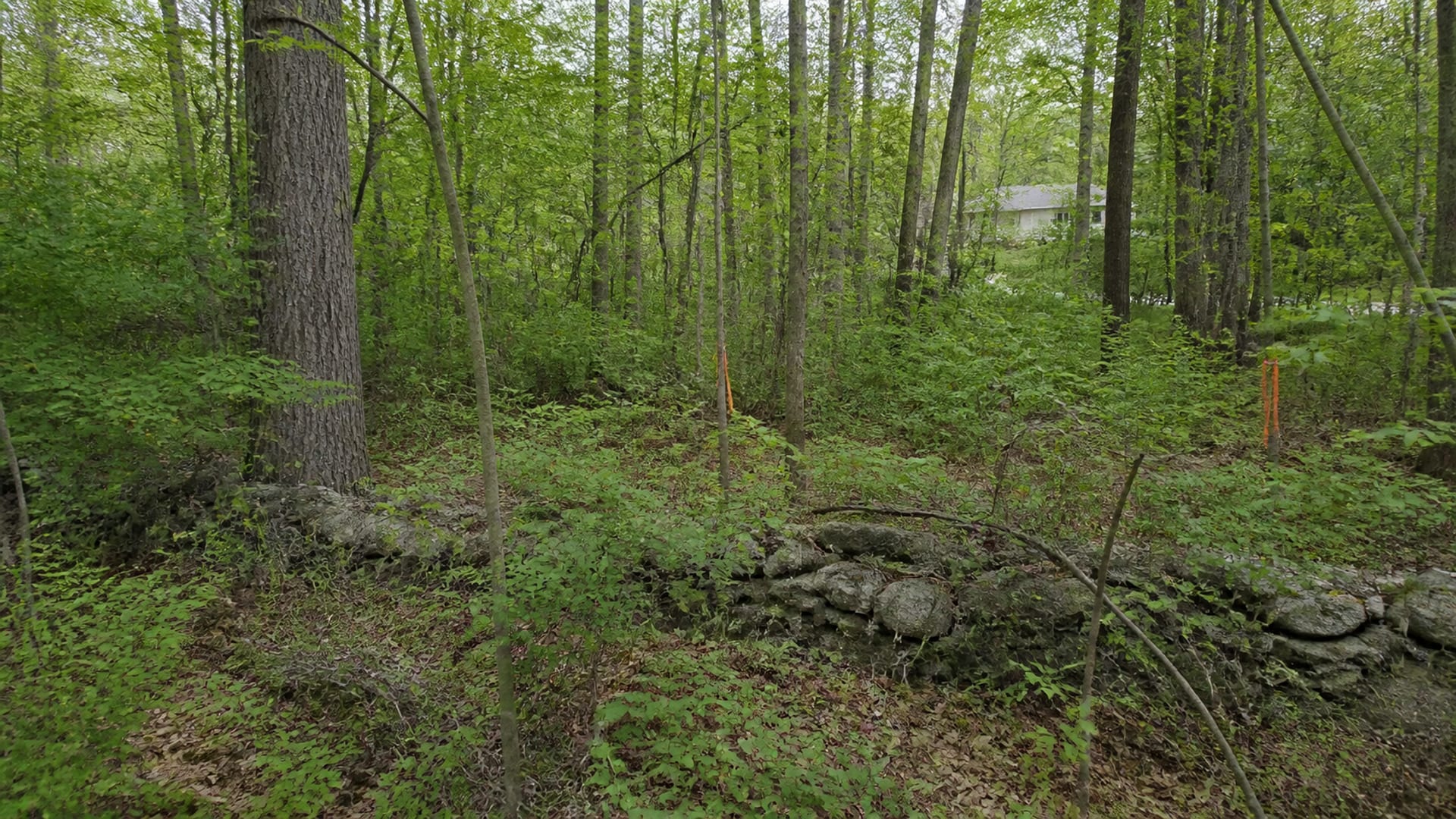
The parcel looked simple when you bought it. Trees, brush, a stone wall somewhere under the bittersweet, and a rough idea of the yard, the pasture, the barn, or the house site you wanted to open up. Then you started asking around and the answers stopped matching. One person talked about acres. Another asked what the finished grade needed to be. A third mentioned wetlands and you were not sure whether that applied to you, because there is no pond on the property and nothing looks wet in July. Bethany's own planning work says the majority of the town carries at least one severe development limitation, and the three it names are wetlands, steep slopes, and soils with poor septic capability. So the useful first question on a wooded Bethany lot is not how many trees come down. It is where the line is that they come down to, and what sits inside or beside that line that the town cares about.
Key Takeaways
Define the finished use before anyone counts trees
a marked limit of disturbance tied to a real end use is what turns a vague parcel cleanup into a scope that two contractors can quote the same way.
You are not allowed to decide the wetlands question yourself
Connecticut is explicit that a property owner cannot self-determine that an activity is non regulated, and the municipal inland wetlands agency makes that call.
Bethany's wetlands are found by soil type, not by standing water
the state notes that municipal wetlands maps are general planning tools rather than site specific delineations, which is why a soil scientist is sometimes part of the front end of a clearing project.
Bethany zoning limits where your new grade can send water
cuts and fills may not endanger adjoining property, and grading may not divert or concentrate water onto another property without that owner's written consent.
Disturbed acreage changes the paperwork
private construction disturbing at least one acre and less than five falls into Connecticut's locally approvable stormwater category with a local erosion and sediment control plan, and five acres or more adds a state application.
The First Measurement on a Wooded Bethany Parcel Is a Boundary, Not a Tree Count
Bethany's Plan of Conservation and Development describes the town the way anyone who drives it already sees it: dispersed houses, forest and field, and narrow uncurbed roads that follow the topography rather than cutting across it. The same document names soils, slopes, wetlands, and floodplains as the natural constraints that shape what land can do, and identifies Bethany's role in a public water supply watershed as a standing local concern. It then says plainly that most of the town's land carries one or more severe development limitations.
That is a planning statement about the town, not a determination about your parcel. What it means practically is that the odds of a wooded Bethany lot having something on it that changes the plan are high enough that finding out first is cheaper than finding out during. A wetland does not have to look like a marsh. Connecticut identifies inland wetlands by soil type, which means a slope that is dry underfoot in August can still sit on a soil the state considers a wetland soil. Municipal wetlands mapping exists, but the state describes those maps as general planning tools rather than site specific delineations. The difference matters, because a map that shows nothing on your lot is not a clearance.
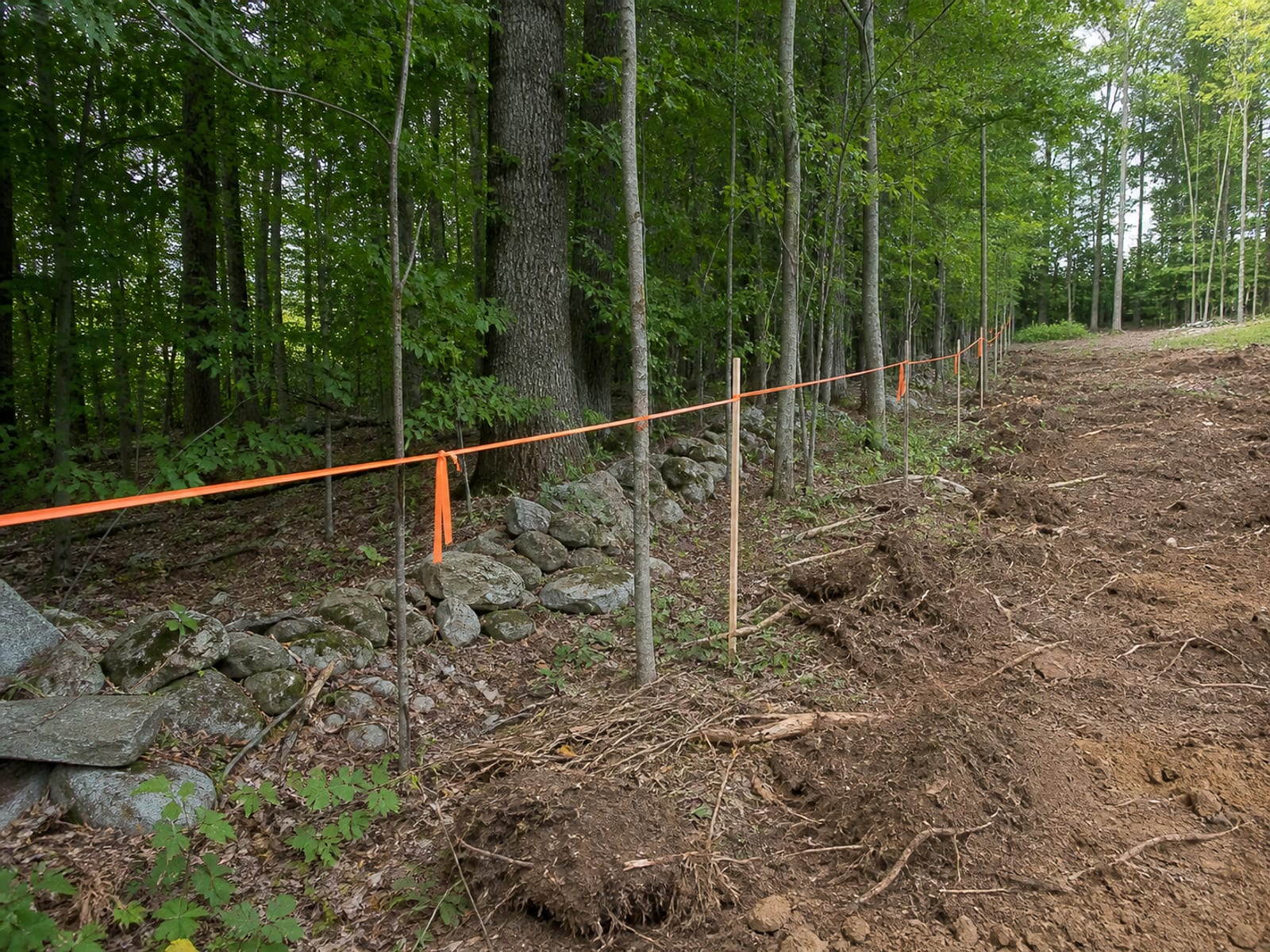
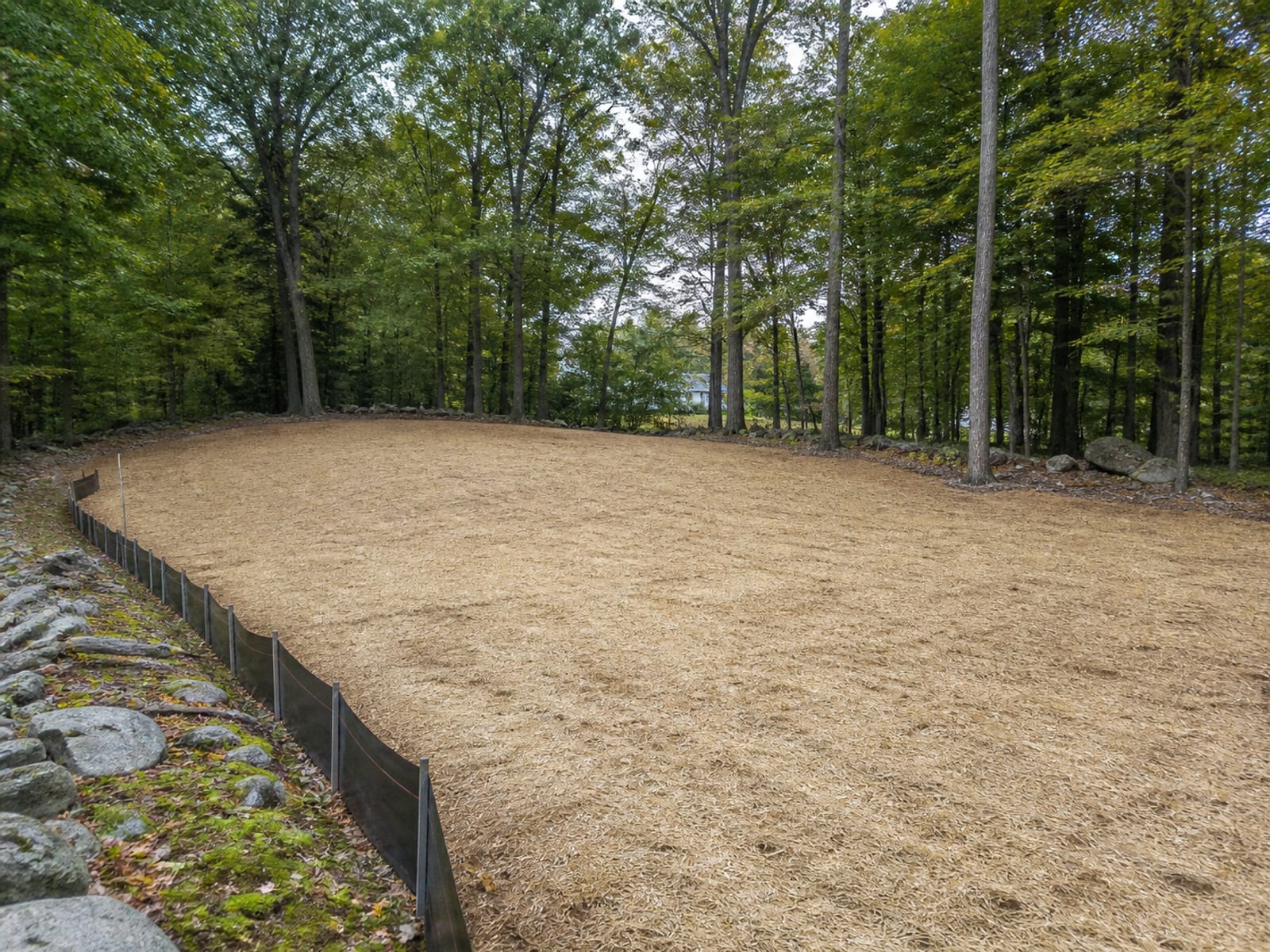
The second thing the boundary does is define the job. A limit of disturbance staked and flagged on the ground gives every later decision something to attach to: how much material comes off, where the machine turns, where the silt fence runs, what stays standing, and what the finished ground is supposed to do when it rains. Without it, an estimate is a guess about how far someone will keep going.
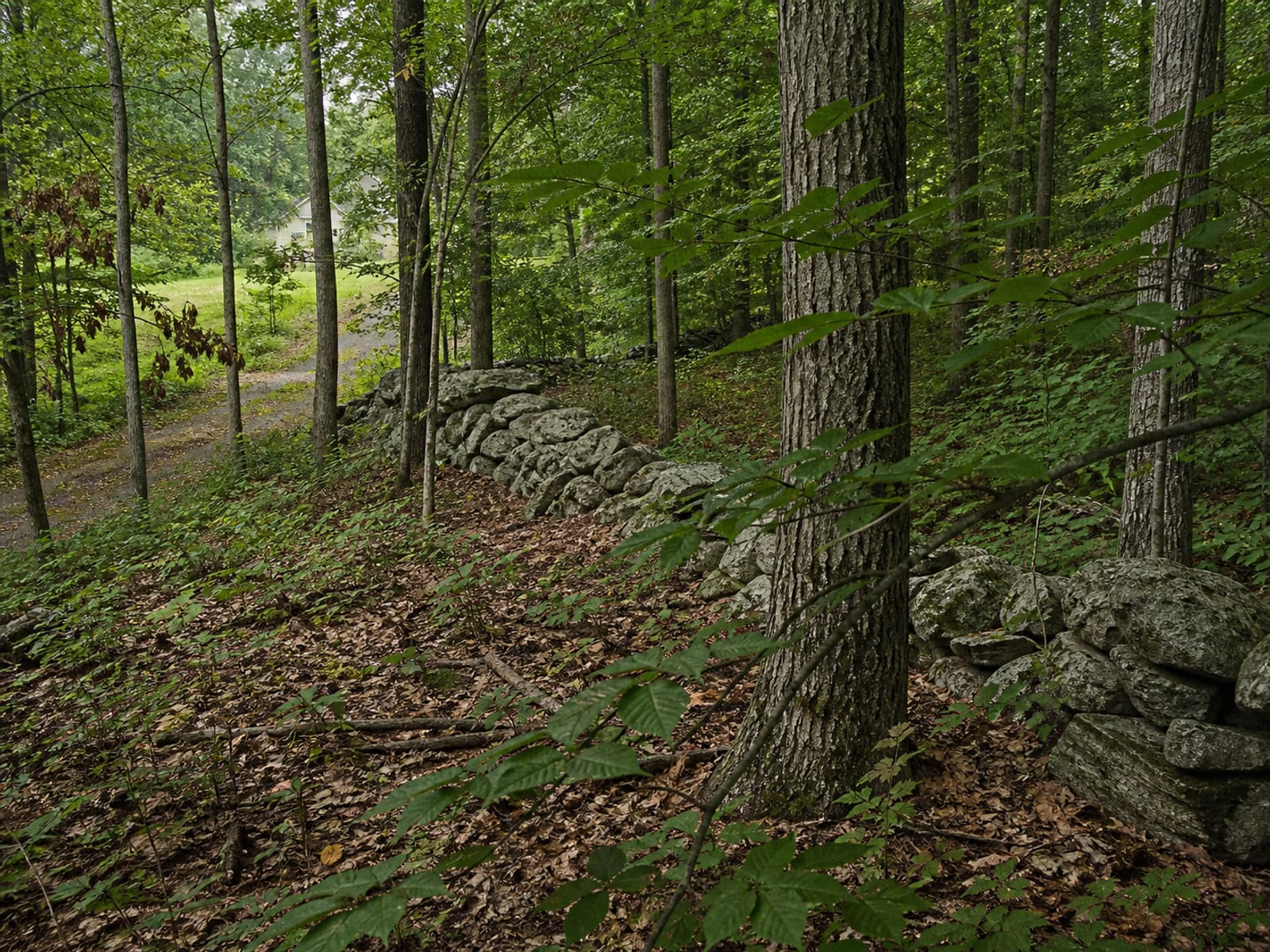
Four Different Jobs Get Called Clearing, and They Price Differently
People use the same word for work that is not the same work. Sorting out which one you actually want is usually the fastest way to make two quotes comparable.
| The job | What the finished ground looks like | What decides the scope |
|---|---|---|
| Brush clearing in Bethany, CT | Overgrown areas opened up, selected trees and stone walls kept, ground mostly undisturbed | What stays and what goes, whether stumps come out or get cut flush, and whether any soil is disturbed at all |
| Lot clearing in Bethany, CT | A defined usable portion of the parcel opened up, the rest left wooded | Whether the opening is a yard, an access route, a building envelope, or future development area |
| Site clearing in Bethany, CT | An approved work area prepared for a specific improvement, staged for what comes next | The approved plans, the required grades, the drainage design, and the erosion control sequence |
| Wooded lot clearing in Bethany, CT | Trees, stumps, roots, and woody material removed or selectively managed across a larger area | Tree diameter and density, access conditions, ledge risk, the disposal plan, and protection for retained trees |
Brush clearing is the lightest of the four and often the right answer on a parcel where the real goal is visibility, a fence line, or getting a machine to somewhere else. It becomes a bigger project the moment stumps have to come out, because that is soil disturbance, and soil disturbance is what pulls erosion control and sometimes municipal review into the conversation.
Lot clearing is where most Bethany owners actually land. You are not clearing 12 acres. You are opening two, and the two you open have to be the right two, positioned against the septic area, the well, the driveway grade, and whatever the wetlands answer turns out to be.
Site clearing is clearing that serves an approved design. The plan already says where the house, the drive, the leaching field, or the drainage goes, and the clearing is sequenced to match it. Wooded lot clearing is the label people reach for when the parcel is genuinely forested and the question is as much about what happens to the wood as about the trees themselves.
Bethany Decides What Counts as a Regulated Activity, and You Cannot Decide It Yourself
This is the part that surprises people, and it is worth stating directly. Connecticut's guidance on municipal inland wetlands permitting lists clearing, grading, excavating, filling, piping, and culverting as examples of work in or near a wetland or watercourse that needs town review. It also makes clear that where there is doubt about whether an activity is regulated, the determination belongs to the municipal inland wetlands agency, not to the applicant. In Bethany that is the Inland Wetlands Commission, administered through the town's Land Use Department, which also coordinates applications that need more than one commission to look at them.
Wetlands is one path. It is not the only one that can apply to a clearing project.
| What triggers it | What you have to do | Who reviews it |
|---|---|---|
| Work in, or likely to affect, an inland wetland or watercourse, including clearing, grading, excavation, filling, piping, or culverting | Obtain the required municipal inland wetlands authorization before the regulated activity happens | Bethany Inland Wetlands Commission, through Bethany Land Use |
| Uncertainty about whether the activity is regulated at all | Ask for a jurisdictional determination. The owner cannot make that call | Bethany Inland Wetlands Commission |
| A new use of land, new construction, or an external structural change | Get a project specific determination. Bethany's regulations require a zoning permit before land is used, except for agricultural purposes, and a site development plan accompanies new buildings and external structural changes. Clearing on its own is not established in the cited regulation as a universal zoning permit category | Bethany Zoning Enforcement Officer, and the Planning and Zoning Commission where applicable |
| A structure, a regulated system, a demolition, or an occupancy change | Obtain the building or trade permits Bethany lists for construction, enlargement, alteration, repair, moving, demolition, occupancy changes, and covered electrical, gas, mechanical, and plumbing work | Bethany Building Department |
| Private construction disturbing at least one acre and less than five | Municipal review plus the local erosion and sediment control plan required by Connecticut's locally approvable small construction category | The applicable Bethany land use commission, under the state category |
| Private construction disturbing five acres or more | Municipal approval plus a state application and a Stormwater Pollution Control Plan under the Construction Stormwater General Permit | Bethany land use commission and CT DEEP |
| Any mechanized excavation | Mark the work area, then obtain a Call Before You Dig ticket at least two full days ahead, excluding Saturdays, Sundays, and holidays | CBYD, reached at 811 or 1-800-922-4455 |
Reading that table the wrong way makes clearing sound impossible. Read it the right way and it is a screening list. Most of the rows will not apply to a given parcel. The point is that which rows apply is a question with an answer, and the answer comes from Bethany Land Use in a phone call, not from an assumption.
Six Field Conditions Set the Scope Before Anyone Talks About Cost
Everything below changes the work itself, which is why a contractor who walks the parcel gives you a different kind of number than one who quotes from an aerial image.
Vegetation, tree size, stumps, and root systems
Brush and small woody growth is a different machine and a different day than mature hardwood. Stumps are their own decision: cut flush leaves the root mass in the ground and limits disturbance, while removing stumps and root balls is excavation with a hole, a pile, and a fill requirement behind it. On a lot that is going to carry a lawn, a drive, or a structure, flush cutting is usually a deferral rather than a saving.
Access, staging, and how material leaves
Bethany's long private drives cut both ways. They give you room to stage, and they make delivery and haul off a real line item. The questions are where a truck and trailer can turn, whether the drive surface survives loaded traffic, where chips or logs can sit, and whether material stays on the parcel or leaves it. Chipping on site, stockpiling for firewood, and hauling to a disposal destination are three different costs, and burning should never be assumed to be allowed.
Slope, wetlands, drainage, rock, and ledge
Bethany runs to roughly 700 feet in places, and slopes, ridges, and ravines are ordinary here rather than exceptional. Slope changes the machine, the erosion controls, and where the water goes when the canopy that used to intercept the rain is gone. Ledge and boulders are the other field unknown. No townwide numeric inventory for ledge depth, boulder density, or depth to bedrock turned up in the municipal sources reviewed, so this is a look first item, not a lookup.
Utilities, wells, and septic components
Before any mechanized excavation, the work area gets marked and a CBYD ticket gets pulled, with at least two full days of notice excluding weekends and holidays. Utility marks cover participating utility facilities. They do not cover the private lines that are common out here: the well line, the septic tank and leaching field, an underground feed to a barn or a light, an old irrigation run. Those get identified separately, from your own knowledge of the property and from whatever plans exist.
Erosion controls, stabilization, and approvals
Controls go in before soil is exposed, not after the first storm proves they were needed. Where the project falls into Connecticut's covered construction stormwater categories, a Stormwater Pollution Control Plan or a local erosion and sediment control plan is part of the job rather than an add on. Final stabilization, meaning ground cover that actually holds, is the last real task and it belongs in the scope in writing.
What the finished ground has to do
A cleared area that drains toward a neighbor is a problem you built. Bethany's zoning regulations state that cuts and fills must not endanger adjoining property, that fill has to minimize sliding and erosion, and that grading may not divert or concentrate water onto another property without that owner's written consent. Deciding what the finished grade does with runoff is part of clearing, not a separate project later.
A Clearing Job Runs in a Set Order Because Each Step Gates the Next
The sequence below is not a preference. Several of these steps cannot be moved without creating work that has to be undone.
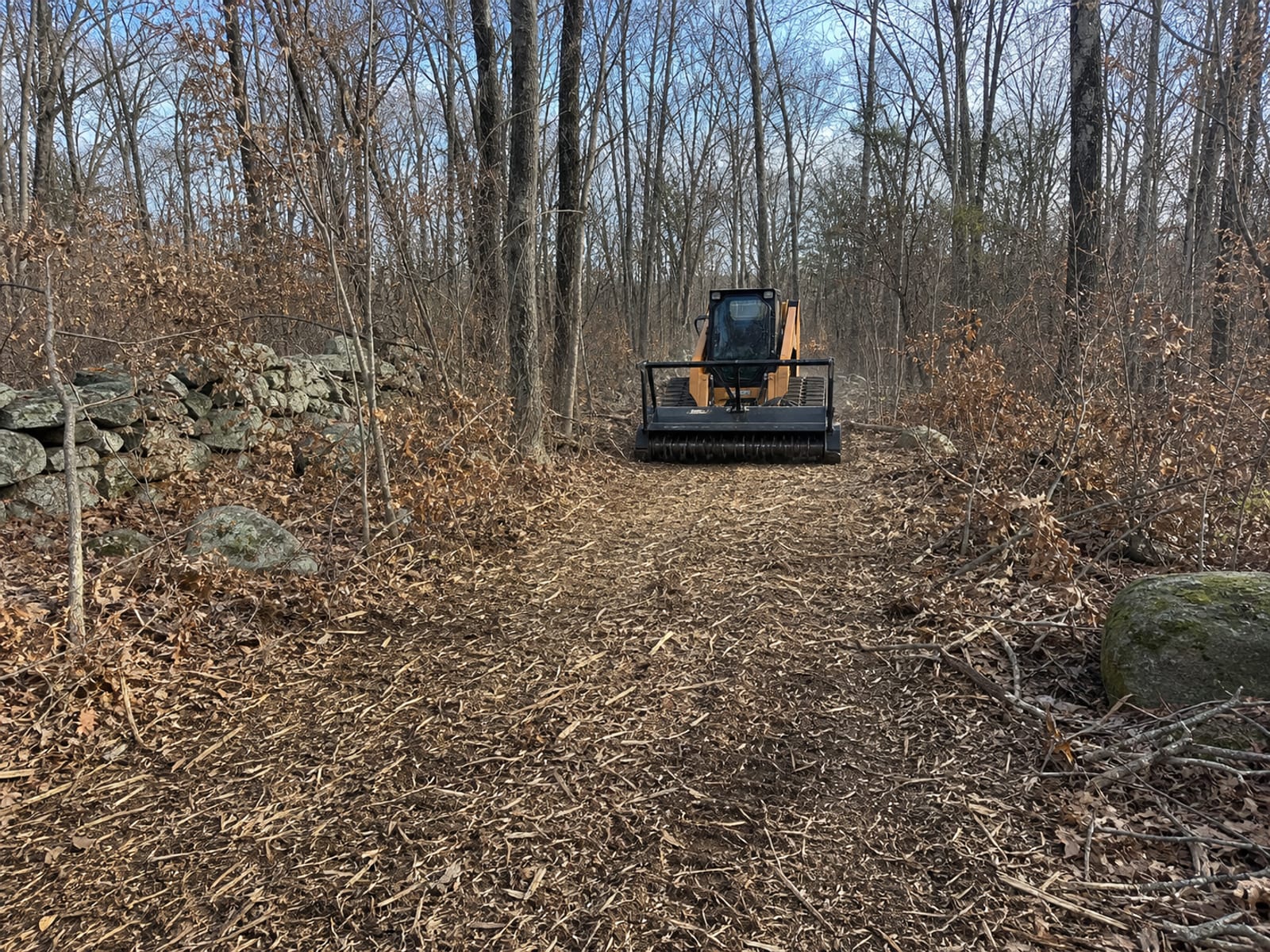
1. Define the finished use and stake the limit. Mark what remains, what comes out, where material stages, how machines get in, and what the finished grade should be. If the clearing serves a house, a drive, a drainage design, or a septic system, the limit follows the approved design instead of being drawn freehand first. 2. Screen the approvals before anything mobilizes. Ask Bethany Land Use whether wetlands, zoning, site plan, or erosion control review applies to what you are describing. A soil scientist may be needed to field locate wetland boundaries, since the state points out that mapping is a planning tool and the soils determine the answer. 3. Locate utilities and plan the access. Mark the area, pull the CBYD ticket, wait out the required notice, and verify the responses before digging. Add the private lines the state program does not cover. 4. Install controls, then expose soil. Perimeter and sediment controls go in first, in the locations the approved plan or the local erosion and sediment control plan sets. 5. Clear in controlled passes. The equipment mix follows the scope rather than the other way around: a compact track loader with a forestry mulching head handles brush and small woody growth in place, an excavator with a grapple or thumb handles trees and root balls, a dozer or excavator roughs in grade, and a truck or trailer moves what leaves. 6. Handle material by the agreed disposition. Brush, usable wood, stumps and root balls, rock, unsuitable soil, and waste each need a destination that was decided during scoping. 7. Grade, drain, and stabilize. Shape the approved grades, keep runoff off the neighbor, finish any drainage that is in scope, and establish ground cover. Temporary controls come out when the site is stable, not when the machines leave.
What Drives the Price Is Visible Before the Work Starts
No qualifying published price range for land clearing in Bethany turned up in any official or independently verifiable source, and there is no municipal schedule that sets one. Publishing a figure without walking a specific parcel would be inventing a number, and a number invented before anyone has seen your slope, your access, or your wetland answer is the number that changes later. What can be described honestly is what the price is built from, and that is the more useful list anyway, because each item is something you can go and check.
- Light brush only, or trees, stumps, roots, rock, and possible ledge.
- Selective clearing that keeps most of the parcel wooded, or opening a whole buildable or access area.
- Easy truck and machine access, or a narrow, soft, sloped, or long approach.
- Material left on site, or chipped, loaded, hauled, and disposed of.
- Clearing alone, or site preparation with grading, drainage, erosion controls, and stabilization behind it.
- A parcel with no regulated resource involved, or one that needs wetland delineation, municipal review, a site plan, or stormwater compliance.
A usable written scope separates those out rather than bundling them into one figure. Ask for the limit staking and retained tree protection, the machine type and felling or mulching method, the stump and root removal depth, how ledge and boulders are handled, loading and transport, the disposal destination, temporary access protection, sediment controls, rough and finish grading, drainage materials, topsoil, the stabilization method, and any permit or engineering coordination. What is excluded should be as clear as what is included.
Five Mistakes That Turn a Clearing Project Into a Restoration Project
- Clearing before the site design is final. Ground opened in the wrong place has to be restored, redrained, or replanted, and none of that was in the budget.
- Treating a wet area as something to deal with later. Clearing or grading that affects a wetland or watercourse without prior authorization from the Inland Wetlands Commission can trigger enforcement, and the fix is more expensive than the permit would have been.
- Skipping 811, or leaning on an old ticket. Notice is at least two full days ahead excluding weekends and holidays, and the ticket has to be current for the work being done.
- Leaving stumps, hauling, and stabilization undefined. These are the three line items that most often show up as a change order, because all three are easy to leave vague in a verbal quote.
- Letting the new grade point runoff at a neighbor. Bethany's zoning rule on diverting and concentrating water is specific, and the neighbor's written consent is not something you want to be chasing after the fact.
Your Own Work on a Wooded Lot Stops at the Machine
There is real, useful work an owner can do before anyone visits, and none of it involves equipment. Walk the parcel and write down what you want the ground to do. Photograph the wet spots after a heavy rain, which is when they are actually visible. Mark the trees and the stone walls you want kept. Find the survey, the septic as built, and any prior plans. Locate the well and the leaching field. Call Bethany Land Use, describe what you are proposing, and ask which review path applies. That is project definition, and it makes every conversation afterward shorter.
The line sits at mechanized work and at regulated resources. Mechanized clearing or excavation, felling near structures or lines, stump and root excavation, meaningful grading, drainage work, haul off logistics, stabilization design, anything in or affecting a wetland or watercourse, and anything needing municipal or state approval all sit on the contractor side. The threshold is low deliberately: Connecticut requires CBYD notice from any person using power or mechanized equipment for excavation, and the wetlands determination is not the owner's to make.
The Season Does Not Close, but the Stabilization Window Does
No Bethany specific seasonal prohibition on clearing turned up in the reviewed official materials, and inventing one would be dishonest. The real constraint is what happens to the exposed soil afterward. Connecticut's erosion and sediment control guidelines give normal permanent seeding windows of March 15 through June 30 and August 15 through October 31, describe dormant seeding as normally November through February, and note that mulch is extremely important in dormant seeding because it protects the seed and limits erosion before anything germinates. Temporary seeding after a grading suspension is meant to establish during the growing season and hold the ground through winter.
That is why a winter clearing job is not off the table but does need a stabilization plan that assumes seed will not establish immediately. If the clearing is followed by building work, the state building code table sets a 42 inch frost line depth, which matters to footings rather than to clearing, and should be confirmed against current code and the Bethany Building Official for a specific project.
Five Questions Worth Answering Before You Call
1. Who decides whether your clearing project counts as a regulated wetlands activity in Bethany?
2. How are Connecticut inland wetlands identified?
3. How far ahead does Connecticut require a CBYD notice for mechanized excavation?
4. Your new cleared area will send more runoff toward the property next door. What does Bethany's zoning say?
5. At what disturbed area does private construction move from Connecticut's locally approvable stormwater category into a state application?
Pick an answer to begin.
Frequently Asked Questions About land clearing bethany ct
What does land clearing in Bethany, CT cost? No verified Bethany price range was found in any official or independently verifiable source, so publishing one would be making up a number. What sets the figure is measurable on your parcel: the area and its vegetation, tree diameter and density, whether stumps come out or get cut flush, access and staging, whether material stays or leaves, ledge and boulder risk, grading and drainage, erosion controls and final stabilization, and any wetland, zoning, or stormwater review. A written site specific scope that separates those items is what turns them into a real figure.
Is brush clearing in Bethany, CT different from wooded lot clearing in Bethany, CT? Yes, by intended result rather than by any legal classification. Brush clearing opens overgrown areas while keeping selected trees and features, often with little or no soil disturbance. Wooded lot clearing deals with trees, stumps, roots, and the woody material that comes off them, usually across a larger area, and it typically involves soil disturbance, material handling, and restoration. The moment stumps come out, the second description fits better than the first.
Do I need an inland wetlands permit before site clearing in Bethany, CT? You need a determination, and then possibly a permit. Connecticut lists clearing and grading among the activities in or near a wetland or watercourse that need municipal review, and it is explicit that an owner cannot decide on their own that an activity is non regulated. Describe the work to Bethany Land Use and let the Inland Wetlands Commission establish the path. A wetlands map showing nothing on your lot is not a determination, because mapping is a general planning tool and wetlands are identified by soil.
Do I have to call 811 before clearing a lot? Before any mechanized excavation, yes. Mark the work area first, then notify CBYD at 811 or 1-800-922-4455 at least two full days ahead, excluding Saturdays, Sundays, and holidays, and verify the responses before digging. The statewide marks cover participating utility facilities, so private lines on the property, including well and septic components, need to be identified separately.
Can I clear brush myself? Light, non mechanized work on your own property is reasonable: hand cutting small brush, marking what stays, clearing a walking path, and doing the planning legwork. It stops at soil disturbance and at machinery. Once trees, stumps, grading, drainage, utilities, or a possible wetland are involved, the work needs a contractor and, in some cases, a town determination first.
How long does land clearing take? No verified Bethany wide duration range exists, and quoting one would be a guess. The fixed piece of the schedule is the CBYD notice window of at least two full days excluding weekends and holidays. Everything else, meaning approvals where they apply, site conditions, access, how material is handled, weather, and stabilization, is what sets the actual calendar. A contractor who has walked the parcel can give you a realistic window for your job specifically.
When is the best season to clear land in Bethany? There is no verified local clearing season, and no blanket local prohibition was found. The season question is really a stabilization question. Connecticut's guidance sets normal permanent seeding windows of March 15 through June 30 and August 15 through October 31, with dormant seeding normally November through February and mulch doing the protective work in that window. Clearing outside the growing season is workable when the plan includes how the exposed ground gets held until seed can establish.
Final Thoughts
A wooded parcel in Bethany is not a hard project. It is a project with an order to it, and the order starts further back than most people expect. Decide what the ground has to do when it is finished. Stake the limit that serves that use. Ask the town which review path applies before a machine is booked rather than after. Get the utilities marked, the private lines identified, and the controls in before soil is exposed. Then clear, handle the material the way the scope says, grade so the water goes where you intended, and stabilize.
That order is also how you tell a serious contractor from a fast quote. Someone who asks about your finished use, your access, your well and septic locations, and whether you have talked to Land Use is scoping the job. A number offered before any of that has been discussed is a number that has to change once the work is real.
If you have ground to open up in Bethany, CT, Prestige Property Maintenance can walk the parcel with you and work through those questions before anything is scheduled. We handle land clearing, forestry mulching, stump grinding, and erosion and sediment control with one crew working out of Oxford, so the clearing, the grade, and the stabilization are not split between three companies pointing at each other. See what we do across Bethany, call us at (203) 258-3395, or contact us to set up a site visit, and you will get a scope that names the limit, the material plan, and what is excluded.
Words You Will Hear on a Bethany Clearing Job
Tap a term to see what it means.
Limit of disturbance. The staked and flagged boundary of the area that will be cleared or graded. Everything outside it stays as it is, and it is what makes an estimate comparable between contractors.
Related Articles
Land Clearing in Bethany, CT: What the Property Looks Like After
Agreed to land clearing in Bethany, CT and picturing a bulldozed lot? Here is what actually happens to trees, stumps, and debris once work begins.
Land Clearing in Derby, CT: What Is Under the Brush?
An overgrown Derby parcel hides more than brush. Learn how land clearing in Derby, CT reveals ground conditions, limits, and drainage before you build.
Erosion and Sediment Control Bethany, CT: Stopping a Washout
A washout near a wetland is not just a mess, it can be a regulatory issue too. Here is how erosion and sediment control in Bethany, CT works, start to finish.